
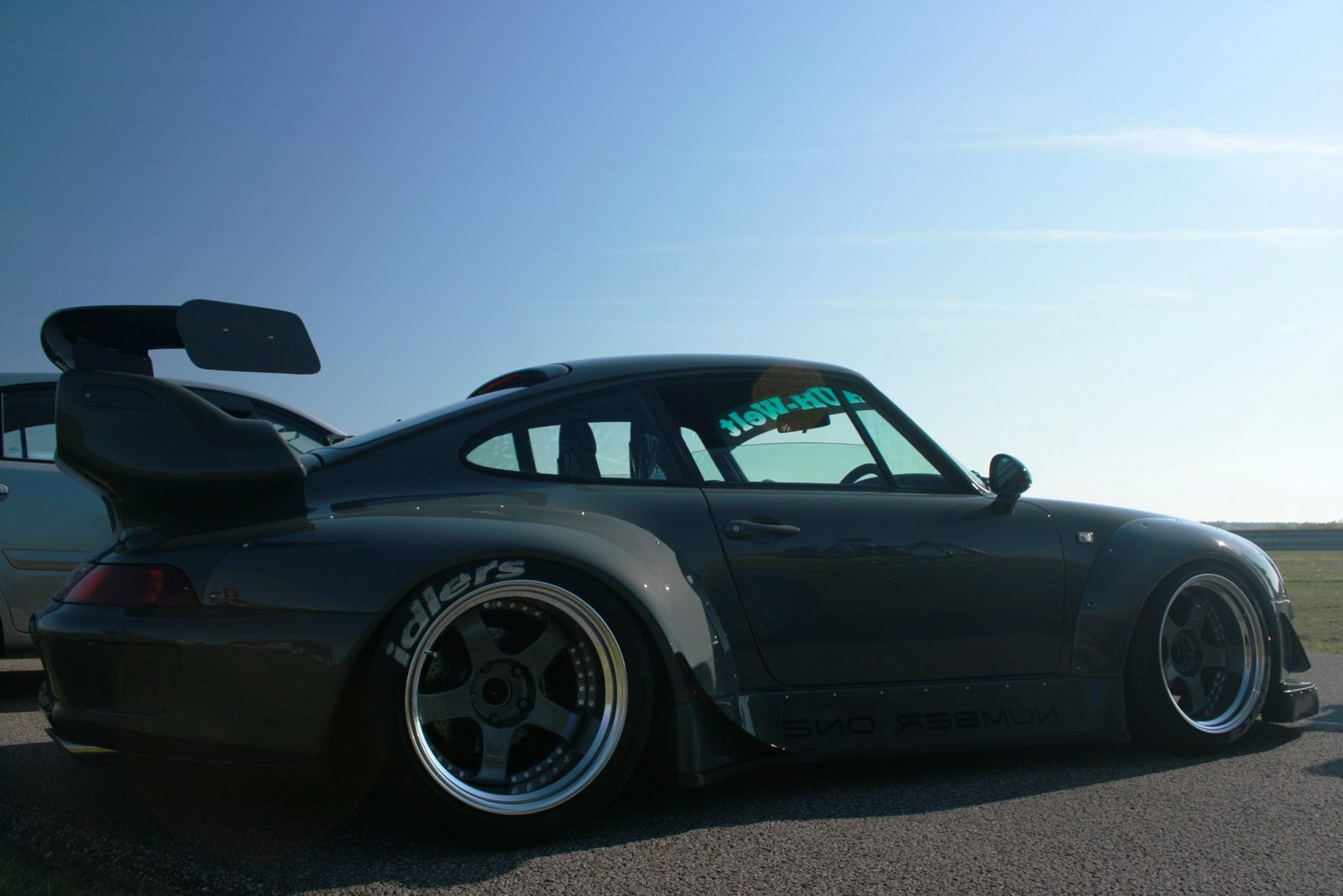
The First RWB Porsche Wasn't a Business Plan — It Was a Wrecked 930
Every widened, low-slung RWB Porsche on the road today traces back to one damaged car that came into a Tokyo body shop in the late 1990s, and one mechanic who decided to rebuild it into the shape he'd always pictured.
Before Akira Nakai built Porsches, he ran with a loose Tokyo crew called Rough World — a group of Toyota AE86 drivers known for aggressive driving, matte paint, and stances lower than anything the factory intended. That crew's name is the literal origin of "Rauh-Welt Begriff," German for "rough world concept" — the brand Nakai would eventually build wasn't named after a marketing idea, it was named after the friends he used to drive with.
The actual first RWB build happened almost by accident. In the late 1990s, a damaged 1985 Porsche 930 came into the Tokyo body shop where Nakai worked. Instead of a standard insurance repair, he reshaped the car by eye into the low, wide silhouette he'd always pictured — no CAD, no design team, just an angle grinder, masking tape, and a mental image he'd apparently been carrying around for years. That car became the template for every RWB Porsche built since.
The build philosophy never scaled into a factory process, and that's deliberate. Nakai still personally builds every RWB car himself, on-site, by hand — no CAD renderings, no templated panels, each car shaped individually against the specific dents and proportions of the donor. He runs a strict one-RWB-per-customer policy, and the waitlist to get one built currently runs around three years. Nakai has also been tied to the Mid Night Club, Tokyo's famous underground expressway racing group from the same era — the same subculture of low, matte, aggressively-driven cars that shaped Rough World in the first place.
The stance itself is a real engineering tradeoff, not just an aesthetic one. Extreme negative camber — the inward tilt of the top of the wheel that gives RWB and stance-culture builds their signature look — can run into the tens of degrees on some builds, versus roughly half a degree to one degree on a stock car. That much camber changes the tire's contact patch shape and reduces straight-line grip in exchange for cornering bite and, on builds like Nakai's, a specific visual proportion that's become instantly recognizable worldwide, all traceable back to one wrecked 930 and a mechanic who decided to fix it his own way.
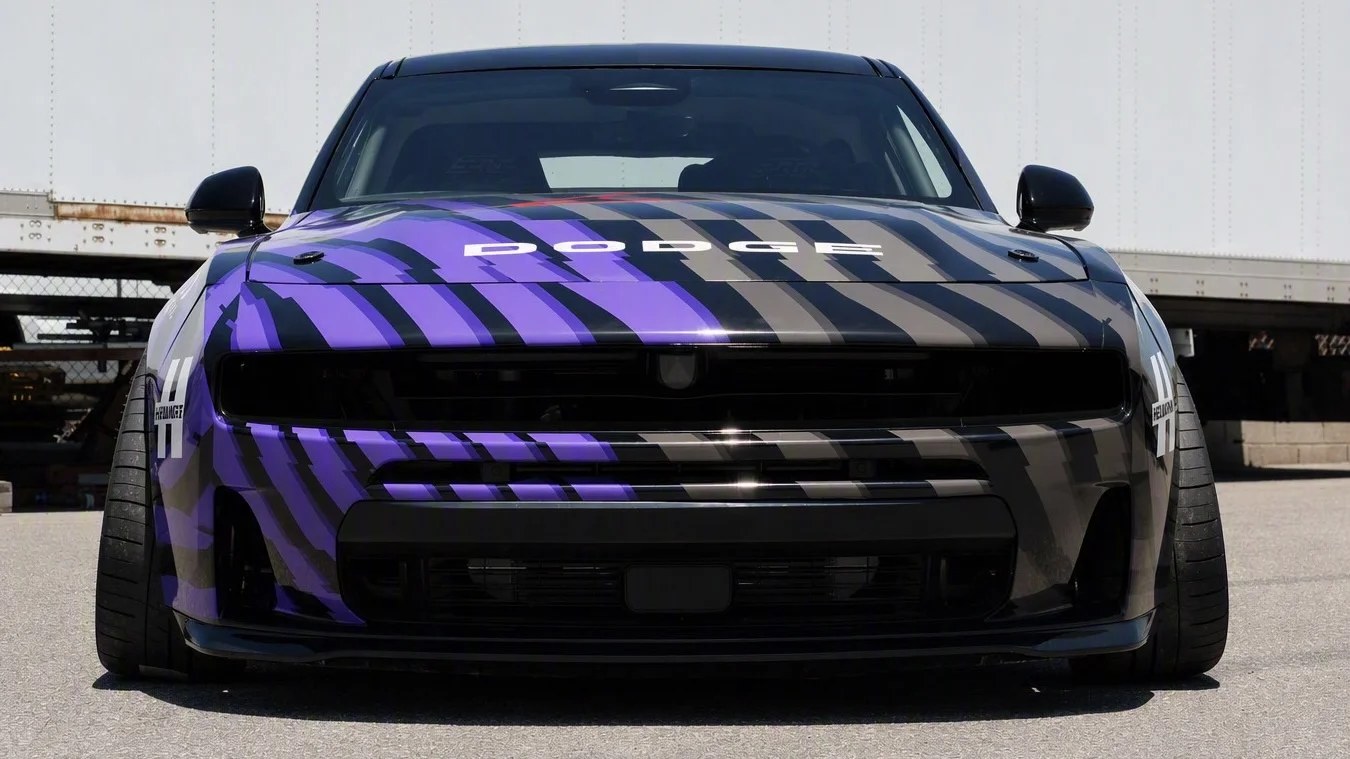
Dodge Gave the Six-Cylinder Charger a Clutch Pedal. It Took a Drift Build to Do It.
Two 750-horsepower Chargers built with Hemmings in 60 days are the first manually shifted SIXPACK cars Dodge has shown — and one of them is a four-door built to carry passengers sideways.
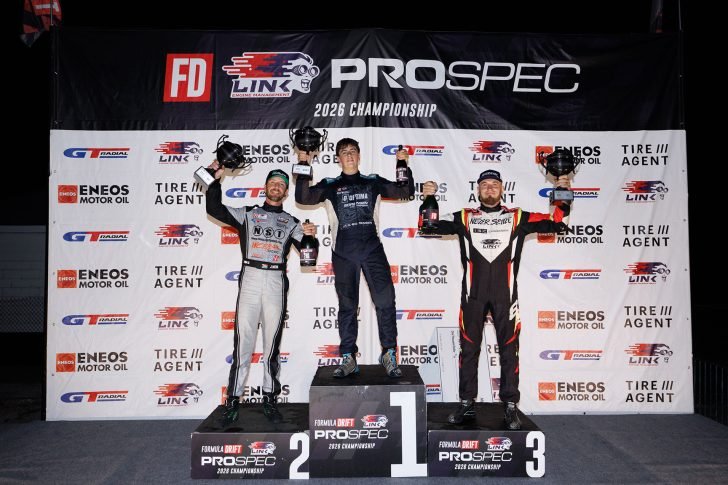
At 14, Camren Sorensen Becomes Formula Drift's Youngest-Ever Winner in Indianapolis
Sorensen topped the PROSPEC podium at Indianapolis Raceway Park, beating his own sister in the Top 8 along the way, on a weekend the PRO main event was wiped out by flooding.
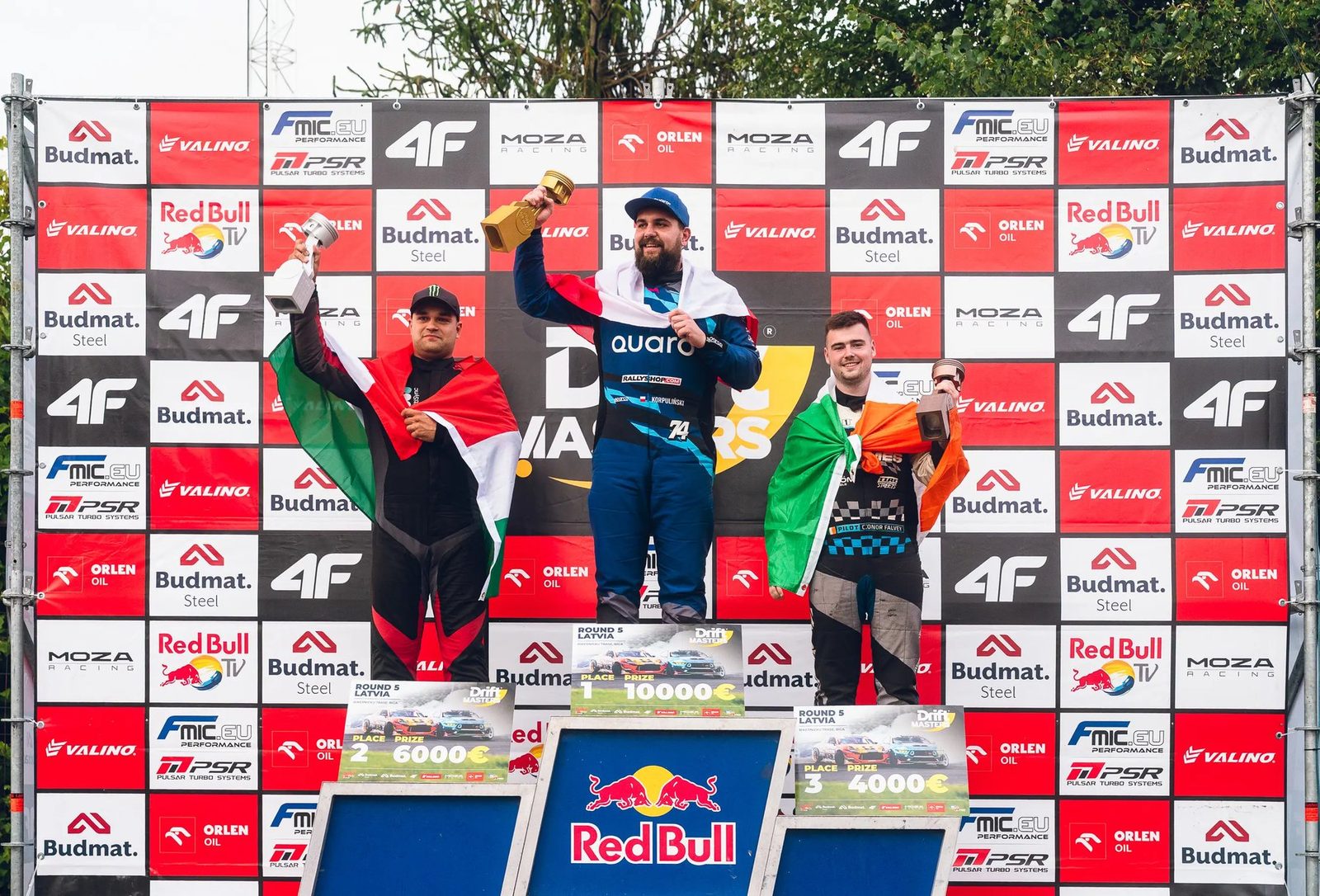
Paweł Korpuliński Wins Drift Masters Round 5 in Riga, Extends Championship Lead
The Polish driver beat breakout finalist Kevin Piskolty at Bikernieku Trase to open a 52-point gap atop the 2026 Drift Masters European Championship standings.