
BMW to Cut 8,000 Jobs by End of 2027 as China Sales Slump Hits Profit
The voluntary redundancy program, the largest in BMW's history, targets white-collar roles in Germany while leaving production staff untouched.
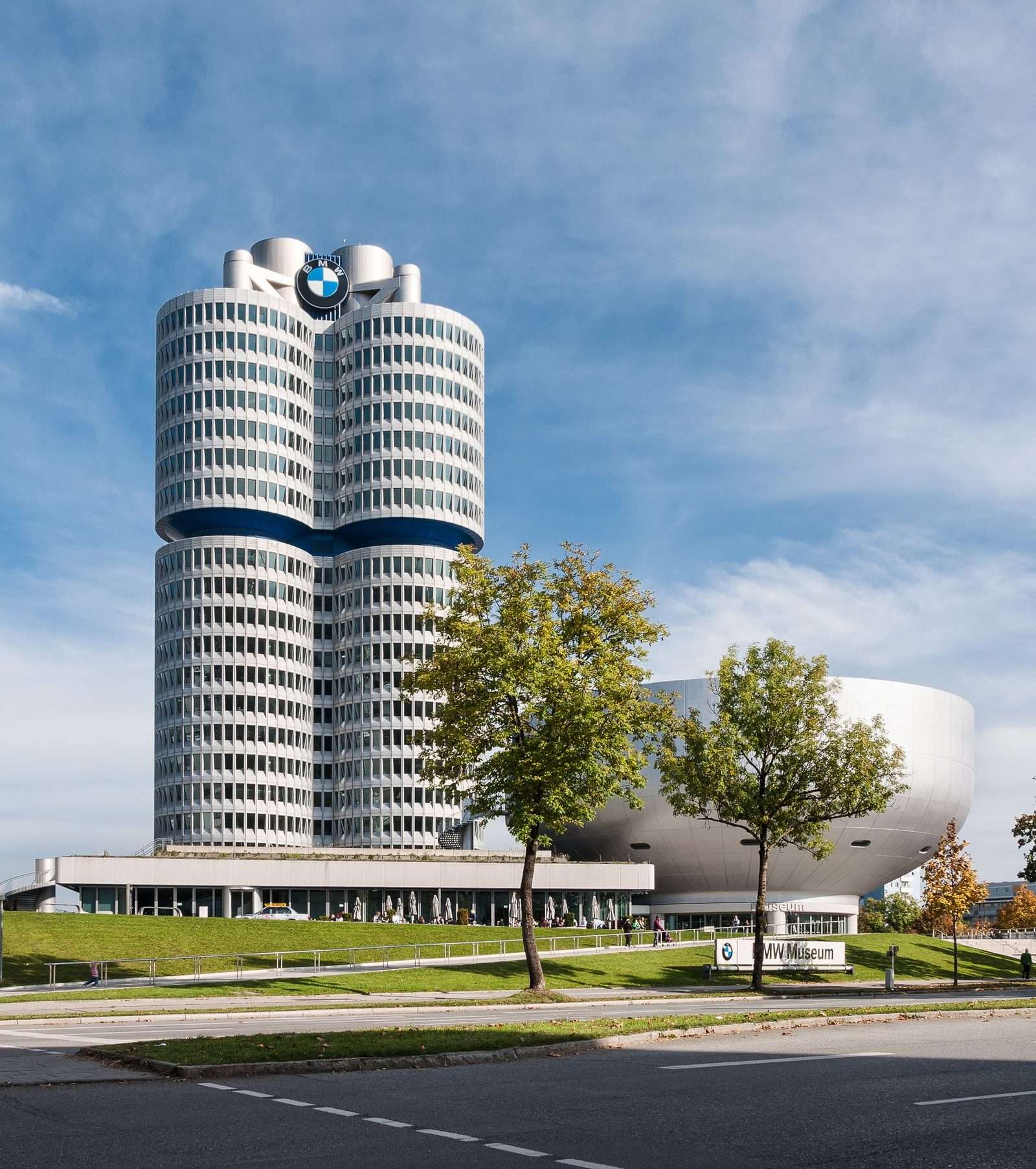
BMW will cut roughly 8,000 jobs worldwide by the end of 2027, the company confirmed on July 29, in what it's calling the largest voluntary redundancy program in its history. The move makes BMW the last of Germany's three major automakers to announce a significant workforce reduction this year, following similar cuts already underway at Volkswagen and Mercedes-Benz.
The program, negotiated with BMW's works council over six weeks, targets administrative, research and development, and other corporate roles rather than the factory floor. Production jobs are explicitly excluded. Around 40,000 desk-based employees in Germany, nearly half of BMW's roughly 85,000 permanent staff there, will be eligible to apply for voluntary departure once the offers open in October 2026. Munich, Regensburg, Dingolfing and Leipzig are the sites most affected, with BMW's Research and Innovation Center in Munich, which employs about 25,000 people, expected to see the bulk of the reductions.
Chairman of the Board of Management Milan Nedeljković and works council chairman Martin Kimmich laid out the plan to staff at an assembly in Munich. In exchange for the voluntary program, BMW agreed to extend job protection guarantees for its remaining German workforce, ruling out compulsory layoffs in the coming years even if the company posts operating losses. BMW expects the reductions to generate about €1 billion in annual savings starting in 2028, though the upfront cost of severance packages will run into the hundreds of millions of euros depending on how many employees take the offer.
The cuts land days after BMW reported a rough second quarter. Group pretax earnings fell 35 percent year over year to about €1.7 billion, and the automotive division's operating margin narrowed to 2.3 percent from 5.4 percent a year earlier. Deliveries in China, long BMW's largest single market, dropped 30.2 percent in the quarter and were down 20.4 percent for the first half of the year, as domestic EV makers continue to take share from established European brands. BMW had already cut its full-year 2026 EBIT margin target to a range of 1 to 3 percent, down from an earlier forecast of 4 to 6 percent, citing both the China slowdown and the cost of restructuring.
BMW's move follows Volkswagen's announcement of roughly 35,000 job cuts and a separate redundancy program launched by Mercedes-Benz, underscoring how deeply the slowdown in China demand and the shift toward electrification are reshaping Germany's auto industry. Roughly 8,000 positions represent about 5 percent of BMW's global workforce of some 154,000 employees, and unlike some rivals' plans, this round is being carried out entirely through voluntary buyouts rather than forced layoffs, at least for now.
Ford Is Recalling 86,543 Mach-Es Because a Faster Jig Didn't Let the Glue Cure
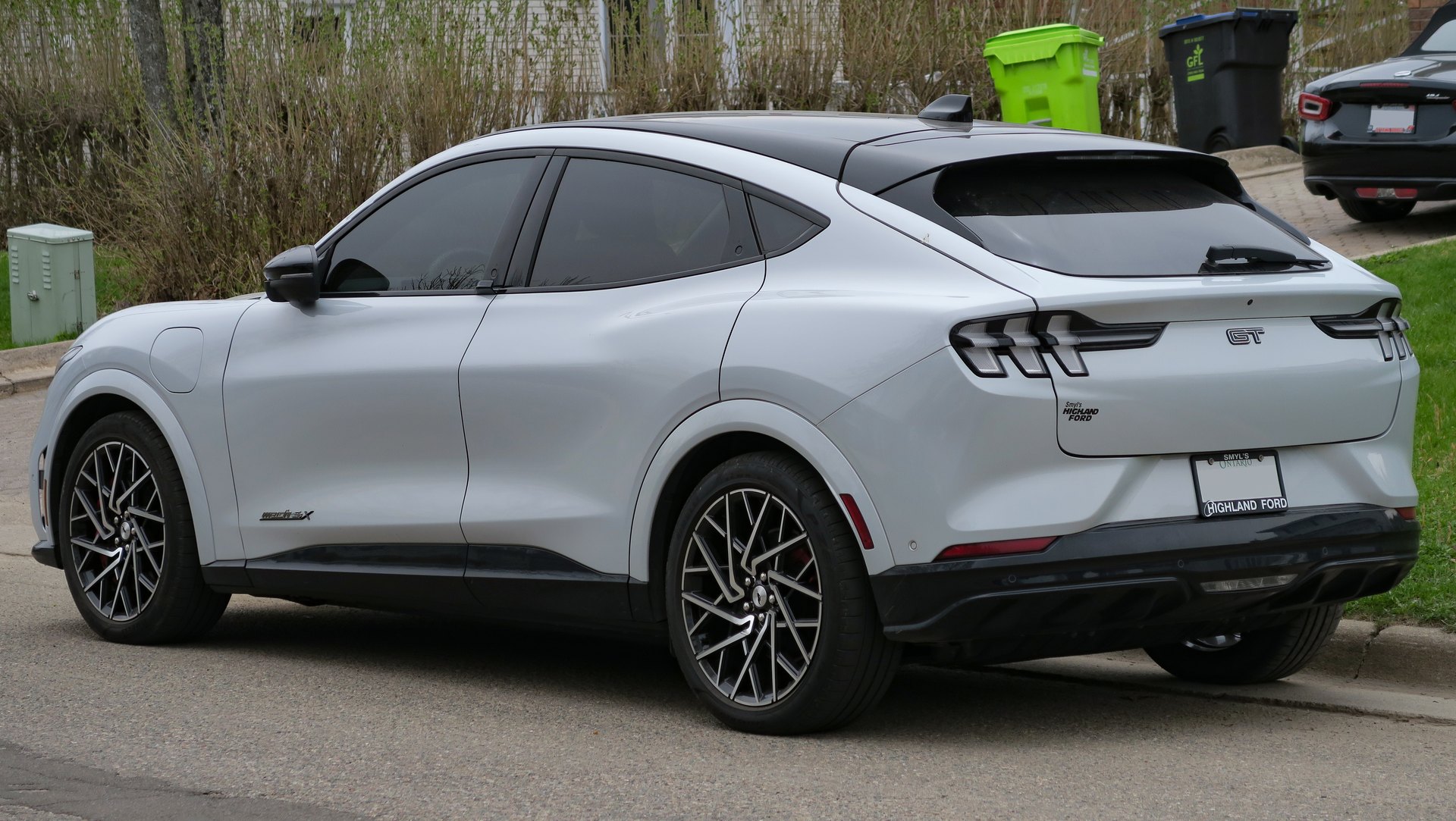
The rear side quarter window trim on 2023–2025 Mustang Mach-Es can work loose and come off in traffic. Ford traced it to a supplier fixture that cut the installation time — and, with it, the primer's cure time.
Ford Reportedly Showed Dealers a Four-Door Mustang
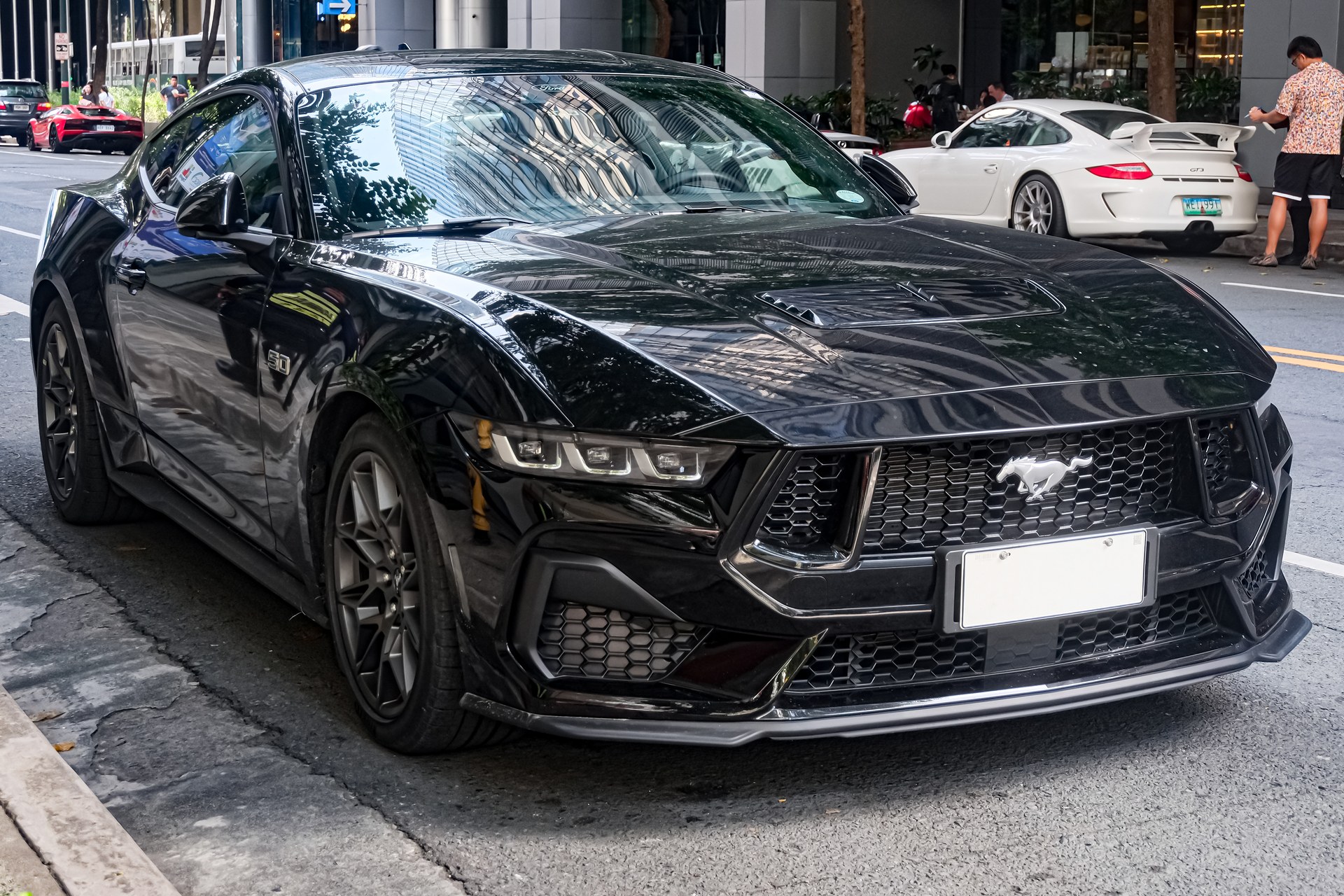
At a dealer meeting in Las Vegas, Ford is said to have put an image of a Mustang sedan on the screen — gas-powered, possibly hybrid, aimed at the Charger, and due before the decade is out.
1.27 Million Ram 1500s Recalled Because the Rear Seat Belt Anchors May Never Have Been Attached
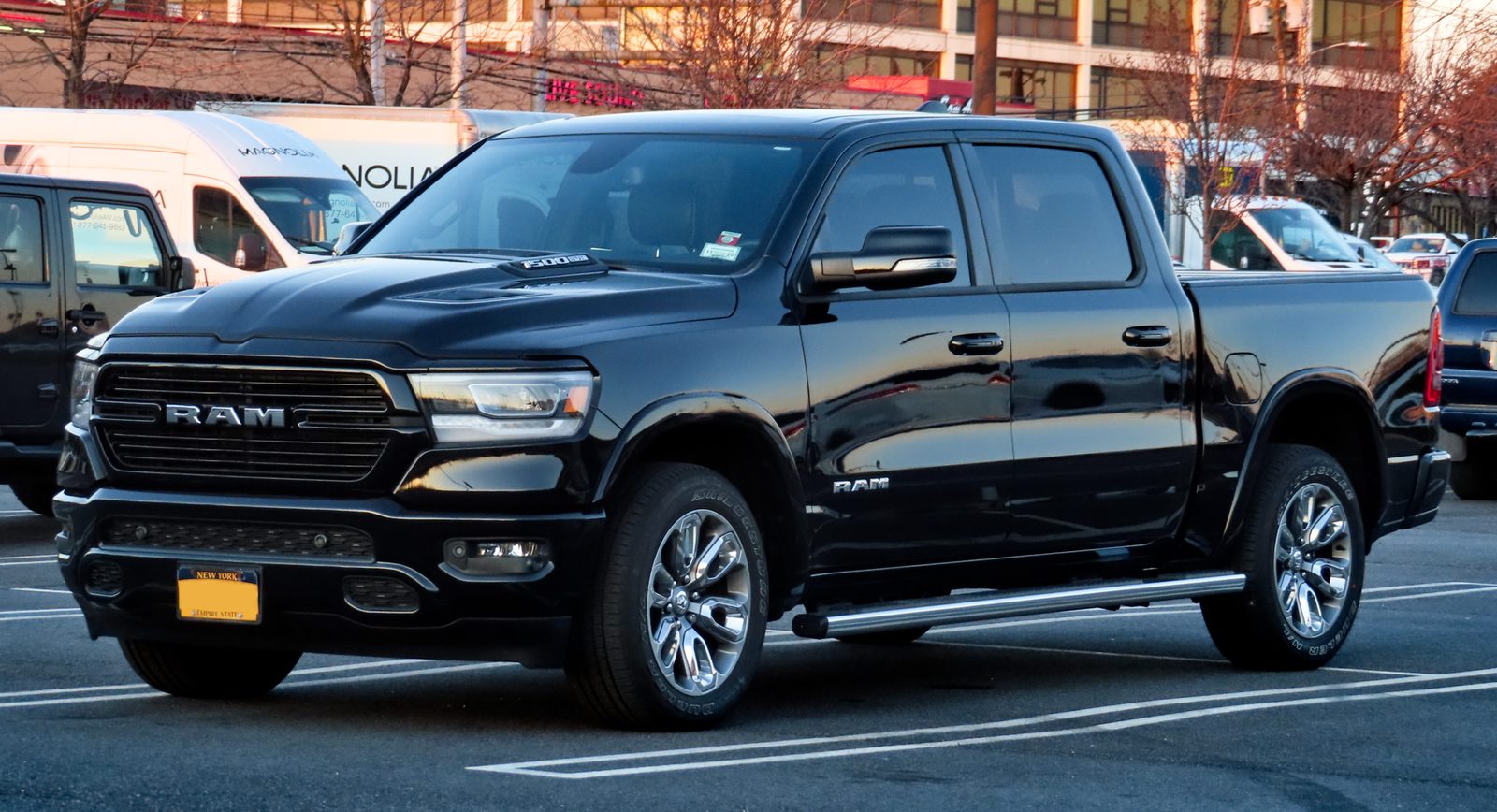
Eight model years of Ram's best-selling truck may have second-row buckle anchors that were never properly secured to the body. Until a dealer looks, Stellantis says move rear passengers to the far side.