
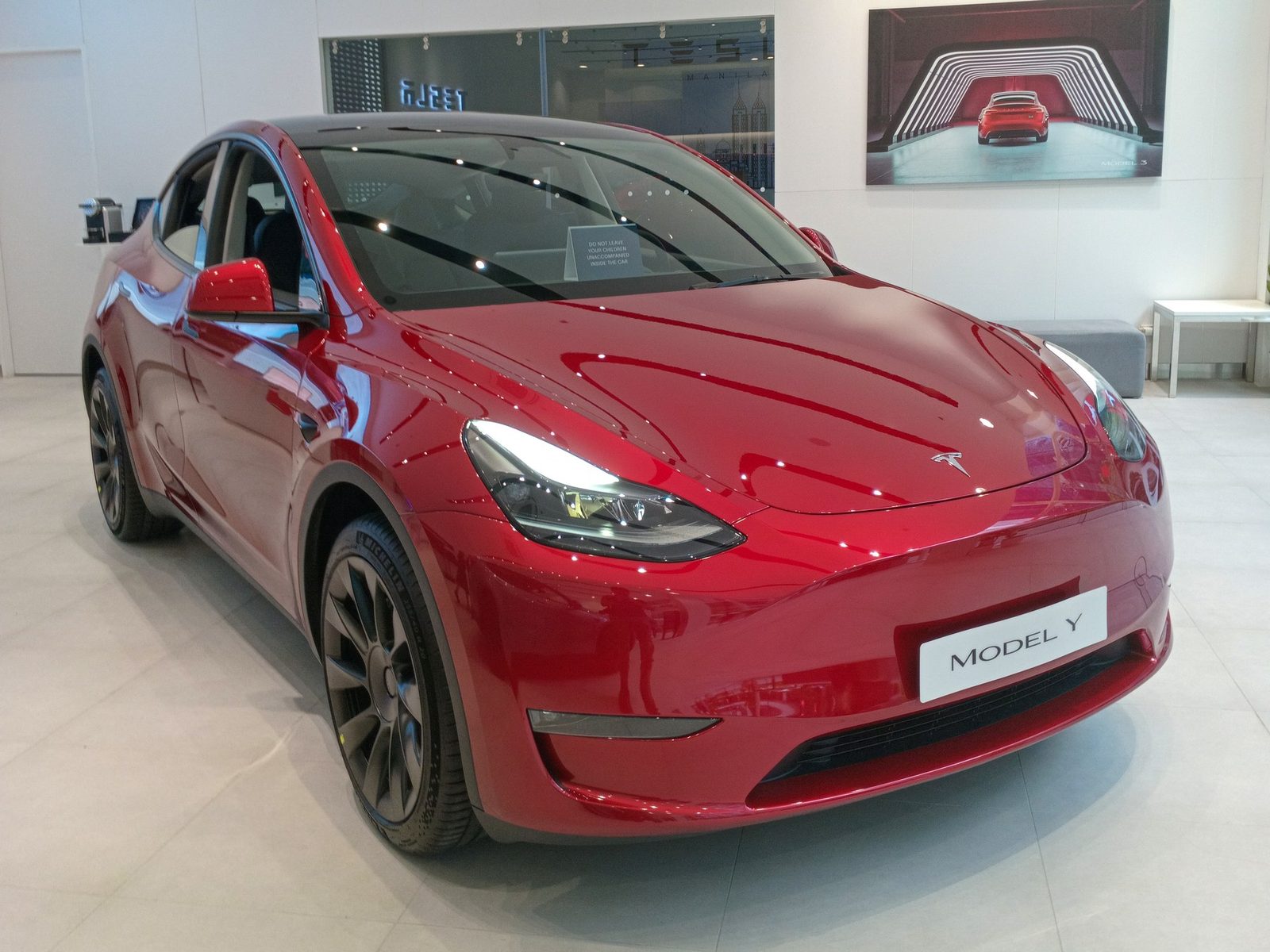
The EV Market Right Now: Global Records, a Cooling US, and a Tax Credit Hangover
Globally, electric cars have never sold faster. In the US, first-quarter 2026 sales fell 27% year over year — the clearest sign yet that the end of federal tax credits reset the market rather than ended it.
- US Q1 2026 EV sales
- 216,399 units
- US YoY change
- -27%
- US market share
- 5.8%
- Global 2025 EV sales
- ~20.7 million (+20% YoY)
- China EV share
- ~55% of new car sales
- Germany 2025 EV sales
- 850,000 (+50%)
Two very different EV stories are true at the same time right now, depending on which ocean you're looking across. Globally, electric car sales just had their strongest year yet — roughly 20.7 million sold in 2025, up about 20% from 2024, with 2026 on pace to push past 23 million and cross 28% of all new car sales worldwide. In the United States, EV sales fell 27% year over year in the first quarter of 2026 to 216,399 units, holding at just 5.8% of the new-vehicle market — well down from the 10.6% peak the segment hit in the third quarter of 2025.
That US drop isn't really a demand collapse so much as a hangover from a very specific event: the expiration of federal EV tax credits. Buyers pulled purchases forward to beat the deadline, which inflated Q3 2025 sales and left a hole behind it once the incentive disappeared. "The U.S. EV market has clearly entered a new phase," said Stephanie Valdez Streaty, director of insights at Cox Automotive, in the firm's Q1 2026 report. "The timeline has shifted, but the direction hasn't" — her read is that long-term EV growth now has to be earned through affordability and charging infrastructure rather than propped up by a subsidy.
The pain in that transition hasn't landed evenly. Most major automakers posted EV sales declines of 60% or worse in the quarter, but Cadillac, Lexus, Toyota, Rivian, and Lucid all grew year over year, and Tesla's Model Y alone accounted for roughly one in every three EVs sold in the country. New product is arriving from Rivian, Volvo, and BMW right as the incentive-driven froth clears out, which is part of why Cox frames this as a market reset rather than a market in retreat.
Overseas, the picture keeps getting stronger, and it's not just China anymore. Europe posted the strongest growth of any major EV market in 2025, with sales up more than 30% to 28% of total car sales, driven in part by tighter EU CO2 standards. Germany — Europe's largest EV market — grew 50% to a record 850,000 electric cars sold. China's EV growth cooled slightly after a temporary pause in its trade-in incentive program, but electric cars still made up nearly 55% of every new car sold there, a share the US isn't within striking distance of matching any time soon.
Put together, the numbers argue against either of the two loudest takes on EVs right now — that the transition is unstoppable, or that it's stalling out. It's neither. It's regional, it's policy-sensitive, and in the US specifically, the industry just got a hard lesson in how much of its recent growth was demand pulled forward by a credit rather than demand that was going to show up anyway.
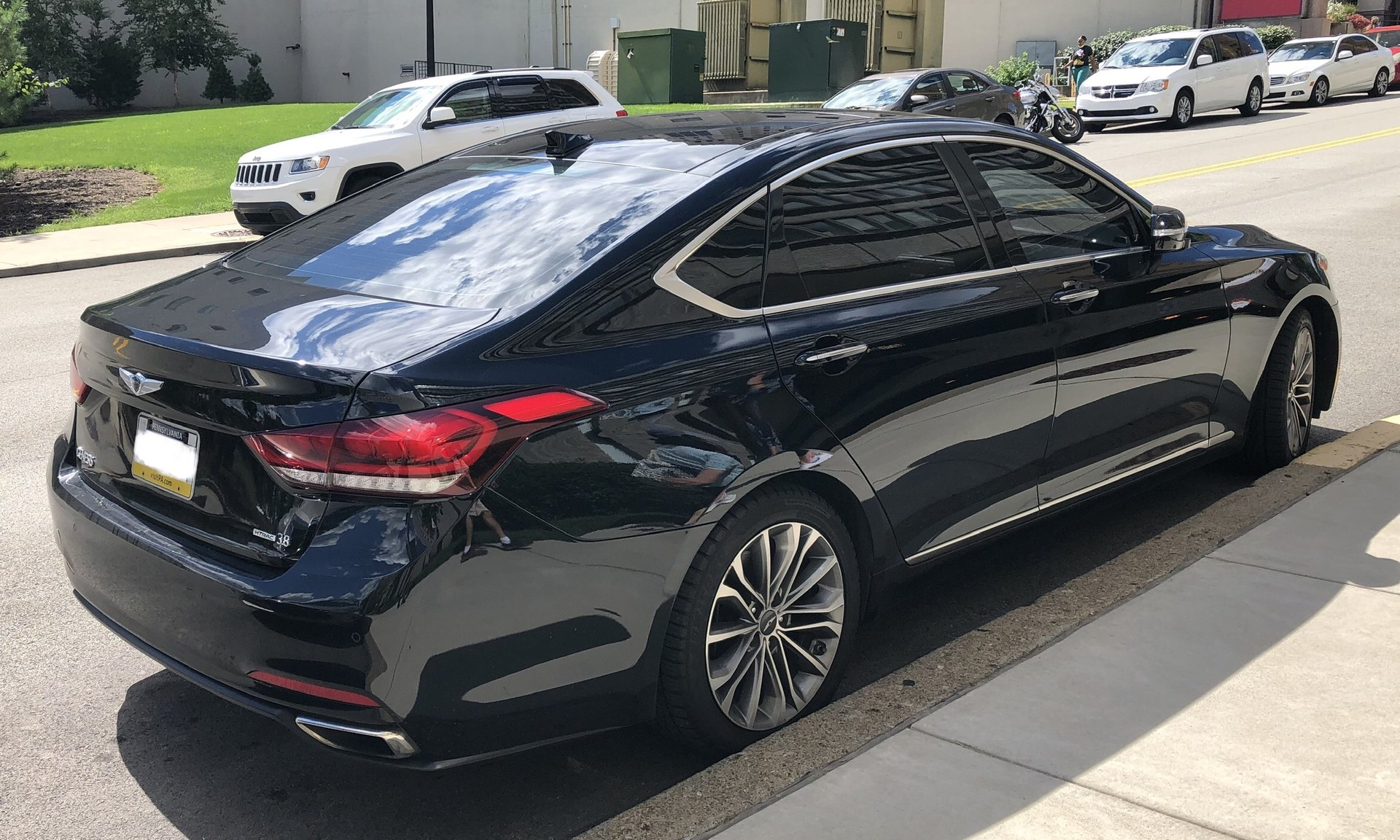
Hyundai Recalls 94,622 Genesis Sedans Over a Seat Switch That Can Get Stuck On
A knock to the power seat switch can leave the adjustment motor running after everyone has got out of the car. Hyundai first heard about it on the last day of 2021. The recall was filed on 8 October 2026, and the fix has not been designed yet.
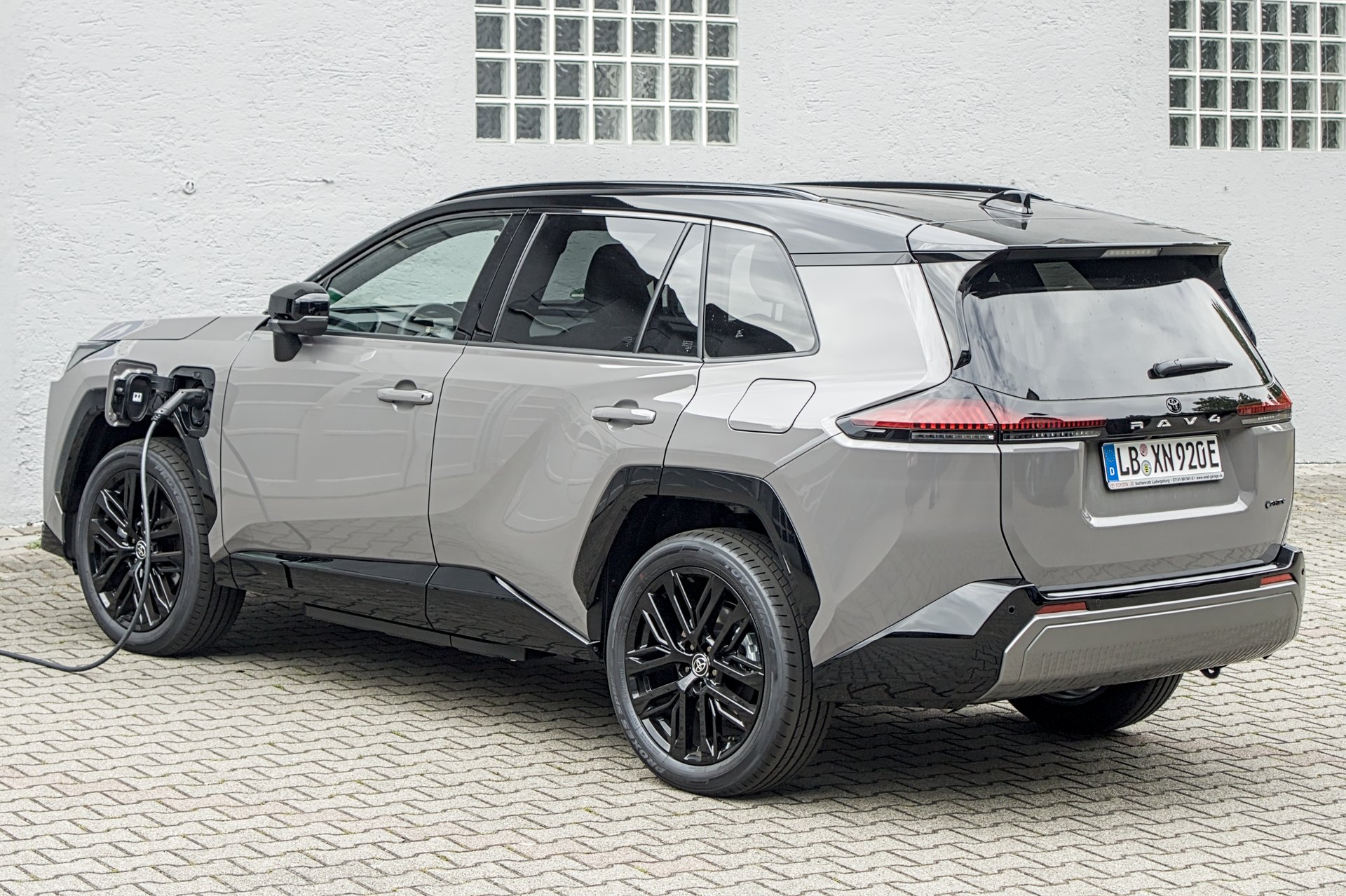
Toyota Recalls 30,978 RAV4 Plug-In Hybrids Over a Motor That Never Finishes Waking Up
A fault in the motor generator ECU's startup routine can leave the high-speed control mode unavailable. Nothing happens at first. The consequence arrives later, at speed, as a limp-home mode or a complete hybrid shutdown.

265,512 Ram ProMasters Can Lose Power Steering Because Water Gets Into the Harness
NHTSA campaign 26V621 covers four model lines across five model years, including the electric 3500. FCA's own filing puts the defect rate at 7.7 percent and logs 2,799 warranty claims. Repairs are "fourth quarter."