
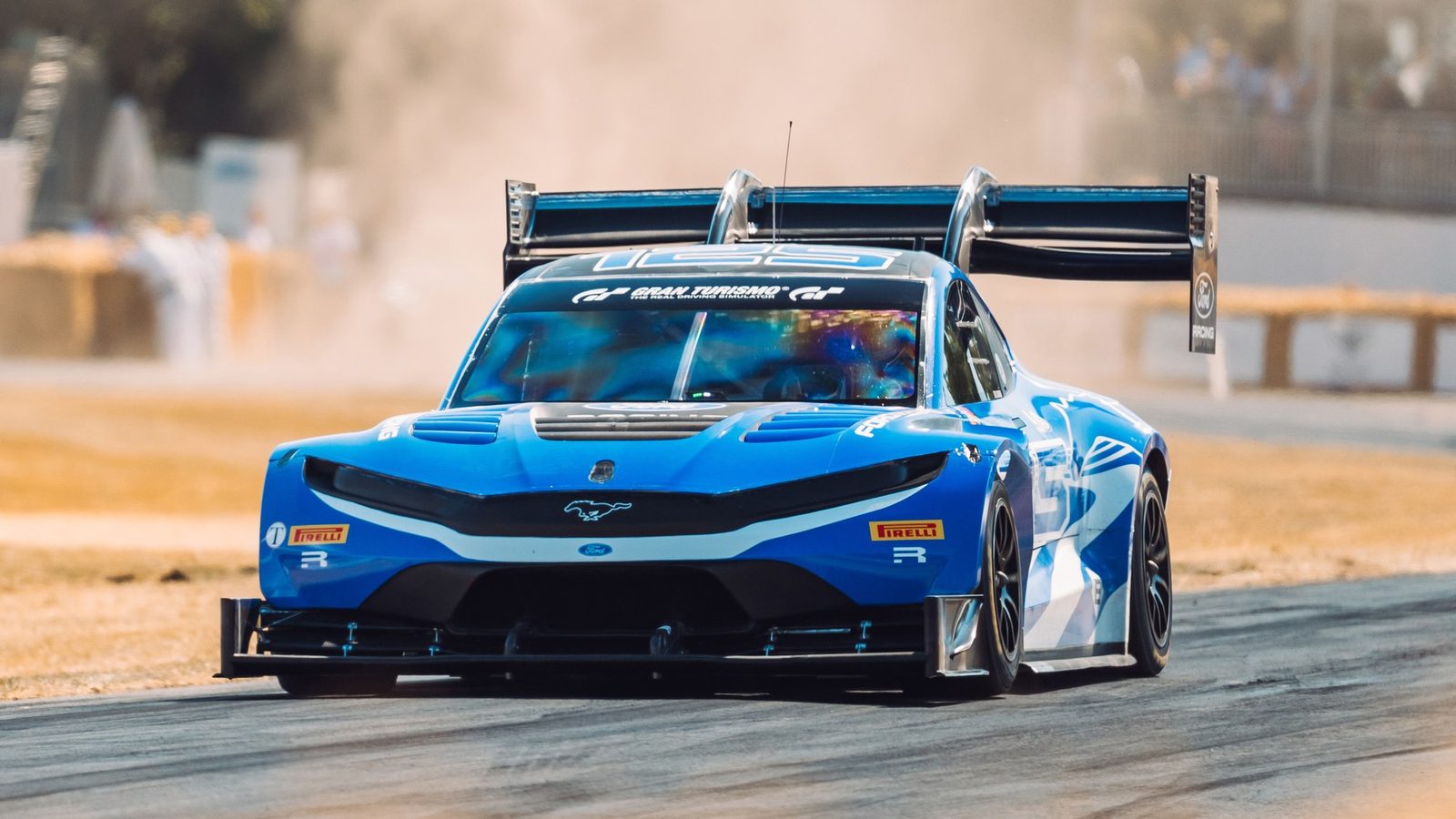
Goodwood 2026 Recap: An All-Electric Shootout Podium, and Adrian Newey Drove the Car He Designed for the Team He Left
The 33rd Festival of Speed ran under a 'Rivals' theme, and the closing Sunday Shootout delivered one of its own — a battery-powered Mustang beating a Formula E prototype to the line, with the fastest combustion car more than three and a half seconds back.
The 33rd Goodwood Festival of Speed ran Thursday through Sunday, July 9–12, at the Duke of Richmond's West Sussex estate, built this year around a theme of 'Rivals' — the duels, on track and between manufacturers, that have defined motorsport history. Fittingly, the event's own closing act turned into one of its best rivalries in years.
The Sunday Timed Shootout — Goodwood's traditional finale, where the fastest cars from the weekend take one last run at the hill — came down to Romain Dumas in a Ford Super Mustang Mach-E against Dan Ticktum in a prototype Gen4 Formula E car. Dumas got there first, dipping under the 42-second mark with a 41.98-second run for his fifth career Shootout win and Ford's third consecutive Shootout victory — each one, notably, in a different car. Ticktum's Formula E prototype took second, meaning the top two Shootout positions both went to electric machinery for the first time in the event's history. Third place, and the fastest internal-combustion car of the day, went to Alex Summers in a Shadow-Chevrolet DN4 Can-Am car, more than three and a half seconds off Dumas's pace.
None of that touched the outright hillclimb record, which has stood since 2022: Max Chilton's 39.081-second run in the electric McMurtry Spéirling fan car. McMurtry returned in 2025 hoping to reclaim its own record and came up short at 40.056 seconds — the mark has now stood for four consecutive festivals.
The weekend's other headline belonged to a car that wasn't racing anyone. Red Bull brought its RB17 hypercar — a track-only, Adrian Newey-designed machine built around a naturally aspirated Cosworth V10 hybrid powertrain, weighing under 900kg and targeting more than 1,200bhp and a top speed beyond 350km/h — for its first public dynamic running. Only 50 will be built, at a reported £5 million each. Newey himself, who left Red Bull in 2024 after 19 years running its technical department and now serves as team principal and managing technical partner at Aston Martin, drove it up the hill alongside current Red Bull drivers Isack Hadjar and Yuki Tsunoda and Red Bull Racing Academy driver Alisha Palmowski — the man who designed the car making a brief return to pilot it for the team he no longer works for.
Damon Hill supplied the weekend's history lesson, running two genuine pieces of Williams F1 heritage up the hill: the FW11 chassis 02 that Nigel Mansell drove to three grand prix wins in 1986, and on Sunday the FW18 championship car — the chassis that took five pole positions and four wins before becoming the team's spare car in late 1996 — shared with current Williams team principal James Vowles.
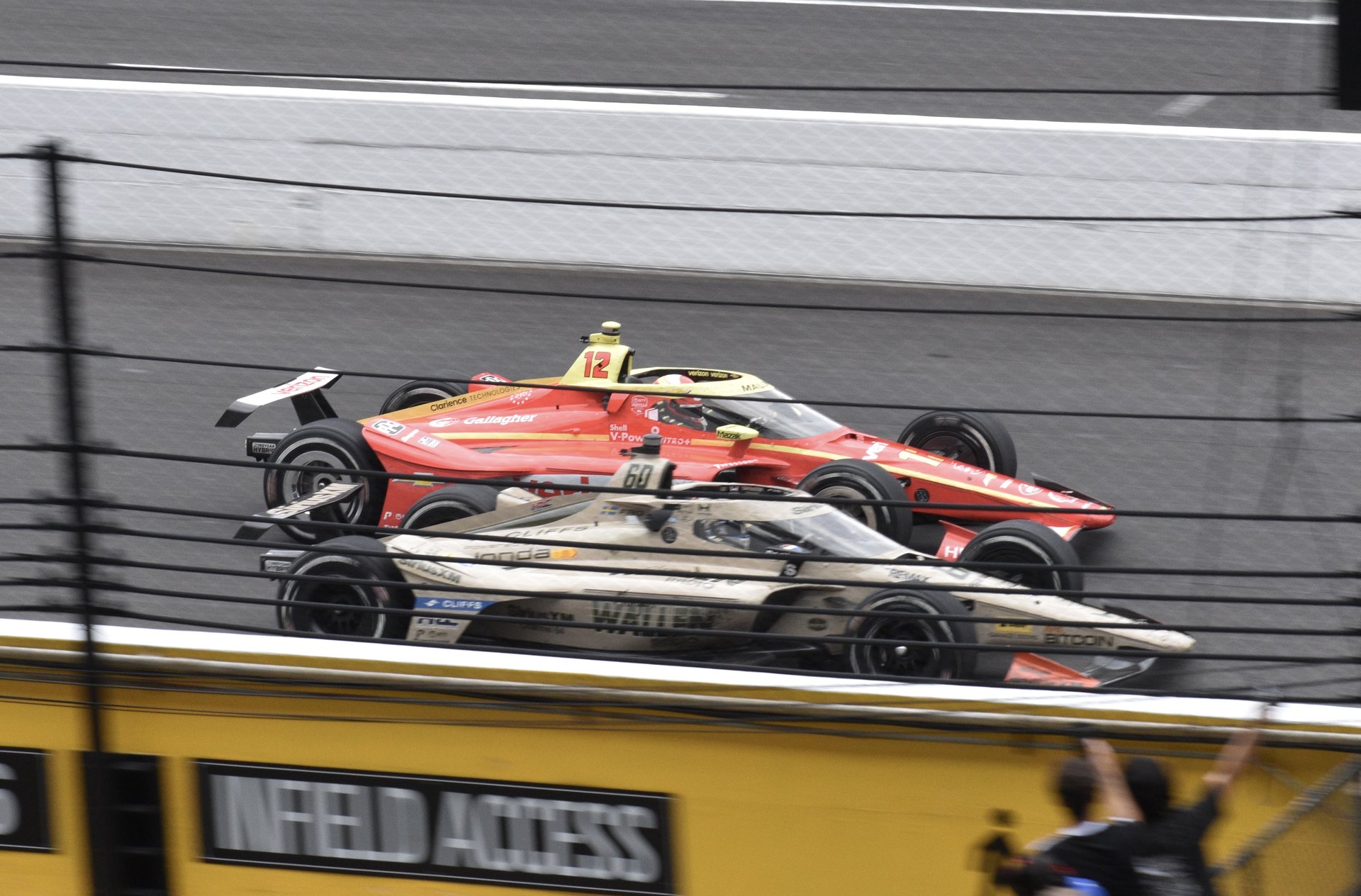
Portland Reopened IndyCar's Oldest Argument: What a Lapped Car Owes the Leader
Felix Rosenqvist and Will Power came off the podium asking for a real blue-flag rule. Alex Palou, who won the race, and his strategist made the case that the rule is fine as long as everyone lives under the same one.
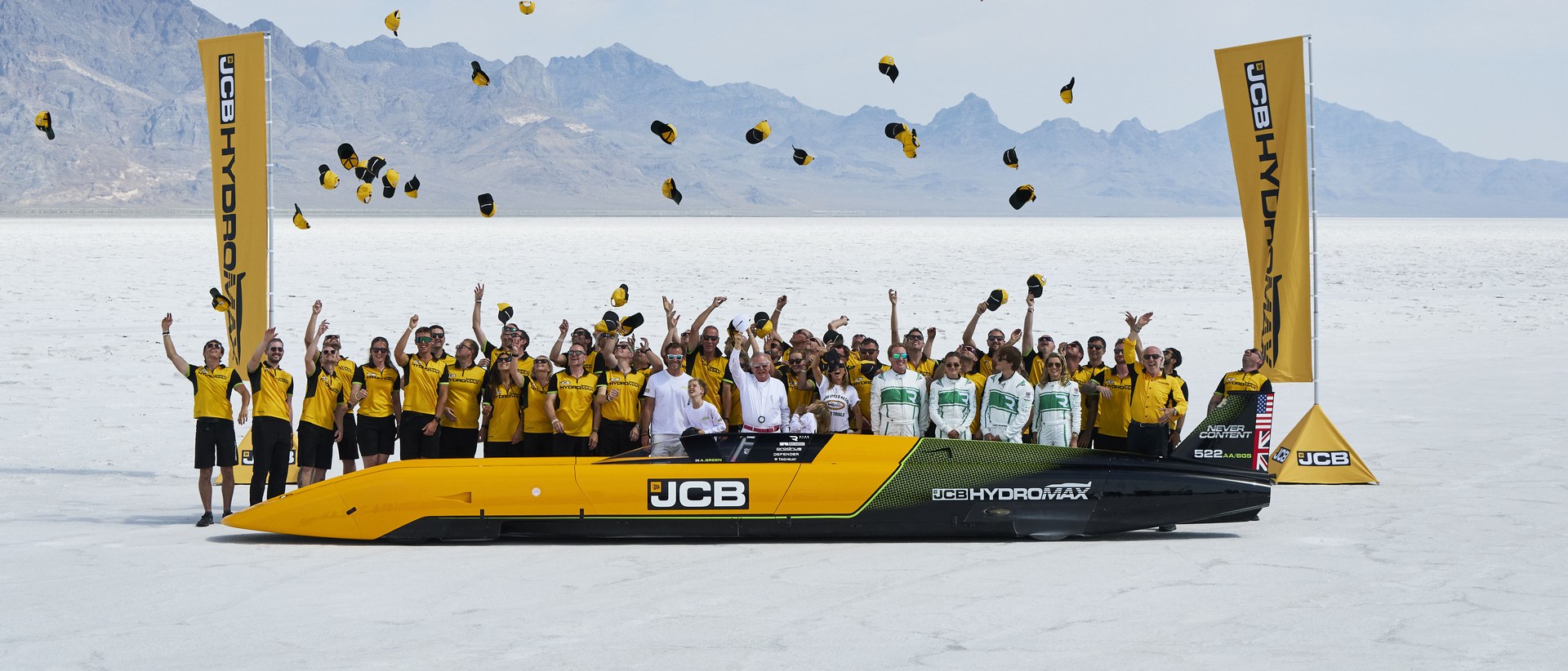
Two Digger Engines and 406 MPH: Andy Green Has a Third Record
The JCB Hydromax averaged 406.320 mph at Bonneville on a pair of hydrogen-burning excavator engines, more than doubling a hydrogen combustion mark that had stood since 2004.
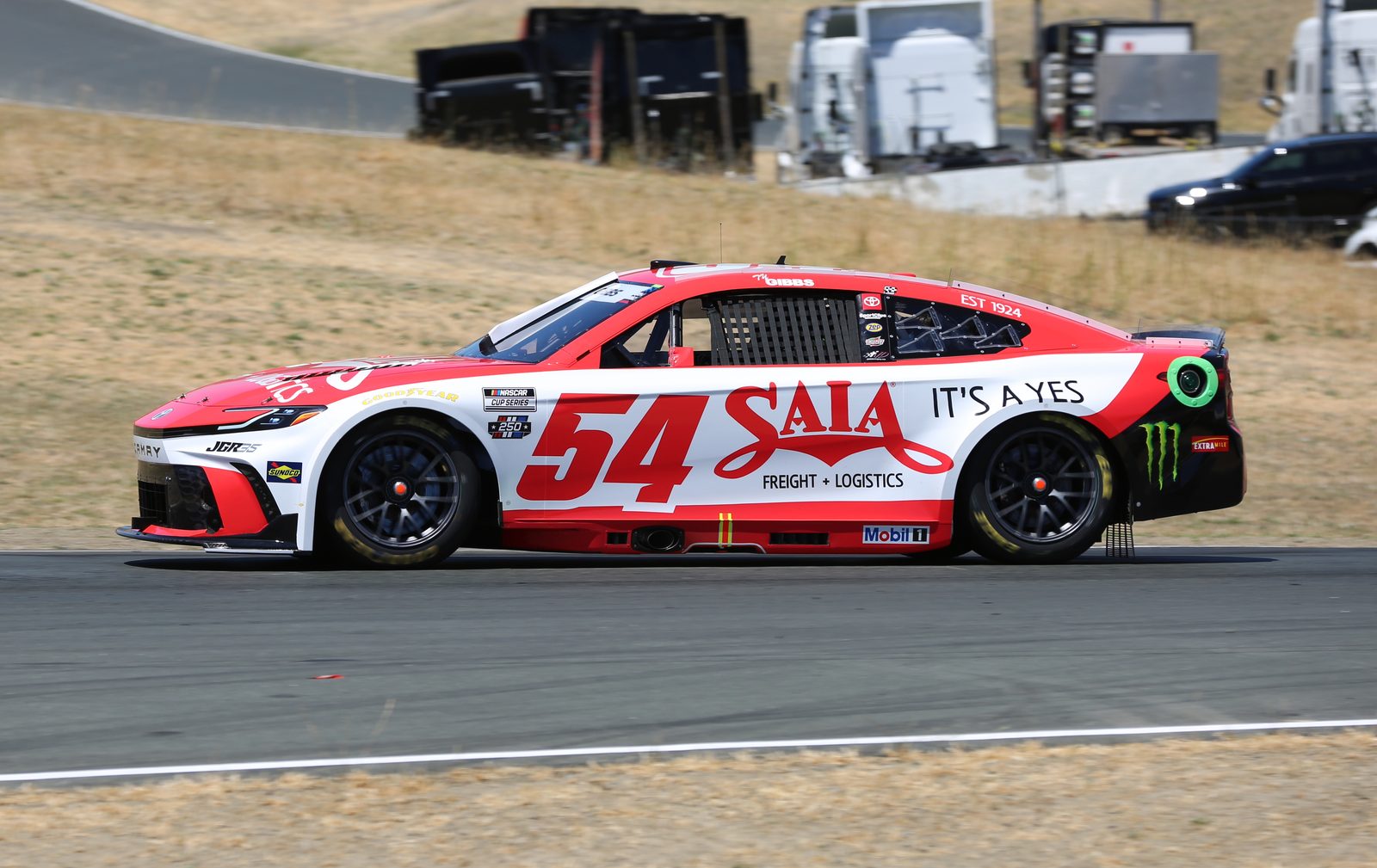
Ty Gibbs Waited 131 Starts for a First Cup Win. The Second One Took Four Months.
At Iowa, Gibbs took the final stage and held off Joe Gibbs Racing teammate Christopher Bell, turning a career that had produced nothing into two wins in one season.