
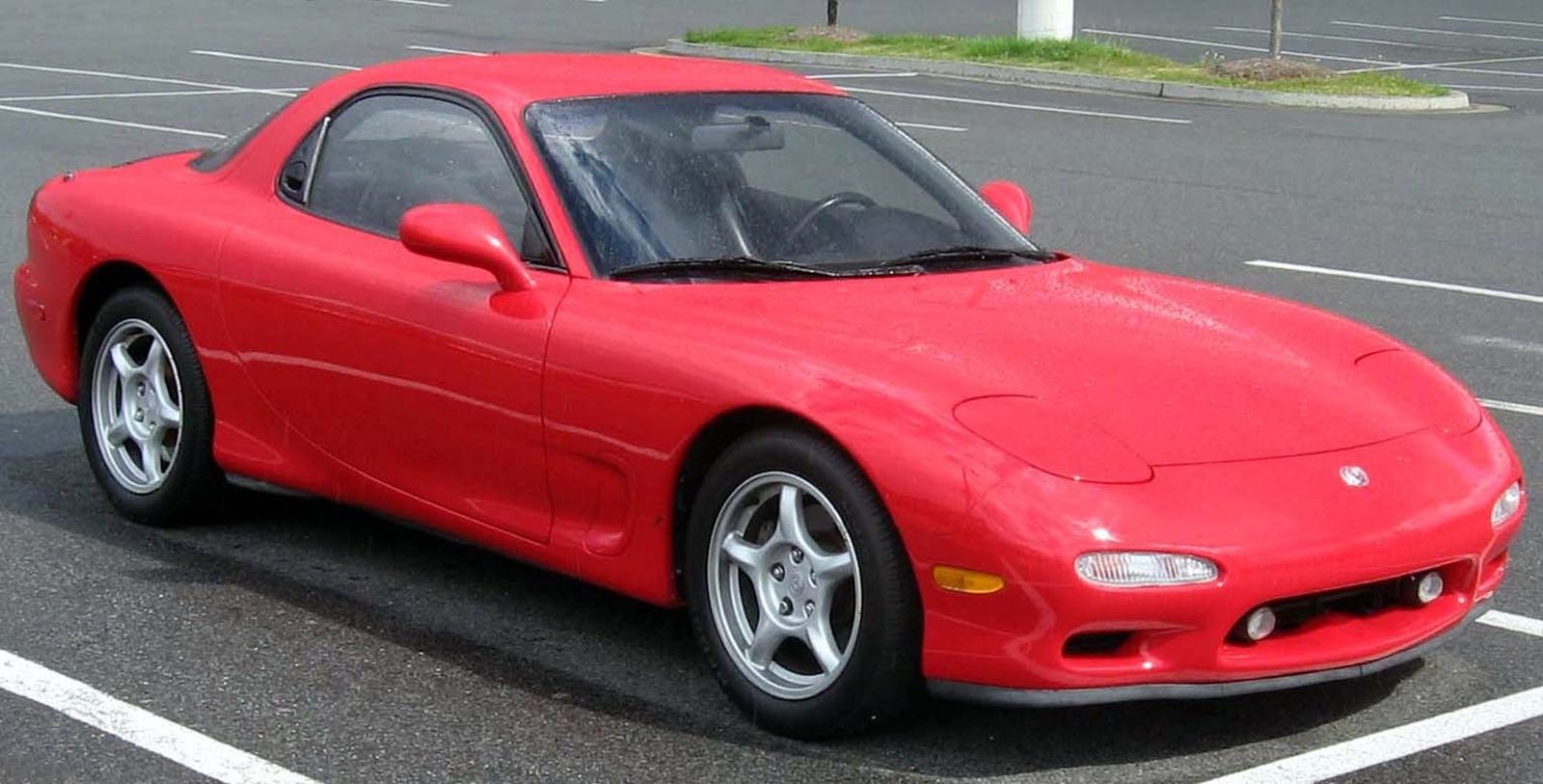
How the Wankel Rotary Actually Works: The Engine With No Pistons
No pistons, no valves in the traditional sense, and a spinning triangle instead of anything that moves up and down. Here's the actual mechanical case for — and against — Mazda's signature engine.
Most engine explainers start with pistons moving up and down. A Wankel rotary engine doesn't have any — instead, a triangular rotor spins inside an egg-shaped housing technically called an epitrochoid. As the rotor's three curved faces sweep around that housing, each face carves out a chamber whose volume constantly expands and contracts, doing the job a piston's up-and-down stroke does in a conventional engine.
One face is pulling in a fresh air-fuel charge while another is compressing, another is firing, and the fourth is pushing exhaust out — all at once, all on the same rotor.
That single rotor performs all four strokes of a combustion cycle — intake, compression, combustion, exhaust — at the same time, just in different pockets of the housing at any given moment. One face is pulling in a fresh air-fuel charge while another is compressing, another is firing, and the fourth is pushing spent exhaust out, all happening at once, all on the same rotor, in a continuous loop rather than a stop-start piston stroke.
The rotor doesn't spin at the same speed as the output shaft, either. An internal gear on the rotor rides around a fixed gear on the engine's eccentric shaft at a 3:1 ratio — the rotor turns once for every three times the shaft turns. Work that out and it lands on one power event per shaft revolution per rotor, the same power-stroke frequency as a four-stroke piston engine, but from a mechanism with a fraction of the moving parts: no valves, no camshaft, no connecting rods.
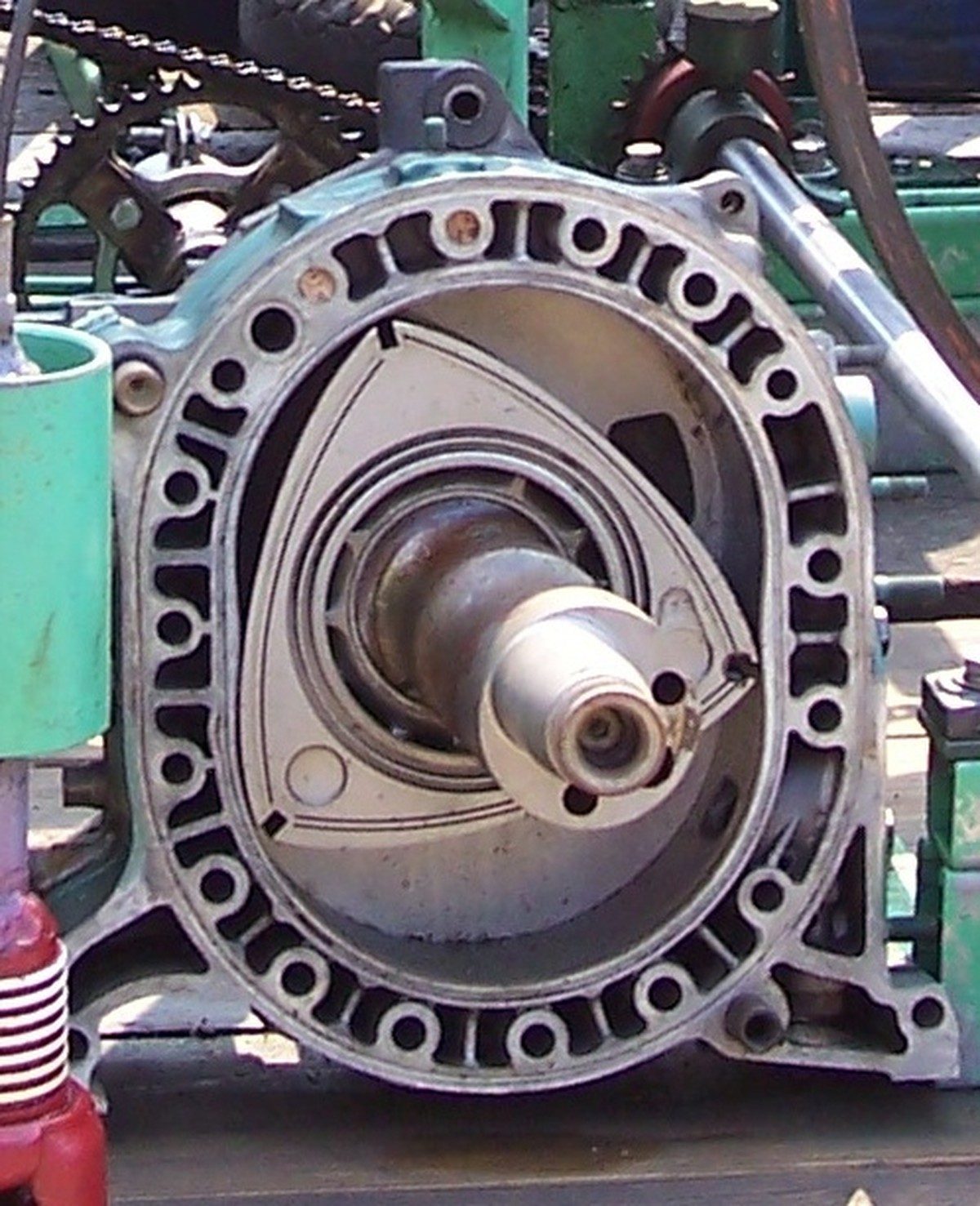
Mazda spent years wrestling with the design's real weakness: the apex seals that ride along each of the rotor's three corners, sealing each chamber as it spins. Early seals wore fast and let compression leak past. The 12A, produced from 1970 to 1985, eventually settled on aluminum/carbon apex seals; the 13B that followed — the engine most associated with the RX-7 — carried the same basic layout for over three decades, with the turbocharged 13B-REW using hardened seals to survive the extra heat and pressure of boost.
None of that engineering effort erases the tradeoff at the center of the design: a rotary makes real power from a genuinely tiny displacement and revs with none of a piston engine's reciprocating vibration, but it burns more fuel and oil doing it, and it lives or dies by how well those apex seals are maintained. That's the entire rotary argument in one sentence — and it's also, more or less, the reason the engine still has a cult following instead of a broad one.
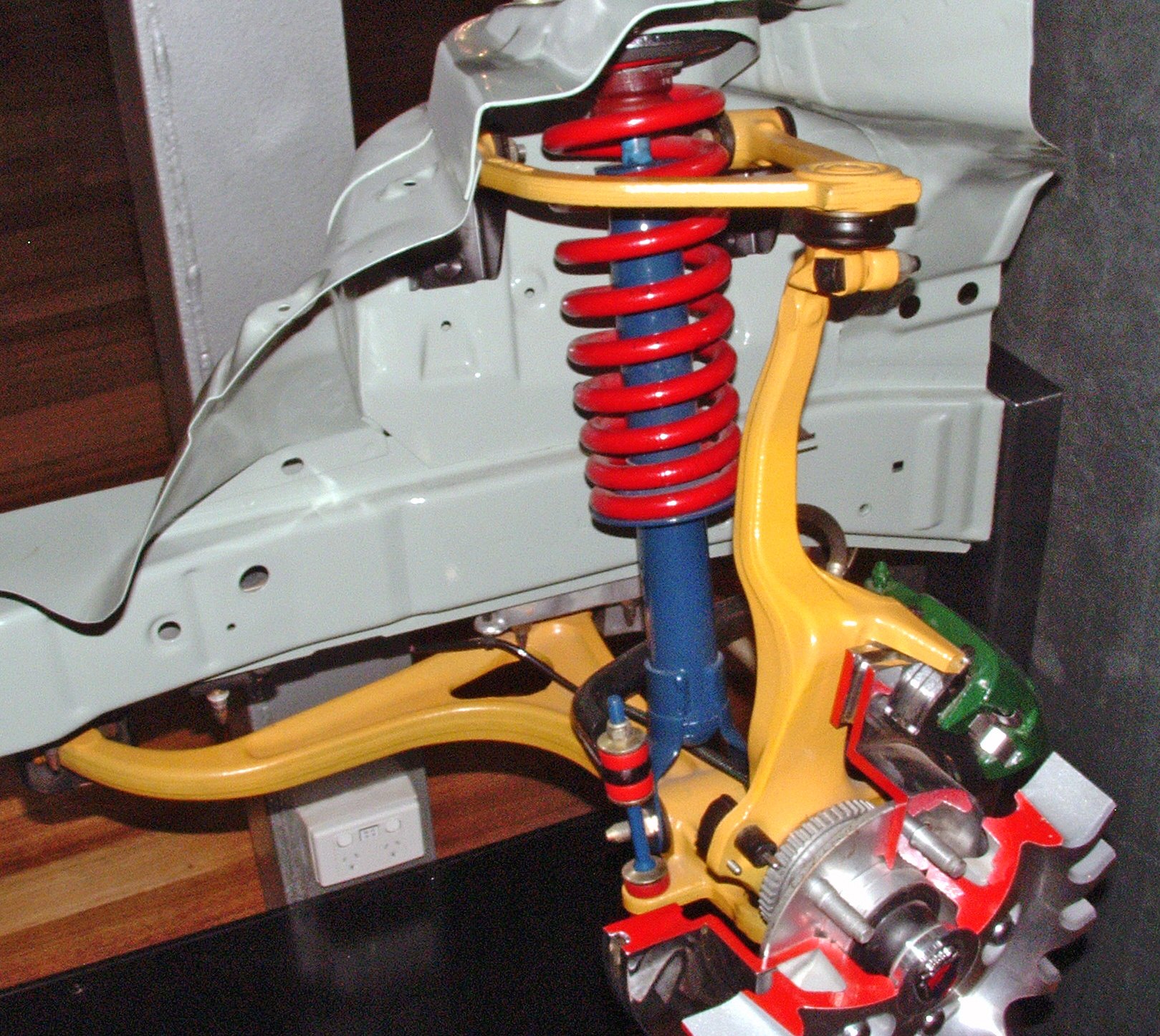
MacPherson Strut vs. Double Wishbone: Why the Cheaper One Won, and What It Actually Costs
One layout hangs the wheel off a single telescopic leg. The other locates it with two arms and leaves the engineer free to choose how the camber behaves. Almost every car you can buy uses the first, and Porsche spent a whole GT3 generation going the other way.
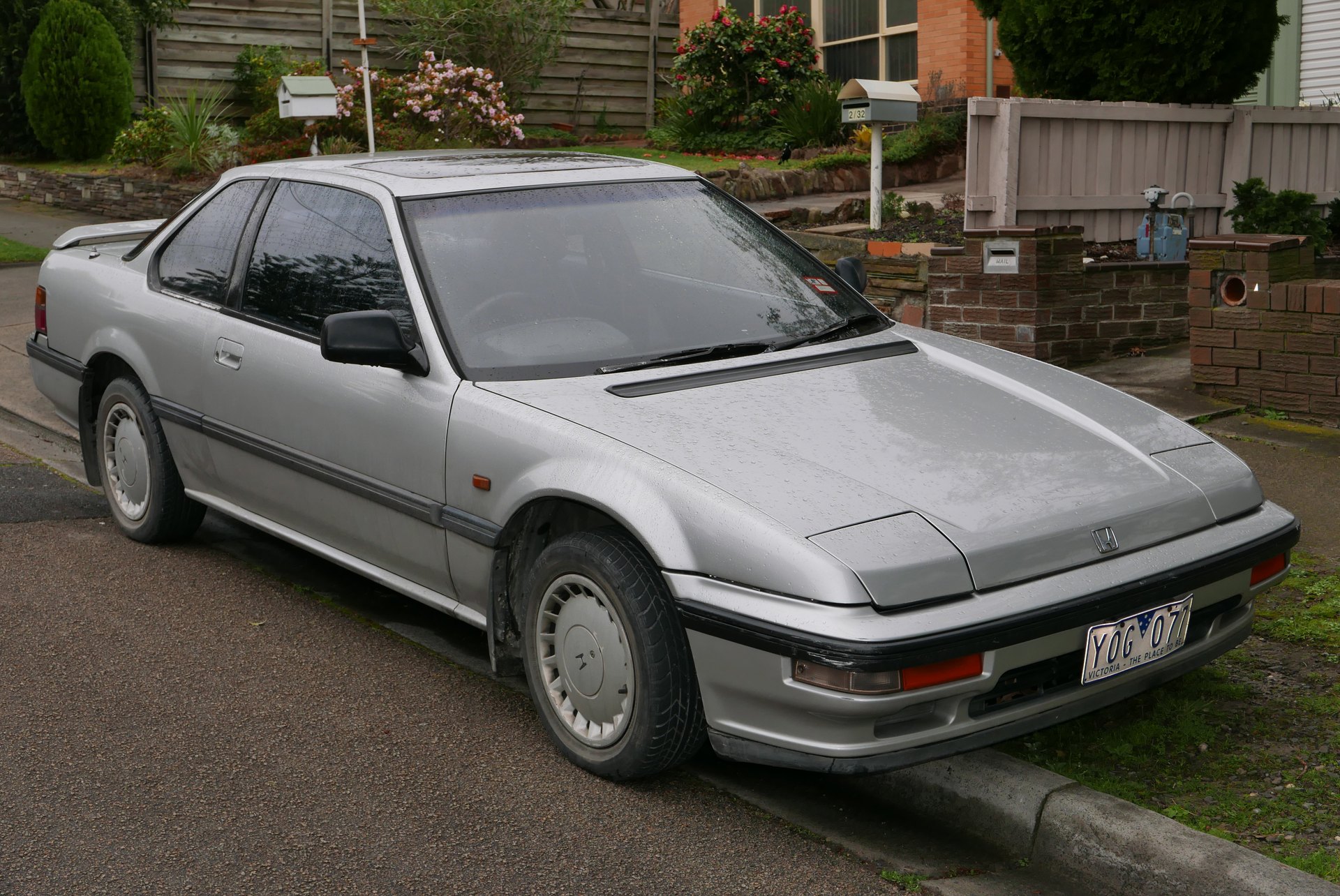
Four-Wheel Steering: Honda Did It in 1987 With a Shaft and a Gear Set, No Computer Involved
Turn the rear wheels the wrong way and a car gets tighter. Turn them the right way and it gets steadier. The hard part has always been knowing which one the driver wants — and Japan answered that question three different ways before anyone else shipped it.
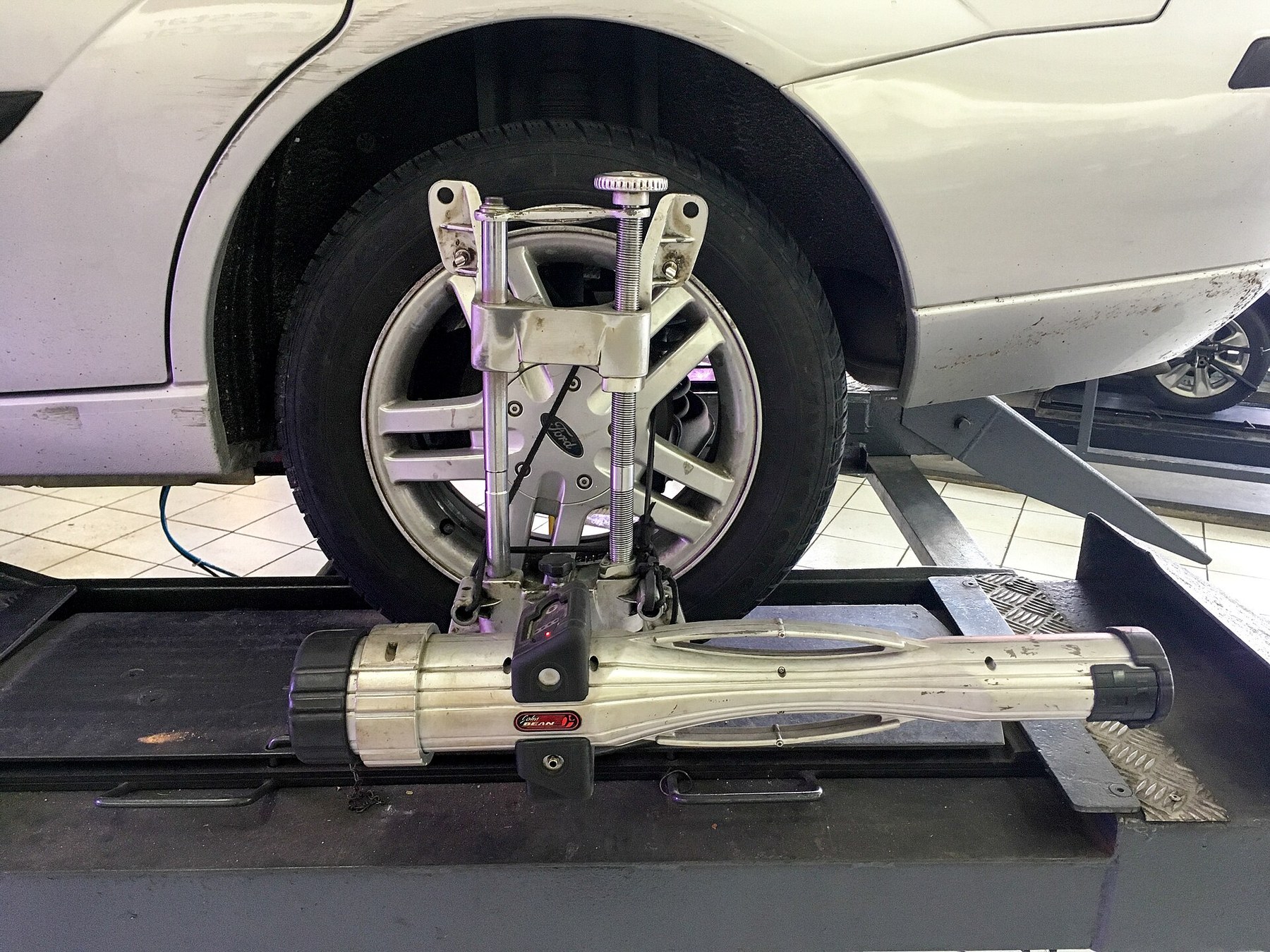
Camber, Caster and Toe: What an Alignment Actually Changes
Three angles, three completely different jobs. One of them eats tyres, one of them decides how the steering feels in your hands, and one of them is mostly invisible until the car starts pulling.