
Portland Reopened IndyCar's Oldest Argument: What a Lapped Car Owes the Leader
Felix Rosenqvist and Will Power came off the podium asking for a real blue-flag rule. Alex Palou, who won the race, and his strategist made the case that the rule is fine as long as everyone lives under the same one.
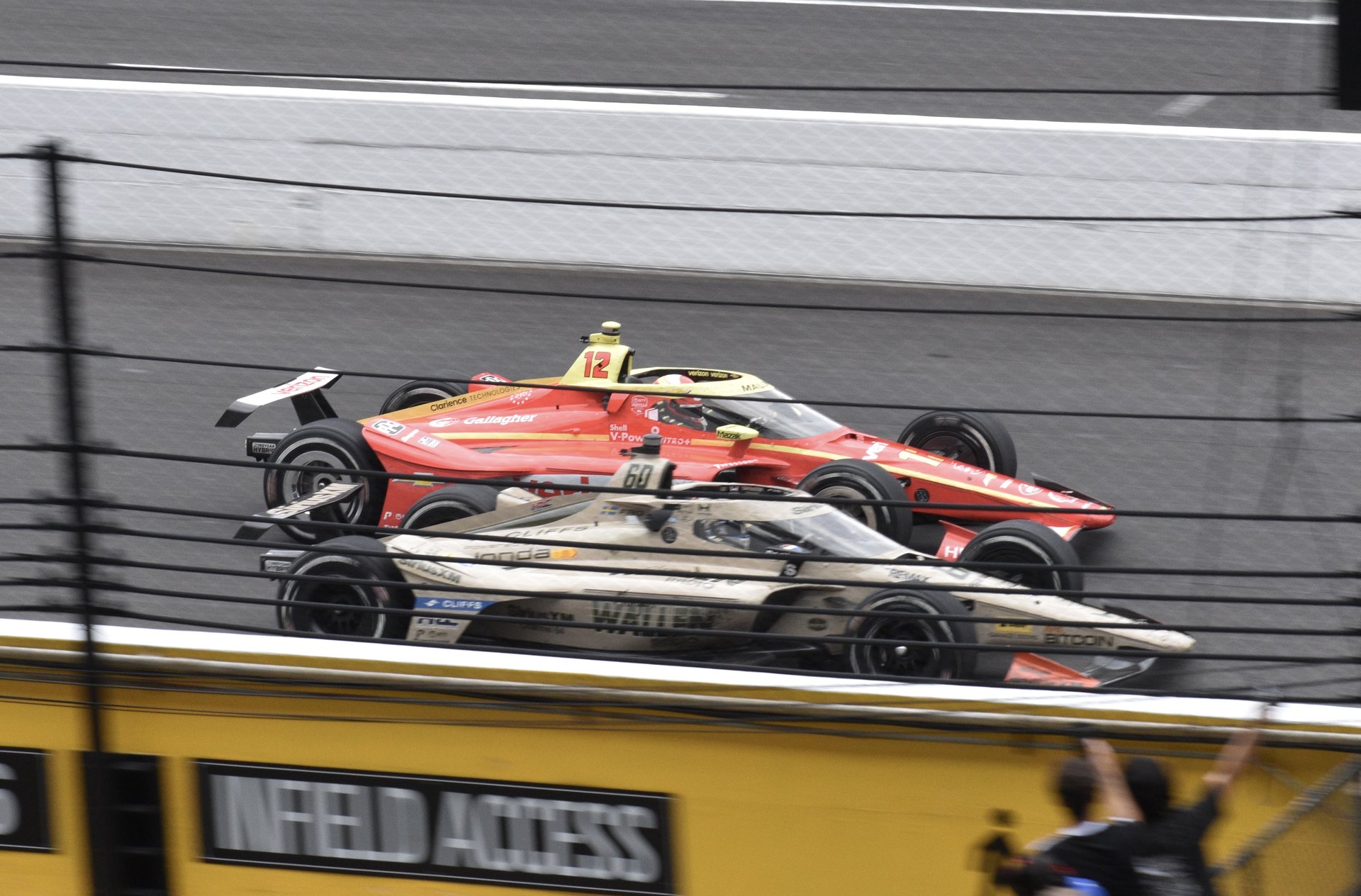
Alex Palou led most of the 110 laps at Portland International Raceway on August 9 and won the OnlyBulls Grand Prix of Portland, his sixth win of the season, taking the lead in the first pit cycle on lap 38 and never handing it back. Felix Rosenqvist finished second for Meyer Shank Racing, Will Power third for Team Penske. Both of them spent the rest of the afternoon talking about the cars they had to get past rather than the one they could not catch.
The rule at the center of it is old and simple. In IndyCar, the blue flag is informational. It tells a driver being lapped that faster traffic is coming; it does not require that driver to move over, lift, or yield the line. In FIA-governed championships, the blue flag is an instruction with penalties attached. IndyCar has never adopted that, and the reason usually given is that a car a lap down is still racing — for position with others on its own lap, and for the lead lap itself if a caution comes.
Rosenqvist's objection was about the lottery of it rather than any single incident. His argument, as he put it to reporters afterward, is that traffic can hand you three seconds one time and take three seconds off you the next, which makes it a variable nobody is racing against fairly. He described the situation as making the series look bad, and said the underlying regulation had gone essentially untouched since the 1970s. He also did not sound like a man expecting anything to change.
Power lost close to three seconds to Sting Ray Robb, who ran side by side with him into Turn 10 while a lap down, and his frustration was compounded by a miscommunication on his own pit radio. He agreed with the 1970s framing and said the answer, if the series would not act, might be for the drivers to sort it out among themselves with a gentlemen's agreement. Robb finished 22nd; Louis Foster, the other backmarker named in the complaints, finished 15th in a 25-car field.
The counterargument came from the winning side of the garage, and it is not a throwaway one. Barry Wanser, Palou's strategist at Chip Ganassi Racing, made the point that a driver fighting to stay on the lead lap has a legitimate reason to be exactly where he is and a right to defend it. That is not a technicality — the lead lap is the difference between a race you can still win and a race you are finishing.
Palou's own position was narrower and, in a sense, harder to argue with: as long as the rule is applied consistently, it is the same rule for everybody. He pointed to a previous Portland race in which traffic worked in his favor, letting him close something like ten seconds on the cars ahead. Over a season, his implication was, the variance evens out, and the driver complaining about backmarkers in August was probably helped by them in May.
Both sides are describing the same thing and disagreeing about whether it counts as a flaw. To Rosenqvist and Power, traffic that arrives at random is noise contaminating a result that should be decided by car and driver. To Palou and Wanser, traffic is part of the race, the same as tire deg and yellow-flag timing, and the fix — telling a competitor to get out of the way — takes something real away from the twenty-odd drivers who are not fighting for the win.
It is worth noting what a blue-flag rule would actually mean in this series. IndyCar fields are large relative to the length of most of its road and street circuits, the pace spread between the front and the back of the grid is narrower than in most championships, and a car being lapped at Portland or Long Beach is frequently in a scrap of its own at the moment the leader arrives. Enforcement would not be a matter of waving a flag; it would be race control making judgment calls, in traffic, at speed, several times a lap.
Nothing has been announced. The series has not said the procedure is under review, and both drivers who raised it said out loud that they expect the same conversation next year. The championship, meanwhile, is not waiting on it: Palou left Portland with a lead measured in three figures over Kyle Kirkwood, and the argument about lapped cars will keep going with or without a rule change.
Two Digger Engines and 406 MPH: Andy Green Has a Third Record
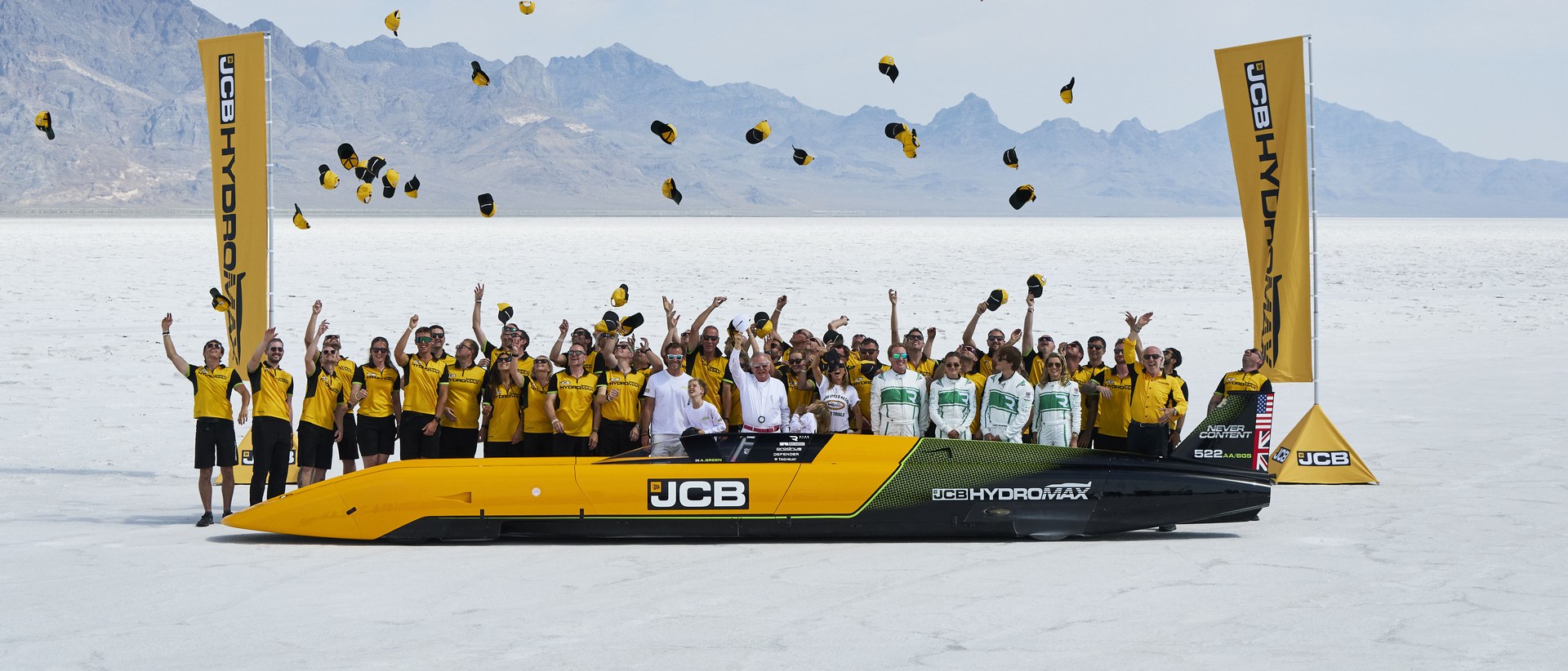
The JCB Hydromax averaged 406.320 mph at Bonneville on a pair of hydrogen-burning excavator engines, more than doubling a hydrogen combustion mark that had stood since 2004.
Ty Gibbs Waited 131 Starts for a First Cup Win. The Second One Took Four Months.
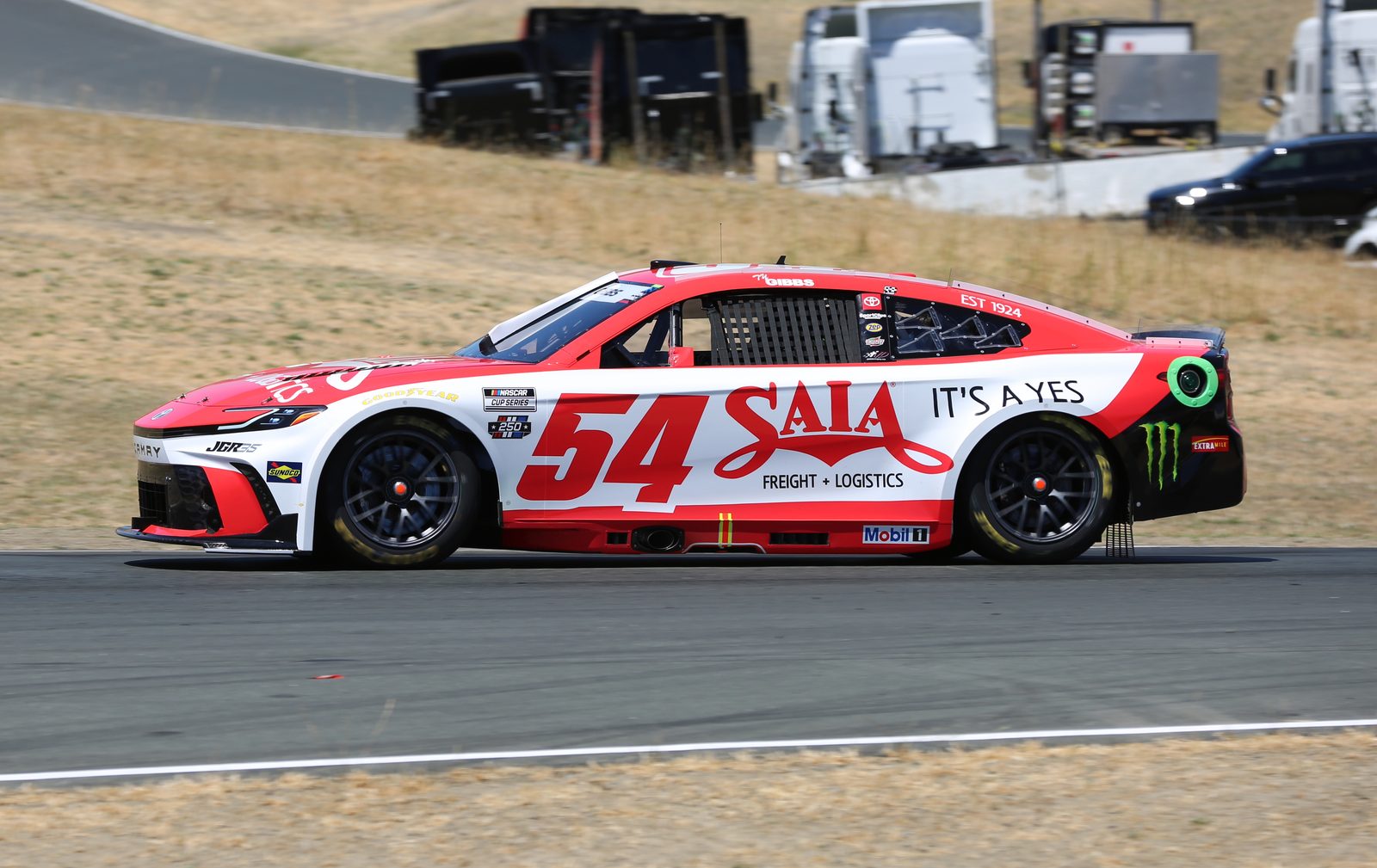
At Iowa, Gibbs took the final stage and held off Joe Gibbs Racing teammate Christopher Bell, turning a career that had produced nothing into two wins in one season.
Bearman Says Hamilton's Ferrari Revival Complicates His Own Title Dream
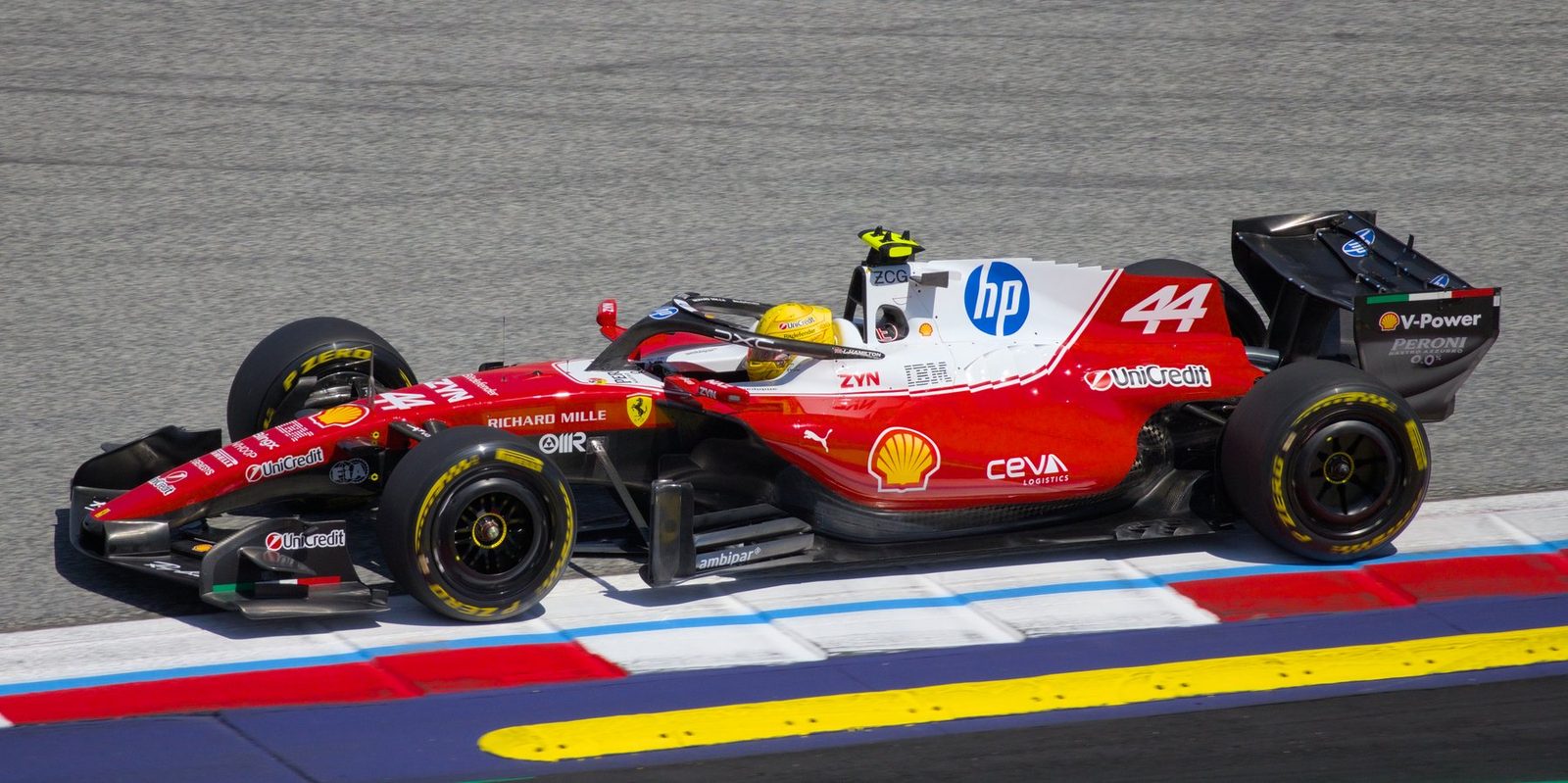
The Haas driver says he is in no rush for a Maranello seat, but admits Lewis Hamilton's turnaround season has changed the picture for any young Briton hoping to wear red.