
IndyCar Is Replacing Its 14-Year-Old Chassis. Matt Damon Made the Announcement.
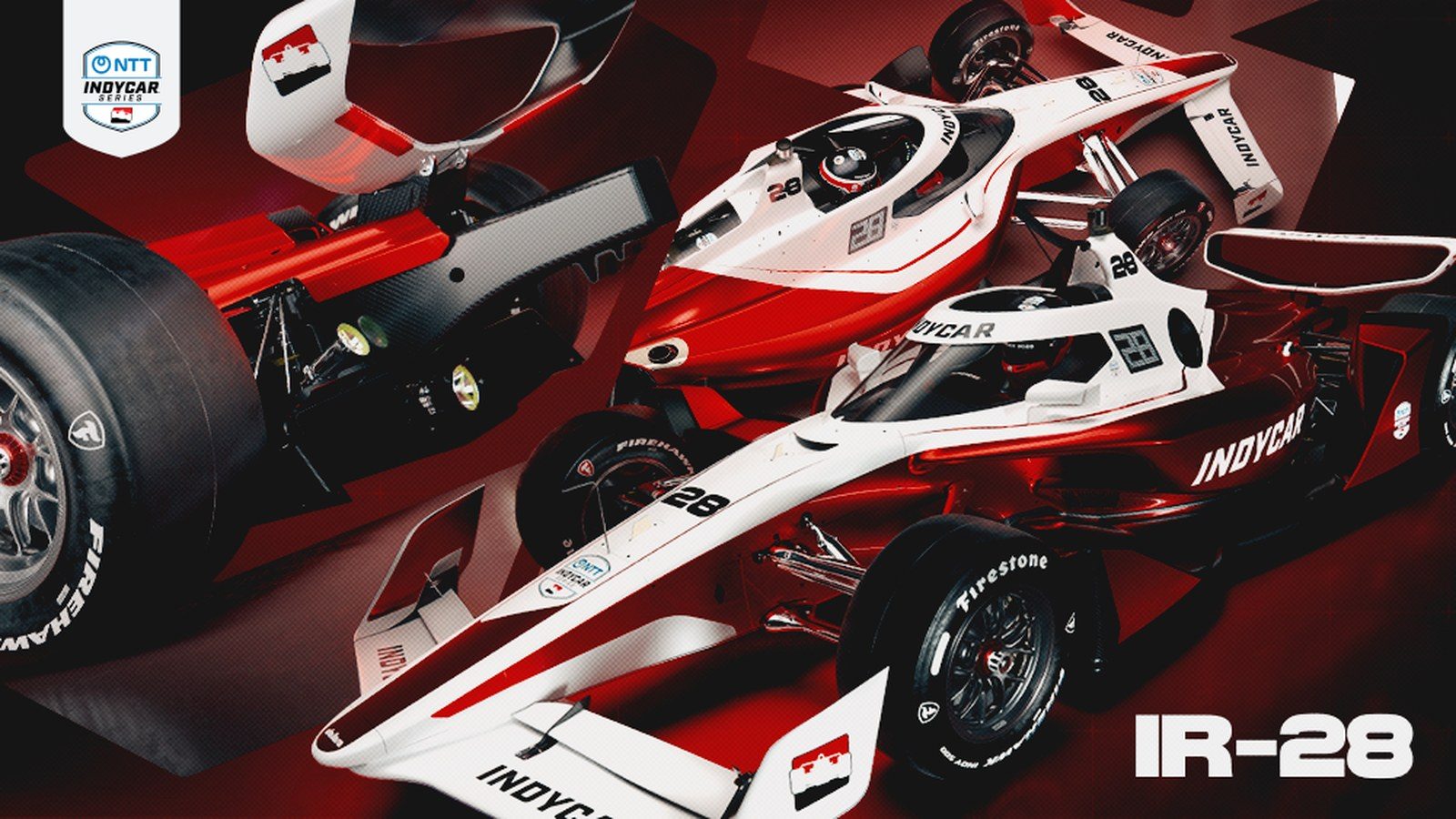
The Dallara IR-28 — about 100 pounds lighter, wider in the cockpit, and running a new hybrid system nearly 14 times the energy capacity of the current one — replaces the DW12 platform IndyCar has raced since 2012, arriving for the 2028 season after delays pushed it back a year.
IndyCar unveiled its next-generation chassis on Tuesday, and instead of a pit-lane press conference, the reveal video was narrated by Matt Damon. The Dallara IR-28 — officially named for its 2028 debut season — replaces the DW12 platform (formally designated the Dallara IR-12), which has been the sport's sole chassis since 2012 and, at 14-going-on-16 years of service by the time it's retired, has been in use longer than any IndyCar chassis before it. The IR-28's arrival was originally targeted for 2027 before engine-production and supply-chain delays pushed it back a year.
The headline numbers: roughly 100 pounds lighter than the current car, a wider cockpit designed to accommodate a broader range of driver builds, and a new battery-based hybrid Energy Storage System — supplied by BOLD Technology through a new partnership with UK-based Helix — that IndyCar says stores nearly 14 times the energy of the supercapacitor-based hybrid unit introduced on the DW12 in 2024, while itself weighing about 20 pounds less. Chevrolet and Honda continue as engine suppliers, both fielding 2.4-liter twin-turbo V6s making up to 760 horsepower; Xtrac stays on as the gearbox supplier with a unit roughly 25 pounds lighter than before.
Visually, the IR-28 carries a sleeker, lower-profile aeroscreen and a reworked bodywork package IndyCar says is tuned for aerodynamic wake optimization — reducing the turbulent air a trailing car has to drive through, a direct response to complaints about how hard it's been to pass in the current car's dirty air. Both a speedway-configuration and a road/street-course-configuration version were shown in the renderings, continuing IndyCar's practice of running distinct aero packages for oval and road racing.
"We are confident the IR-28 is the ideal package to move IndyCar forward," said IndyCar president J. Douglas Boles. Drivers who got an in-person look ahead of the public reveal were enthusiastic: "The car is awesome. We all wanted a new, modern-day car that is lighter and looks futuristic and fast," said Alexander Rossi, while 2025 Indy 500 winner Alex Palou called the design "a proper next step for the series while still looking like an IndyCar Series car." Initial on-track testing was scheduled to begin the same week as the reveal, at Indianapolis Motor Speedway and Sebring International Raceway, with a full testing and media schedule still to be announced.
Portland Reopened IndyCar's Oldest Argument: What a Lapped Car Owes the Leader
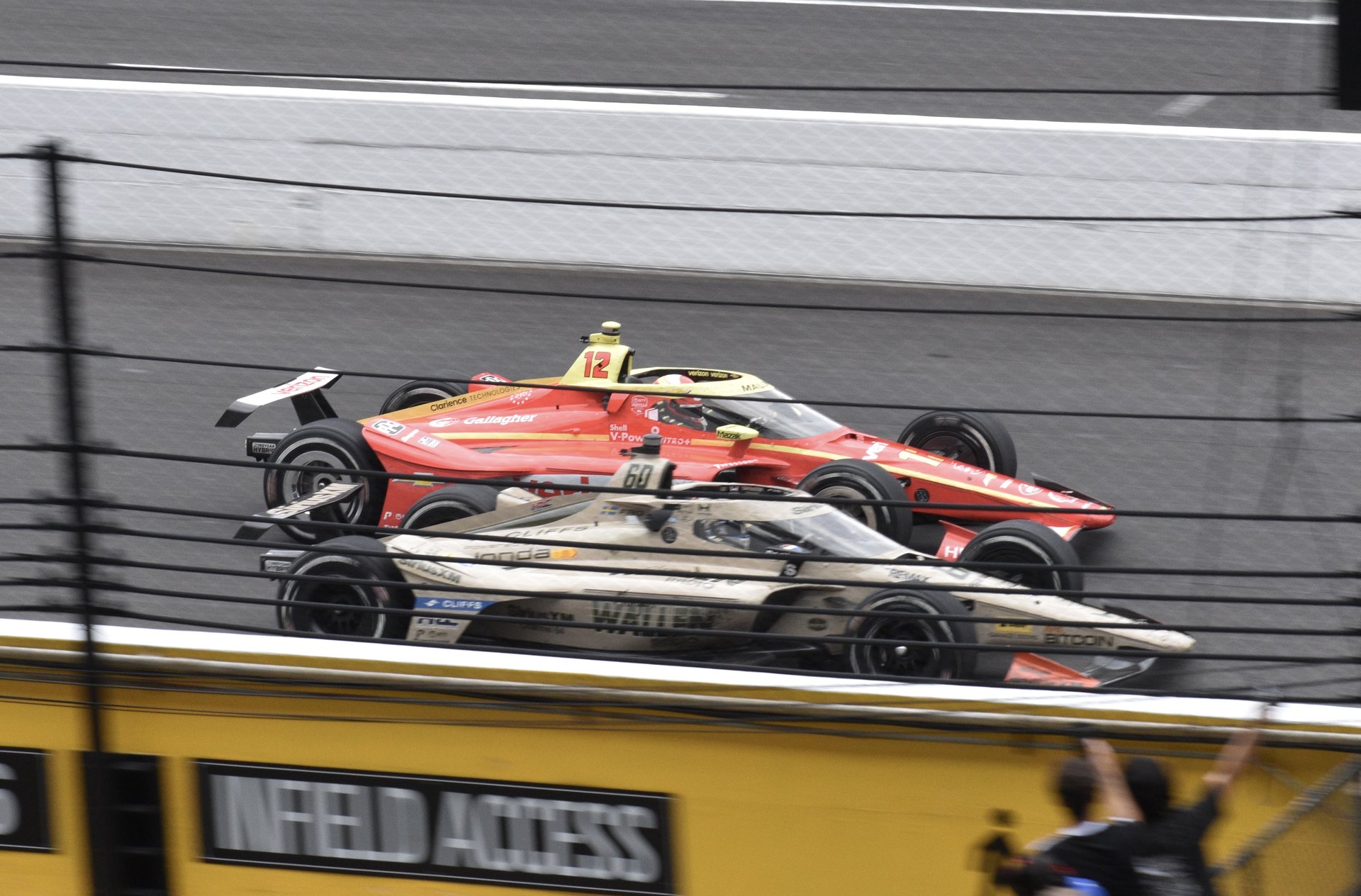
Felix Rosenqvist and Will Power came off the podium asking for a real blue-flag rule. Alex Palou, who won the race, and his strategist made the case that the rule is fine as long as everyone lives under the same one.
Two Digger Engines and 406 MPH: Andy Green Has a Third Record
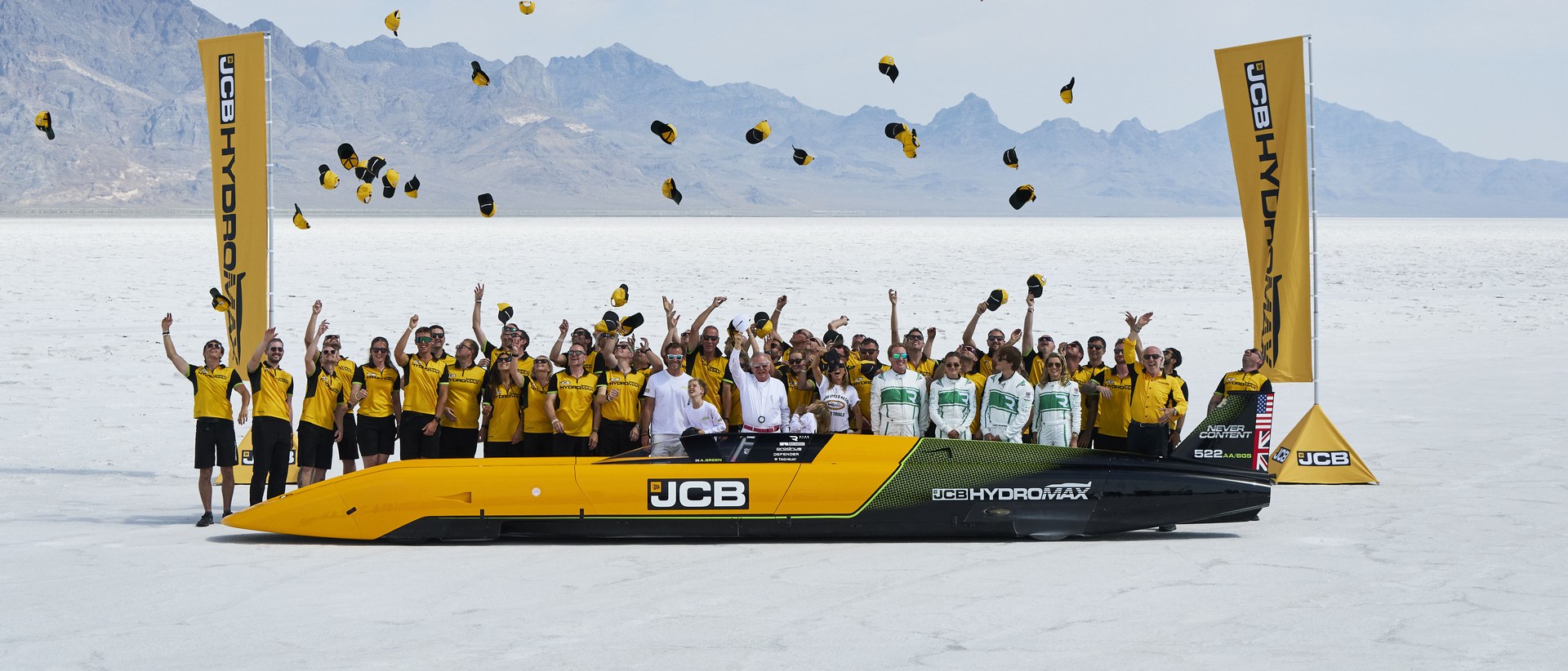
The JCB Hydromax averaged 406.320 mph at Bonneville on a pair of hydrogen-burning excavator engines, more than doubling a hydrogen combustion mark that had stood since 2004.
Ty Gibbs Waited 131 Starts for a First Cup Win. The Second One Took Four Months.
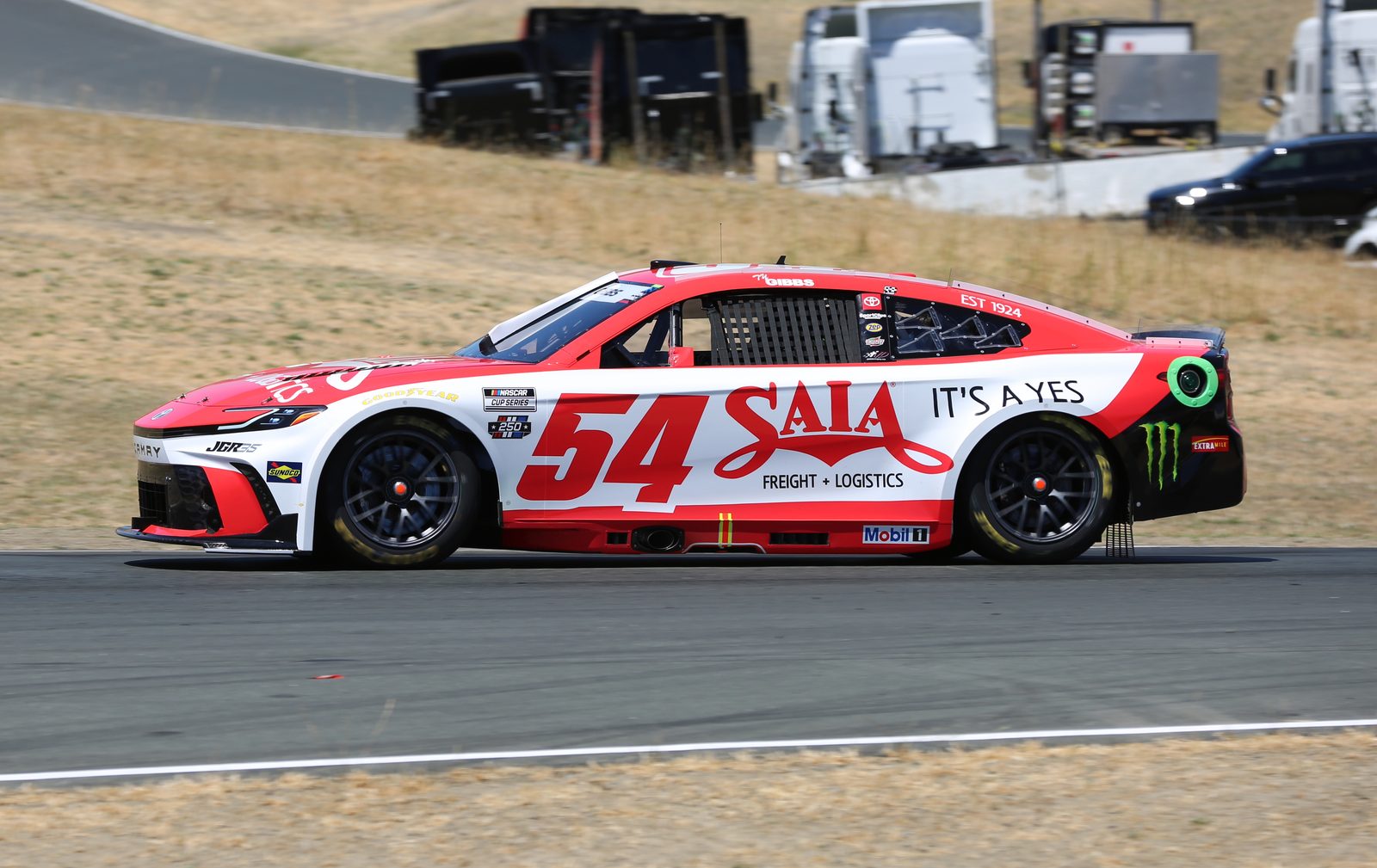
At Iowa, Gibbs took the final stage and held off Joe Gibbs Racing teammate Christopher Bell, turning a career that had produced nothing into two wins in one season.