
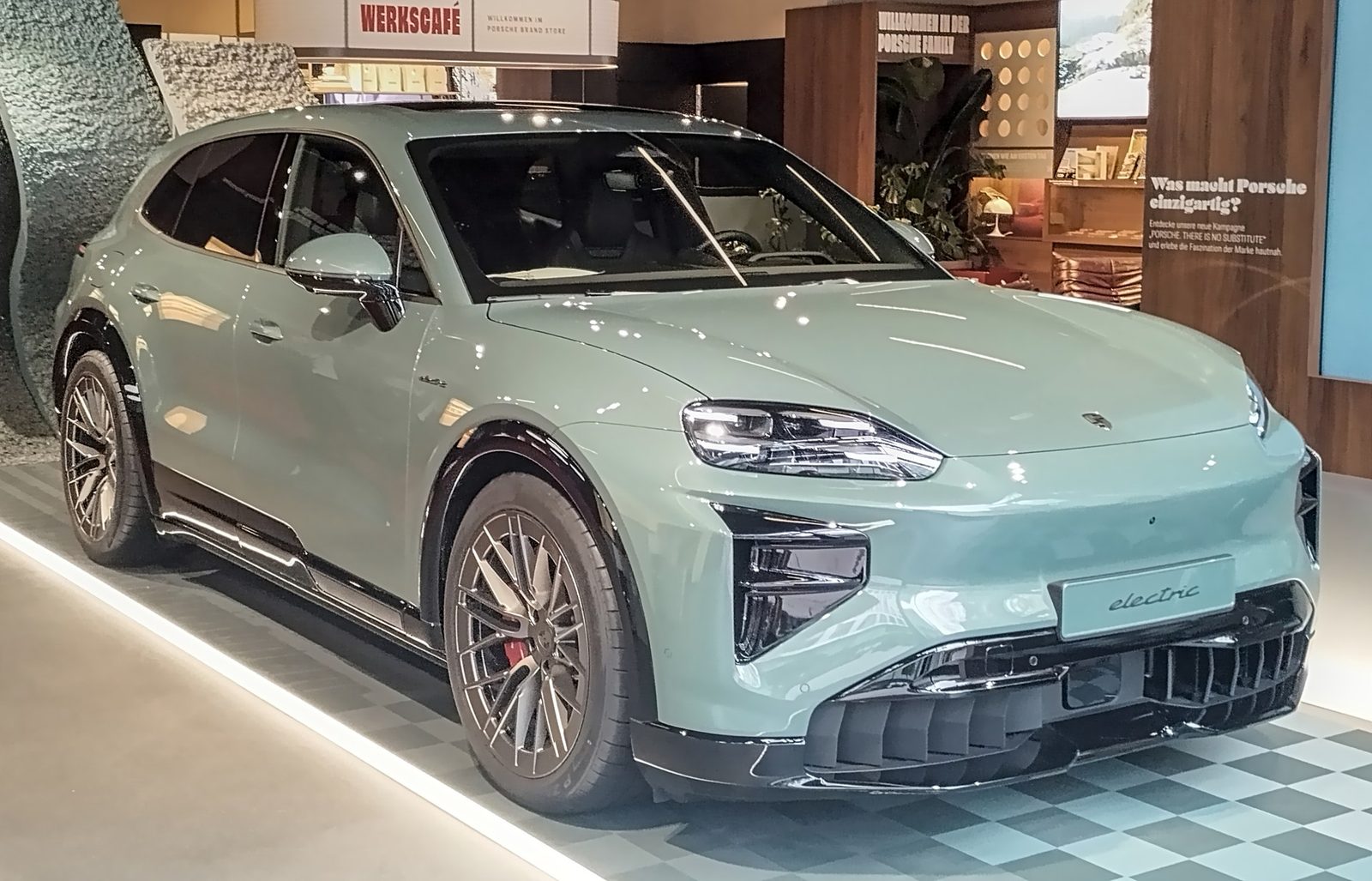
First Drive Verdicts: The Porsche Cayenne Electric Turns EV Skeptics Into Believers
Up to 1,139 horsepower, an 800-volt architecture that charges in under 16 minutes, and a chassis reviewers say drives smaller than its nearly three-ton curb weight. The bill for all of it is the real story.
- Output
- 435-1,139 HP (3 Trims)
- 0-60
- 4.8-2.4 Sec
- Battery
- 113 kWh (800V)
- Price
- $111,350-$165,350+
The original gas Cayenne is the reason Porsche still gets to build the 911 the way it wants to — a much-repeated but genuinely accurate piece of company history, since the SUV's runaway sales in the early 2000s are widely credited with funding two decades of sports-car development at a company that had nearly gone under a decade earlier. So there was real weight behind Porsche handing the Cayenne name to a fully electric model for the first time, and first drive reviews from The Drive, Motor1, and others published over the past two weeks all land in roughly the same place: this is not a company hedging its bet. It's Porsche's most technically ambitious EV yet, sold right alongside the continuing gas and plug-in hybrid Cayenne rather than replacing it.
"Whatever your expectations are of the 2026 Porsche Cayenne Electric, leave them at the door." — Jerry Perez, The Drive
The lineup splits into three trims sharing a 113-kWh battery on an 800-volt architecture: a base Cayenne Electric at 402 hp (435 with launch-control overboost) and 615 lb-ft, good for 0-60 in 4.8 seconds; a mid-tier S Electric; and a Turbo Electric that runs 844 hp continuously and 1,139 hp on overboost, hitting 60 mph in 2.4 seconds with a 162-mph top speed. DC fast charging tops out at 400 kW, enough for a 10-80% charge in under 16 minutes. Pricing starts at $111,350 for the base car and $165,350 for the Turbo — before you start checking options boxes, which Motor1's test car did enthusiastically enough to land at $213,190.
The consensus on how it actually drives is where this gets interesting, because it's unusually uniform for a car this expensive and this new. The Drive's Jerry Perez called the base model '100% the Cayenne experience Porsche actually wants you to have,' praising steering that stays tight without wearing you out and an air suspension that lets you feel the mechanicals working underneath you — rare praise for anything running on batteries. Motor1's take on the Turbo leaned even harder into the same idea, crediting the optional Active Ride active suspension system with making a roughly 5,400-pound SUV 'handle this well or ride this smoothly, bar none,' while throttle calibration got singled out as precise and easy to modulate instead of the jumpy, all-or-nothing power delivery that tends to plague high-output EVs.
Not everything cleared the bar. Multiple outlets flagged an abrupt handoff between regenerative and friction braking on the Turbo — described by one reviewer as a genuine 'jolt' — an issue that reportedly gets more noticeable with the optional $10,900 carbon-composite brakes rather than less. UK reviewers zeroed in on a smaller but telling annoyance: changing the direction of the dashboard air vents requires digging into a sub-menu on the new curved touchscreen, something a physical slider used to handle in about a tenth of a second. It's a small thing, but it's the kind of small thing that adds up across the segment right now — screens replacing switches because they can, not because it's actually better.
That curved 14.25-inch 'flow display' is otherwise winning over reviewers who went in ready to dislike it, with more than one admitting the Google-based interface made more sense on the first try than expected. The bigger tension nobody's fully reckoning with is the price spread: a base Cayenne Electric at $111,350 already sits well above where the gas Cayenne starts, and a loaded Turbo at over $213,000 is nearly $121,000 north of that. Porsche isn't pricing this as the accessible entry point into electrification — it's pricing it as a flagship, and daring buyers to disagree with the reviewers who drove it.
Take the reviews at face value and the Cayenne Electric is a genuine rebuttal to the idea that a heavy electric SUV can't also be a driver's car — the steering feel, the suspension tuning, and the throttle mapping all point the same direction, and that's not nothing. But it's also priced and optioned like Porsche already knows exactly who's buying it: existing Porsche people trading up, not EV-curious shoppers cross-shopping a Tesla or a Rivian. On the numbers reviewers actually reported, that's a fair trade for what you get. Just don't mistake 'the reviewers loved it' for 'this is the car that makes electric SUVs make sense for everyone' — it isn't trying to be that car.
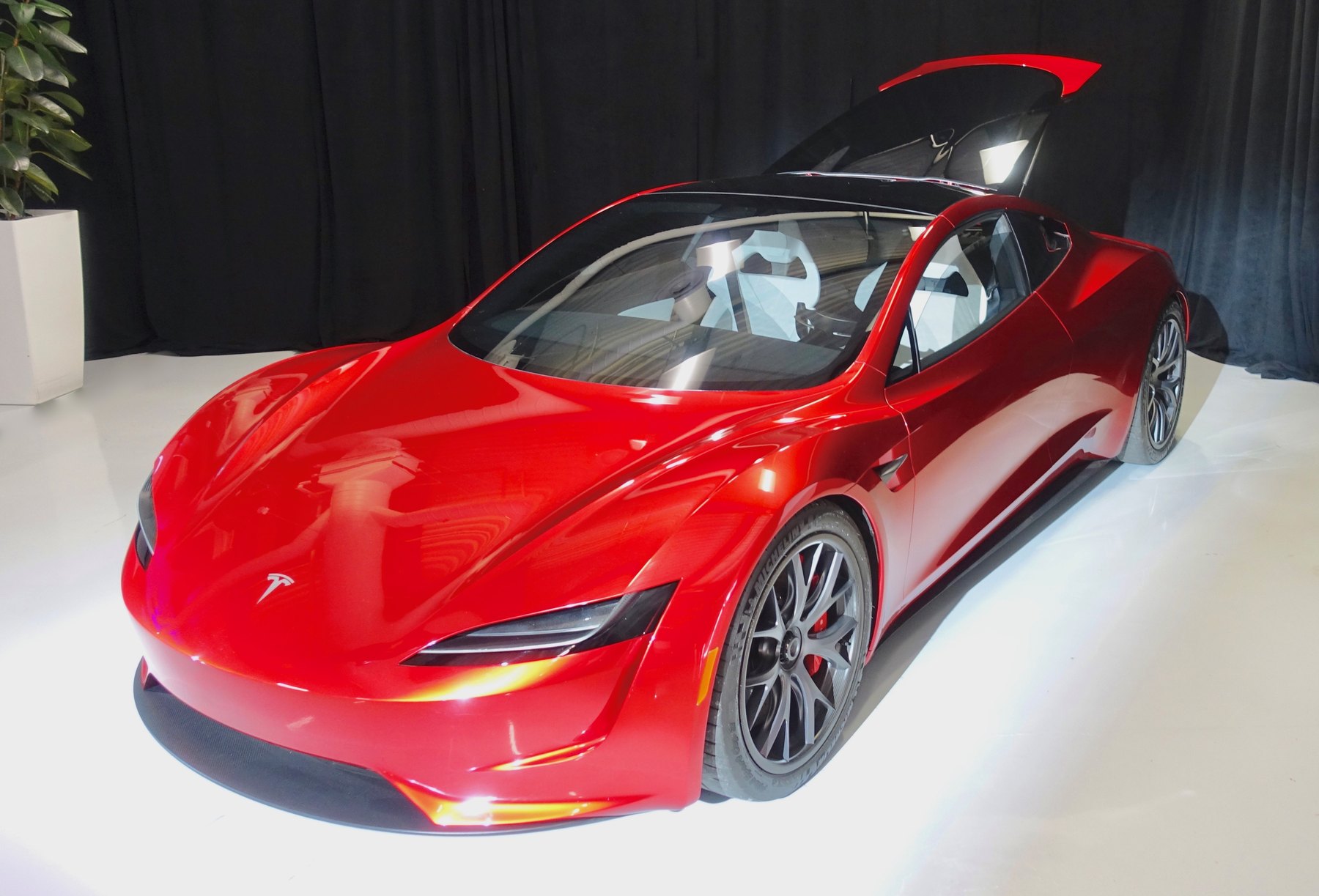
Tesla Showed a Roadster That Does Kickflips. The FAA Says It Isn't an Aircraft, and Nobody Will Say What It Is.
Nine years after taking deposits on a car promised for 2020, Tesla unveiled a four-trim Roadster that drives upside down, flips in mid-air, and carries about five seconds of compressed nitrogen. Production is now 2028. There is still no price.
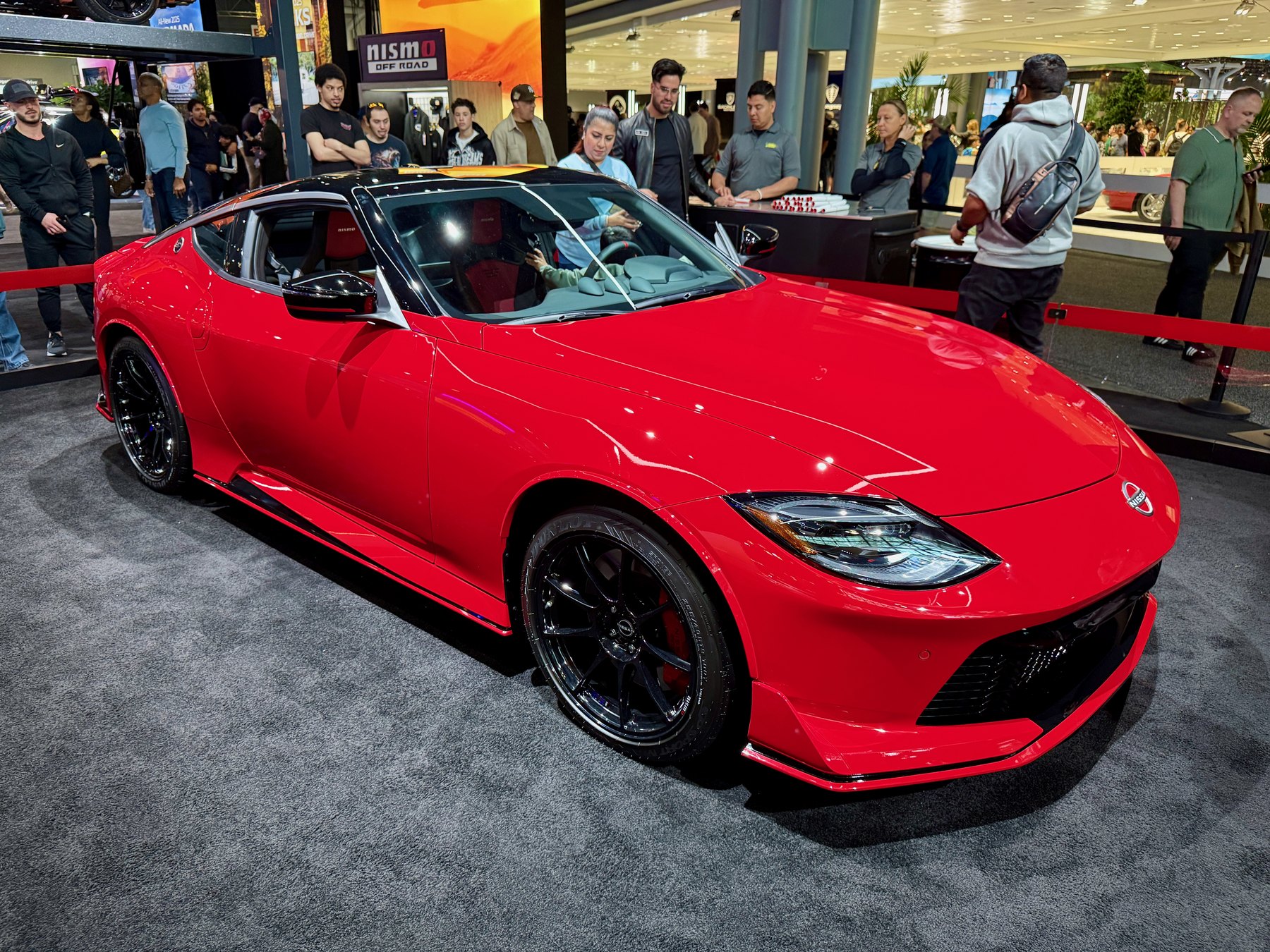
Nissan Finally Put a Third Pedal in the Z NISMO. Then It Made Sure Almost Nobody Can Buy One.
420 horsepower, GT-R brakes, seven percent shorter throws, and no price premium over the automatic. Also: a reported allocation of two or three Zs per dealer for the entire model year, and a manual NISMO build share in the single digits.
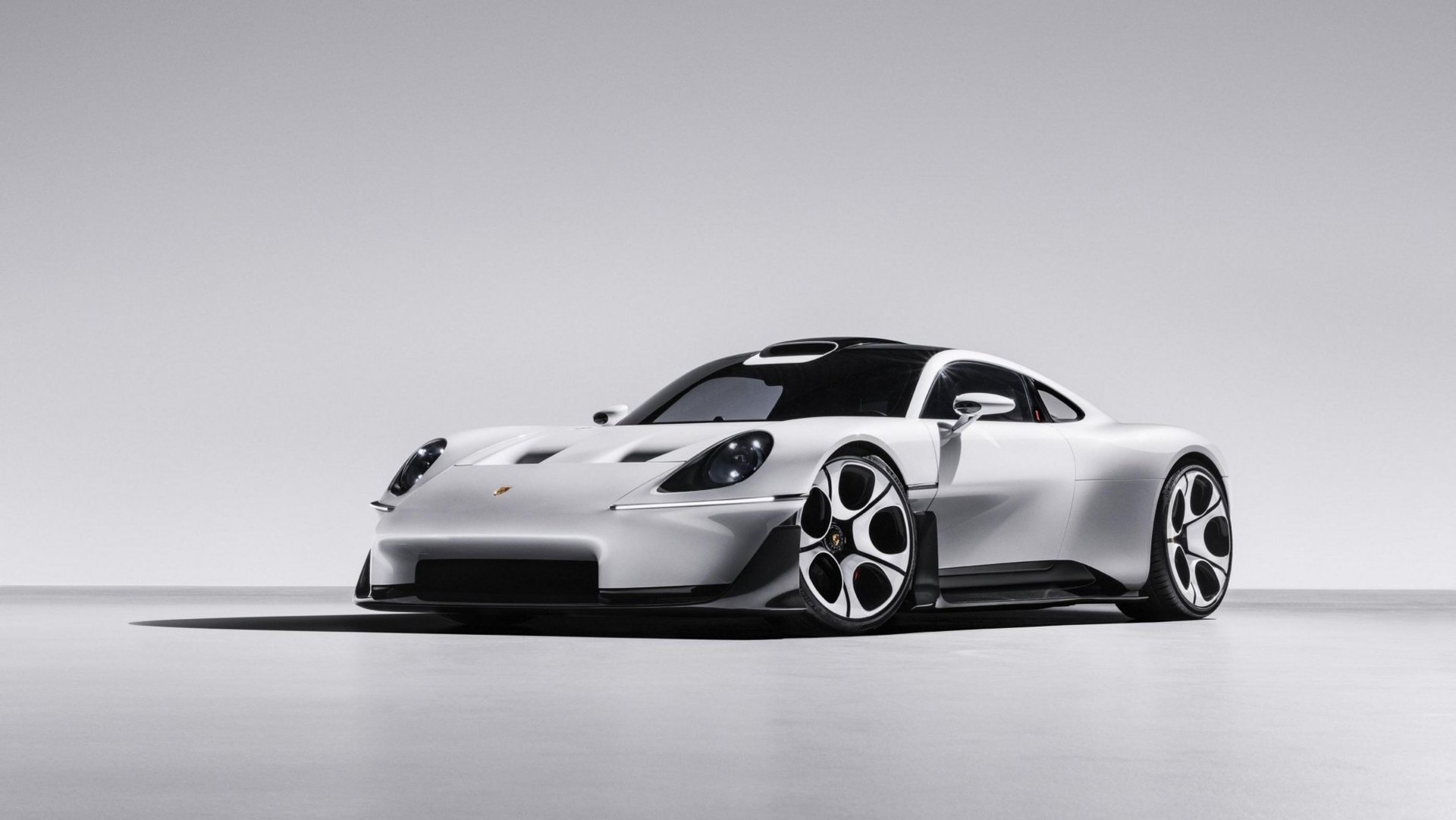
Porsche Puts a Mid-Engined Car Above the 911 — and an Analogue Rev Counter in Front of the Driver
The Mission S vision model landed on a Queens pier on Thursday with five round dials, no fixed centre screen and a confirmed platform above the 911. What Porsche carefully did not say is what sits behind the seats.