
How a Vietnam-Era Helicopter Fix Became a Multibillion-Dollar Car Care Industry
Paint protection film started as 3M's answer to rotor-blade damage in the 1960s. Now it's a self-healing, publicly-traded business anchoring modern car care.
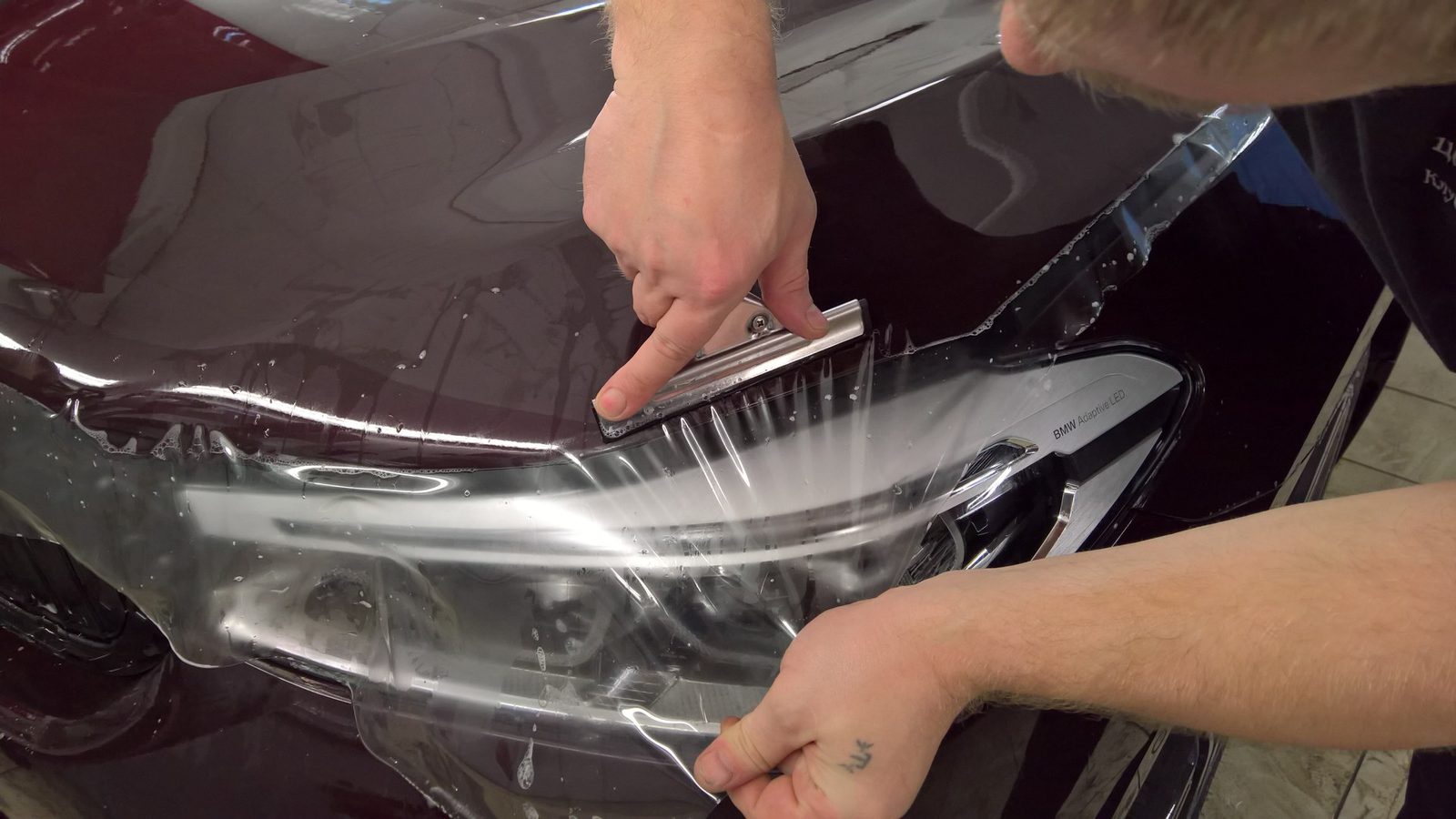
"Clear bra" started as a military problem. During the Vietnam War, helicopter rotor blades and other exposed transport parts were getting chewed up by flying debris in the field, and the US military asked 3M for something lightweight and inconspicuous to protect them. 3M's engineers landed on a thick, flexible urethane film — soon nicknamed "helicopter tape" — that could shrug off the abuse and simply be replaced instead of forcing a blade repair or swap. It worked well enough that adoption in the field was fast by military standards.
Racing teams noticed next. By the 1980s, US racers were applying helicopter tape to shield paint and sponsor decals from gravel and track debris, and by the 1990s 3M and other manufacturers had refined the material specifically for consumer automotive use — the point where "helicopter tape" became what the industry now calls paint protection film, or PPF.
Modern PPF is built from thermoplastic polyurethane (TPU), and its signature feature is self-healing: heat, whether from direct sun or hot water, lets the film's elastomeric polymer flow back into shape, smoothing out minor swirls and light scratches without polishing or replacement. That property is what separates it from a basic vinyl wrap, and it's the reason PPF has become the default recommendation from detailers like AMMO NYC's Larry Kosilla for anyone trying to keep a car's factory paint intact long-term rather than correcting damage after the fact.
The competitive landscape now runs several major players deep — XPEL, 3M, SunTek, STEK, and LLumar all sell film and certify independent installers — but XPEL has emerged as the industry's most visible name, in part because it's the only one of the group that reports its numbers publicly. In its first quarter of 2026, XPEL posted revenue of $117.4 million, up 13.1% from $103.8 million a year earlier, with net income up 20.5% to $10.3 million ($0.37 per share) and EBITDA up 17.8% to $17.0 million. Gross margin improved to 43.7%. Paint protection film remains the company's largest product line by revenue, but window film adoption grew faster — up 24.8% — and installation labor and dealership/OEM services grew fastest of all, up 24.3%, a sign that the business is shifting as much toward installation services as it is toward the film itself.
That shift tracks with where the broader industry has been heading: PPF stopped being a niche add-on for exotics and track cars once dealerships started offering it as a standard trim-level option, and once self-healing film made the pitch to ordinary daily-driver owners — not just enthusiasts — considerably easier to make.
The 90-Day Rule That Holds SEMA's New Products Showcase Together
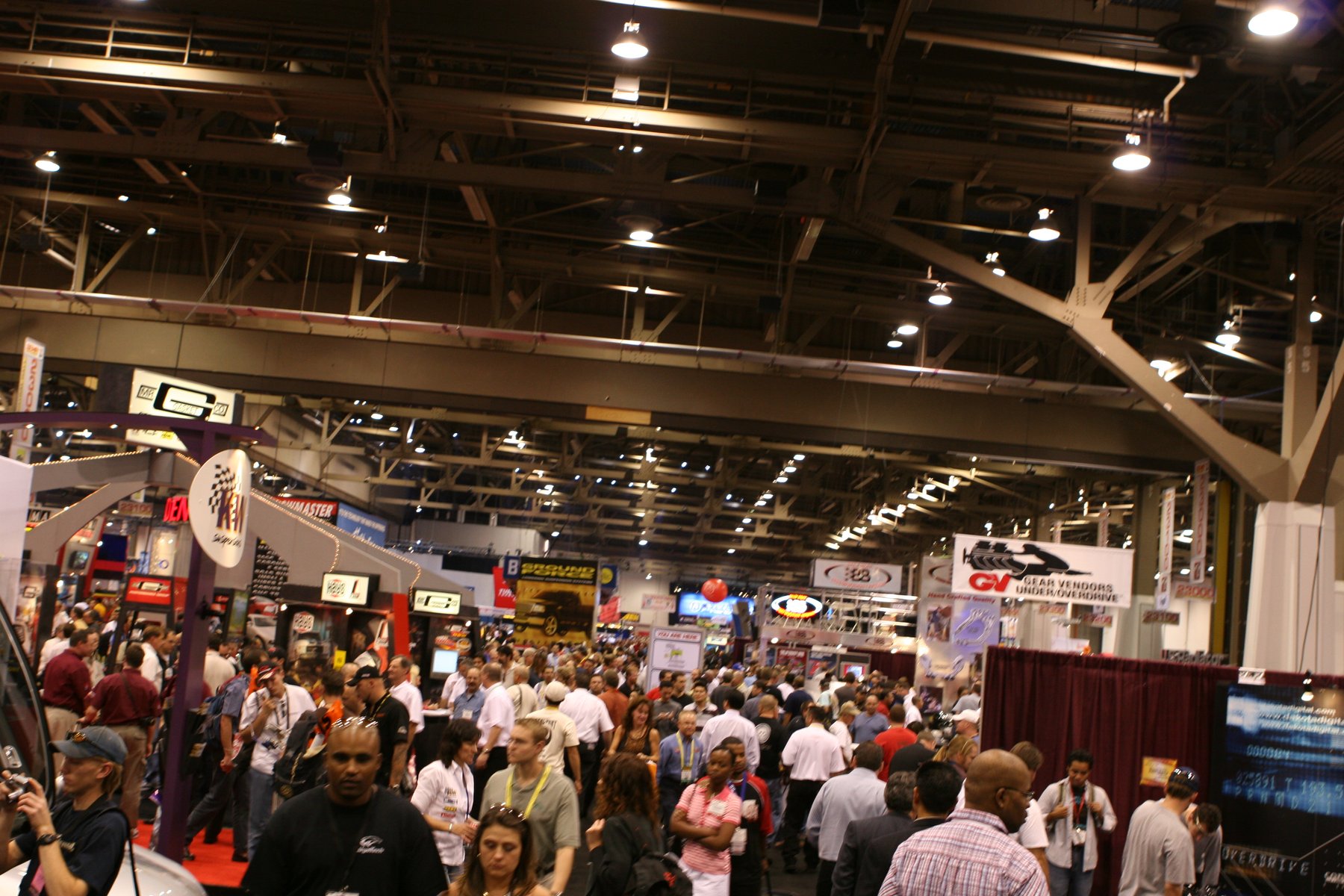
The 2026 SEMA Show runs November 3-6 in Las Vegas. The entry form for its New Products Showcase — free first entry, a hard February 2027 shipping deadline — explains how the aftermarket actually works better than anything standing on the floor.
Rockford Fosgate Adds Three Factory-Fit Audio Kits for Polaris RZR and Sportsman
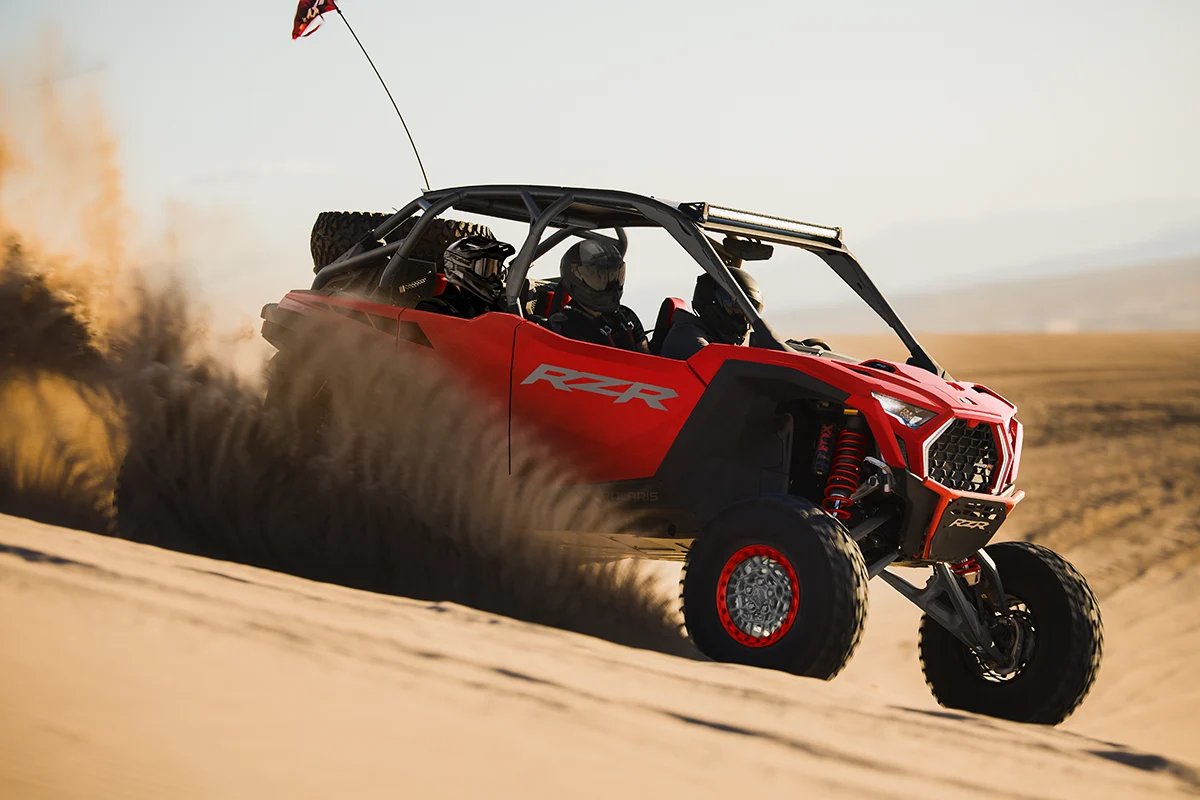
The Tempe, Arizona audio maker rolled out a rear-door speaker upgrade, a boosted subwoofer kit, and a new front-rack system built for Polaris off-road vehicles.
Michelin Launches XHA3 Radial Tire for Loaders, Dump Trucks and Graders
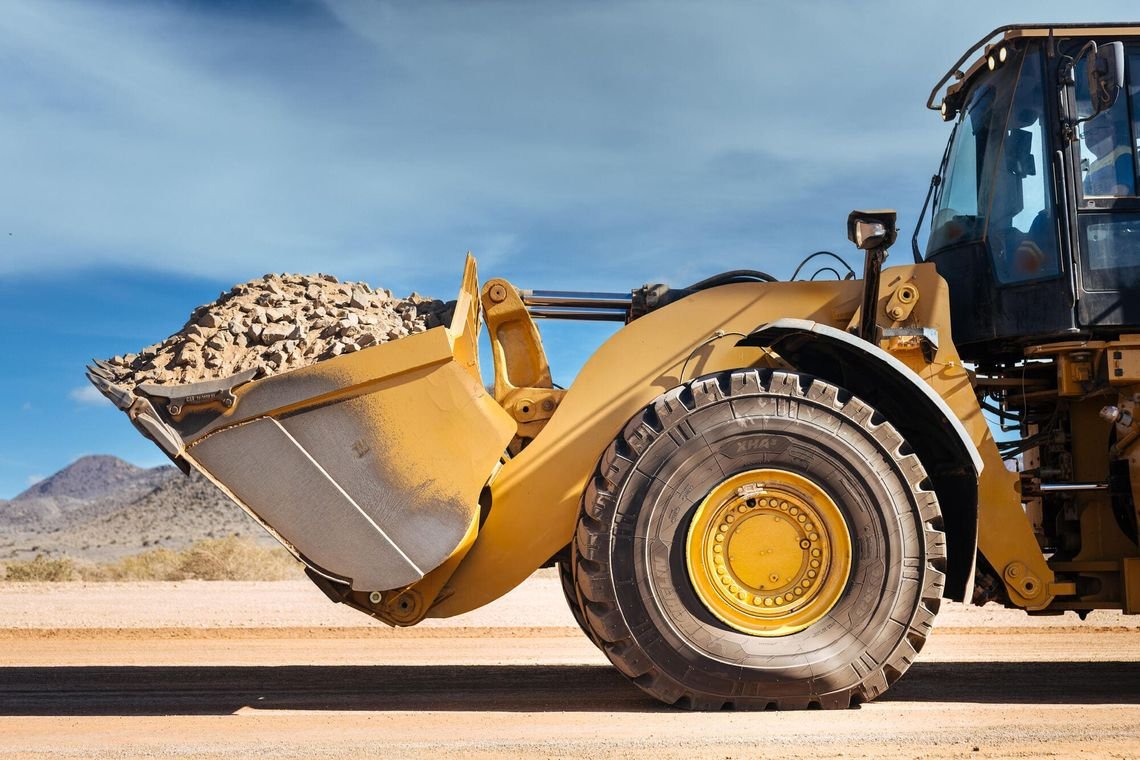
The new construction-equipment tire adds a sensor-free visual inflation indicator and claims up to 20% longer wear life than its predecessor, with U.S. availability beginning this year.