
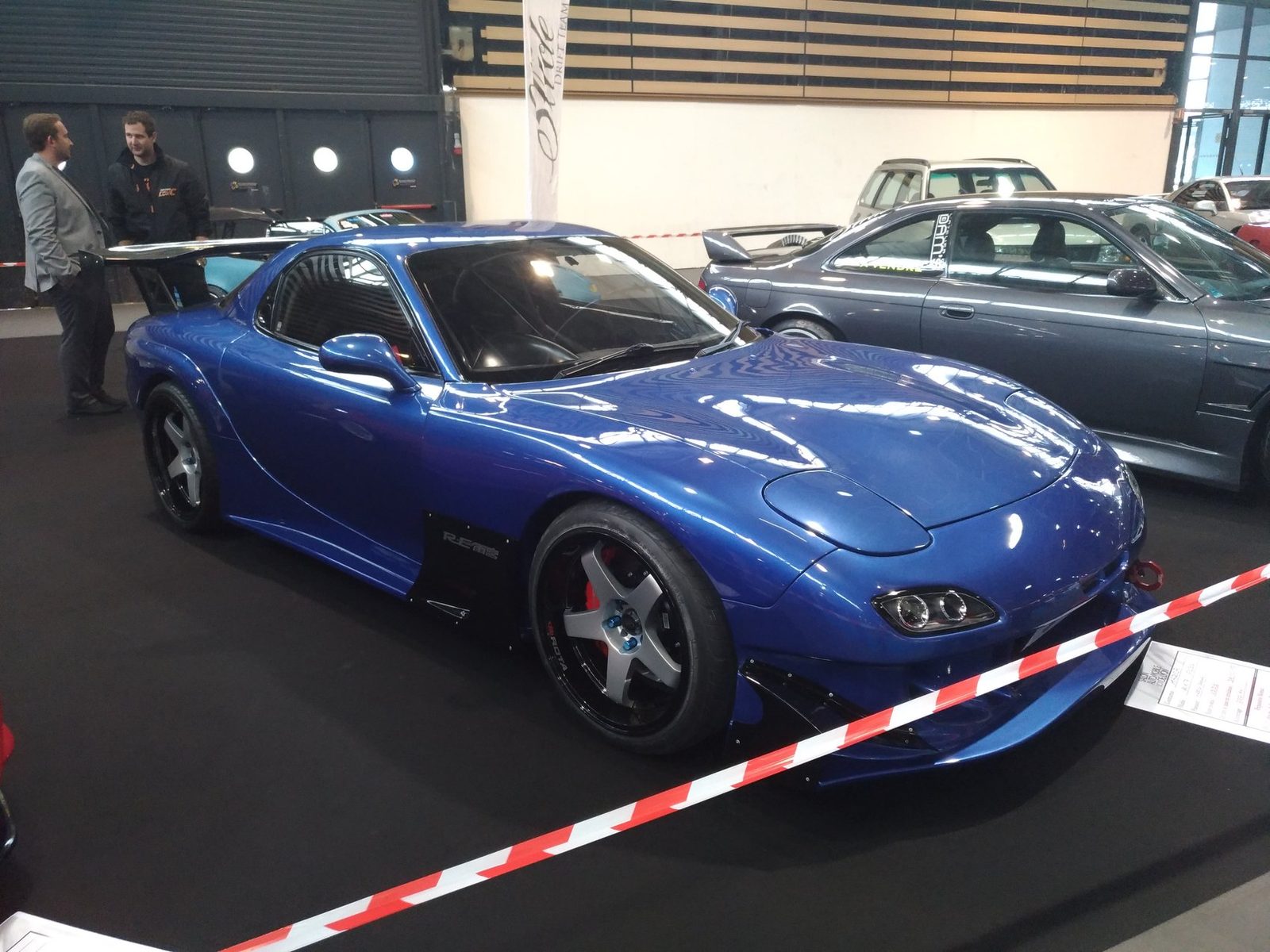
One Chiba Shop Has Tuned Nothing But Rotary Engines Since 1974
RE Amemiya's name isn't a brand exercise — 'RE' stands for Rotary Engine, and founder Isami Amemiya has spent over five decades building his entire business around a powerplant most tuners consider too finicky to specialize in.
Most tuning shops build a reputation and then diversify — add a platform, add a service, chase whatever's popular that model year. RE Amemiya did the opposite from day one. Isami Amemiya founded the company in 1974 with a name that leaves no room for interpretation: RE stands for Rotary Engine, full stop, and more than fifty years later the shop has never meaningfully strayed from that promise. It's based in Tomisato, out in Chiba Prefecture roughly 30 kilometers east of central Tokyo — not a flagship Tokyo storefront, just a working shop in a quiet prefecture, doing one thing with total focus.
Mazda's Wankel rotary engine has a reputation among tuners as brilliant but genuinely difficult — smooth and high-revving in a way piston engines aren't, but notoriously fussy about apex seals, cooling, and reliability under sustained load, which is exactly why most shops that touch rotaries treat it as one specialty among several rather than the entire business. Amemiya built his whole company around mastering it anyway, working almost exclusively on Mazda's RX-7 across its RX-7 generations and picking up a reputation specifically for enhancing the rotary's power and handling in ways that held up, not just impressed on a dyno sheet once.
That specialization eventually took RE Amemiya onto race tracks, not just into customer garages. The team has competed in Japan's D1 Grand Prix drift series since 2004, with driver Masao Suenaga taking a win at Fuji Speedway in 2005 en route to a runner-up finish in the overall standings that year. On the circuit-racing side, RE Amemiya-prepared cars picked up a GT300-class victory in 2006 and went on to add three more race wins and eleven podium finishes across the following seasons — a legitimate competition record built entirely on the engine format most of the paddock had already written off as too much trouble.
The shop's visual signature is as recognizable as its mechanical one: wide, aggressively flared widebody RX-7s, often finished in the shop's own striking color combinations, that show up at Tokyo Auto Salon and enthusiast events far from Chiba. Amemiya has also kept a personal connection to Mazda's rotary lineage running through the business — his own Cosmo Sport, Mazda's first rotary-powered production car from the 1960s, has appeared alongside the shop's modern builds at Tokyo Auto Salon, a direct line drawn between where the rotary engine started and the fifty-plus years one shop has spent refusing to build anything else.
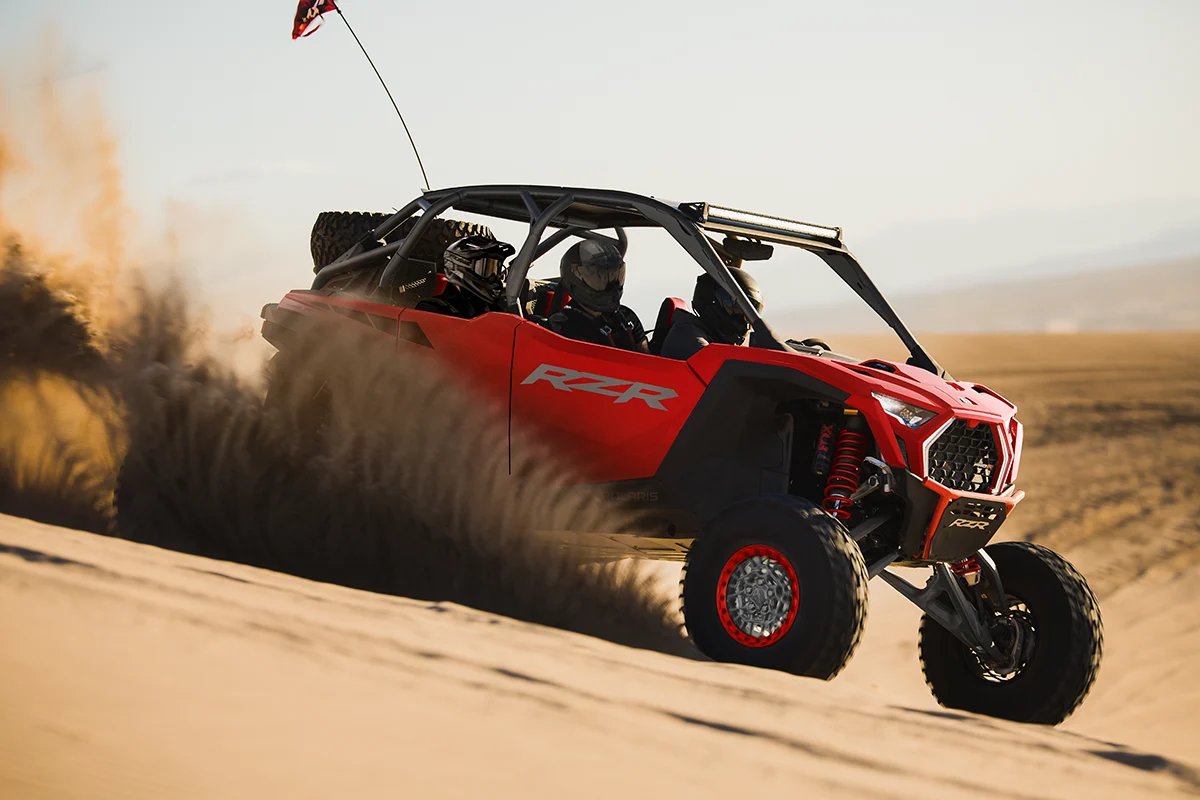
Rockford Fosgate Adds Three Factory-Fit Audio Kits for Polaris RZR and Sportsman
The Tempe, Arizona audio maker rolled out a rear-door speaker upgrade, a boosted subwoofer kit, and a new front-rack system built for Polaris off-road vehicles.
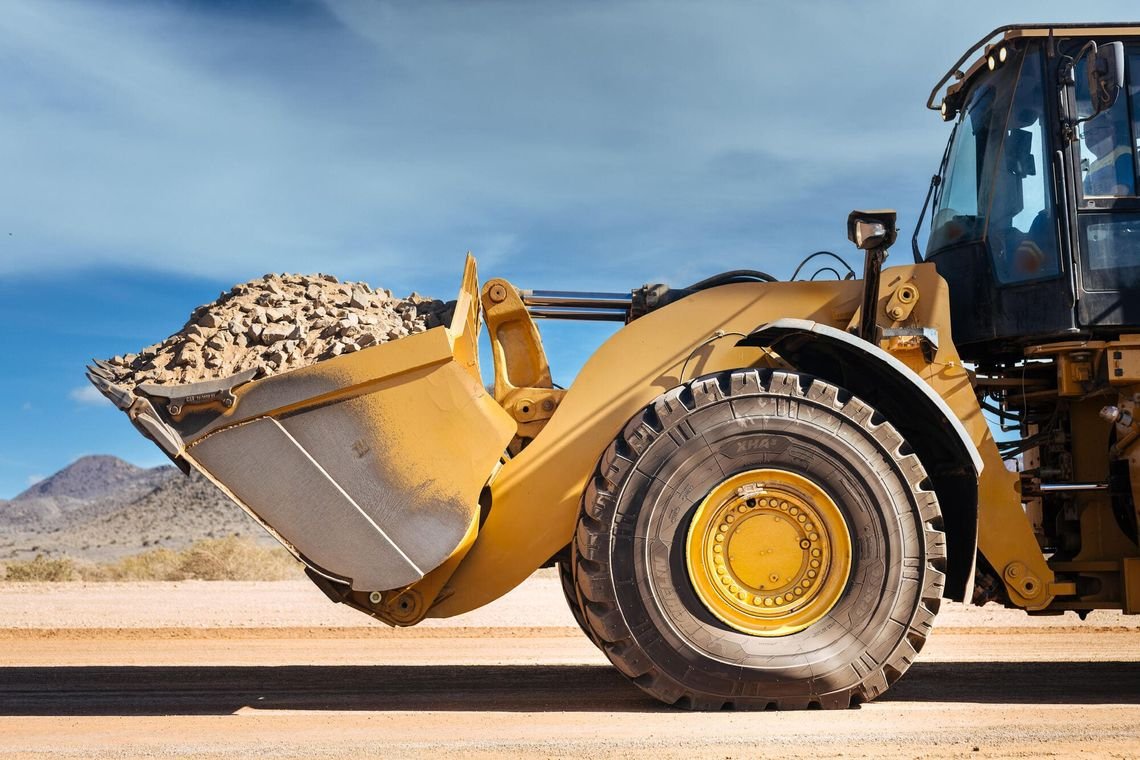
Michelin Launches XHA3 Radial Tire for Loaders, Dump Trucks and Graders
The new construction-equipment tire adds a sensor-free visual inflation indicator and claims up to 20% longer wear life than its predecessor, with U.S. availability beginning this year.
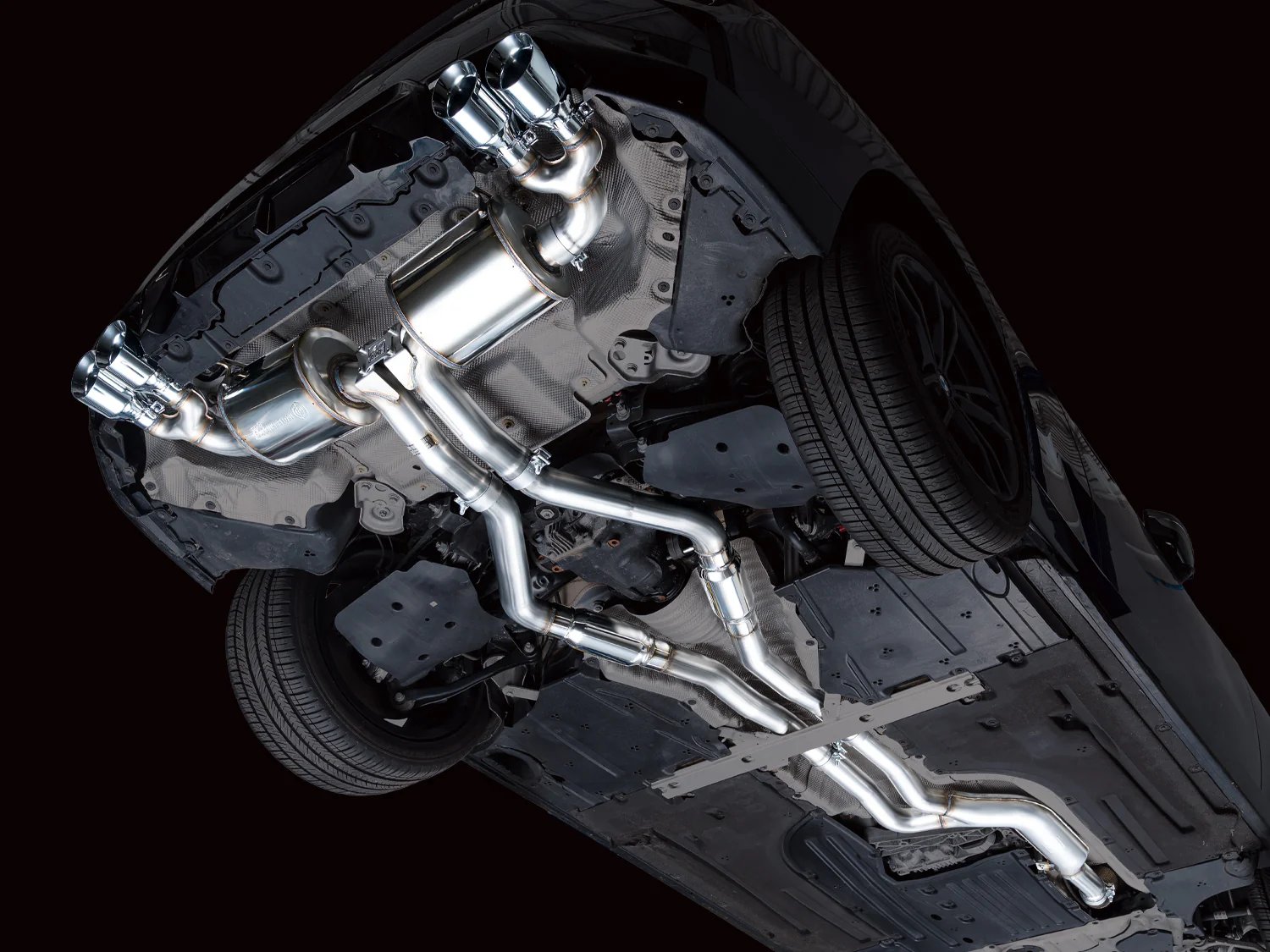
AWE Tuning Launches New Exhaust Suite for the BMW G42 M240i
The Pennsylvania-based exhaust maker says its straight-through 3-inch system frees up 65 percent more flow than stock, with Touring and Track editions built around the B58 inline-six.