
Rob Dahm's Quad-Rotor AWD RX-7: Inside One of Car YouTube's Longest-Running Builds
Started as an 18-year-old's stock twin-turbo FD, Rob Dahm's RX-7 has spent more than seven years becoming a four-rotor, all-wheel-drive, four-figure-horsepower science project — and by his own account, it's still not finished.
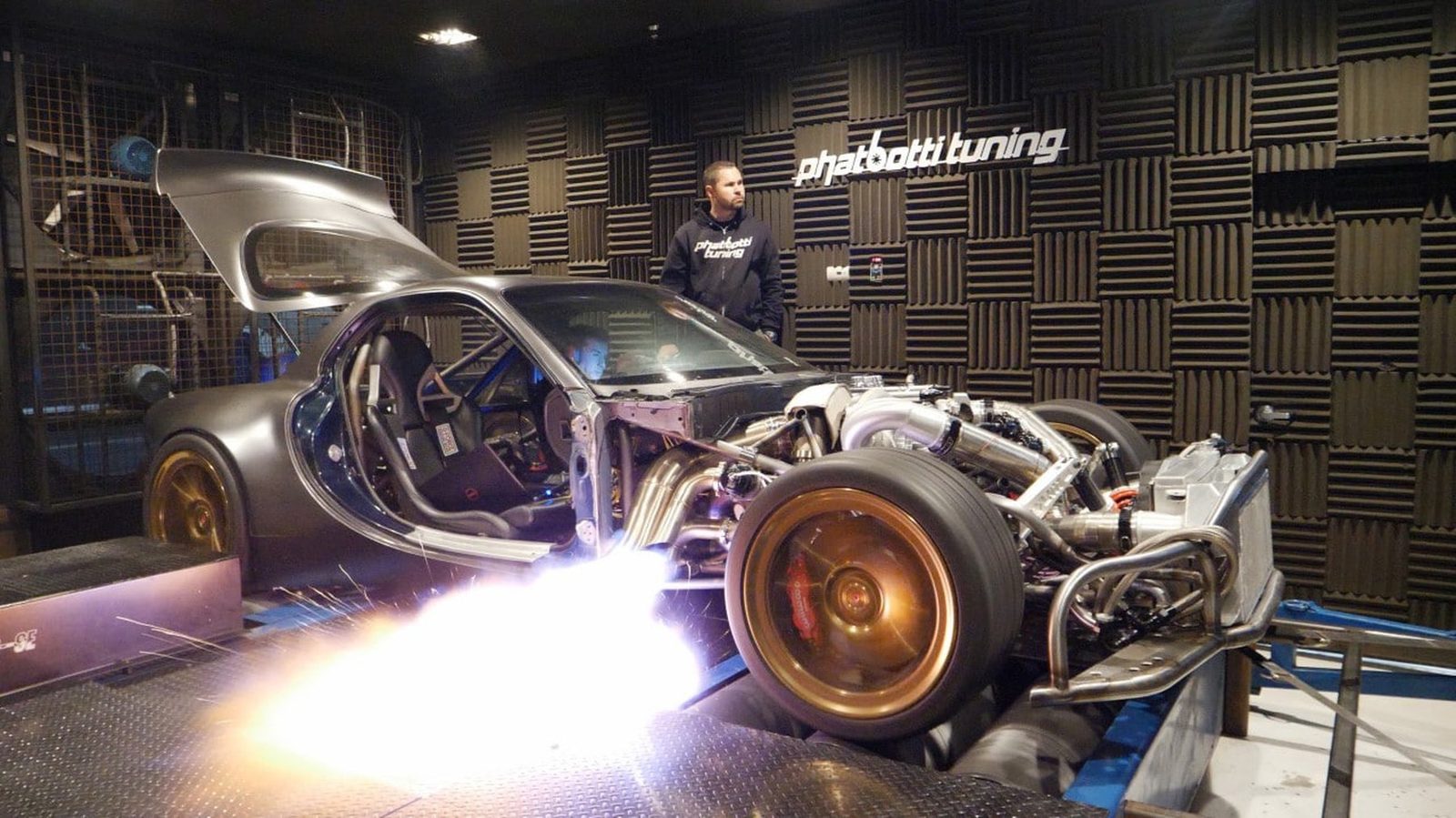
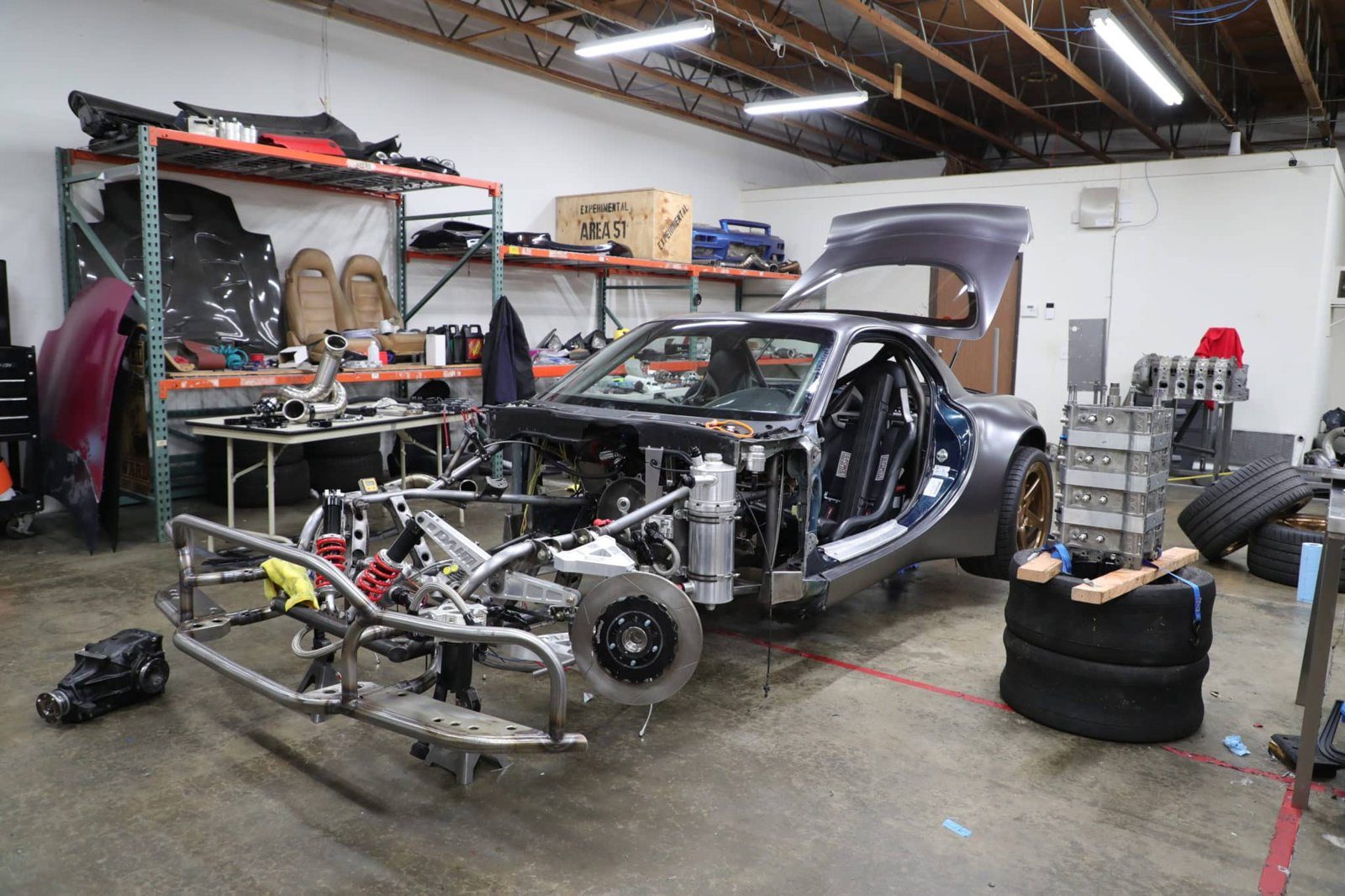
Rob Dahm's FD RX-7 started out unremarkable: a stock twin-turbo car he bought at 18. What's happened to it since is one of the longer-running build stories on car YouTube — a project that's stretched past seven years and turned the car into a four-rotor, all-wheel-drive machine that bears almost no resemblance to what left Mazda's factory.
A four-rotor, all-wheel-drive RX-7 that started as an 18-year-old's stock twin-turbo commuter — and still isn't finished.
The AWD conversion came out of a practical problem: after racing his brother and running into the traction limits of a rear-wheel-drive rotary, Dahm went looking for a way to put more power down. He brought in Ian Stuart of ASD — the suspension shop responsible for the geometry on Ken Block's AWD Hoonicorn Mustang — to help design a drivetrain layout that had never been built for this platform before.
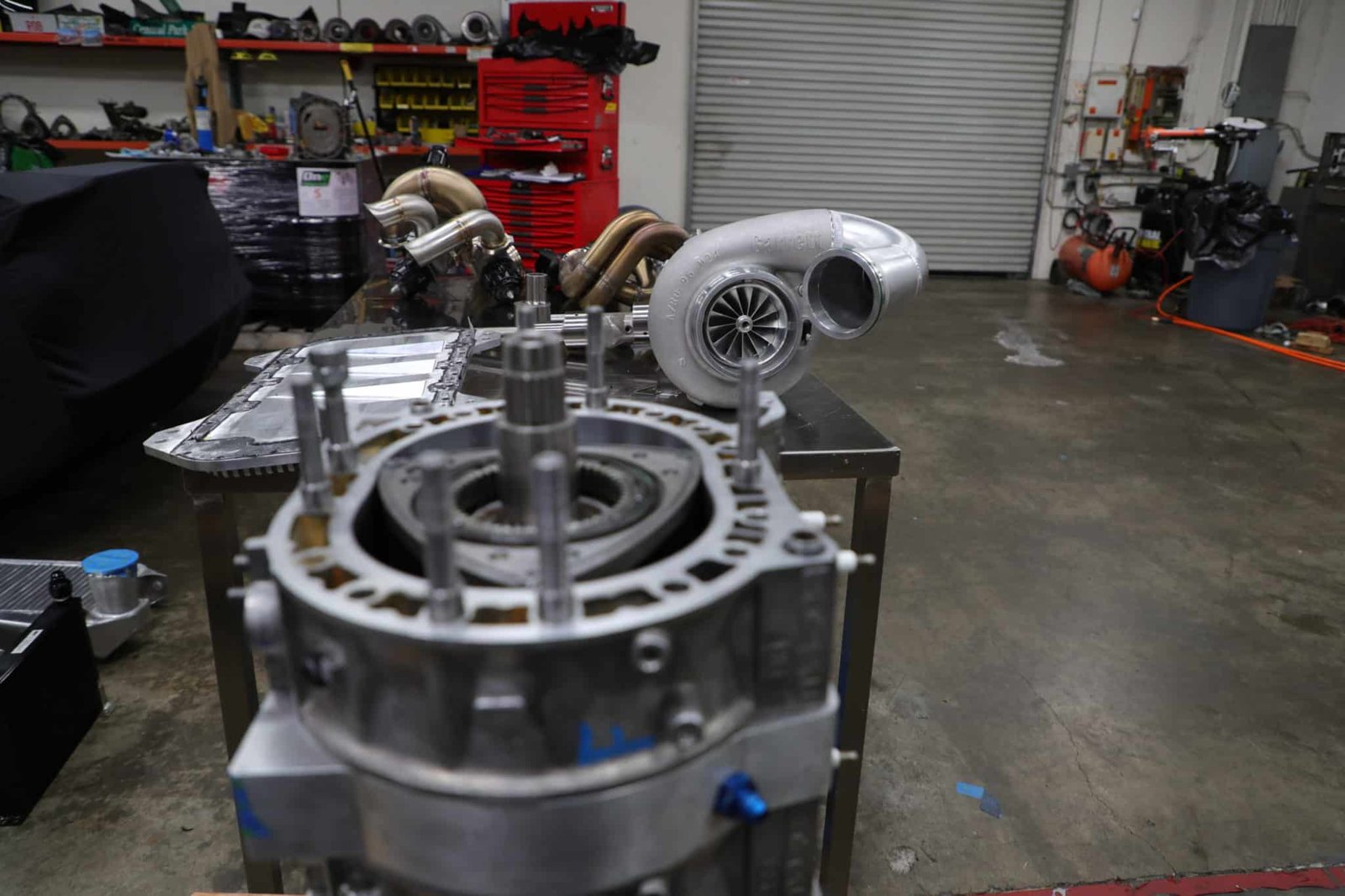
The engine at the center of it is a billet four-rotor, paired with a Garrett GTX5544R Gen II turbo running a 106mm compressor wheel. On the dyno at Phatbotti Tuning in April 2020, with tuning from Elliot at Turblown Engineering, the combination put down 1,014 horsepower and 786 lb-ft of torque at the wheels across 25 pulls — Garrett's own writeup on the build called it the correction-factored equivalent of roughly 1,220 horsepower at the engine and transmission, accounting for AWD driveline loss.
The car didn't turn a wheel on track until three years later. In March 2023, the RX-7 — by then claiming 1,300 horsepower — ran its first real shakedown at Las Vegas Motor Speedway, prep for an appearance on Amazon's "Banging Gears" against a McLaren Senna driven by Tanner Foust. The session wasn't clean: an alternator guide came loose, the car ran into fuel starvation exiting the final corner, and Dahm was candid on his own channel about the understeer that comes with a chassis never designed to send power to the front wheels. None of that got spun into a finished-success story — it was presented, accurately, as a shakedown with real problems still to solve.
That honesty is a big part of why the build has held an audience this long. There's no press-release moment where Dahm declares the car complete — just years of dyno pulls, fabrication, and setbacks posted as they happen, which is a different kind of car content than a manufacturer reveal or a paid build. It's also a useful reminder for anyone tracking rotary engineering: the same apex-seal and reliability tradeoffs that define a stock 13B don't disappear just because the rotor count has quadrupled — they just get more expensive to solve.
A Widebody R32 GT-R Wears a Hand-Painted Tribute to Japan
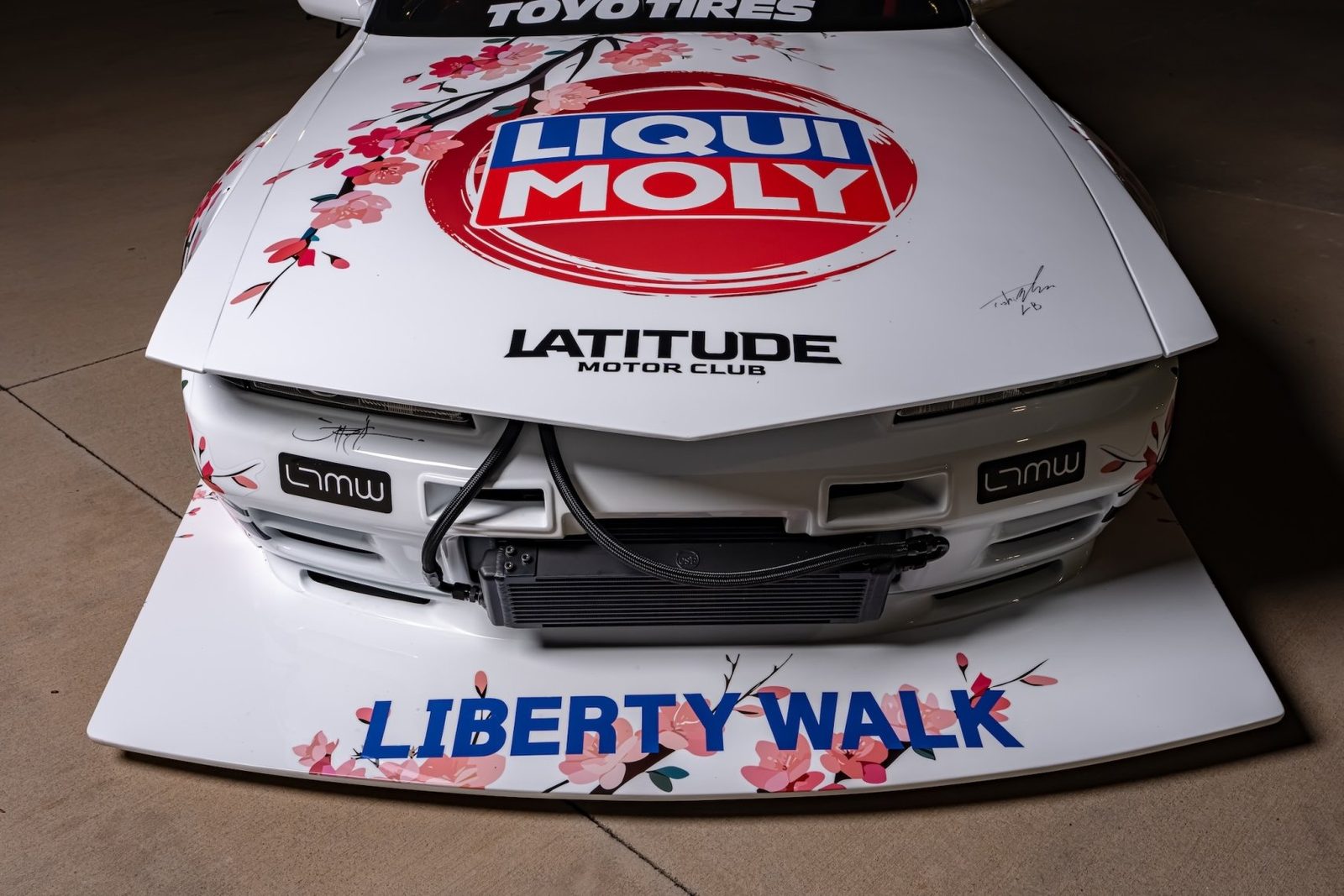
Osmond Seangsuwan's Liberty Walk-kitted 1990 Nissan Skyline GT-R pairs a 500-whp RB26 with a custom cherry blossom and Great Wave livery, as featured by PASMAG.
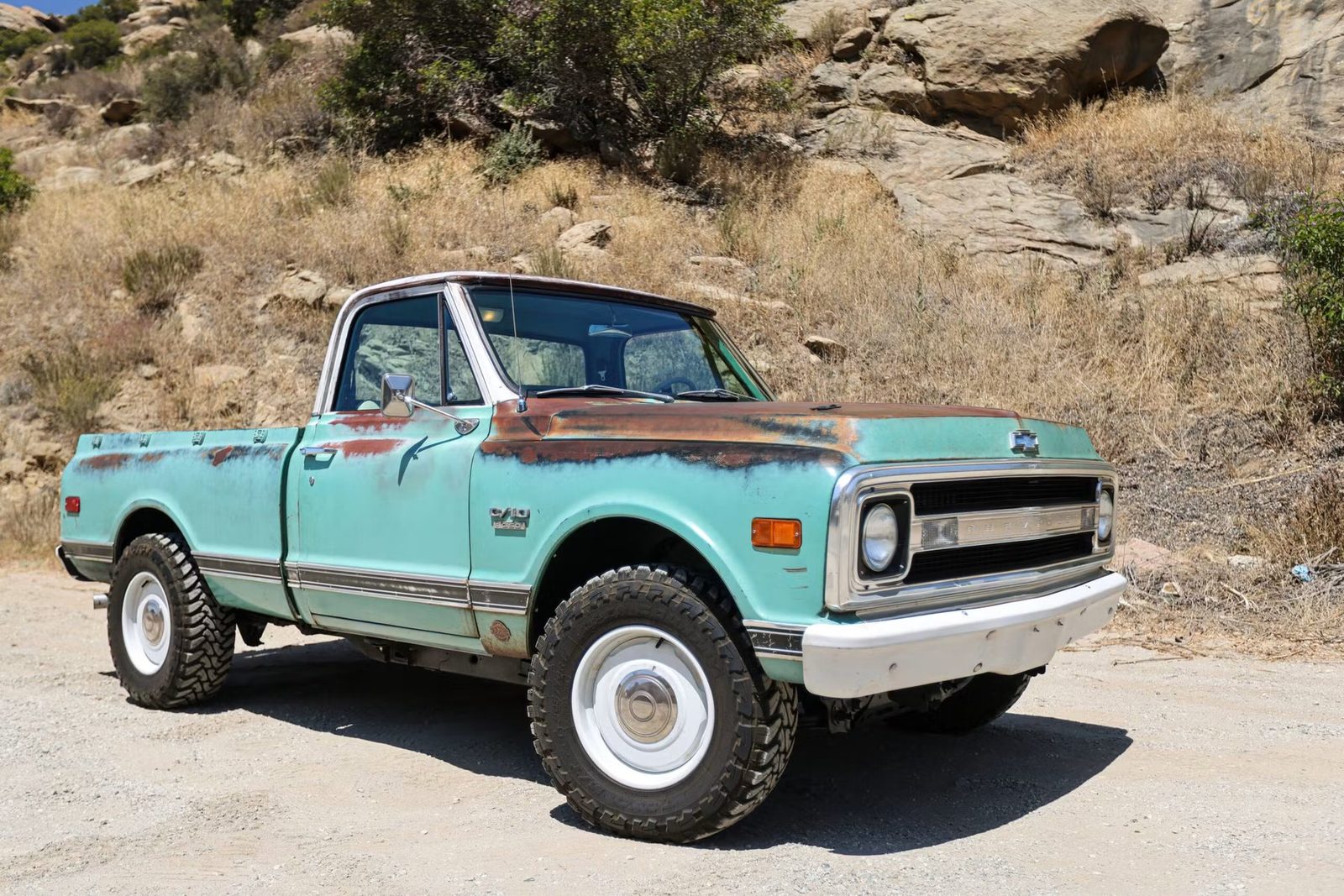
Icon 4x4 Grafts a Vintage C10 Body Onto a New Silverado Underneath
The Chatsworth, California shop's Chevrolet C Modern Retro Series keeps a 1967-72 pickup's sheet metal and patina while running new Silverado chassis, drivetrain, and electronics beneath it — starting at $450,000.
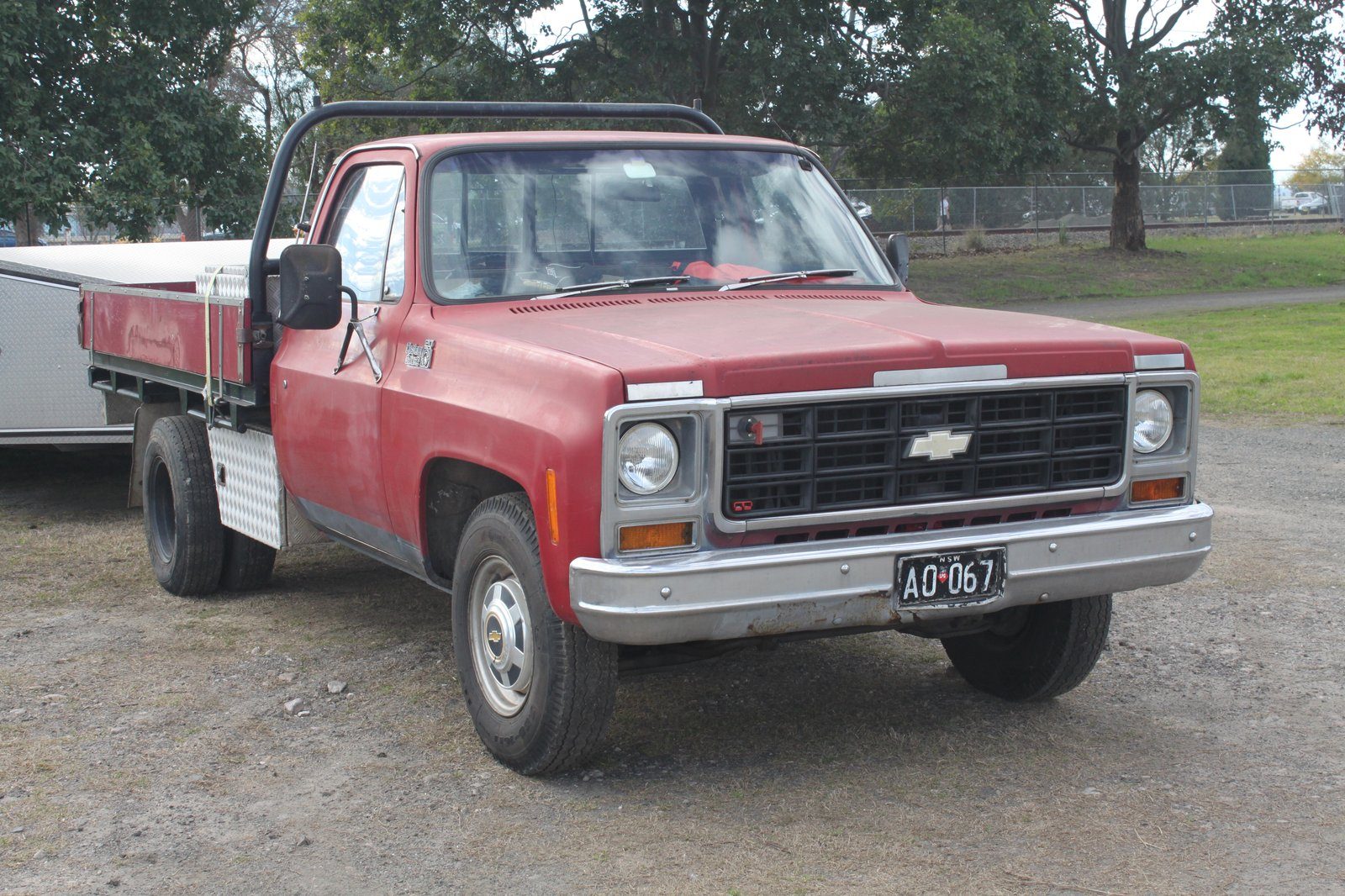
This '70 Chevy C20 Looks Untouched. Underneath, It's a Brand-New Silverado.
Jonathan Ward's ICON 4x4 built a truck that deliberately looks like it was never restored — because the whole point of the Derelict series is hiding a modern chassis under fifty years of honest wear.