
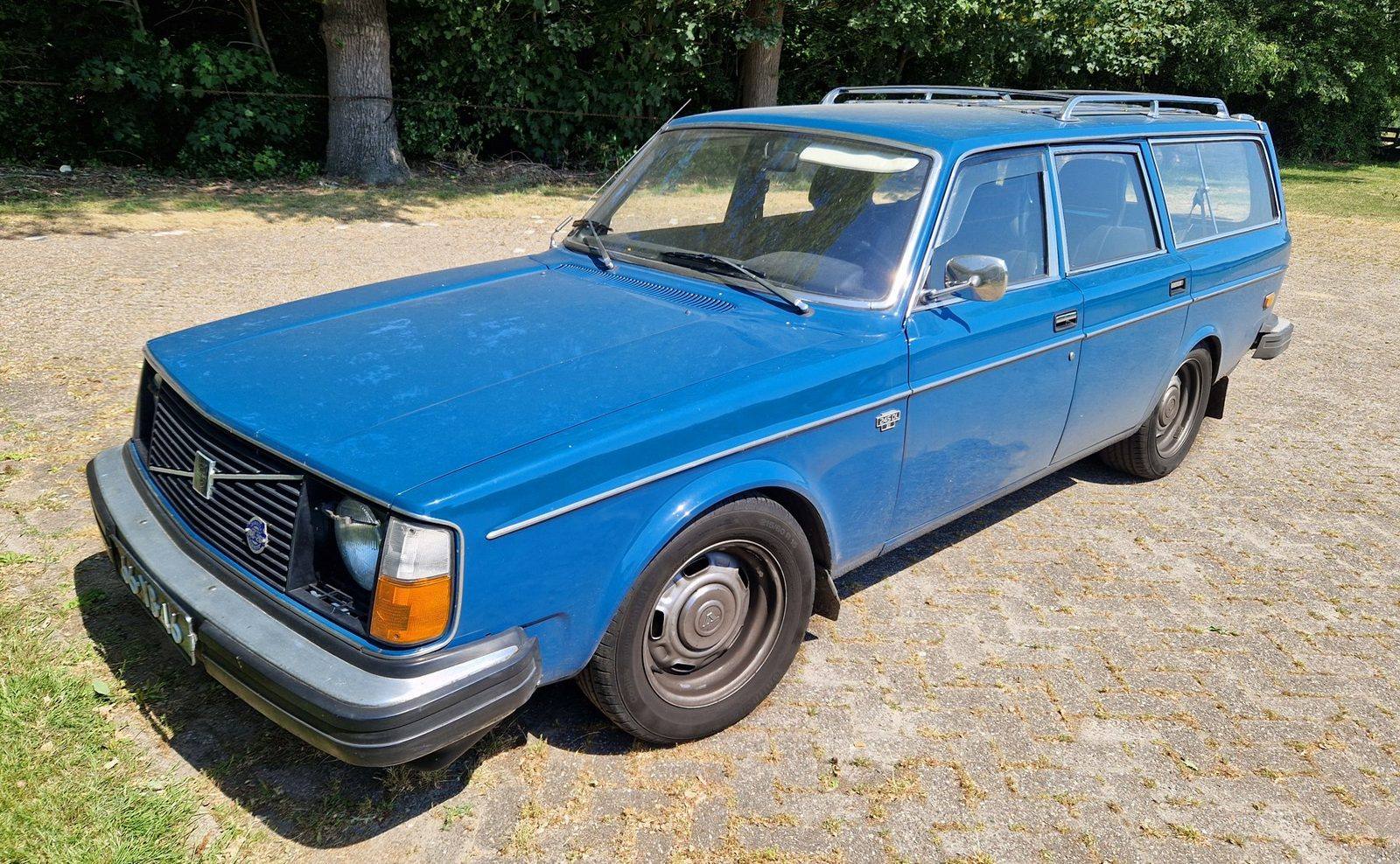
Saga the 240: Why an Instagram Wagon Build Is Still the Best Argument for Old Volvos
@sagabrick daily-drives a 1989 Volvo 240 Estate and posts the unglamorous parts — rain-soaked commutes, tire dressing, trim restoration. It's a good excuse to explain why the 240 earned its indestructible reputation in the first place.
On Instagram, @sagabrick goes by "Saga the 240" — a fitting handle, since almost everything posted there revolves around one car: a 1989 Volvo 240 Estate wagon running a five-speed manual. Saga is a music producer by trade and a car enthusiast the rest of the time, and the account reads less like a build thread chasing horsepower and more like a diary of ownership — a headlight and trim restoration video captioned "that is nice," a moody shot of the wagon idling down a rain-slicked alley with its headlights cutting through the water, fan art of the car done up with custom "Skies" livery. It's a small account — a few hundred followers, fourteen posts — but it's a genuine, ongoing relationship with a 37-year-old Swedish station wagon, which puts it in good company. The 240 has been collecting exactly that kind of devotion since the 1970s.
The Volvo 240 ran from 1974 to 1993 with barely any fundamental change to the formula, which is part of why it built the reputation it has. Volvo's engineering priorities for the car were safety and longevity, full stop — not styling, not cutting-edge tech — and the result was a chassis and drivetrain that was almost aggressively simple to work on. The boxy body panels bolt on and off without drama, the engine bay has room to actually reach everything, and the whole car was designed on the assumption that an owner or an independent mechanic, not just a Volvo dealer, would be the one keeping it alive.
The other half of the reputation is the engine. Most 240s built from the early '80s on ran some version of Volvo's cast-iron "Redblock" four-cylinder, a deliberately over-built, low-stress design that owners have run past 300,000 miles on nothing more than routine maintenance — with plenty of individual cars on record well past 400,000 and 500,000. It's the same basic engineering logic that gave a Volvo P1800 the distinction of the highest-mileage car ever verified, at over three million miles, and while that's a different model, it's the same corporate philosophy the 240 was built under: make it boring, make it strong, and let it run.
That combination — a car that's genuinely hard to kill and genuinely easy to work on — is exactly why the 240 has its own durable subculture instead of just fading into secondhand obscurity like most of its 1980s contemporaries. Wagons like Saga's get passed down, restored one panel at a time, and posted about, not because they're valuable in the collector-car sense, but because they're honest, repairable, and still completely usable as a daily driver decades after Volvo stopped worrying about competing on looks. That's the whole appeal, and it's why a small Instagram account documenting tire dressing and rainy commutes fits into the 240's story as naturally as any concours restoration would.
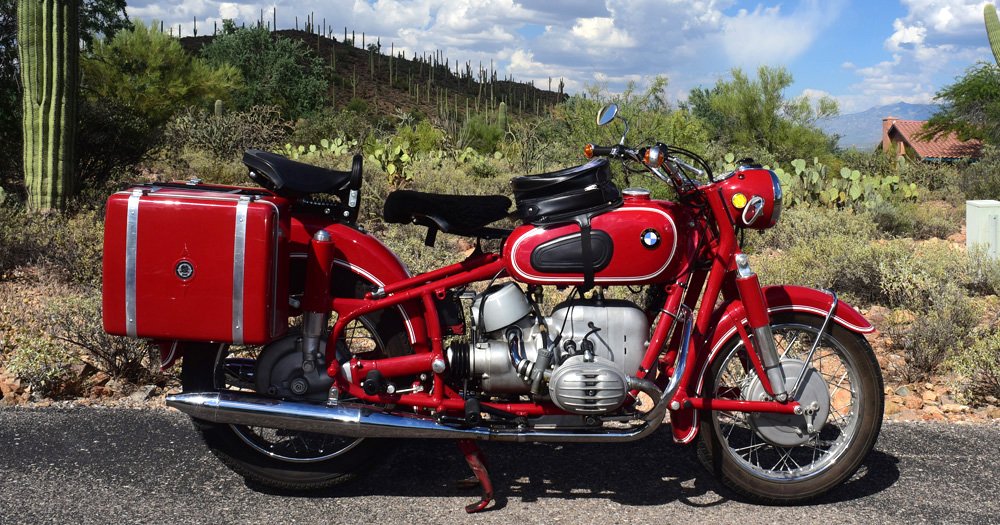
A Marine Bought This BMW R60 in 1960. His Stuntman Son Still Rides It.
Petrolicious profiled Tom McComas and the 1960 BMW R60 his father bought new the week he left the Marine Corps — a bike that stayed in the family through a stolen-and-recovered teenage joyride, a 2,300-mile father-son trip, and a nut-and-bolt restoration.
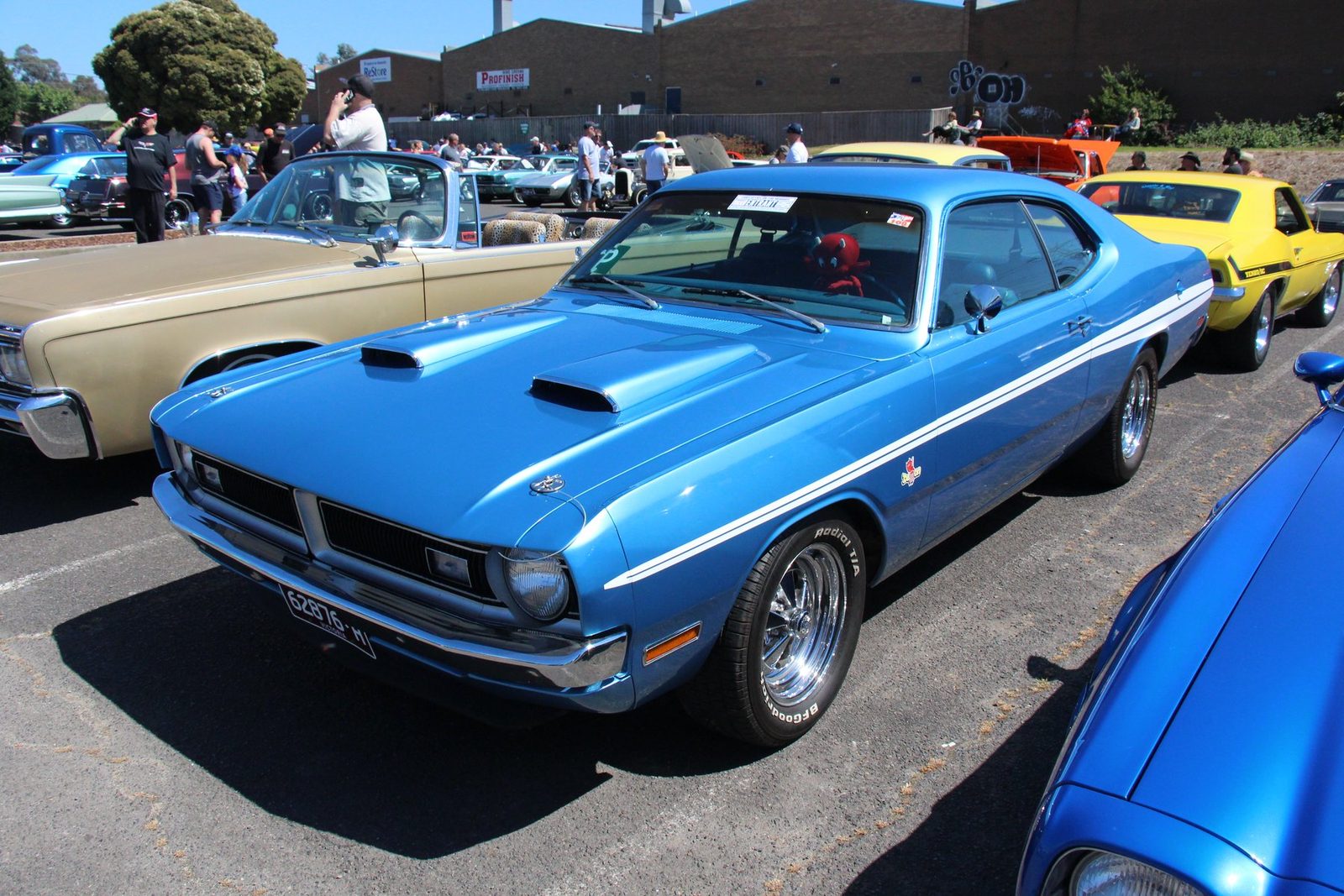
The Dodge Demon That Drove Him Home From the Hospital Never Left the Family
Stuart Lutz has owned his parents' 1971 Dodge Demon since he was 17, but his connection to the car goes back to his infancy — and 55 years later, it's still parked in his driveway in Orange, New Jersey.
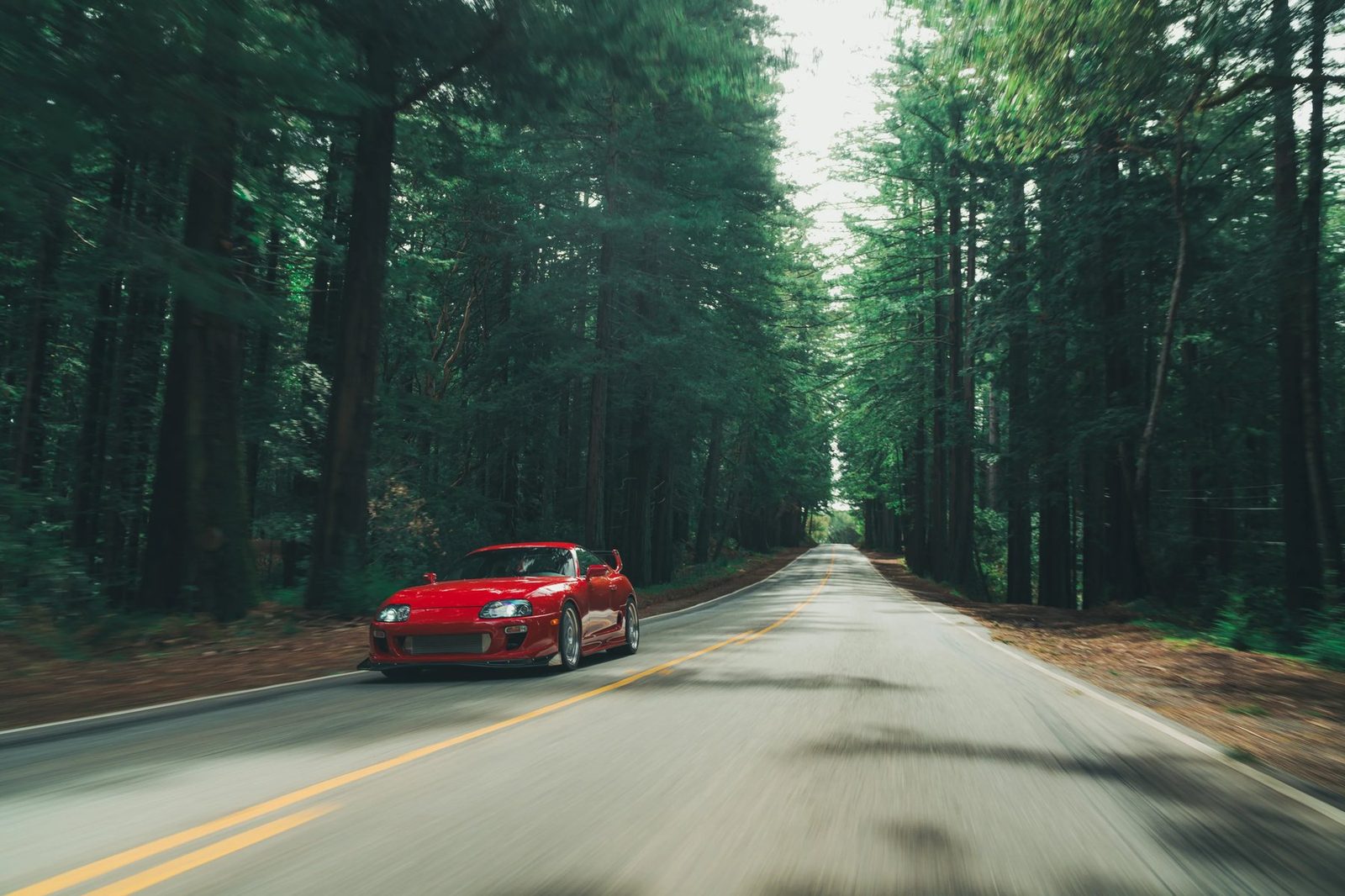
After Thieves Took His First Supra, He Spent Five Years Building the Second One Right
Taj Turner's MkIV Toyota Supra project began with a stolen car and an insurance check — and turned into a five-year build that still stops strangers in the redwoods.