
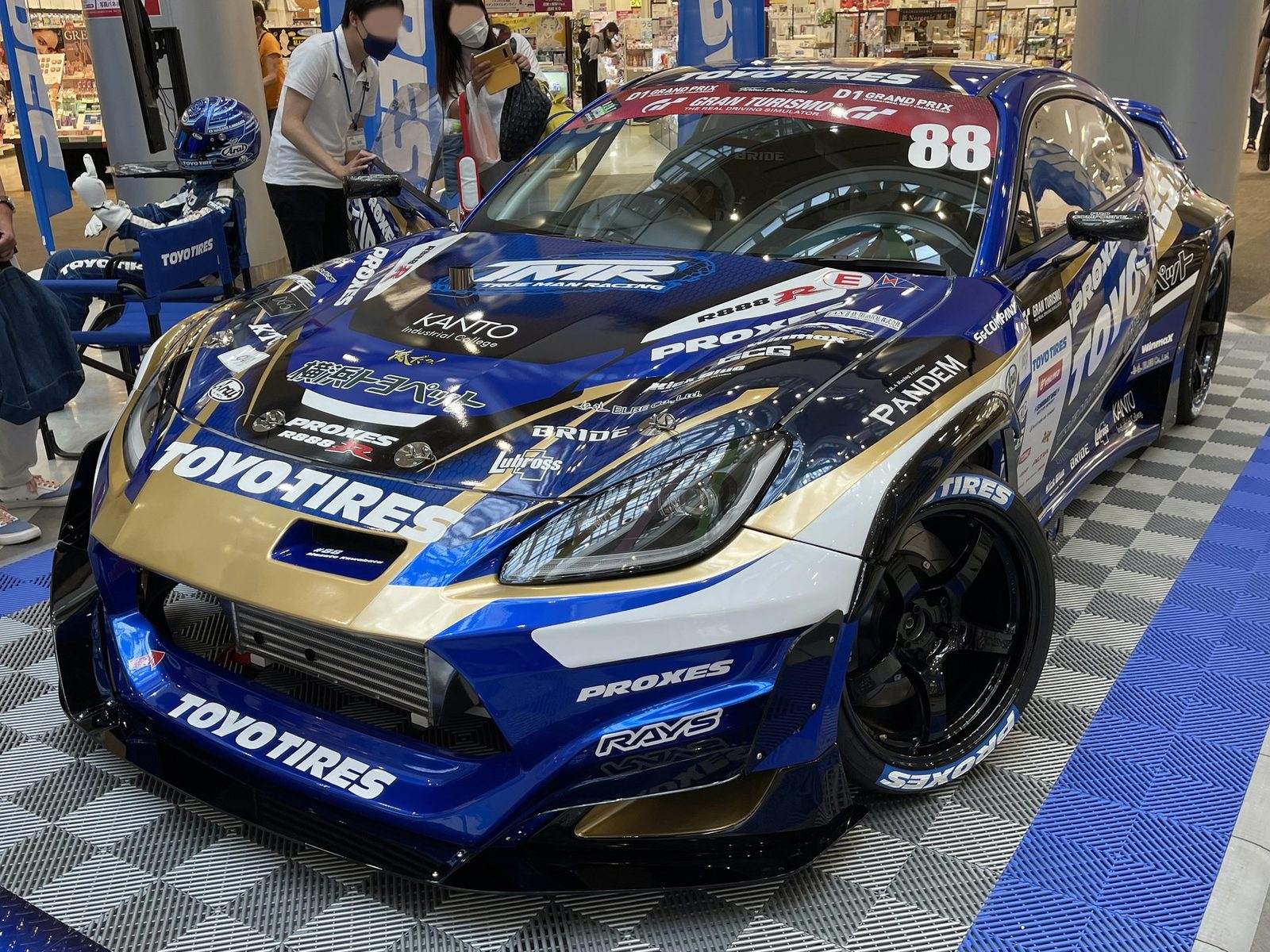
How the Toyota 86 Quietly Became the Modern S-Chassis
Nissan stopped building S-chassis cars in 2002. Toyota and Subaru's affordable, rear-drive answer has spent over a decade filling the gap the 240SX and Silvia left behind.
For most of the 2000s and 2010s, cheap, modifiable, rear-wheel-drive drift and stance culture ran almost entirely on one aging platform: Nissan's S-chassis, the S13 through S15 Silvia and 240SX, none of which Nissan had built new since 2002. Every year the supply of clean, unmolested examples got smaller and the prices climbed. The car that quietly stepped into that gap wasn't a spiritual Nissan successor at all — it was a joint project between Toyota and Subaru.
The Toyota 86 debuted in 2012, developed under chief engineer Tetsuya Tada as a genuine collaboration: Subaru handled assembly at its Gunma plant and supplied its horizontally-opposed flat-four architecture, while Toyota contributed the chassis tuning, styling, and its D-4S direct-injection system, badged as the 4U-GSE engine on the Toyota side and FA20 on Subaru's. It reached showrooms under several names — Toyota 86 across most markets, GT86 in Europe, and Scion FR-S in the US and Canada through 2016 — but the intent was identical everywhere: an affordable, lightweight, rear-drive coupe built explicitly as a spiritual successor to the AE86 Corolla/Trueno, the car that helped define drift culture in the first place. It worked commercially, too — Toyota logged roughly 7,000 orders in the model's first month alone.
What made it a real S-chassis replacement rather than just a nostalgia play was structural. Where an S13 or S14 bought today is, at minimum, three decades old and likely carrying rust, prior collision repairs, or a chassis that's been welded and re-welded through repeated drift use, the 86 arrived new, with a stiffer unibody and no accumulated fatigue. It gave builders the same basic formula — light weight, RWD, a chassis that rewards being thrown sideways — without inheriting thirty years of wear first.
The platform has kept evolving rather than sitting still: Toyota and Subaru moved to a second generation, the GR86, in 2021 with a larger 2.4-liter FA24 engine, and marked the AE86's 40th anniversary in June 2023 with a limited Trueno Edition GR86. Along the way, the 86/GR86 has become a fixture on the grids of Formula Drift and Japan's D1 Grand Prix — proof that a car built to honor a legend ended up becoming one of the platforms carrying the sport forward.
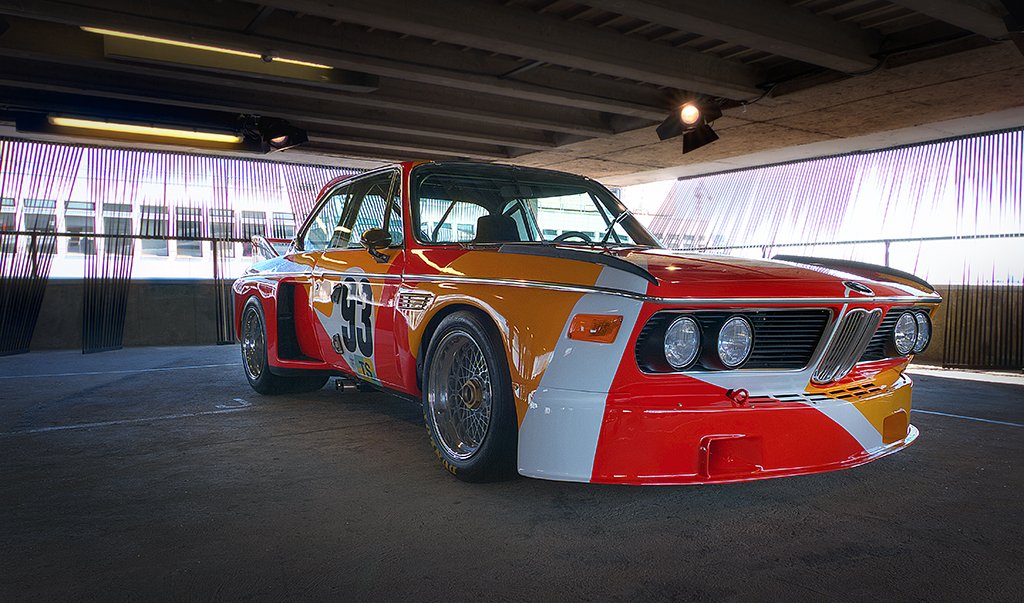
For the First Time, All 20 BMW Art Cars Are Under One Roof in Munich
A free exhibition at BMW Welt brings together five decades of the automaker's Art Car program, from Alexander Calder's 1975 Le Mans racer to Julie Mehretu's 2024 hypercar.
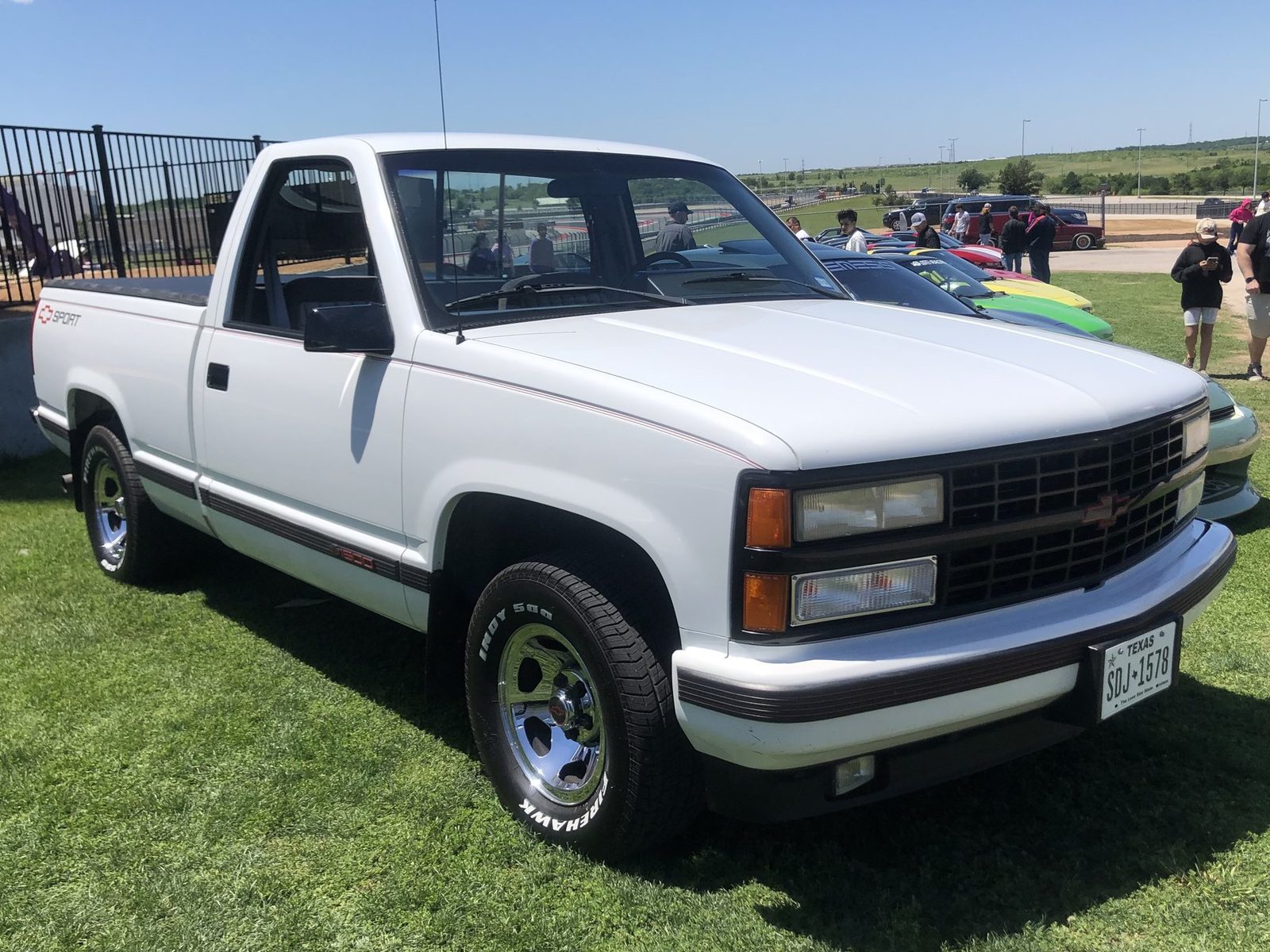
RADwood Brings Its '80s and '90s Car Show Back to Tacoma, This Time Free to Spectators
The traveling nostalgia show that turned Fox-body Mustangs and Radwood-era Japanese coupes into concours material returned to Griot's Garage in Tacoma on July 18, with Hagerty video host Jason Cammisa as the marquee guest.
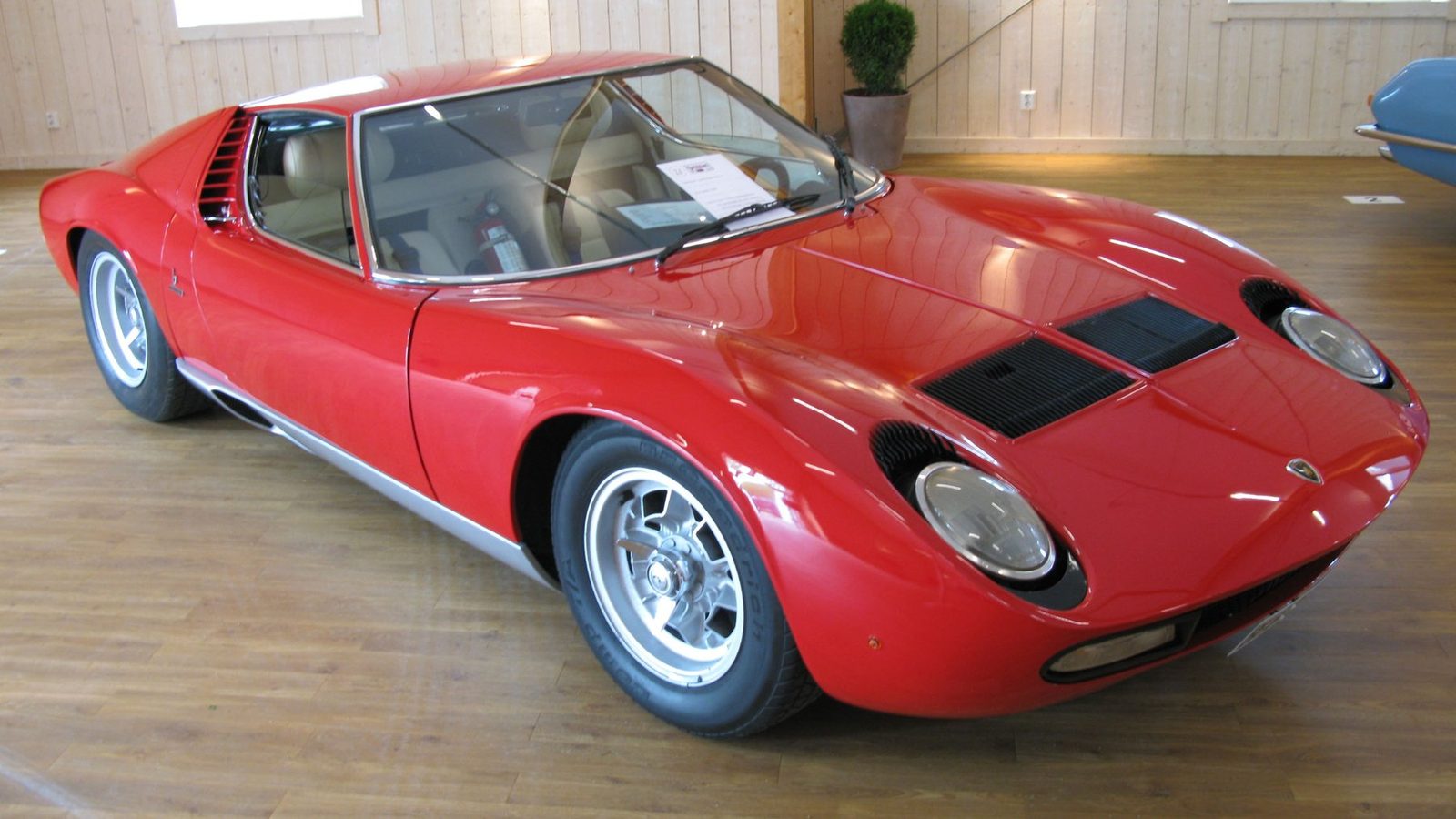
Lamborghini Will Gather Over 40 Miuras on Pebble Beach's 3rd Fairway for the Car's 60th Birthday
For the first time in the Concours d'Elegance's history, a fairway at Pebble Beach Golf Links will be opened to a single-marque tribute, as Lamborghini assembles what it calls the largest gathering of Miuras ever staged.