
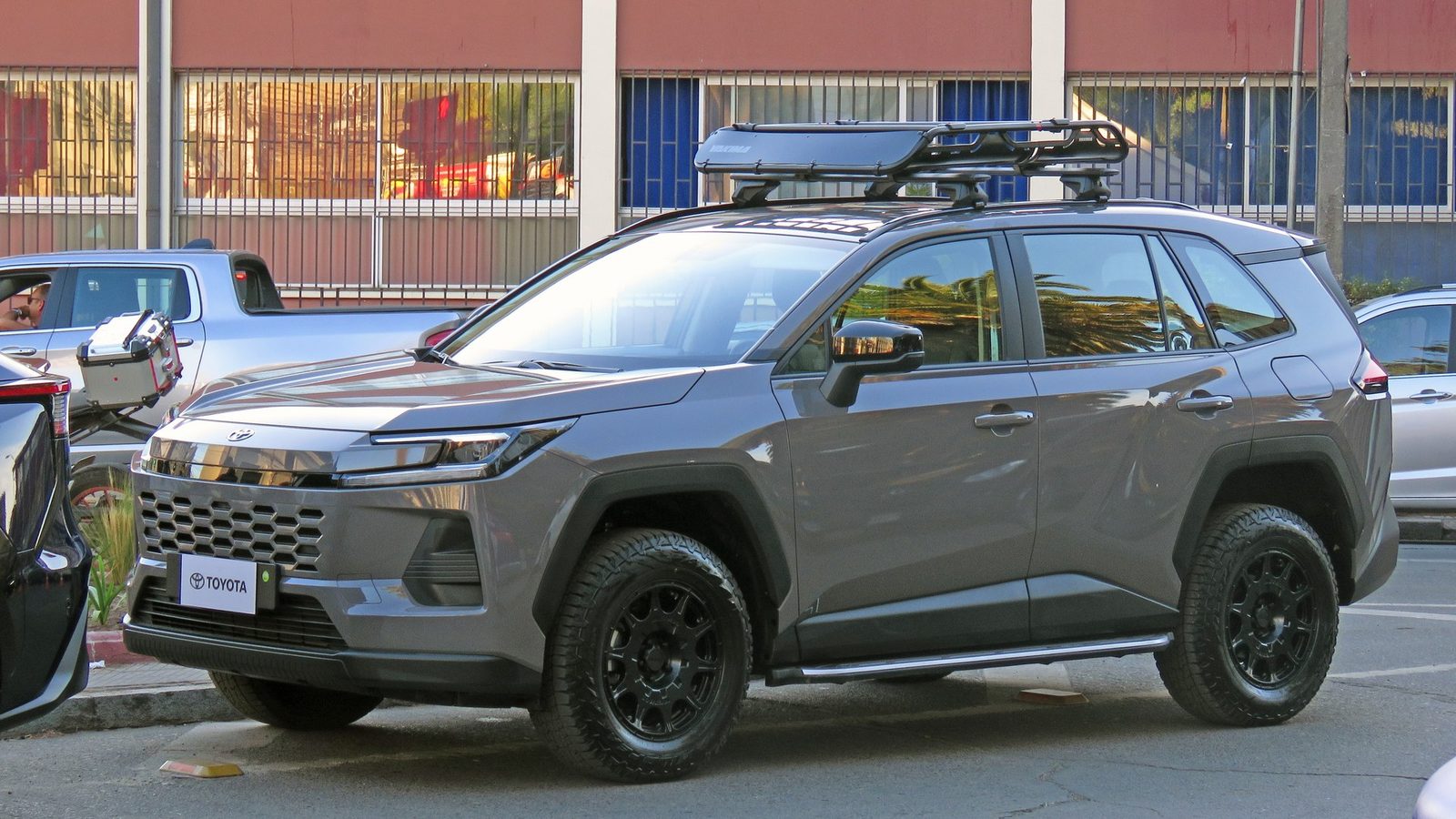
Toyota Killed the Cheap RAV4 Engine, and Somehow Nobody's Actually Mad
The redesigned 2026 RAV4 is hybrid-only, up to 236 horsepower, and rated at 41 mpg combined — reviewers are calling it the best hybrid SUV around. Good luck finding one at sticker price.
- Powertrain
- 2.5L I4 Hybrid or PHEV
- Output
- 226-236 HP (HEV) / 320 HP (PHEV)
- Economy
- 41 MPG Combined (HEV)
- Price
- $31,900-$41,500+ (Before Dest.)
The RAV4 has been America's best-selling vehicle that isn't a full-size pickup for a while now — 479,288 of them found buyers in 2025, an all-time record for the nameplate — and for the redesigned sixth generation, Toyota did something it's never done with this car before: it killed the plain gas engine. Every 2026 RAV4 leaving the factory now ships as a hybrid or a plug-in hybrid, full stop. Toyota's logic isn't a mystery — hybrid demand for this specific SUV has been climbing for years — but making it the only option is still a real bet that buyers won't miss the cheaper, simpler version.
"The new RAV4 now feels like the default answer." — Suvrat Kothari, InsideEVs
The standard hybrid pairs a 2.5-liter Atkinson-cycle four-cylinder with two electric motors (a third joins in on all-wheel-drive models) and a 1.0-kWh battery for 226 horsepower front-drive or 236 with AWD — a real step up from the outgoing hybrid's 219 hp — while returning an EPA-rated 41 mpg combined, according to InsideEVs' testing. The plug-in hybrid gets its own bump: Toyota's own materials put combined system output at up to 320 net horsepower, 18 hp over the last-gen PHEV. The cabin is where the redesign shows up hardest, with a 12.9-inch tablet-style touchscreen, a 12.3-inch digital gauge cluster, a built-in dash cam, and Toyota's new Arene software platform running the show, alongside the latest Toyota Safety Sense 4.0 suite. Pricing opens at $31,900 before destination — about $2,100 more than the old base gas model — and the PHEV starts at $41,500.
Reviewers who've spent real time in it are landing in almost the same place. InsideEVs' Suvrat Kothari called it flat out "the best hybrid SUV I've driven" and argued the new RAV4 "now feels like the default answer" for shoppers who want a crossover but aren't ready to go fully electric. Consumer Reports was more measured but pointed the same direction, calling it "a smart evolution of the previous model" — better ride, better brake feel, a genuinely improved everyday tool, not a reinvention. Forbes was the bluntest about what that actually means in practice: 236 horsepower is "enough for daily traffic," but the RAV4 "is not going to light anyone's fire speed or handling-wise" — which, for a vehicle that exists to be the sensible answer to almost every question a crossover shopper asks, reads less like a knock than confirmation it's still doing its actual job.
The complaints that surfaced are the small, forgivable kind rather than dealbreakers. Forbes flagged wireless phone-pairing hiccups, a sound system that briefly cuts out when the gas engine shuts off at a stop, and a blind-spot monitor that missed at least one approaching car during testing. InsideEVs' gripes ran toward the tech reset itself: front seats without enough bolstering for anything approaching spirited driving, steering that could stand to be more direct, and a dash cam eager to flag routine braking as a "driving incident." None of it looks like it's moving anyone's overall verdict.
The actual complication has nothing to do with how the RAV4 drives and everything to do with buying one. Toyota's Kentucky plant — historically the primary US source for this car — hadn't finished retooling for the new generation as of this spring, according to Forbes, leaving Japan to carry most of early production. The shortage showed up fast: 2026 RAV4s were selling in an average of 12.9 days on dealer lots, per Cars.com reporting, with 2025-model inventory down more than 51% year-over-year and 2026 units listing an average of $71 over MSRP. Toyota built a genuinely better crossover and, for a while at least, couldn't build enough of them to keep the sticker price honest.
None of that is a design failure — it's a supply problem, and those tend to resolve themselves within a model year or two once the second plant catches up. What's actually notable here is how little daylight there is between reviewers: nobody's calling the hybrid-only shift a mistake, nobody's publicly mourning the base gas engine, and the complaints that exist are the kind you'd expect from people nitpicking a car they otherwise rate highly. The RAV4 didn't need to reinvent itself to stay America's default crossover — it just needed to get quietly, thoroughly better, and by every account that's what happened. Whether you can actually find one for anything close to $31,900 before your local dealer's market-adjustment sticker is a separate question entirely.
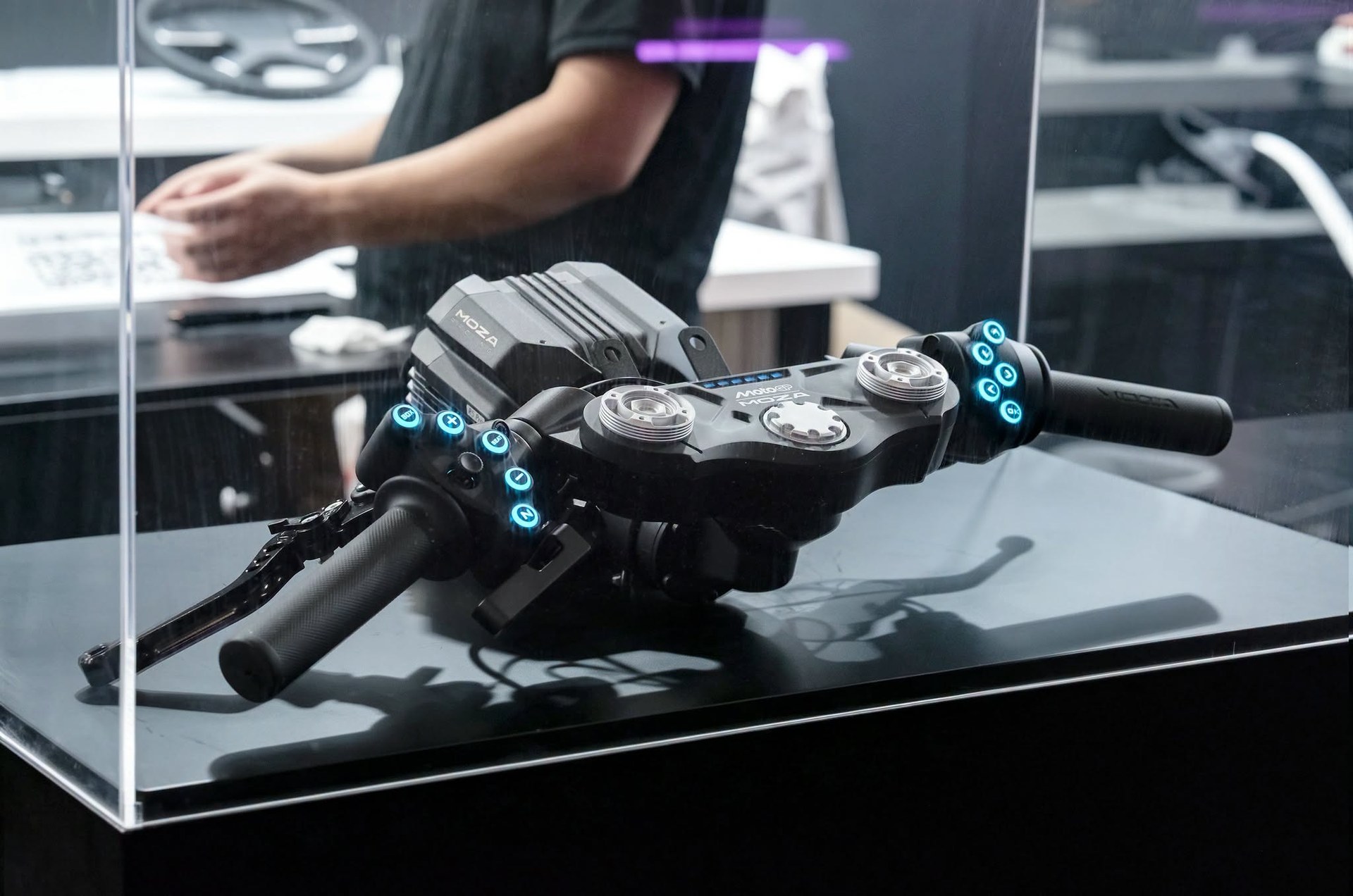
MOZA Brought Four Licensed Wheels to Gamescom. The Thing Worth Watching Was the Handlebar.
Porsche, Ford and two Mercedes wheels made the headlines in Cologne. But the MotoGP-licensed handlebar is the only piece doing something MOZA has never done before — and almost nothing shown has a price.
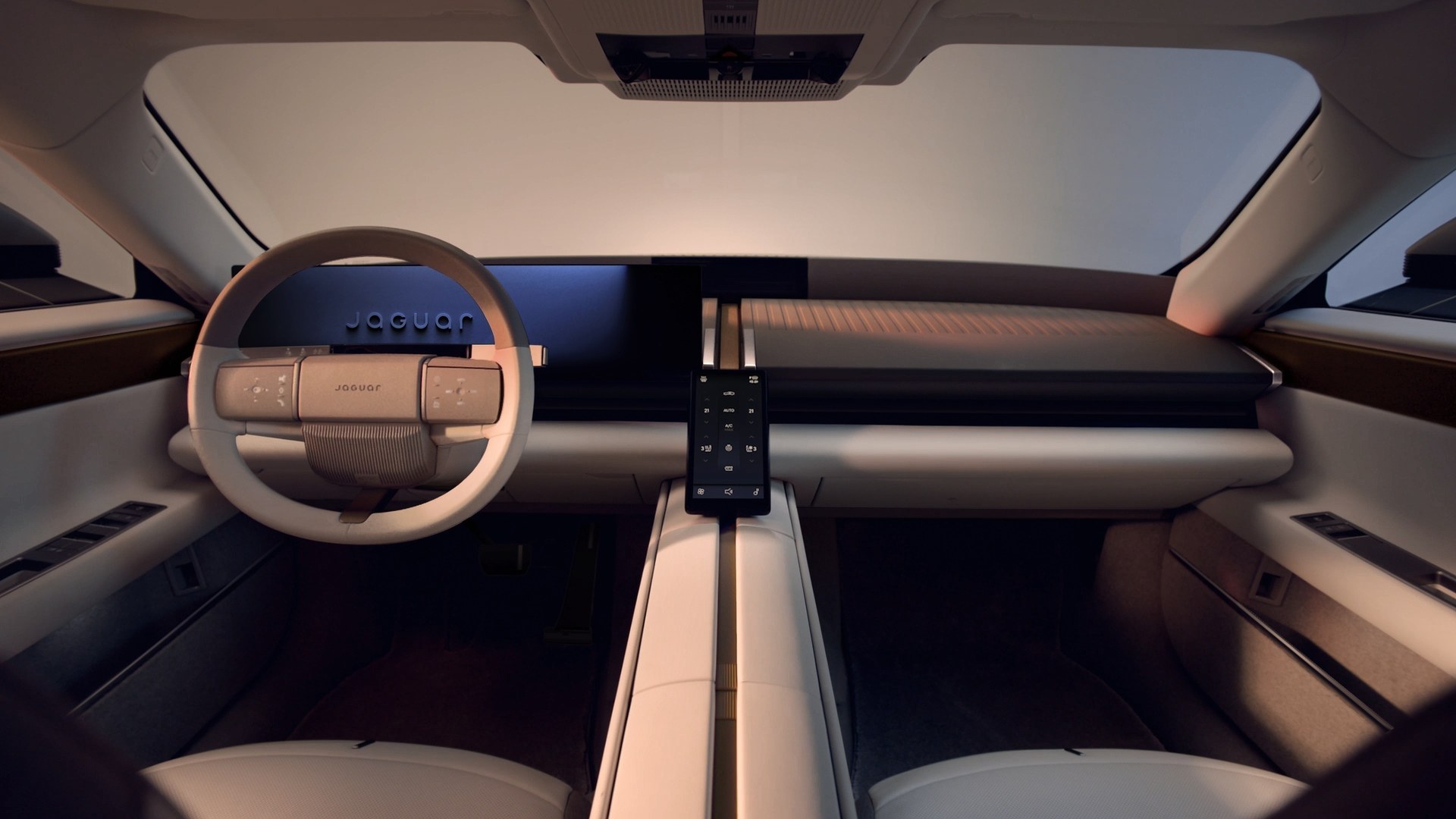
Jaguar Split the Type 01's Cabin Down the Middle
The first interior images of Jaguar's electric four-door GT show a brass-finished spine running end to end, four separate seats, and a dashboard designed to hide most of its technology.
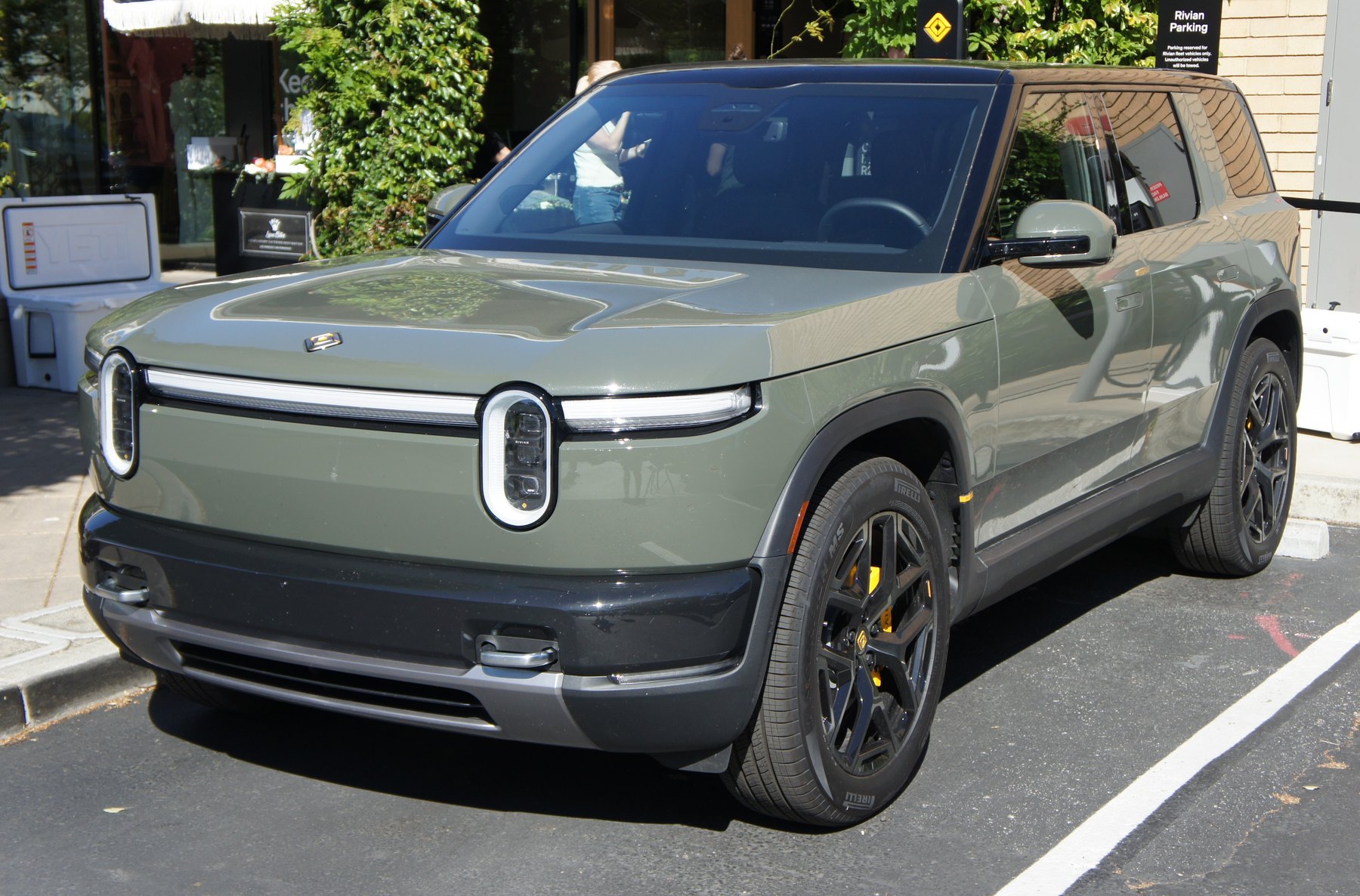
Everybody Loved the Rivian R2. Nobody Has Driven the One That Actually Matters.
The reviews that landed on June 9 were close to unanimous — and every single one of them was of a $57,990 Performance. The $44,990 version Rivian's whole future is riding on doesn't show up until 2027.