
326 Power Is a Number Puzzle That Became One of JDM's Biggest Brands
The name is a phonetic pun on founder Mitsuru Haraguchi's own name. The company exists because his modified suspension knuckles got too popular to keep to himself.
326 Power's name looks like a serial number until you know Japanese numeric wordplay, goroawase, where digits get substituted for words that sound like them. The founder's given name, Mitsuru, breaks into three syllables — mi, tsu, ru — that correspond to the numbers 3, 2, and 6. In Japan the brand is literally called Mitsuru Power; everywhere else, it's 326 Power. It's the same naming convention that shows up all over Japanese car culture, from license plates to team names, and it's genuinely how the company is known internally: the founder's own name, written as a number.
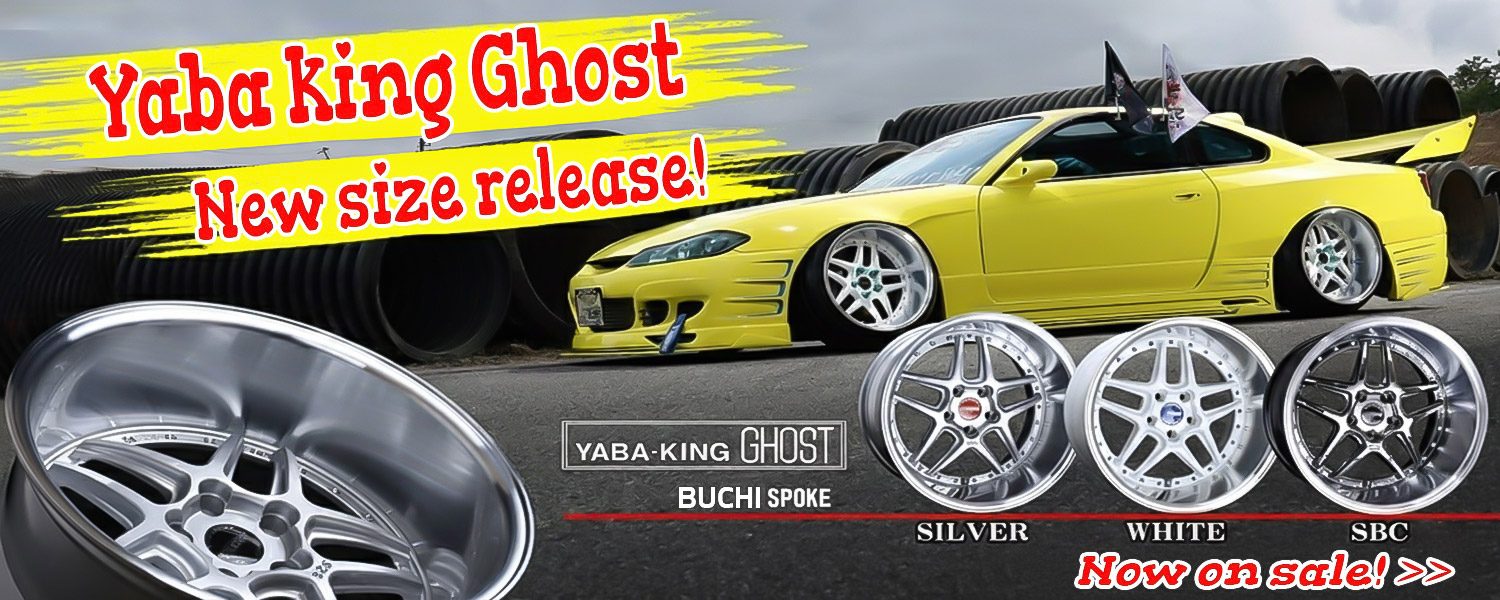
That founder is Mitsuru Haraguchi, and the company exists because of a driving technique, not a business plan. Haraguchi built a name for himself in Japan's drift scene — including coverage in Video Option, the video magazine that documented the era — driving a yellow FC-generation Mazda RX-7 with shortened stock steering knuckles, a modification that let him carry noticeably more steering angle than stock geometry allowed. Other drivers wanted the same setup. Haraguchi started making modified arms to order, and that's the entire origin of 326 Power: a business that began because enough people asked to buy the exact part he'd built for himself.
From there it expanded into what Haraguchi actually became known for — pushing drift car styling lower and wider than what anyone else was doing in the early 2000s, blending Japan's VIP car scene (built around sleek, low, formal luxury sedans) with the aggressive stance of drift builds. That crossover is still 326 Power's identity. The company, based in Saitama, now sells a full catalog under that same DNA: Yaba King wheels, deep-dish steering wheels, and body kits, wings, and lips for platforms from the 350Z and 86/BRZ to the S-chassis Silvia — all still carrying the low, wide, unmistakably Haraguchi look that started with a set of modified knuckles on one yellow RX-7.
It's a small, specific kind of legacy compared to the industry-scale names in Japanese tuning, but it's an honest one: a driver got good enough at one very particular modification that strangers wanted to buy it from him, and thirty years later that's still the entire business, just with a name that only makes sense once someone explains the math.
For the First Time, All 20 BMW Art Cars Are Under One Roof in Munich
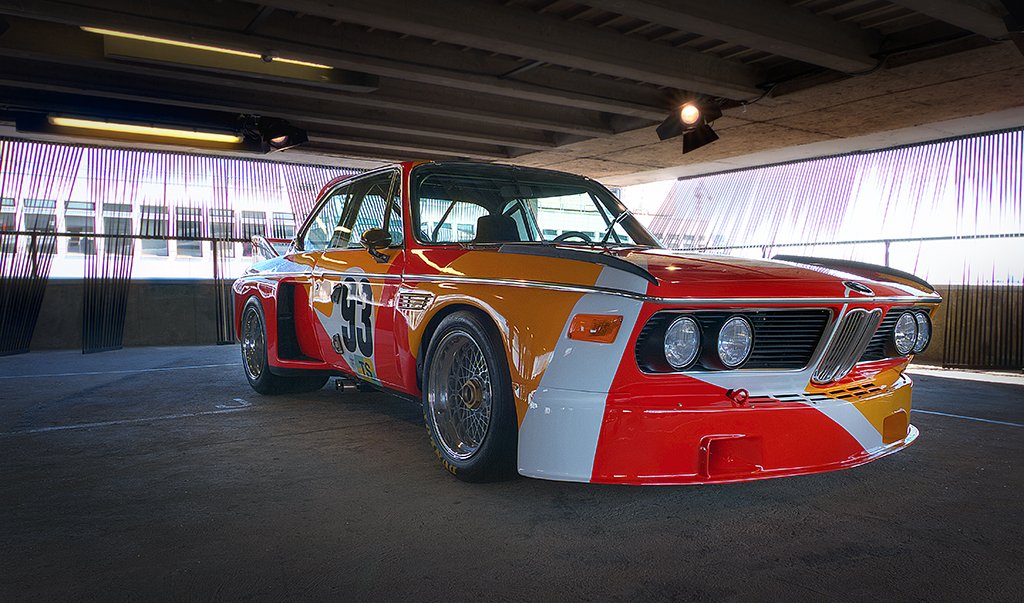
A free exhibition at BMW Welt brings together five decades of the automaker's Art Car program, from Alexander Calder's 1975 Le Mans racer to Julie Mehretu's 2024 hypercar.
RADwood Brings Its '80s and '90s Car Show Back to Tacoma, This Time Free to Spectators
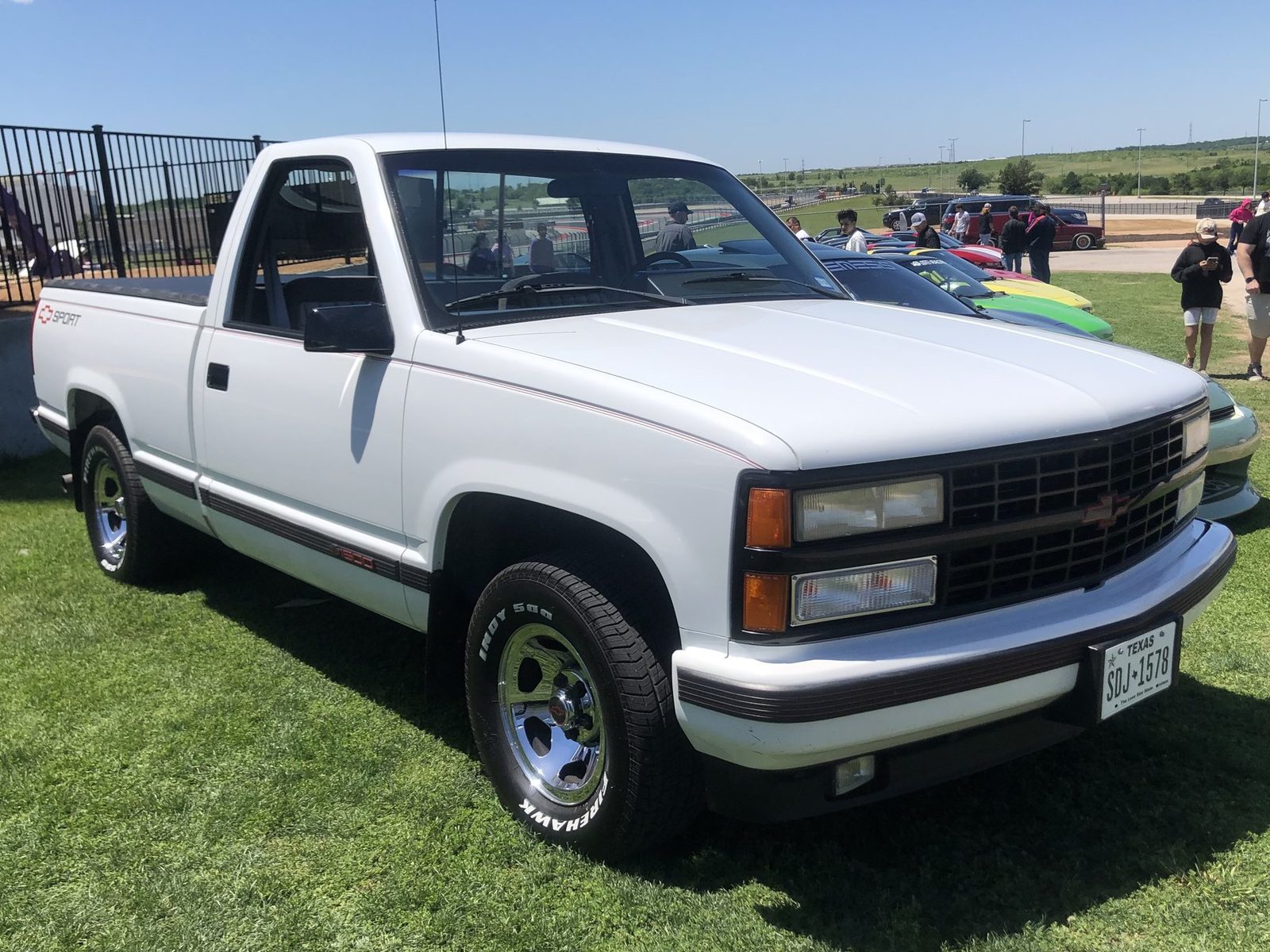
The traveling nostalgia show that turned Fox-body Mustangs and Radwood-era Japanese coupes into concours material returned to Griot's Garage in Tacoma on July 18, with Hagerty video host Jason Cammisa as the marquee guest.
Lamborghini Will Gather Over 40 Miuras on Pebble Beach's 3rd Fairway for the Car's 60th Birthday
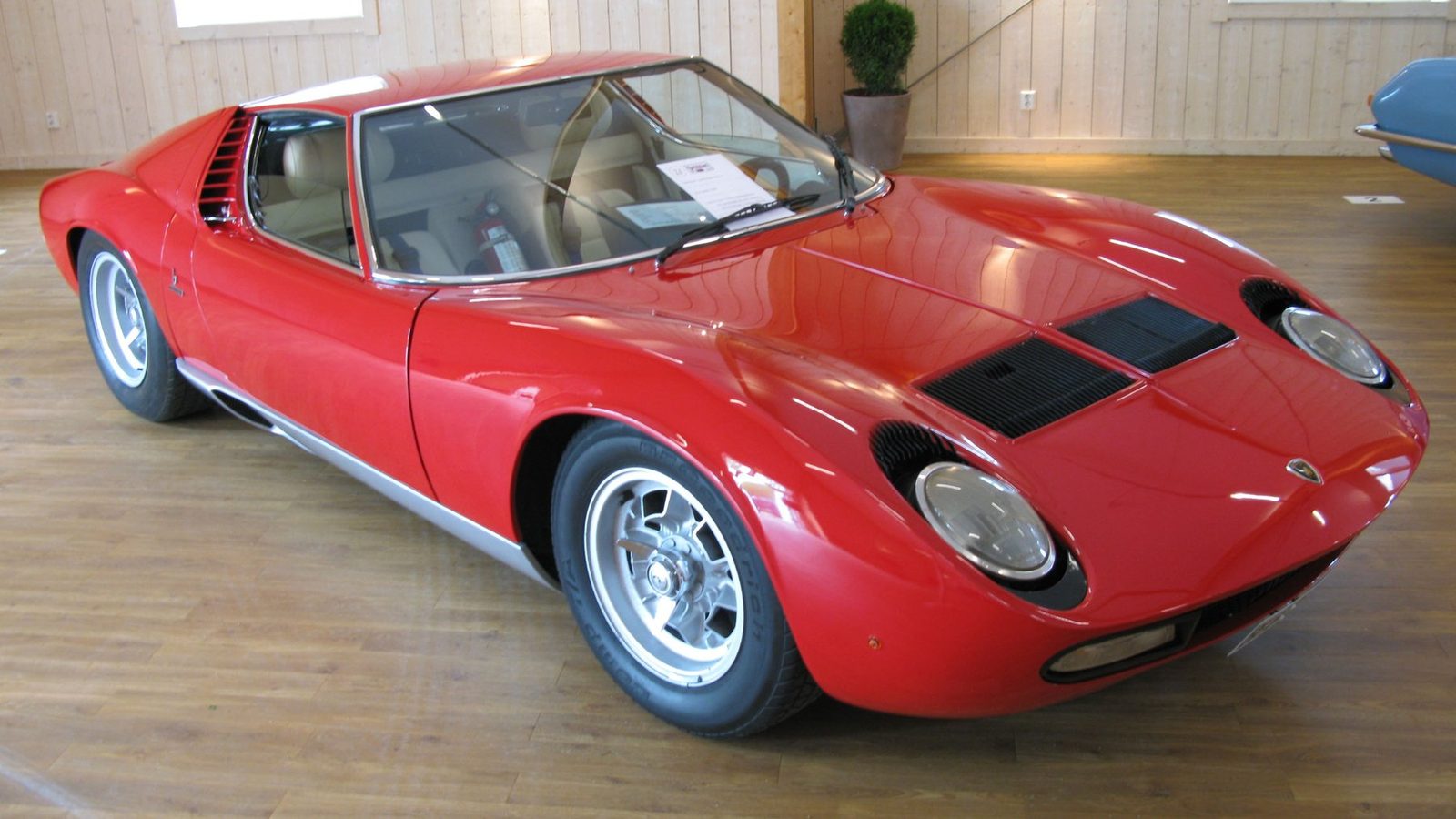
For the first time in the Concours d'Elegance's history, a fairway at Pebble Beach Golf Links will be opened to a single-marque tribute, as Lamborghini assembles what it calls the largest gathering of Miuras ever staged.