
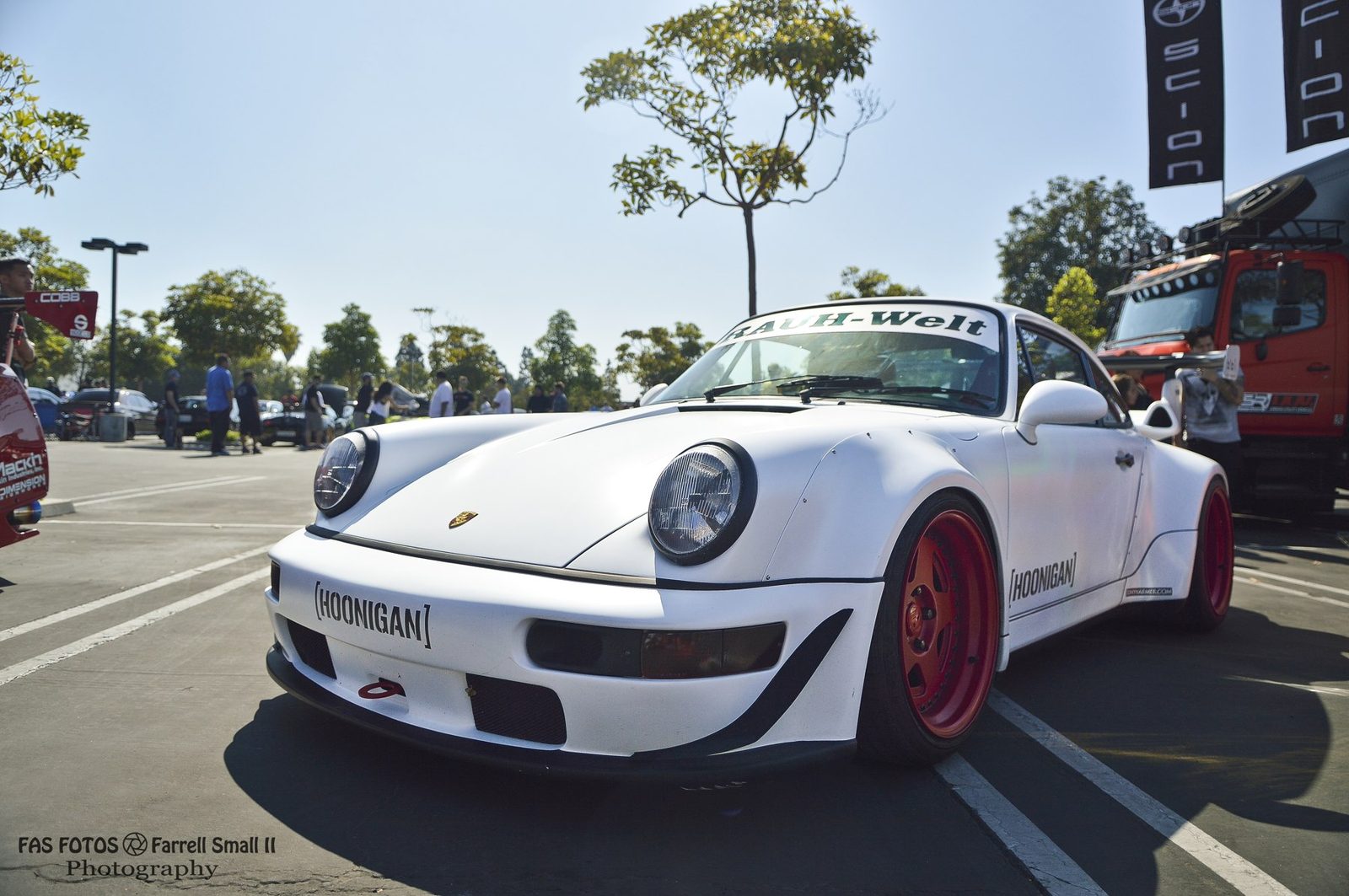
How Japan Turned the Widebody Kit From Street Rebellion Into a Global Business
Every RWB Porsche, Rocket Bunny 86, and Liberty Walk Lamborghini traces back to the same source: 1970s-80s bosozoku culture, and a handful of Japanese builders who grew up in it.
Before there was a widebody kit industry, there were bōsōzoku — Japan's rule-breaking street car and motorcycle subculture that grew out of the 1970s and '80s. Bōsōzoku builds were loud, extreme, and deliberately confrontational: towering exhaust pipes, dramatic paint, and — most relevant here — flared, exaggerated overfenders bolted on to clear deep-dish wheels and stretched tires that had no business fitting under a stock body. Those overfenders weren't styled to look like motorsport parts; a lot of the aesthetic actually borrowed from real Group 5 "Special Production" race cars of the same era, which legitimately needed wide flares to cover wide racing slicks. Bōsōzoku culture copied that look for the street, minus the racing. Every major widebody brand operating today, whether its founders admit it or not, is downstream of that.
Akira Nakai is the clearest example. Born in Chiba in 1970, he started out with a drift crew called Rough World, driving a Toyota AE86, before going to work at a Porsche specialty body shop in the late 1990s. A wrecked Porsche 911 Turbo came through the shop, and Nakai bought it and rebuilt it into the car he'd always pictured — low, dramatically widened, overfendered — and named it Stella Artois, after his beer of choice. That one car became the first RWB Porsche. When Nakai founded his own company, he named it RAUH-Welt BEGRIFF: German for "Rough World Concept," a direct, unhidden reference to the street crew he came up in. Every RWB build since has followed the same method — Nakai personally cuts the factory fenders and hand-fabricates new fiberglass arches to fit that specific car, alone, with no two builds identical.
Kei Miura's path ran through bōsōzoku just as directly, with a stranger detour. Miura raced Osaka's kanjō loop as a bōsōzoku member in the 1980s, and had his driver's license revoked for eight years for it. In 1988, a shop owner who'd seen him drive hired him to design and fabricate parts — not for cars, but for Tokyo Disneyland ride attractions, where Miura picked up the CAD and fiberglass skills that would define his later career. When his license came back, he started building his own designs, blending bōsōzoku overfenders, drift-car proportions, and the wide fenders and big wings of vintage race cars. His company, TRA Kyoto, sells the kits under the name Rocket Bunny — Pandem in the US, after a trademark conflict — and its companion wheel line is called "6666," a nod to Miura's old drift crew, the 666. The Rocket Bunny kit for the Scion FR-S and Subaru BRZ, released not long after that platform launched in 2012, is the one that made the brand a genuinely global name.
Wataru Kato took a more commercial route to the same aesthetic. He founded Liberty Walk in Nagoya in 1993, starting out as a used car reseller rather than a fabricator, and began building body kits for kei cars — small, cheap, everyday Japanese vehicles — long before touching anything exotic. The pivot that made Liberty Walk internationally famous came in the 2000s, when Kato started applying the same wide-fender, exposed-rivet aesthetic to Lamborghinis and Ferraris instead of kei cars. His first full widebody kit for a Lamborghini Murciélago debuted at the 2009 SEMA Show in Las Vegas and made him an instant celebrity in a market that had never seen anything like it: a supercar with the visual language of a street-built Japanese kei car.
None of these three builders set out to create a global industry — Nakai was rebuilding a wrecked Porsche, Miura was recovering from a license suspension, Kato was reselling used cars. What actually happened is that the specific aesthetic vocabulary of 1970s-80s Japanese street culture — wide overfenders, low stances, aggressive proportions — turned out to translate to literally any car, from a Porsche 911 to a Lamborghini to an $18,000 Subaru. That's the real throughline connecting a Osaka kanjō loop from four decades ago to a Liberty Walk Aventador parked outside SEMA today: the aesthetic never actually changed. It just kept finding a new car to attach itself to.
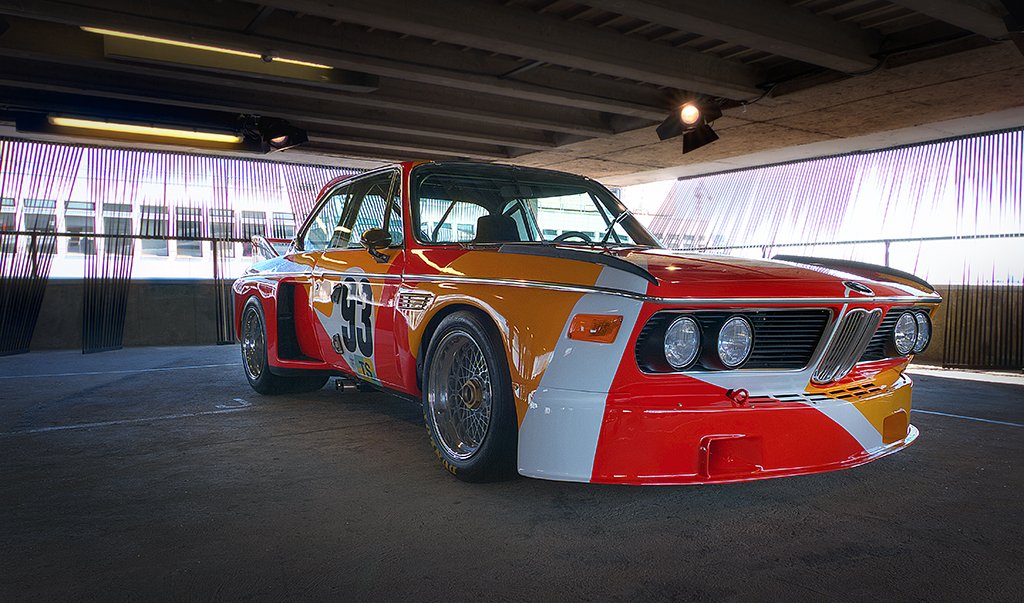
For the First Time, All 20 BMW Art Cars Are Under One Roof in Munich
A free exhibition at BMW Welt brings together five decades of the automaker's Art Car program, from Alexander Calder's 1975 Le Mans racer to Julie Mehretu's 2024 hypercar.
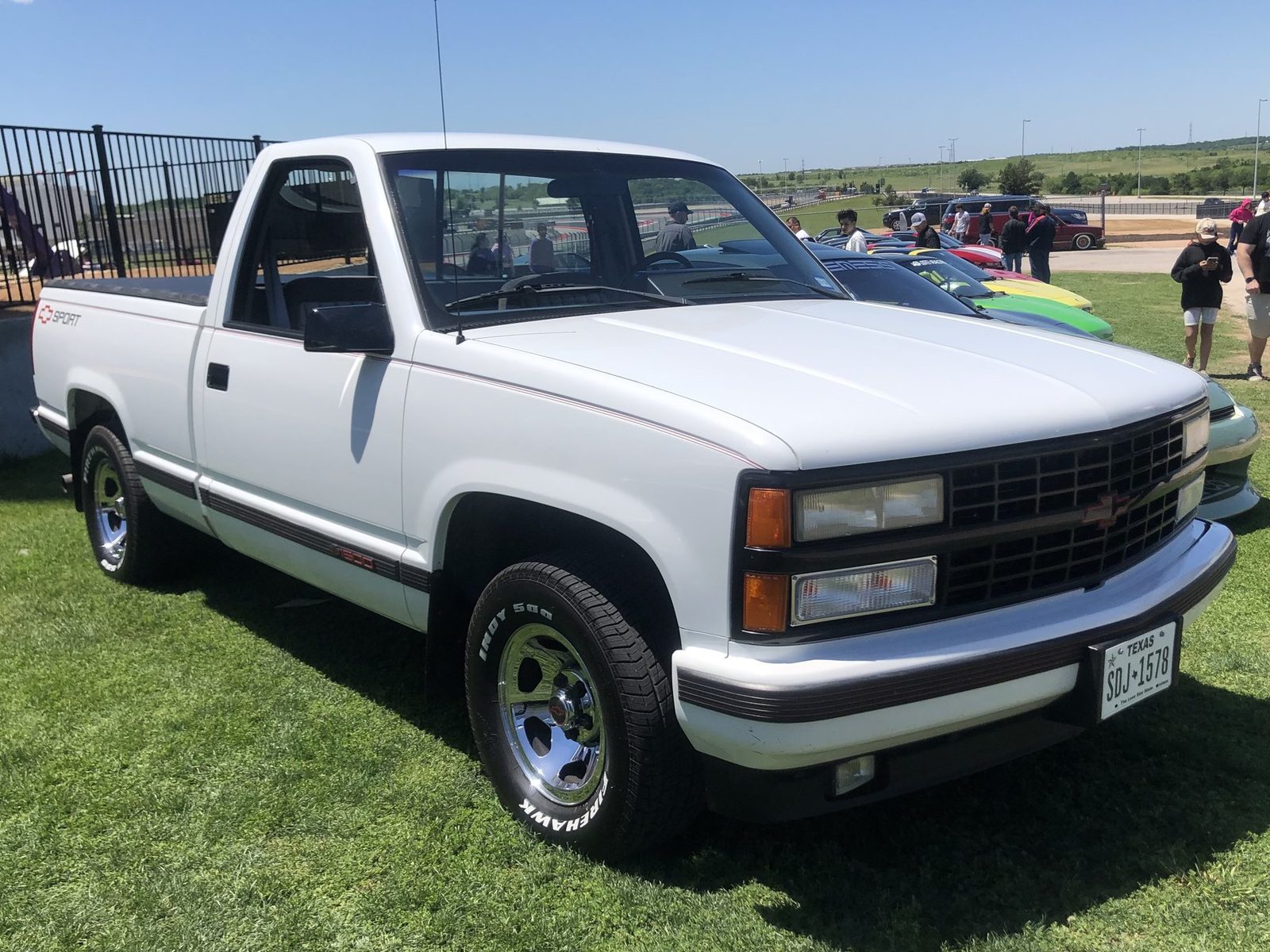
RADwood Brings Its '80s and '90s Car Show Back to Tacoma, This Time Free to Spectators
The traveling nostalgia show that turned Fox-body Mustangs and Radwood-era Japanese coupes into concours material returned to Griot's Garage in Tacoma on July 18, with Hagerty video host Jason Cammisa as the marquee guest.
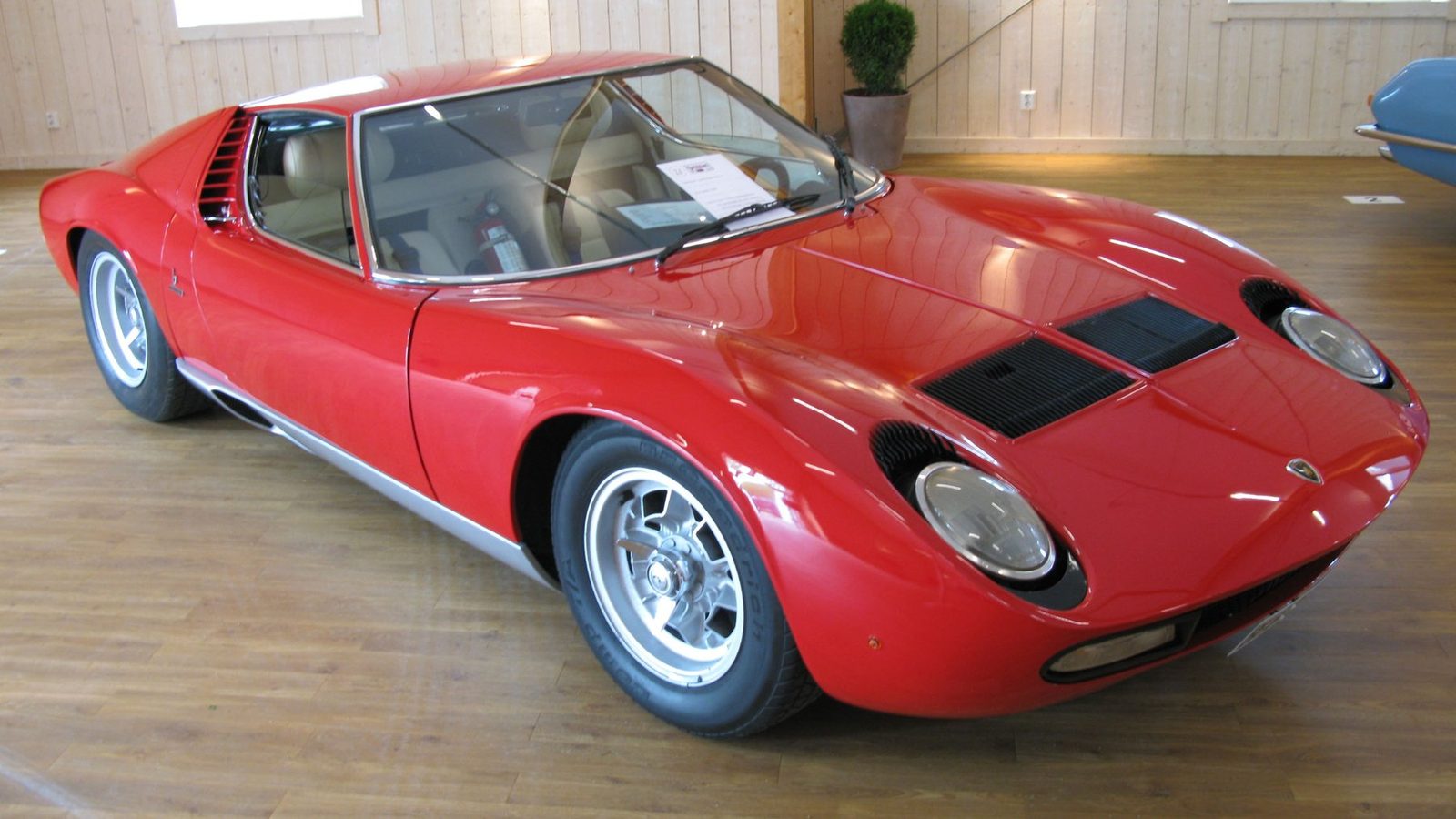
Lamborghini Will Gather Over 40 Miuras on Pebble Beach's 3rd Fairway for the Car's 60th Birthday
For the first time in the Concours d'Elegance's history, a fairway at Pebble Beach Golf Links will be opened to a single-marque tribute, as Lamborghini assembles what it calls the largest gathering of Miuras ever staged.