
It's 7/7: Inside the Cult That Never Stopped Celebrating the Rotary
From Yokohama's Daikoku PA to a Queens tuner collective, July 7th has become the RX-7 and Wankel engine's unofficial holiday — rooted in a Le Mans win no other rotary has matched.
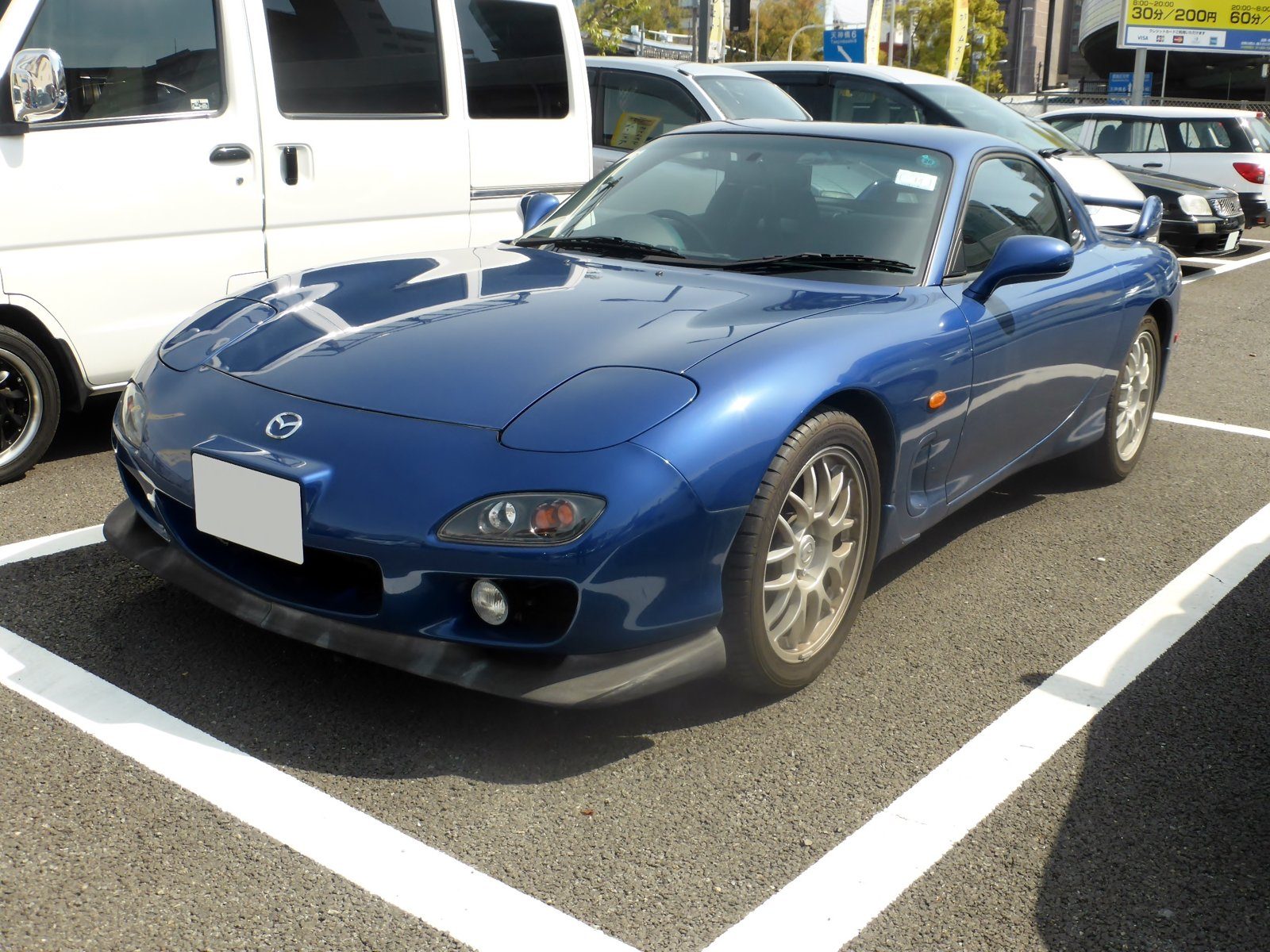
July 7th has become an unofficial holiday for one very specific slice of car culture: Mazda's rotary engine and the RX-7 that carried it to icon status. The date follows a pattern common in Japanese car culture, where meets get built around numerology — the same instinct that turns March 2nd through 4th into an informal Nissan Skyline gathering (3/2, 3/3, 3/4, for the R32, R33, and R34). For rotary owners, the '7' in RX-7 made July 7th the obvious pick, and the tradition has since spread well past Japan. The largest gathering happens at Daikoku Parking Area in Yokohama, where RX-7s spanning all three generations — SA, FC, and FD — show up alongside RX-3s, RX-2s, RX-8s, and the occasional Veilside-bodied nod to Tokyo Drift. In New York, the Japanese tuner collective Prime has run its own 7's Day meet for several years now: "July 7th, the day of the Mazda RX7 and the Rotary Engine," the group wrote announcing this year's gathering, "a day of celebration and unity for Japanese car culture in NYC and around the world."
"July 7th, the day of the Mazda RX7 and the Rotary Engine — a day of celebration and unity for Japanese car culture in NYC and around the world." — Prime NYC
The car being celebrated came in three distinct generations. The original SA22C launched in Japan in March 1978 as a replacement for the Savanna RX-3 and ran through 1985 (later cars in that run are usually split out as the "FB" series, for cosmetic and engine-control updates). The second-generation FC followed from 1985 to 1991, offered with the 13B rotary in naturally aspirated or turbocharged form. The final FD3S went on sale in Japan in December 1991 and ran until 2002, pairing a twin-turbocharged 13B-REW with a curb weight light enough that even its factory power figures — up to 280 PS by the end of its run — still feel quick today. What all three share is the engine underneath: a Wankel rotary, spinning a triangular rotor inside an oval housing instead of pistons moving up and down in cylinders. Fewer moving parts, less inherent vibration, and a willingness to rev far past what a piston engine of the same displacement could handle — tradeoffs like oil consumption and seal wear are exactly why Mazda ended up one of the only manufacturers that kept building them.
The rotary's biggest flex came on a racetrack. In 1991, Mazda's four-rotor 787B won the 24 Hours of Le Mans outright — still the only overall Le Mans win for a rotary-powered car, and the only one for a manufacturer running a non-piston engine. Drivers Volker Weidler, Johnny Herbert, and Bertrand Gachot took the win with the R26B engine deliberately capped at 8,500 rpm for fuel economy, running three spark plugs per rotor and telescopic intake runners that changed length with engine speed. The FIA banned rotary and other alternative engine designs from the top class the following season, part of why that win has never been repeated — nobody's been allowed to try. Mazda hasn't sold a rotary-powered sports car since the RX-8 ended production in 2012, though the engine itself isn't dead: it resurfaced in 2023 as a range-extender generator in the European and Japanese-market MX-30 R-EV (a U.S. version was announced, then quietly canceled). For the people showing up at Daikoku PA or a Queens parking lot today, that's beside the point — 7's Day was never really about what Mazda is currently building.
The 2CV Was a Shortage Made Into a Car. An EV Can't Inherit That
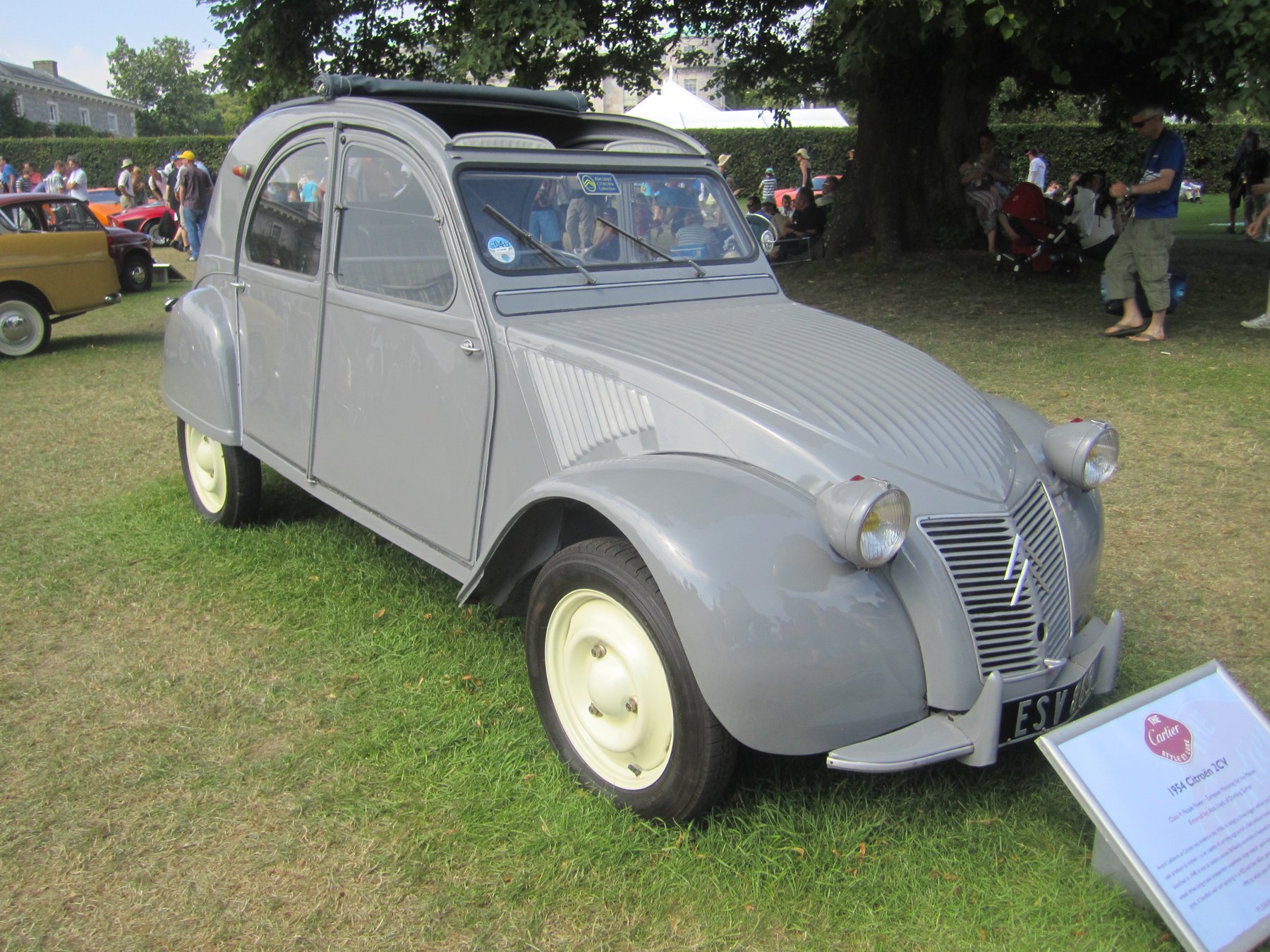
Citroën is teasing an electric 2CV concept for Paris. The original was the product of a design brief about potatoes, clogs and unpaved roads — and of a France that had almost no steel, no fuel and no money.
For the First Time, All 20 BMW Art Cars Are Under One Roof in Munich
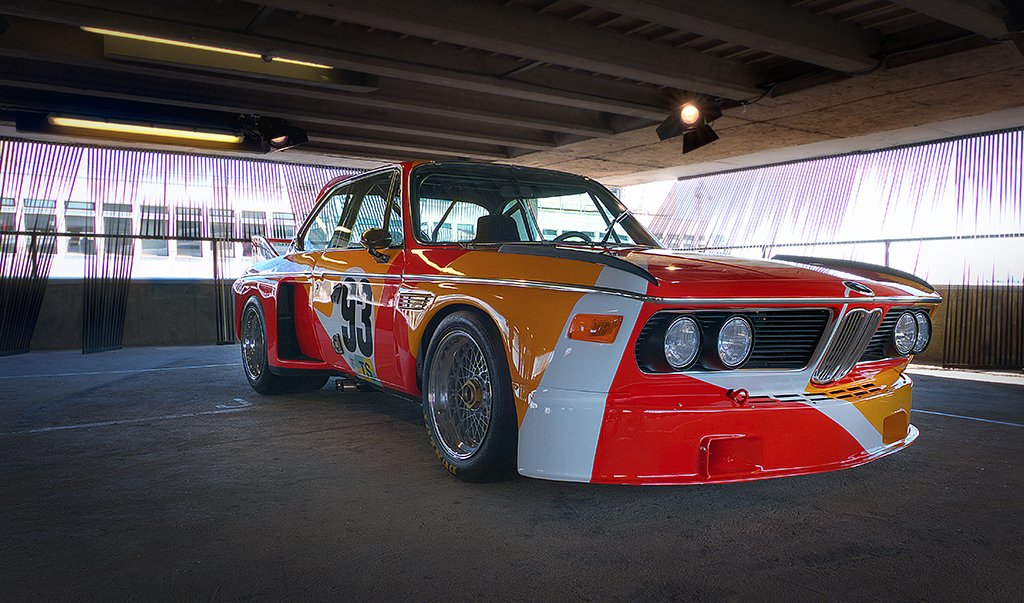
A free exhibition at BMW Welt brings together five decades of the automaker's Art Car program, from Alexander Calder's 1975 Le Mans racer to Julie Mehretu's 2024 hypercar.
RADwood Brings Its '80s and '90s Car Show Back to Tacoma, This Time Free to Spectators
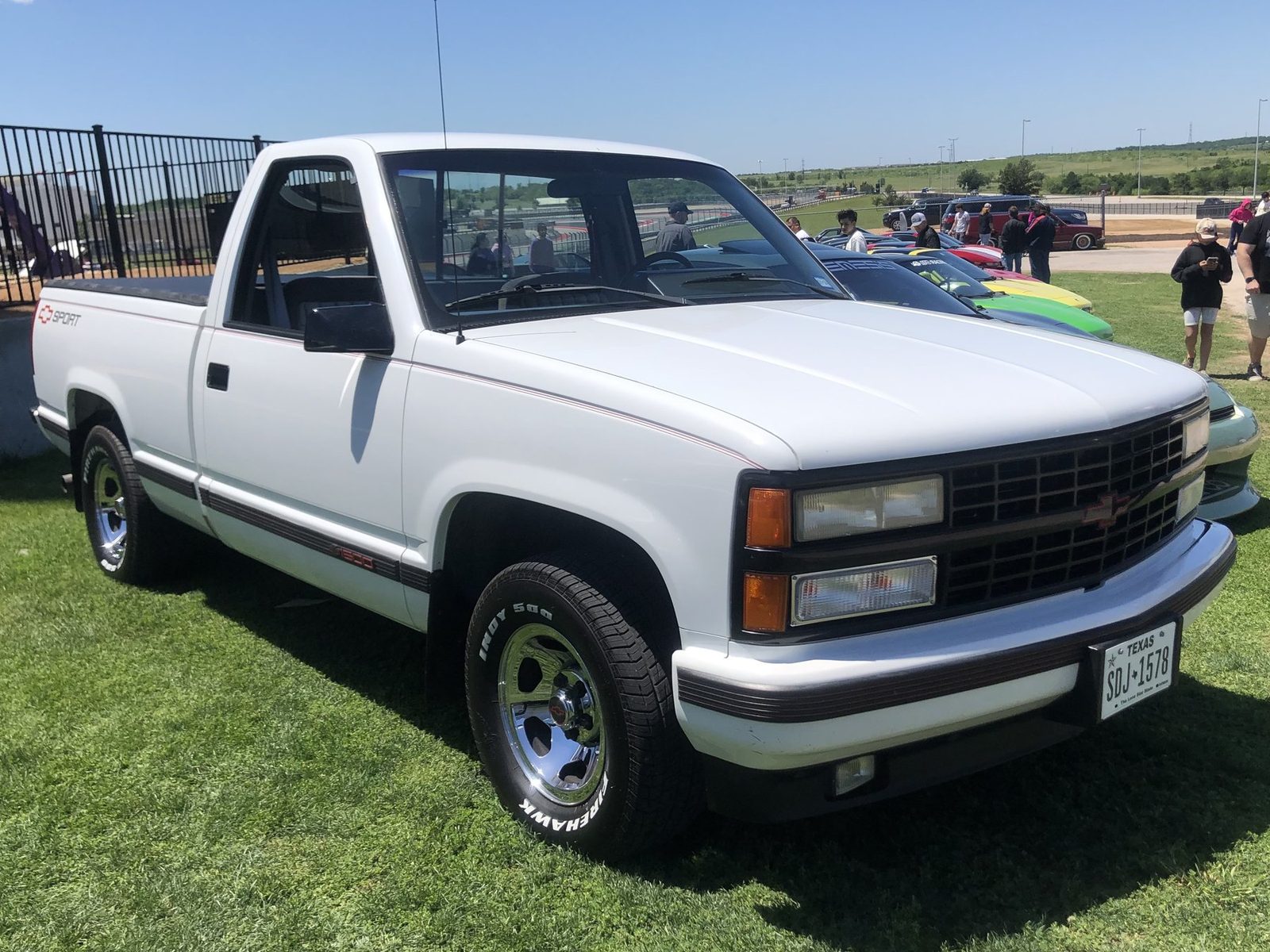
The traveling nostalgia show that turned Fox-body Mustangs and Radwood-era Japanese coupes into concours material returned to Griot's Garage in Tacoma on July 18, with Hagerty video host Jason Cammisa as the marquee guest.