
From the AE86 to the Devil Z: How Anime and Action Movies Built Car Culture's Mythology
Initial D made the Hachiroku a legend, Wangan Midnight turned the Shuto Expressway into a battleground, and a Vibe magazine article about NYC street racing eventually became a nine-film franchise. Fiction didn't just reflect car culture — it recruited half the people in it.
A huge amount of car culture wasn't built at racetracks or dealerships — it was built in manga panels, anime cels, and 35mm car-chase footage, by people who fell for a specific car years before they ever sat in one. The pipeline runs both directions: real touge and Wangan racing scenes fed the stories, and then the stories sent a new generation of fans out looking for the exact cars they'd watched on screen. Few franchises illustrate that loop better than Initial D, Wangan Midnight, and the Fast & Furious series — three very different works that each turned a real corner of Japanese or American car culture into a global obsession.
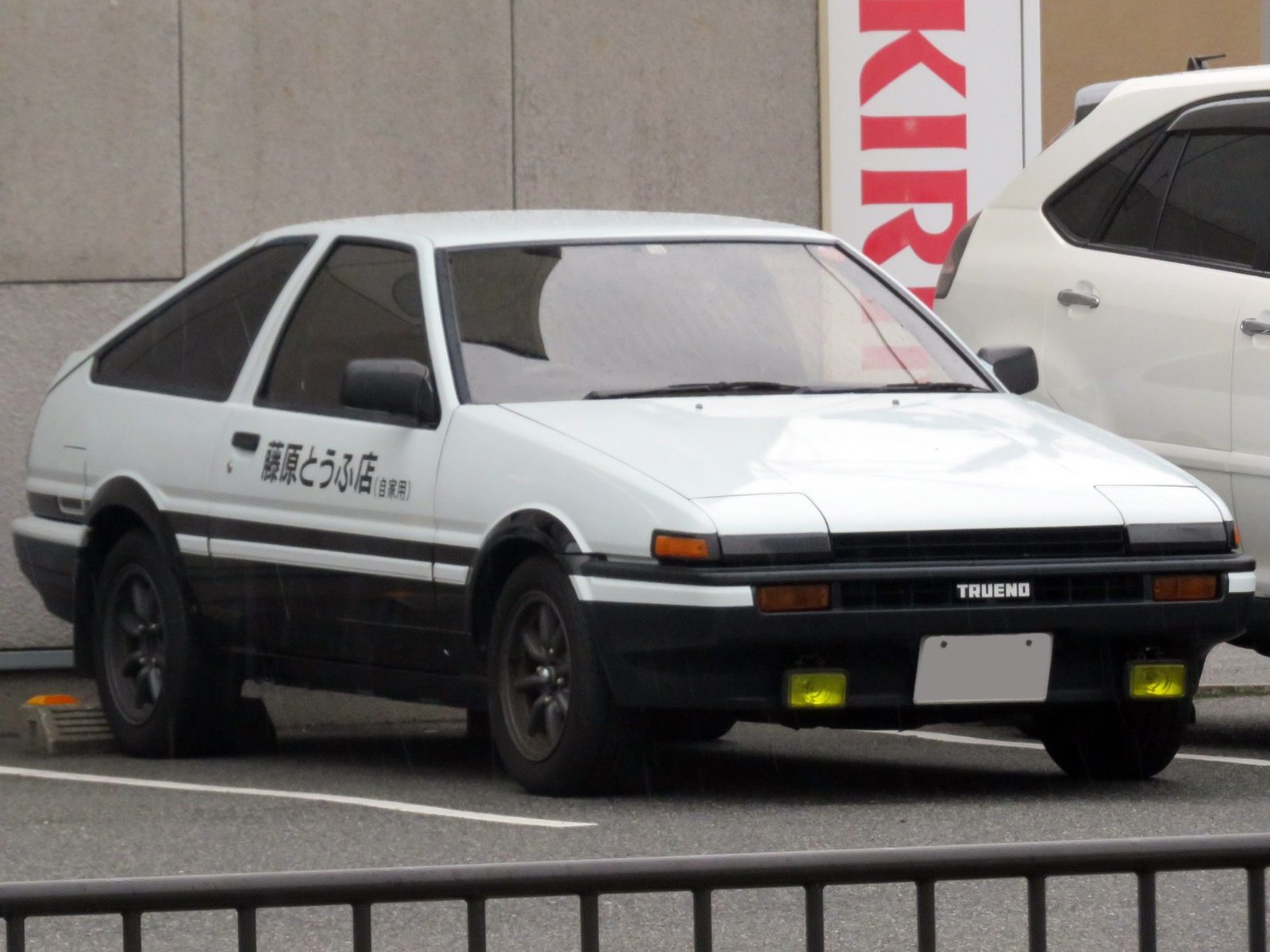
"A tofu delivery car has no business embarrassing a Skyline on a mountain pass — and that's exactly why the AE86 became a legend."
Shuichi Shigeno's Initial D began serialization in 1995 and ran until 2013, following Takumi Fujiwara, a tofu-shop delivery driver who spends his early mornings hauling bean curd down Mount Akina's hairpins in his father's Toyota Sprinter Trueno AE86 — without realizing he's been quietly becoming one of the fastest downhill drivers in the prefecture. The premise turned a genuinely unglamorous car into a legend: the AE86, a mid-1980s Corolla-platform coupe with a 4A-GE four-cylinder and no turbo, no all-wheel drive, and none of the horsepower its rivals had. What it did have was near-perfect 50:50 weight distribution and a chassis that rewarded a driver who understood weight transfer better than one who just had more engine. Initial D didn't invent touge (mountain pass) racing or drifting, but it explained the mechanics of both to a global audience for the first time, in the level of technical detail its manga-artist creator clearly cared about — and it's a large part of why clean AE86s, once cheap secondhand JDM econoboxes, now command real money at auction decades after Toyota stopped building them.
Michiharu Kusunoki's Wangan Midnight, serialized from 1990 to 2015, told a parallel story set on pavement instead of mountain switchbacks: Tokyo's Shuto Expressway Bay Shore Route, the Wangan, where illegal high-speed runs push cars well past 300 km/h in the dead of night. Its central car is the "Devil Z," an old blue first-generation Nissan Fairlady Z (S30) that protagonist Akio Asakura rebuilds from a junkyard wreck around a heavily built, twin-turbocharged version of its original L28 inline-six — a car with a history of killing its previous drivers, which is where the name comes from. Its rival is the "Blackbird," a heavily modified Porsche 911 Turbo (964) that becomes the Devil Z's white whale over the course of the series. Where Initial D is about cornering technique on a mountain, Wangan Midnight is about straight-line nerve on a public expressway most viewers will never legally push past 100 km/h — a different flavor of the same instinct to chase a specific, real stretch of road.
Kenichi Sonoda's Gunsmith Cats, a manga from 1991 to 1997 that got a two-episode OVA adaptation in 1995 and 1996, sits a little outside the racing-anime lane — it follows bounty hunters Rally Vincent and Minnie May Hopkins through Chicago, and it's built around gunplay and bail-jumping cases more than street racing. But Sonoda is a genuine car obsessive, and it shows: Rally's daily driver is a 1967 Shelby GT500 — an Acapulco Blue Mustang fastback built with Carroll Shelby, running a 428 big-block V8 — which Rally calls her "Cobra" thanks to the badging all over it, even though it's a different car entirely from the AC-based Shelby Cobra roadster. It's rendered with the kind of panel-line and proportion accuracy that comes from an artist who actually studies the cars he draws rather than approximating them, and it's a reminder that the anime/car-culture crossover isn't a single genre — it's a sensibility that shows up anywhere a creator cares enough to get the machinery right.
American car chases have their own lineage, and it starts well before any of the above. Peter Yates's Bullitt (1968) gave Steve McQueen's Highland Green Ford Mustang GT 390 Fastback a ten-minute chase through San Francisco against a Dodge Charger R/T that's still taught as a reference point for how to shoot a car chase without music, without dialogue, and without cutting away from the cars. The Fast and the Furious franchise traces back to a very different source: a 2001 Vibe magazine article, "Racer X" by Kenneth Li, about the real illegal street-racing scene in 1990s New York City. The 2001 film adaptation spun that into a global franchise, and by its third entry — 2006's The Fast and the Furious: Tokyo Drift, directed by Justin Lin — the series was explicitly borrowing from Initial D's playbook: drifting as the central skill, a Mount Akina-style touge setting, and Han Seoul-Oh's RX-7 doing thematic double duty as both a plot device and a direct nod to the JDM culture that had already made drifting famous on the other side of the Pacific.
None of this is a one-way tribute act. The Hachiroku's used-market price didn't climb because Toyota did anything to it after 1987 — it climbed because two generations of Initial D fans went looking for the real thing. The same is true of the Mk IV Supra after Fast & Furious, or the FD RX-7 after Tokyo Drift and Veilside's body kit became shorthand for the whole aesthetic. Fiction gave people a reason to care about specific, real, buyable cars, and car culture spent the following twenty years absorbing that reason wholesale — which is exactly why a tofu-shop delivery car is still, four decades later, one of the most recognizable silhouettes in the entire hobby.
The 2CV Was a Shortage Made Into a Car. An EV Can't Inherit That
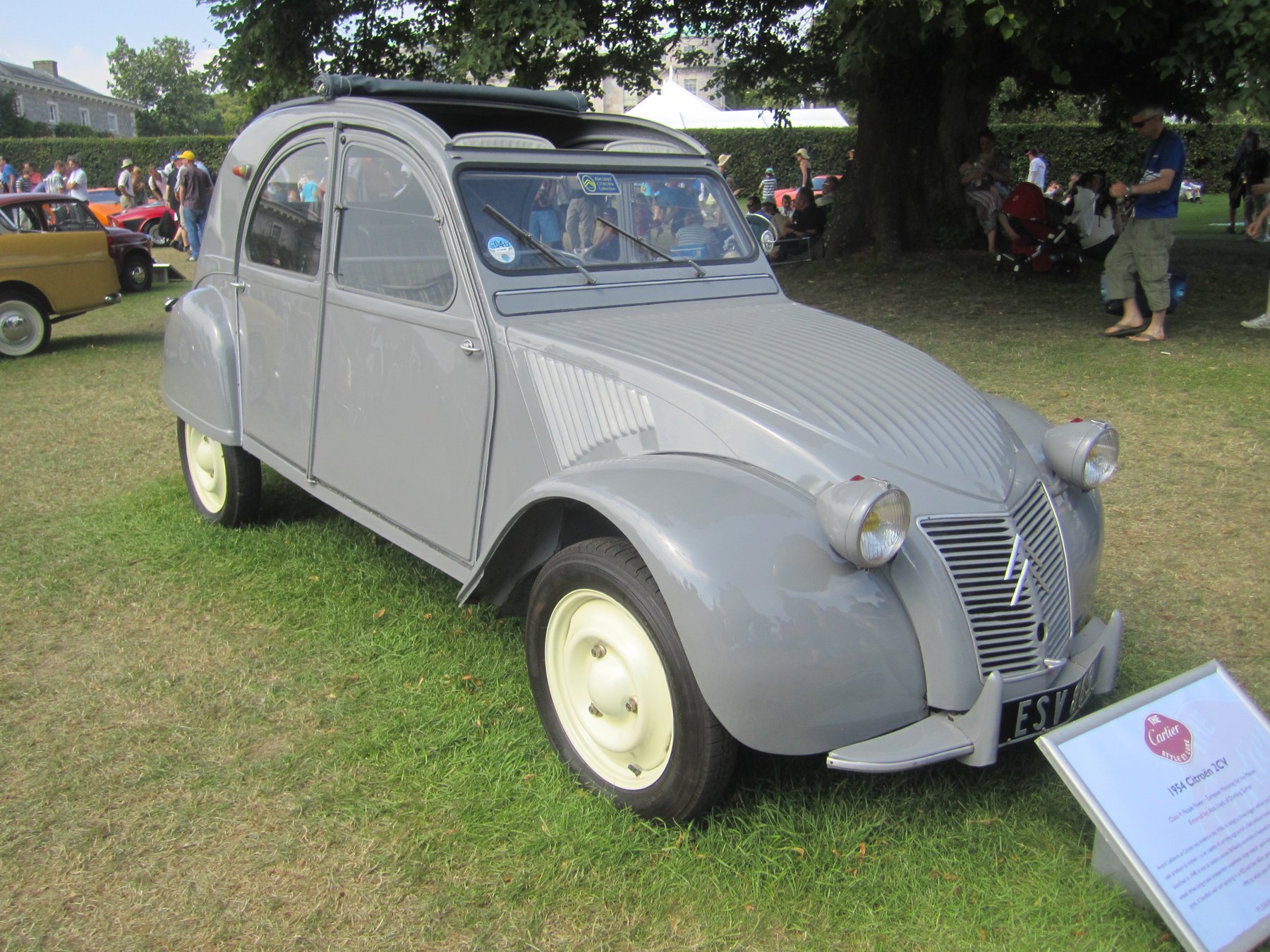
Citroën is teasing an electric 2CV concept for Paris. The original was the product of a design brief about potatoes, clogs and unpaved roads — and of a France that had almost no steel, no fuel and no money.
For the First Time, All 20 BMW Art Cars Are Under One Roof in Munich
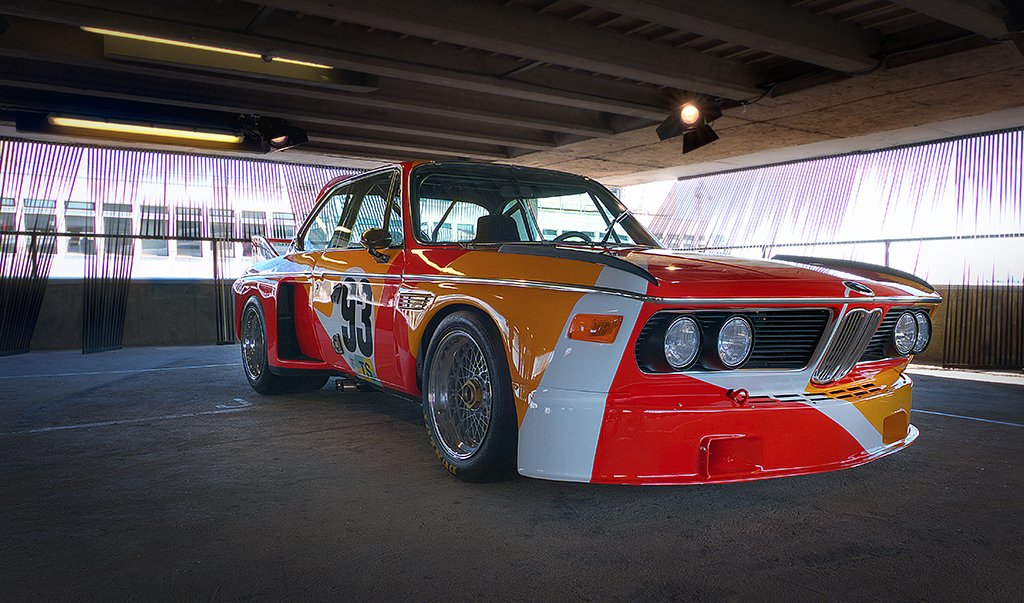
A free exhibition at BMW Welt brings together five decades of the automaker's Art Car program, from Alexander Calder's 1975 Le Mans racer to Julie Mehretu's 2024 hypercar.
RADwood Brings Its '80s and '90s Car Show Back to Tacoma, This Time Free to Spectators
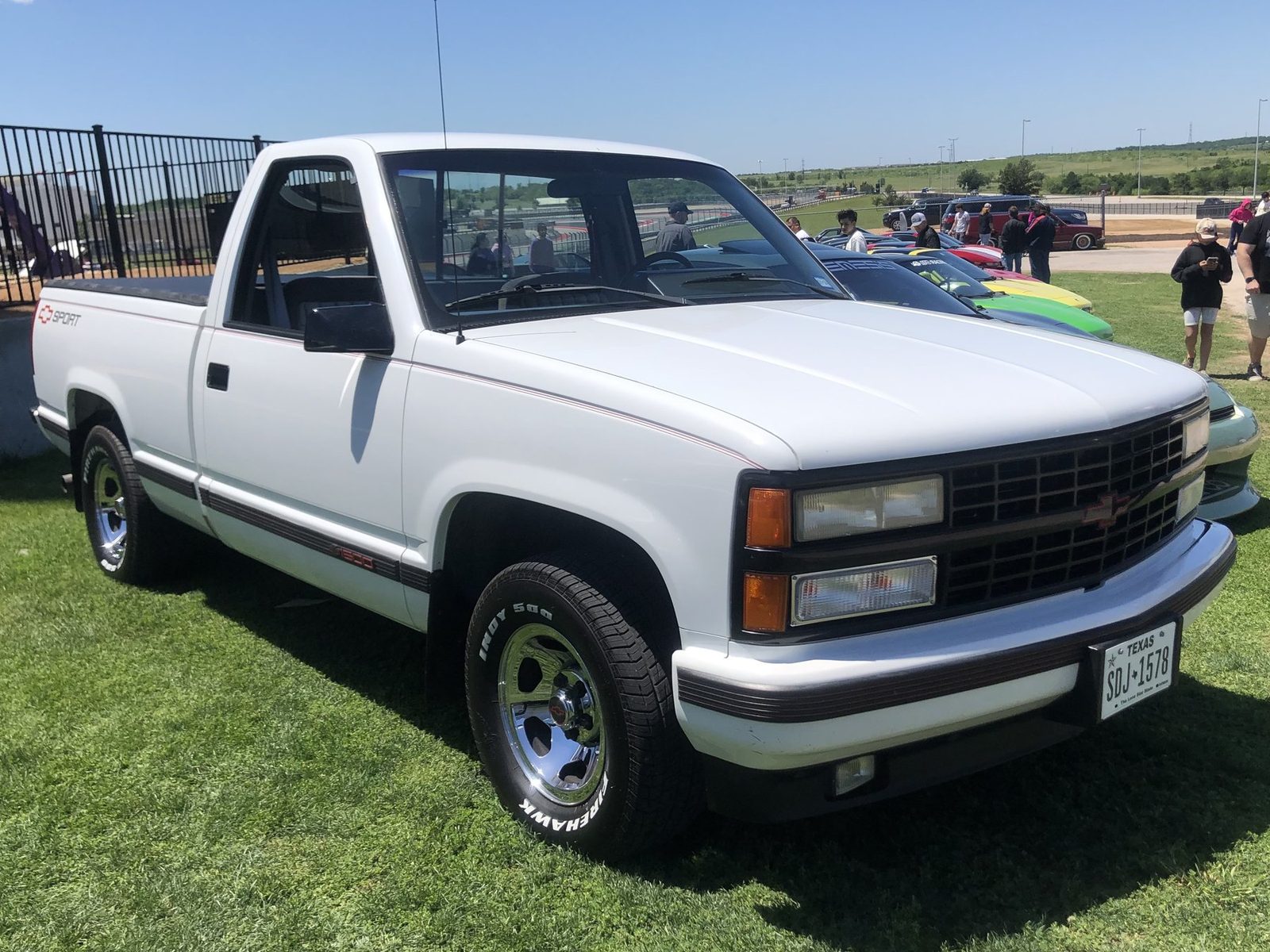
The traveling nostalgia show that turned Fox-body Mustangs and Radwood-era Japanese coupes into concours material returned to Griot's Garage in Tacoma on July 18, with Hagerty video host Jason Cammisa as the marquee guest.