
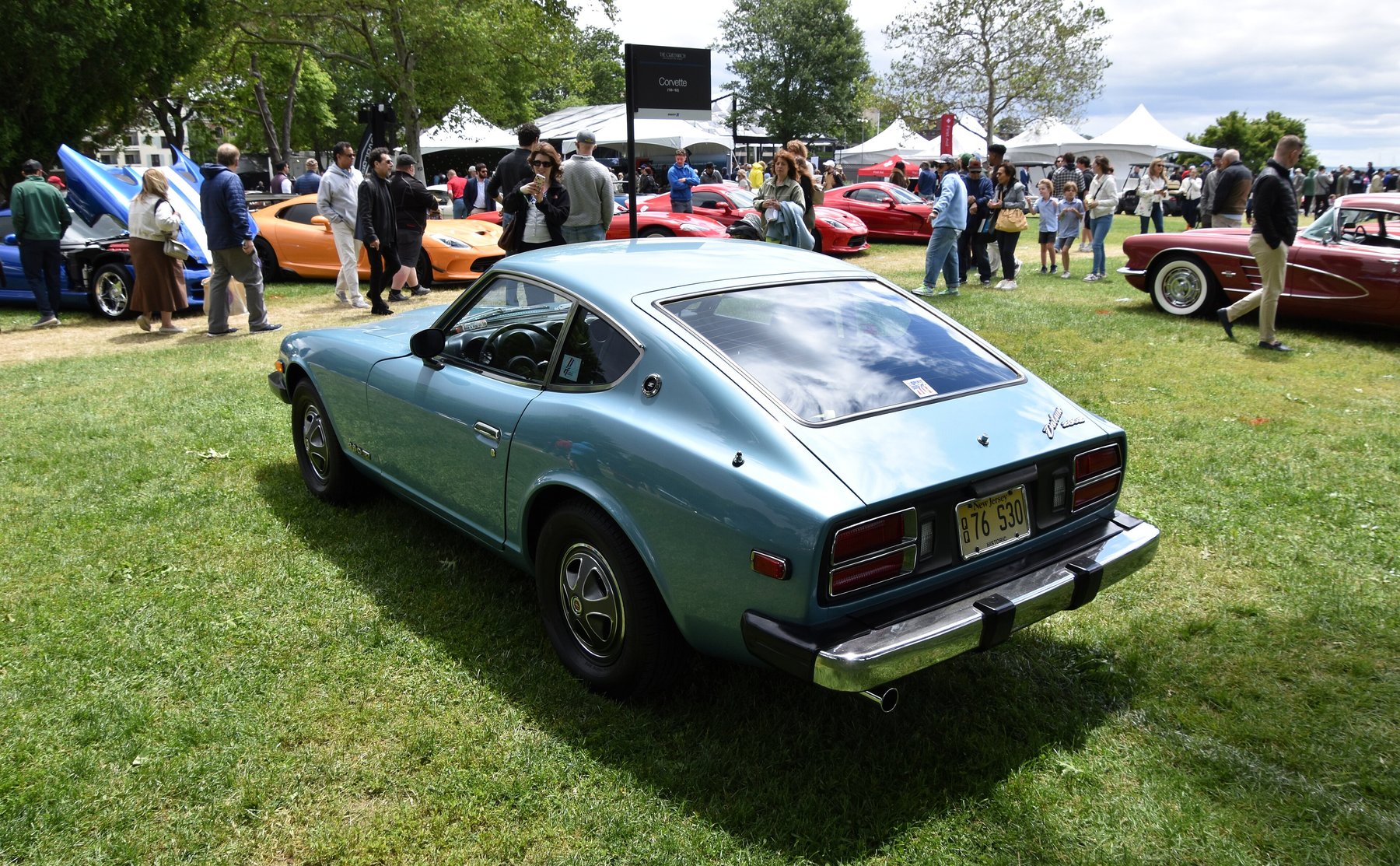
The Man Who Designed the Batmobile Bought a Rough 1975 Datsun 280Z Off Facebook Marketplace — and Named It Ripley
Ash Thorp, the designer behind the Batmobile in Matt Reeves’ The Batman, has started a monthly column at Petrolicious documenting an S30 build he deliberately did not buy finished. The first installment went up October 1.
- Model
- 1975 Datsun 280Z (S30)
- Engine
- 2,753 cc L28E inline-six
- Induction
- Bosch L-Jetronic fuel injection
- Output
- 170 hp SAE gross / 149 hp SAE net at 5,600 rpm
- 280Z model years
- 1975–1978
- S30 generation
- 1969–1978
Petrolicious published the first installment of a new monthly column on October 1, and the byline is a name most people in this corner of the internet already know for something else entirely. Ash Thorp is the designer and director credited with the Batmobile in Matt Reeves’ The Batman, along with the Batcycle and the Drifter bike that appeared alongside it, and he is one half of Make Haste Corp, the automotive design consultancy he co-founded in early 2021 with the 3D artist Carlos “colorsponge” Pecino. The column, titled “The Long Road Back to the Z,” is not about any of that. It is about a rough 1975 Datsun 280Z he found on Facebook Marketplace and has named Ripley.
"This car felt like a blank canvas." — Ash Thorp, Petrolicious
The through-line Thorp sets up is a childhood one. He writes that some of his earliest memories are from the passenger seat of his mother’s red 240Z in Hawaii — the noise, the fuel smell, the sensation of the car moving underneath him — and that the memory sat in the back of his head through a long run of other cars. He lists an NSX, an S2000, Subaru STIs, Lancer Evos and E30s among them. He never built an S30, by his own account, because he wanted to wait until he could do it properly rather than casually.
The car’s backstory, as Thorp relays it, is secondhand and he says so: from what he understands, the Z sat abandoned in Arizona for close to a decade before the previous owner bought it from a neighbor and began reviving it piece by piece in his own garage. That owner rebuilt the L28, gathered parts, and was aiming it at autocross — until, Thorp writes, class rules that required a clean painted car pushed the project onto the back burner. It is worth being clear about what that is: a first-person owner’s column, not reported provenance research. Thorp hedges the Arizona chapter himself, and nothing in the piece pretends to be a documented chain of title.
The purchase itself reads like a lot of people’s worst decision and best memory at once. Thorp set a total build budget with his wife, then drove out to Arizona in his Raptor to collect a car he had essentially not seen in person. He had never towed a vehicle before. Twelve hours later it was home, and the name arrived with it — Ripley, after Sigourney Weaver’s character in Alien, on the grounds that the car had been abandoned, found, revived, parked and found again, and kept going anyway. He is also calling the project THE ALT Z.
What he says he wants from it is the part worth paying attention to. He looked at finished restorations and bare shells and deliberately landed in the middle, because buying a sorted car would have removed the thing he was actually after. The plan list is long and unglamorous — suspension, brakes, wheels and tires, wiring, interior, mechanical sorting, fabrication — and the stated goal is to modernize where it makes sense without erasing the rawness. The column is promised monthly, including the failures, which is a meaningfully different pitch from the usual reveal-at-the-end build feature.
There is also a quiet piece of sense in the choice of car that Thorp doesn’t dwell on. This is not a numbers-matching collector S30; it is an already-modified, already-rebuilt project that someone else had started. Nobody is losing a preserved car here. That matters more every year, because the honest version of the Z market is that clean original S30s have been getting cut into restomods for a decade, and the supply of untouched ones is finite.
So what is a 280Z, exactly, and why does the specific year matter? The S30 Z ran from 1969 to 1978, designed under Yoshihiko Matsuo, head of Nissan’s Sports Car Styling Studio. Its significance was never just the shape. It paired four-wheel independent suspension with an overhead-cam straight-six — a specification that, at the time, generally meant something expensive and European like a Jaguar E-Type — and sold it through Datsun’s growing US dealer network, which is the part Jaguar, Alfa Romeo and Fiat could not match. The 240Z used the 2.4-liter L24; the 260Z and its 2.6-liter L26 lasted a single model year in the United States, in 1974.
The 280Z arrived for 1975 because US emissions and safety rules were tightening and Nissan needed the car to stay quick anyway. The answer was displacement and electronics: the 2,753 cc L28E, fed by Bosch L-Jetronic fuel injection rather than carburetors, plus the larger impact-absorbing bumpers of the era. It is rated at 170 hp SAE gross and 149 hp SAE net at 5,600 rpm, and that pairing is the detail most of the folklore gets wrong. The 240Z’s famous 151 hp figure is an SAE gross number; comparing it to the 280Z’s 149 hp net is comparing two different measuring standards. On the same gross scale, the later, heavier, supposedly strangled car makes more power than the one everyone romanticizes.
It was also the volume car. Nissan built roughly 237,000 280Zs across four model years — 54,907 in 1975 alone — against total S30 production of more than 520,000 worldwide, and the overwhelming majority of 280Zs went to the United States. That is precisely why it remains the sane entry point into an S30 while 240Z values have run away: Hagerty has been tracking rising 280Z prices for a while now, pulled upward by 240Zs that reach six figures for the best examples. Thorp’s complaint that prices had doubled since he first started looking is not nostalgia talking; it is consistent with what the published market data has been doing.
For context on where the S30 sits in the family: it gave way to the S130 280ZX in 1978, still on the L28; the Z31 300ZX in 1983 brought Nissan’s VG30E and turbocharged VG30ET V6s; the Z32 300ZX ran from 1989 with the VG30DE and twin-turbo VG30DETT; the Z33 350Z arrived in 2002 on the VQ35DE; the Z34 370Z followed with the VQ37VHR; and the current RZ34 Nissan Z uses the twin-turbo 3.0-liter VR30DDTT. Seven generations, and the first one is still the one people build. Thorp’s column is monthly from here, and the interesting test will be whether the messy-middle promise survives contact with a half-century-old wiring harness.
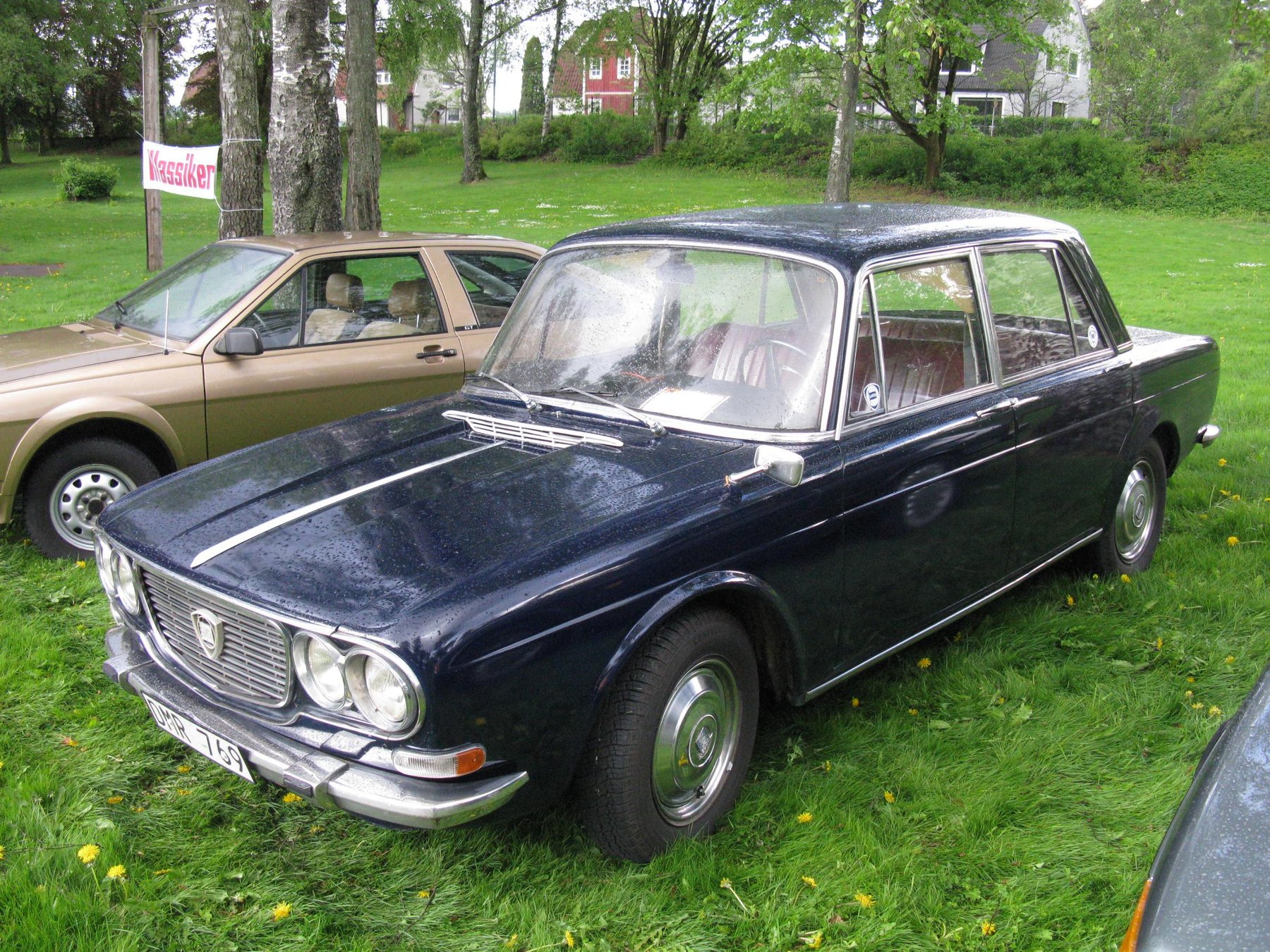
This 1970 Lancia Flavia Covered 300 Miles in a Decade. Its New Owners Beat That in Weeks.
Petrolicious followed cheesemongers Todd and Monica Brown on a Monday drive from Kent, Connecticut to a biodynamic dairy outside Hudson, New York — in a Flavia berlina that had put most of its 33,000 miles on the streets of Rome.
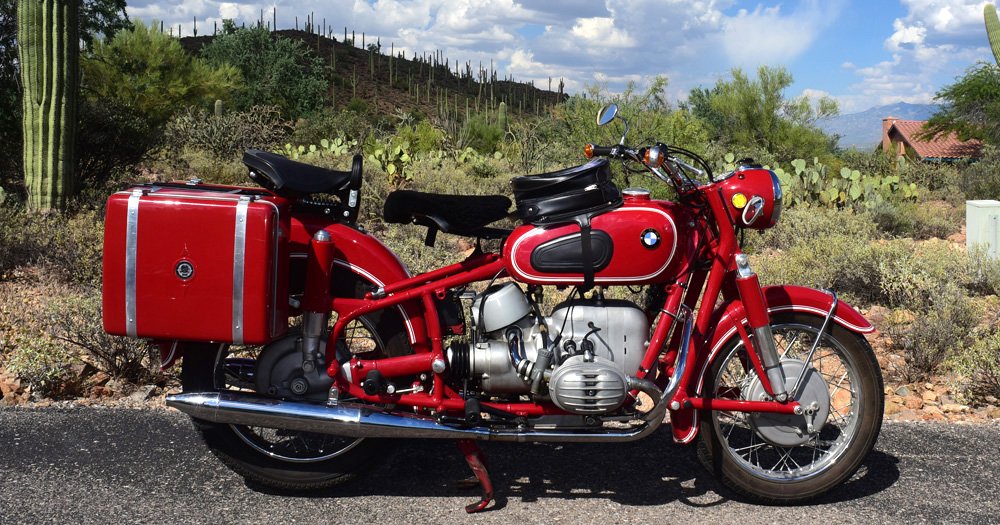
A Marine Bought This BMW R60 in 1960. His Stuntman Son Still Rides It.
Petrolicious profiled Tom McComas and the 1960 BMW R60 his father bought new the week he left the Marine Corps — a bike that stayed in the family through a stolen-and-recovered teenage joyride, a 2,300-mile father-son trip, and a nut-and-bolt restoration.
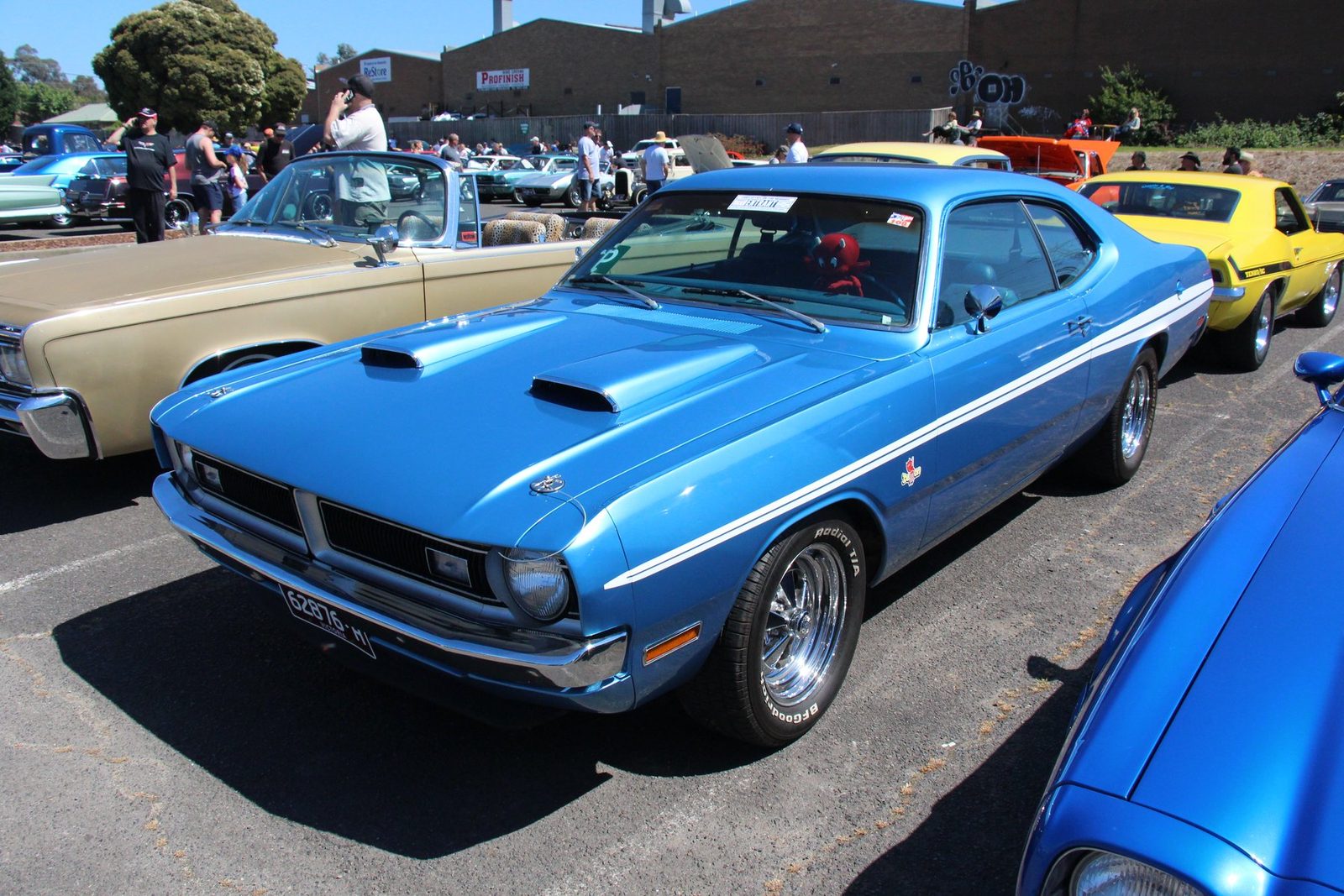
The Dodge Demon That Drove Him Home From the Hospital Never Left the Family
Stuart Lutz has owned his parents' 1971 Dodge Demon since he was 17, but his connection to the car goes back to his infancy — and 55 years later, it's still parked in his driveway in Orange, New Jersey.