
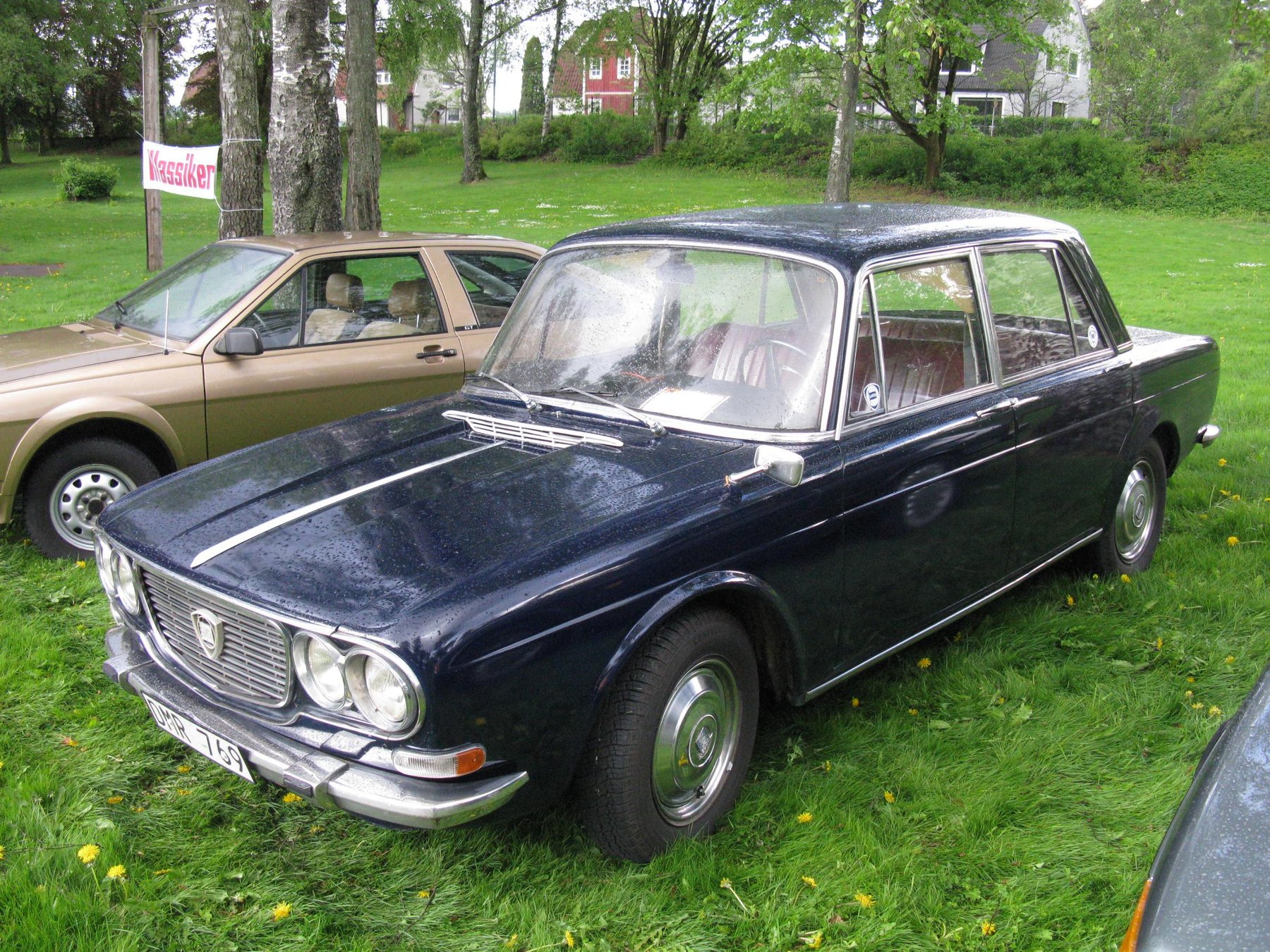
This 1970 Lancia Flavia Covered 300 Miles in a Decade. Its New Owners Beat That in Weeks.
Petrolicious followed cheesemongers Todd and Monica Brown on a Monday drive from Kent, Connecticut to a biodynamic dairy outside Hudson, New York — in a Flavia berlina that had put most of its 33,000 miles on the streets of Rome.
- Model
- Lancia Flavia Berlina, second series (Tipo 819)
- Engine
- Aluminium longitudinal flat-four, OHV, front-wheel drive
- 1969–70 berlina range
- 1,490 cc / 80 PS, 1,815 cc / 92 PS, 1,991 cc / 114 PS (126 PS injected)
- Brakes
- Discs on all four wheels
- Production
- 105,848 Flavias built, 1961–1971
Todd and Monica Brown run shops that are open all weekend, which means their weekend lands on Monday. In a piece published by Petrolicious on 2 October, Todd described what they do with it: load a paper map into a 1970 Lancia Flavia, pick a destination somewhere north, and deliberately avoid the fastest route there. The couple have spent 25 years tracking down small producers for 109 Cheese & Wine, their Connecticut cheese and provisions business, and the Monday drives have become the way they keep finding new ones.
"Monday has become our day for a different kind of restoration." — Todd Brown, Petrolicious
The detail that makes the car worth writing about is not a spec. It is a mileage figure. According to Brown's account, the Flavia had covered roughly 33,000 miles from new, most of them accumulated in Rome, and in the decade before the Browns took it on it had managed barely 300 of them. They had already passed that ten-year total within their first few weeks of ownership. That is the whole argument for this kind of car ownership compressed into one number: a machine built for distance that had been reduced to an ornament, put back to the job it was designed for.
The run documented in the piece went north from Kent, Connecticut to Churchtown Dairy, a certified biodynamic farm near Hudson, New York, in Columbia County. Petrolicious framed it partly as a film — a format the outlet described as new for it — with Brown's written account running alongside, as it appeared in issue 009 of the outlet's print newspaper, The Petrolicious Post. The editorial introduction notes that a calf roughly half an hour old was waiting when the crew arrived, which tells you fairly precisely what kind of car story this is.
At Churchtown, the Browns spent time in the creamery and the underground aging caves with Mel, who with Colin runs McGrath Cheese — a small outfit that uses Churchtown's production and aging facilities alongside the dairy's own output. They came away with two wheels at opposite ends of the spectrum: Peggy, a young, soft, bloomy-rind Camembert-style cheese made with organic cow's milk and cave-aged on site, and Rascal, a three-month-old semi-firm cow's milk cheese from McGrath, made along Alpine lines and carrying the earthy character of a natural rind. Brown's practical aside for anyone buying a bloomy-rind cheese to eat the same day — ask what is actually ripe rather than reaching for the firmest wheel — is the sort of thing you only get from someone who has sold cheese for a quarter of a century.
A couple of miles up the road is Klocke Estate, a distillery working with estate-grown fruit and selected local growers to make brandy, eaux de vie and vermouth. Kristine walked them through the operation: regenerative farming in the orchards and vineyards, apple and grape varieties chosen specifically for distillation and aging, and brandies left for years in French oak inside a chai, a cellar sunk partway into the ground so that stable temperature and humidity do the slow work. There are faster routes to a filled bottle, which is rather the point of the whole day.
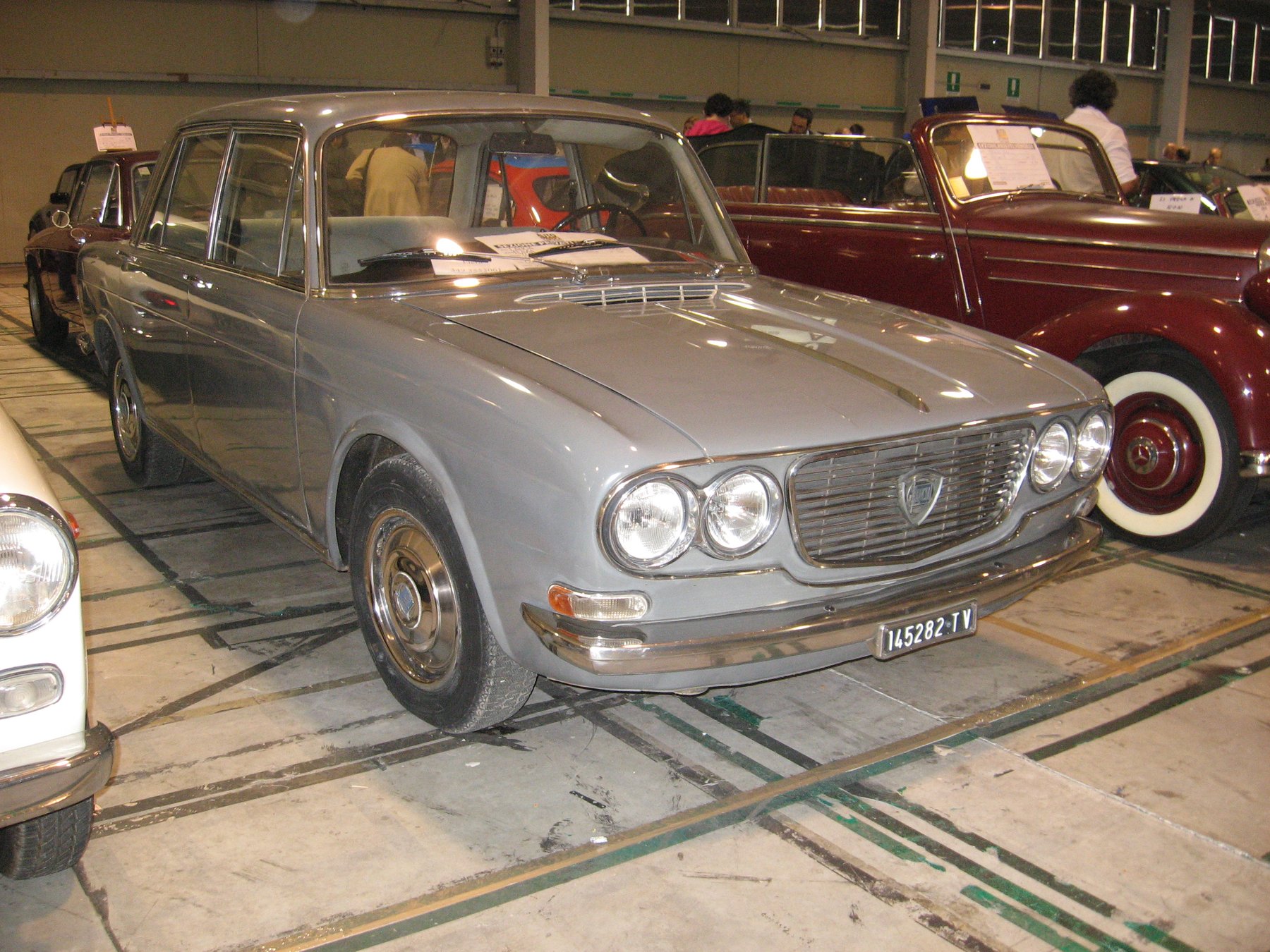
It ends the way you would expect. Cheese, a baguette and a bottle of rosé went into the Flavia's trunk, friends turned up, and the lot was eaten on a blanket at sunset. Worth being honest about what this story is and is not: there is no rebuild, no dyno figure, no parts-hunting saga. The car is the pretext and the pace-setter rather than the subject. Petrolicious has been publishing owner stories long enough to know that works, but it does leave the mechanical side of the Flavia almost entirely unexamined — including which engine this particular example carries, which the piece never says.
So here is the context the story leaves out. The Flavia was Antonio Fessia's car, developed in the late 1950s at the instruction of then-owner Carlo Pesenti to slot between the Appia and the Flaminia, and shown at the 1960 Turin Motor Show with a 1,500 cc engine. It was unusual on several fronts at once: an aluminium flat-four, the first boxer engine in an Italian production car, together with Dunlop disc brakes on all four wheels and front-wheel drive, which Fessia chose so that 62 percent of the car's weight would sit over the driven front axle for traction. It is widely credited as Italy's first series-production front-wheel-drive car. The name comes from the Via Flavia, the Roman road running from Trieste toward Dalmatia, which makes a car that spent its working life in Rome feel less like coincidence.
A 1970 berlina specifically is a second-series car, Tipo 819 — the reskinned saloon that went on sale in May 1967 with new bodywork and a new interior, styled in-house under Piero Castagnero, whose Fulvia berlina set the visual direction. In 1969 the engines changed again, to a generation with an 80 mm stroke derived as narrow-bore versions of the new 2.0-litre 820 unit. That left the 1969–70 berlina available as a 1,490 cc with 80 PS, an 1,815 cc with 92 PS, or a 1,991 cc 2000 with 114 PS, or 126 PS with fuel injection. In 1971, with Fiat in control of Lancia, the Flavia badge and the smaller engines were dropped and the car continued as the Lancia 2000. Total Flavia production across all bodies from 1961 to 1971 came to 105,848, including only 1,601 Vignale convertibles and 626 Zagato-bodied Sports.
What those numbers do not convey is how the car was received at the time. When Autocar tested a fuel-injected 1800 four-door in 1967 it recorded 103 mph and 15.0 seconds to 60 mph, praised the engine's smoothness, and noted the car felt slower than it actually was — a backhanded compliment that still describes the breed. In Britain it was also roughly a quarter more expensive than a BMW 1800 TI and nearly double a Ford Corsair 2000E, which goes a long way toward explaining why Flavias were never common and why so few people today can identify one on sight. A long-legged, softly-sprung, mechanically peculiar Italian saloon designed to cover ground in comfort is exactly the wrong car to leave parked for ten years, and exactly the right one for a Monday with a paper map and nowhere in particular to be.
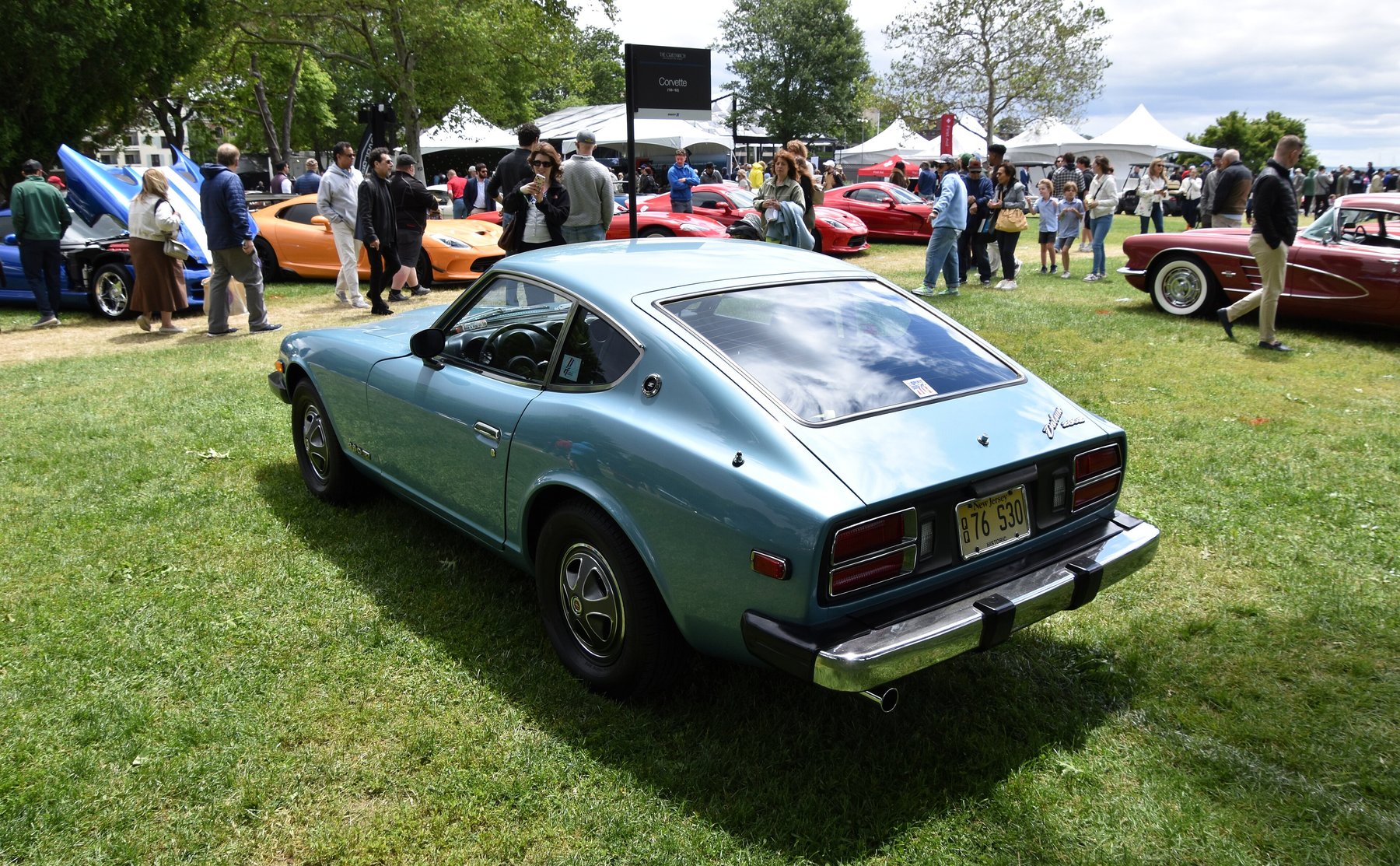
The Man Who Designed the Batmobile Bought a Rough 1975 Datsun 280Z Off Facebook Marketplace — and Named It Ripley
Ash Thorp, the designer behind the Batmobile in Matt Reeves’ The Batman, has started a monthly column at Petrolicious documenting an S30 build he deliberately did not buy finished. The first installment went up October 1.
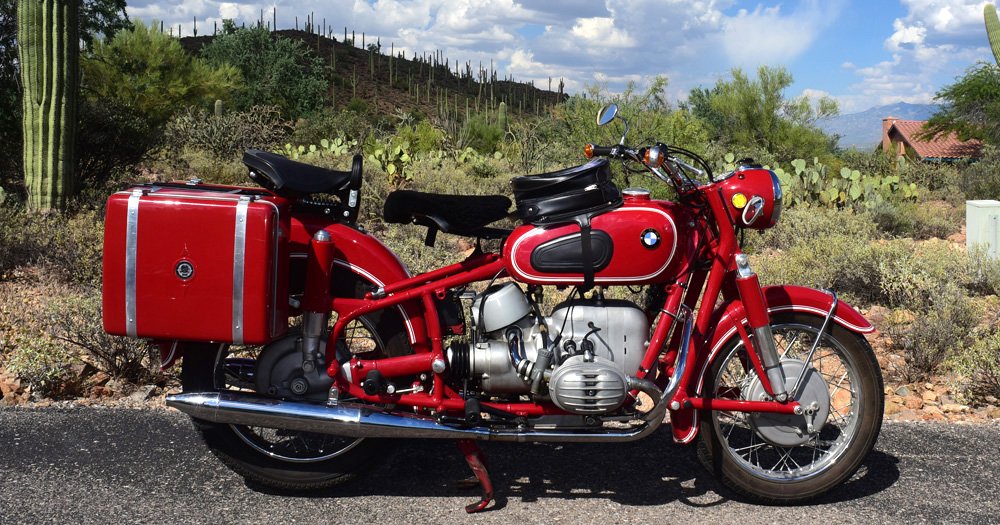
A Marine Bought This BMW R60 in 1960. His Stuntman Son Still Rides It.
Petrolicious profiled Tom McComas and the 1960 BMW R60 his father bought new the week he left the Marine Corps — a bike that stayed in the family through a stolen-and-recovered teenage joyride, a 2,300-mile father-son trip, and a nut-and-bolt restoration.
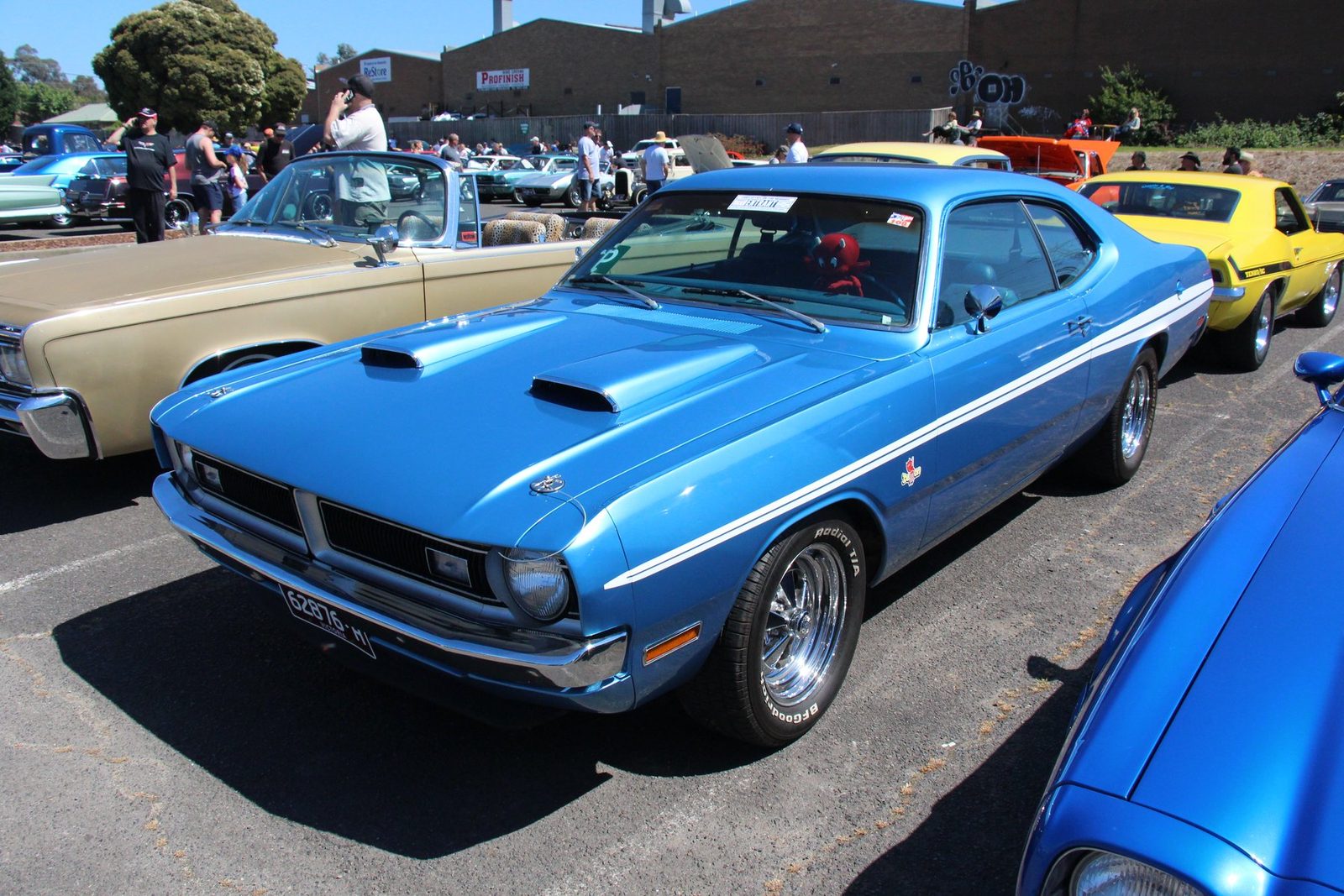
The Dodge Demon That Drove Him Home From the Hospital Never Left the Family
Stuart Lutz has owned his parents' 1971 Dodge Demon since he was 17, but his connection to the car goes back to his infancy — and 55 years later, it's still parked in his driveway in Orange, New Jersey.