
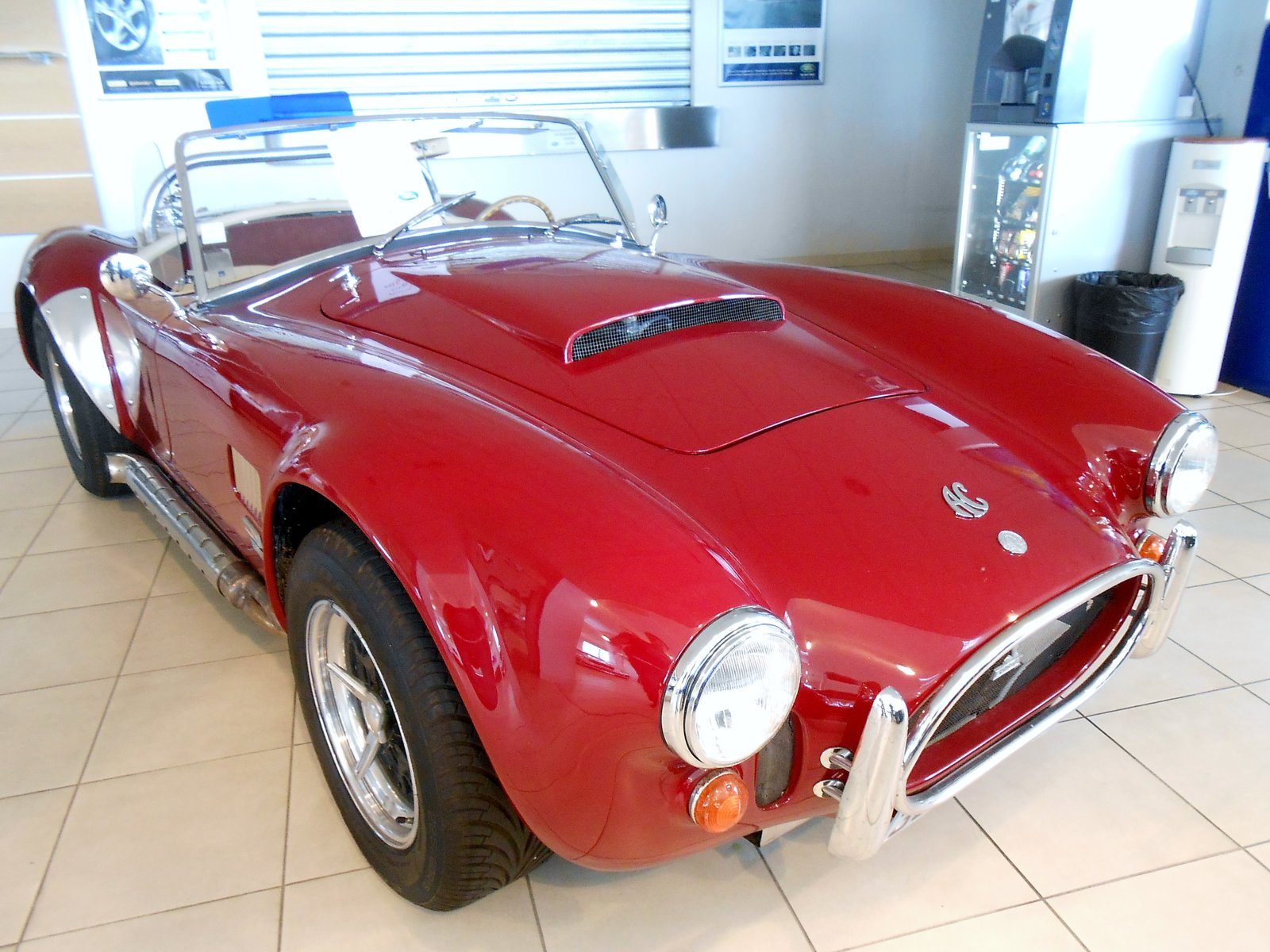
A Propane Delivery Route Led to a Scientist's Forgotten Cobra
Tom Cotter's Barn Find Hunter series has uncovered hundreds of cars, but the one that belonged to a chemist who helped develop Prozac is the one that sounds made up and isn't.
Tom Cotter has been finding cars other people forgot about since 2016, when Hagerty gave his Barn Find Hunter series a camera crew and let him start knocking on doors across the US and UK. More than a hundred episodes in, the pattern is usually the same: a tip, a dusty garage, a car that's been sitting so long its owner has stopped thinking of it as a car at all. The Indianapolis Cobra breaks the pattern in one specific way — the reason it went into hiding traces back to a man who helped invent one of the best-known antidepressants in the world.
The car belonged to a scientist involved in developing Prozac, and by the time Cotter and his longtime collaborator Jim Maxwell — a recognized Cobra authenticity expert — got to it, it had been parked in a barn for years, quietly aging while its owner's day job was reshaping American psychiatry. It's the kind of detail that sounds invented for a magazine feature and isn't; it's just what happens when you knock on enough doors for long enough.
Verifying a barn-find Cobra isn't a glance-and-a-handshake process. Maxwell's job on these finds is to work through casting numbers, chassis tags, and build details against Shelby American's own records to separate a genuine early car from the decades of replicas and continuation cars that share the same silhouette. That authentication step matters as much as the discovery itself — a Cobra with real, documented chassis provenance and one built to look like it aren't the same object, even parked side by side, and the value gap between them is enormous.
Cotter's own collection includes a similar story closer to home: a 1939 Ford Woody Wagon his wife found abandoned in Puerto Rico in 1998, which he calls his personal pride and joy. It's the throughline of the whole series — these aren't paid consignments or auction-house discoveries, they're cars that surface because someone was willing to keep asking around, one barn at a time, for a decade.
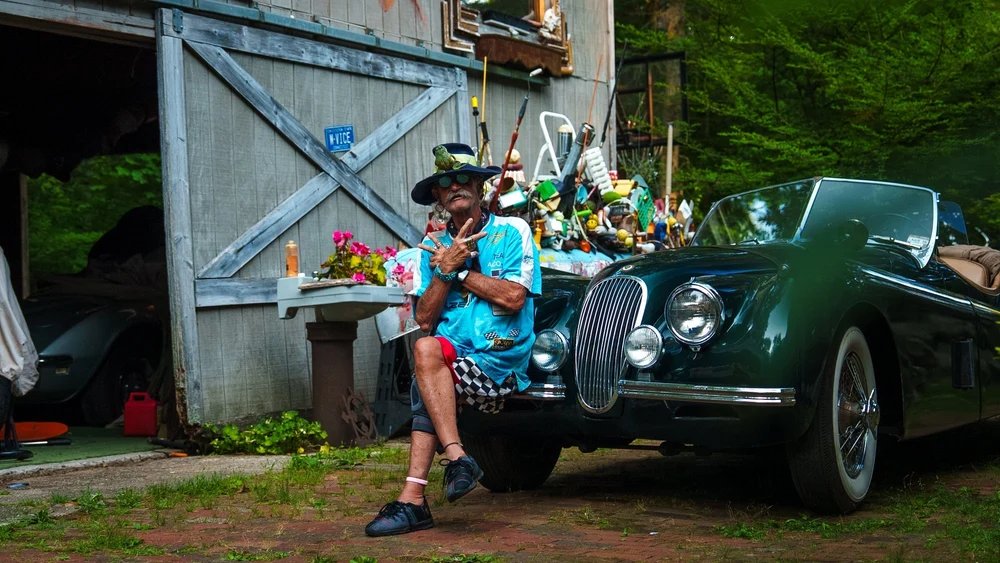
A Connecticut Barn Find Jaguar XK120 Comes Back to Life After a Five-Year Rebuild
Found as a bare frame off a back road near his home, Westport artist Paco's XK120 took five years to return to the road — and it's kept his family driving together ever since.
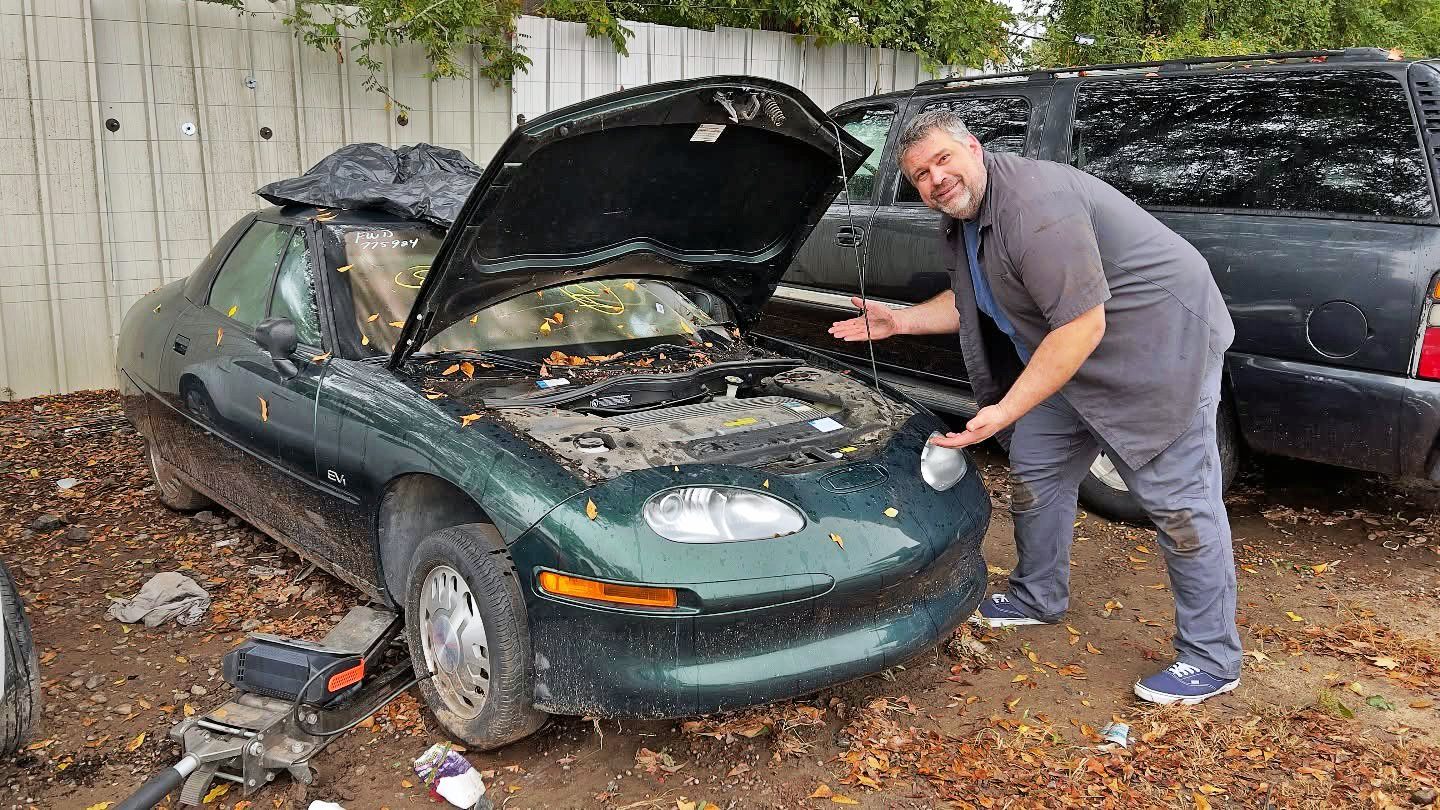
A Derelict GM EV1 Is Coming Back to Life, With GM's Help
Pulled from a Georgia tow yard for $104,000, EV1 serial number 212 is being rebuilt by its new owner and a YouTube restoration shop, with General Motors quietly supplying parts from its own historical stash.

The Day a Cave Ate Eight Corvettes — and the Museum That Turned It Into a Feature
A collapsing cave under the National Corvette Museum's Skydome swallowed eight cars on camera in 2014. Instead of hiding the damage, the museum spent a decade restoring some of it in public — on purpose.