
McLaren Just Finished the Road Car Bruce McLaren Never Got To
Fifty-six years after a fatal testing accident ended the M6GT road car program, McLaren Special Operations spent 3,000 hours completing one — and unveiled it at the same estate where its founder died.
- Build time
- 3,000 hours
- Chassis
- Period-built M6A racer
- Engine
- Chevrolet small-block V8, 'camel hump' heads
- Colour
- Bespoke cream-white, 'Colnbrook'
- Debut
- Goodwood Festival of Speed, July 9–10, 2026
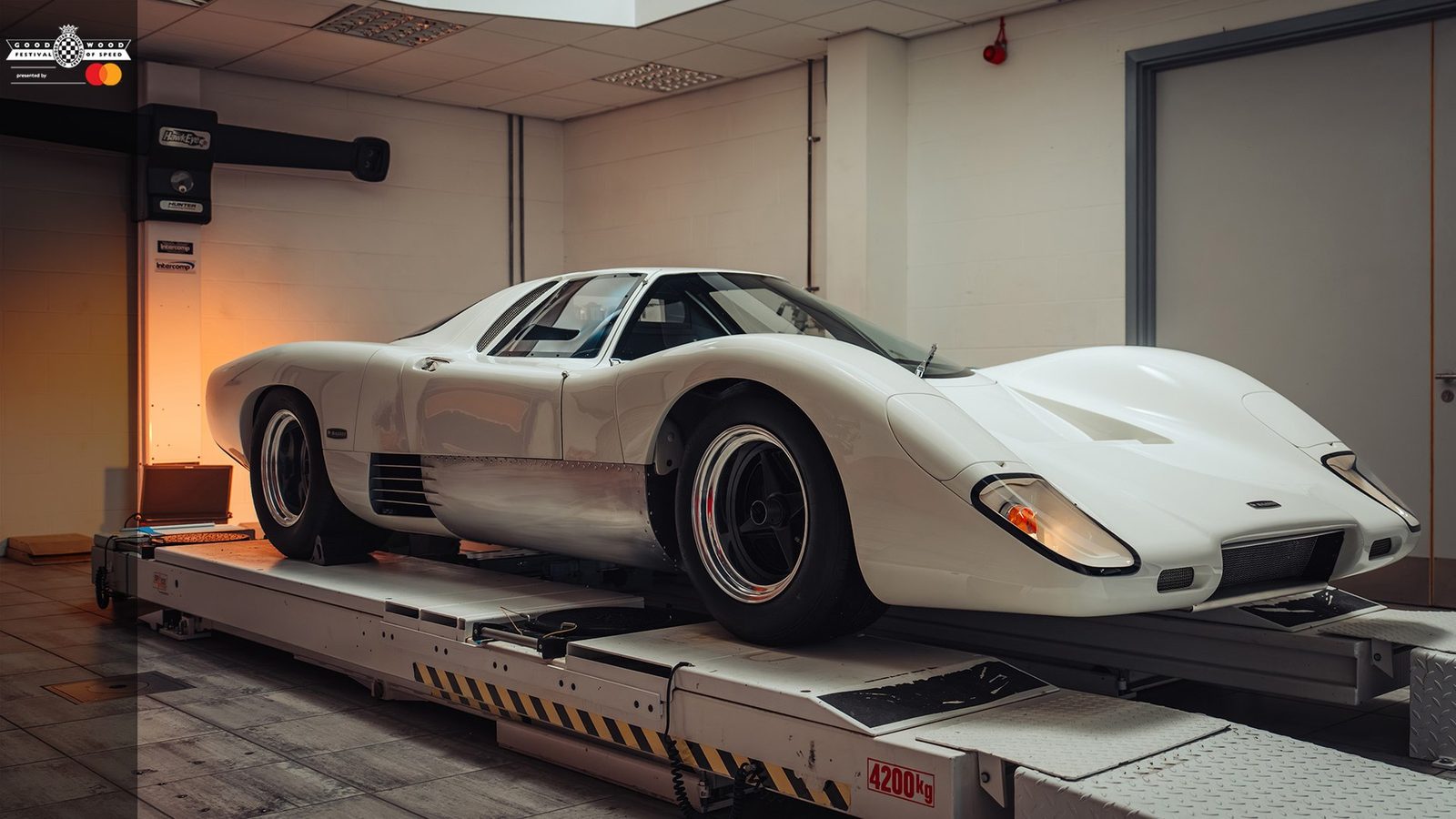
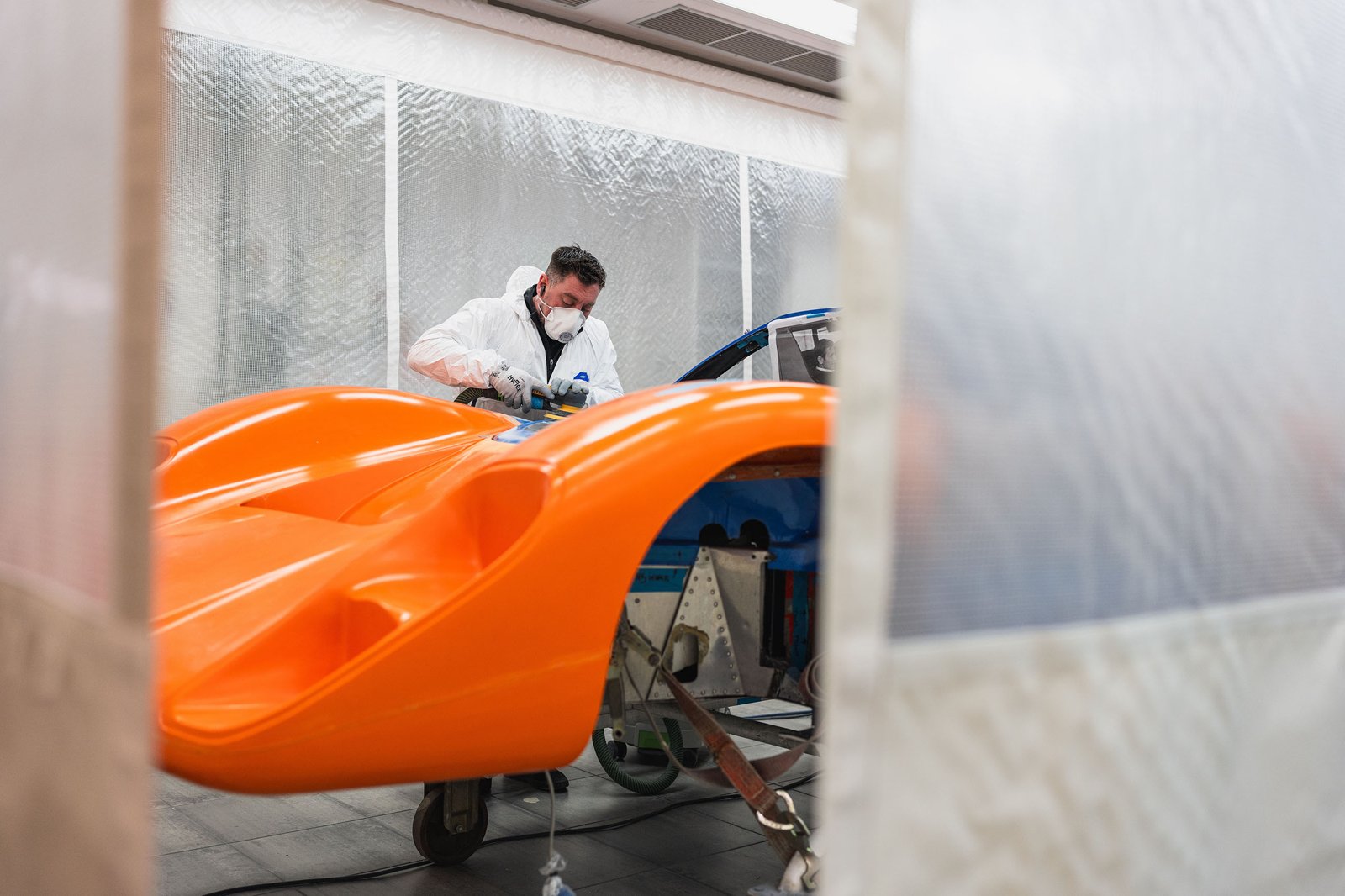
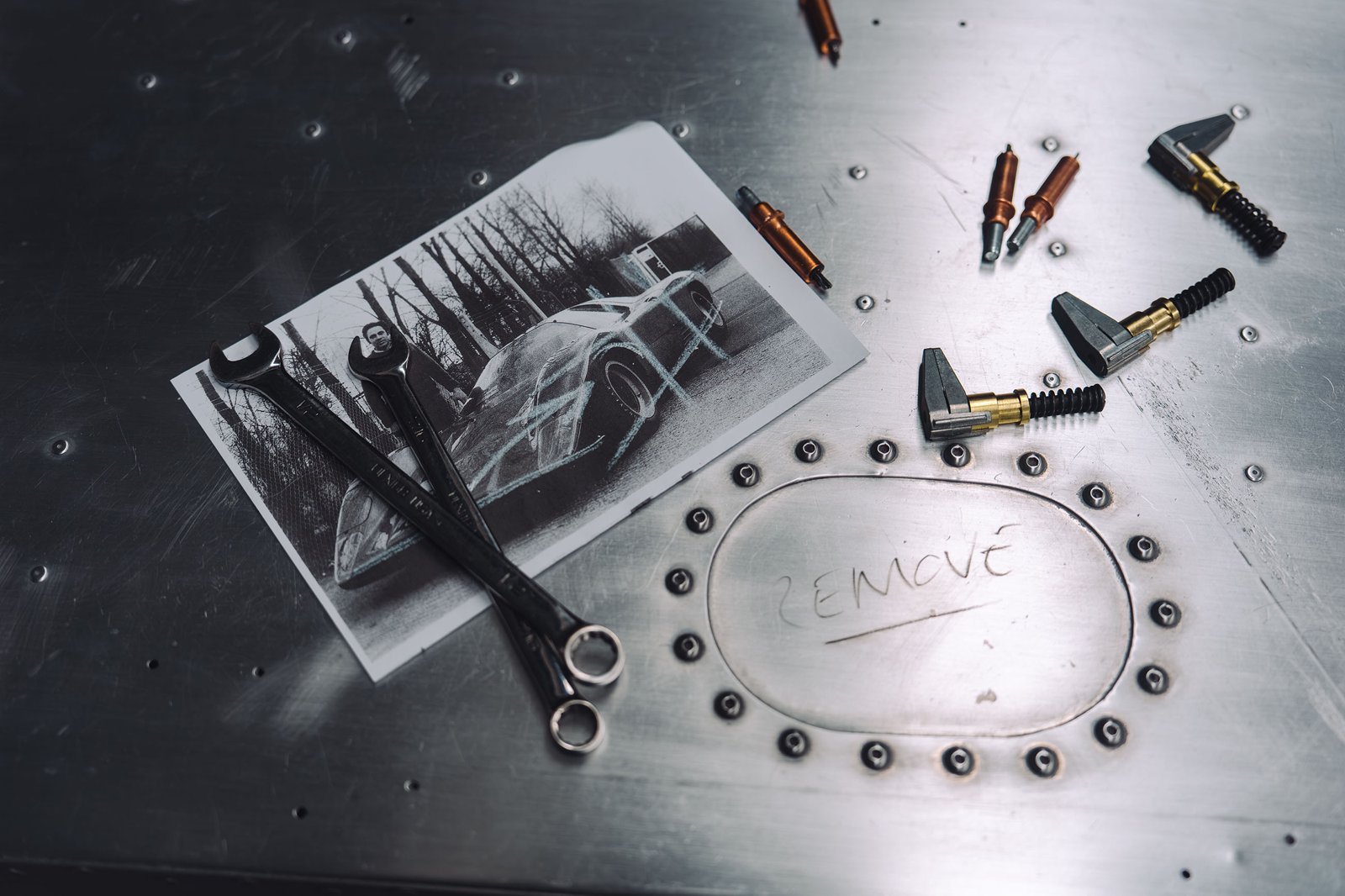
McLaren Special Operations spent 3,000 hours finishing a car its founder started in the late 1960s. "M6GT: Restored by MSO" made its first public appearance at the 2026 Goodwood Festival of Speed on July 9–10, headlining McLaren's heritage display alongside the M8A Can-Am car, an Austin 7 Ulster, the original McLaren F1, and the current Artura and 750S. Built on a period-correct M6A racer chassis and finished in a bespoke cream-based white McLaren calls Colnbrook, the car runs a period-correct Chevrolet small-block V8 fitted with the 'camel hump' cylinder heads that matched the original 1960s specification. MSO engineers worked from original body moulds and archival drawings, and were joined during the build by veterans of McLaren's earliest years — mechanics and designers who had worked alongside Bruce McLaren himself.
The M6GT was Bruce McLaren's own idea of what a road car should be: 'a civilised version of one of our racing cars,' built on the same chassis and V8 underpinnings as his Can-Am racers. New FIA homologation rules introduced for 1968 required a minimum of 50 production examples before a car could compete in the World Championship of Makes, and McLaren — a small racing outfit that could build chassis but not equip fifty of them with engines and interiors — couldn't meet that bar. The company's plan to sell the M6GT through Trojan, the firm that already built its customer racing cars, stalled before it ever reached volume production; only a handful of M6GTs were completed. Bruce McLaren kept one for himself, road-registered as OBH 500H.
He didn't get to drive it for long. On June 2, 1970, McLaren was testing a McLaren M8D Can-Am car at Goodwood Circuit — the same West Sussex estate where the restored M6GT was unveiled 56 years later — when the car's rear bodywork separated at roughly 170 mph on the Lavant Straight. He was killed instantly, at 32 years old. His personal M6GT reportedly had covered fewer than 2,000 miles at the time. With its champion driver and founder gone, the road-car program never resumed at any scale, and McLaren wouldn't build another purpose-built road car until the F1 arrived more than two decades later.
That's what makes MSO's restoration more than a routine heritage-fleet refurbishment: it's the company finally closing a loop its founder never got to close himself. The car will continue to appear at McLaren events following its Goodwood debut, McLaren said, as a running rather than static tribute to the road car Bruce McLaren wanted to build before Trojan's production plans and, ultimately, his own life ran out of time.
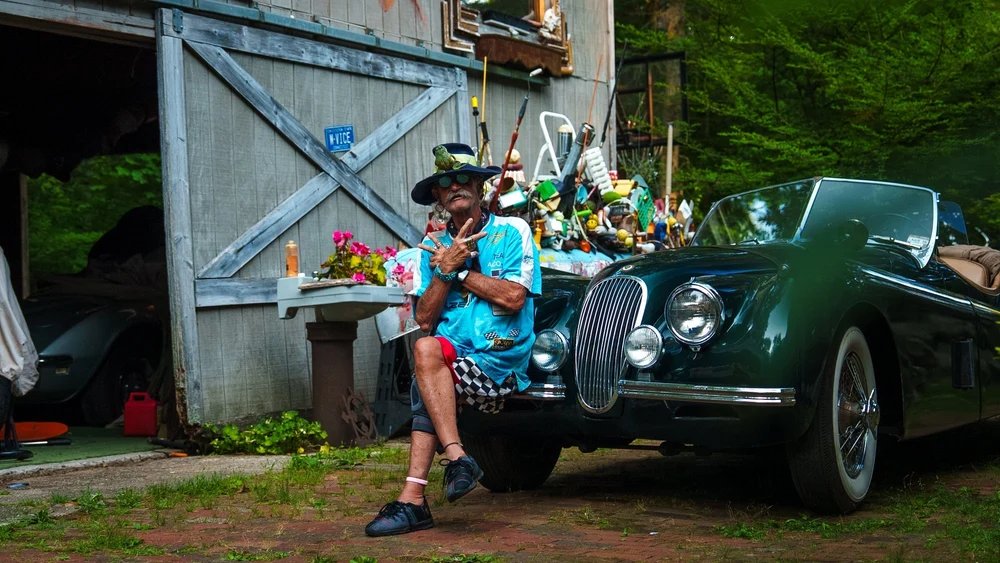
A Connecticut Barn Find Jaguar XK120 Comes Back to Life After a Five-Year Rebuild
Found as a bare frame off a back road near his home, Westport artist Paco's XK120 took five years to return to the road — and it's kept his family driving together ever since.
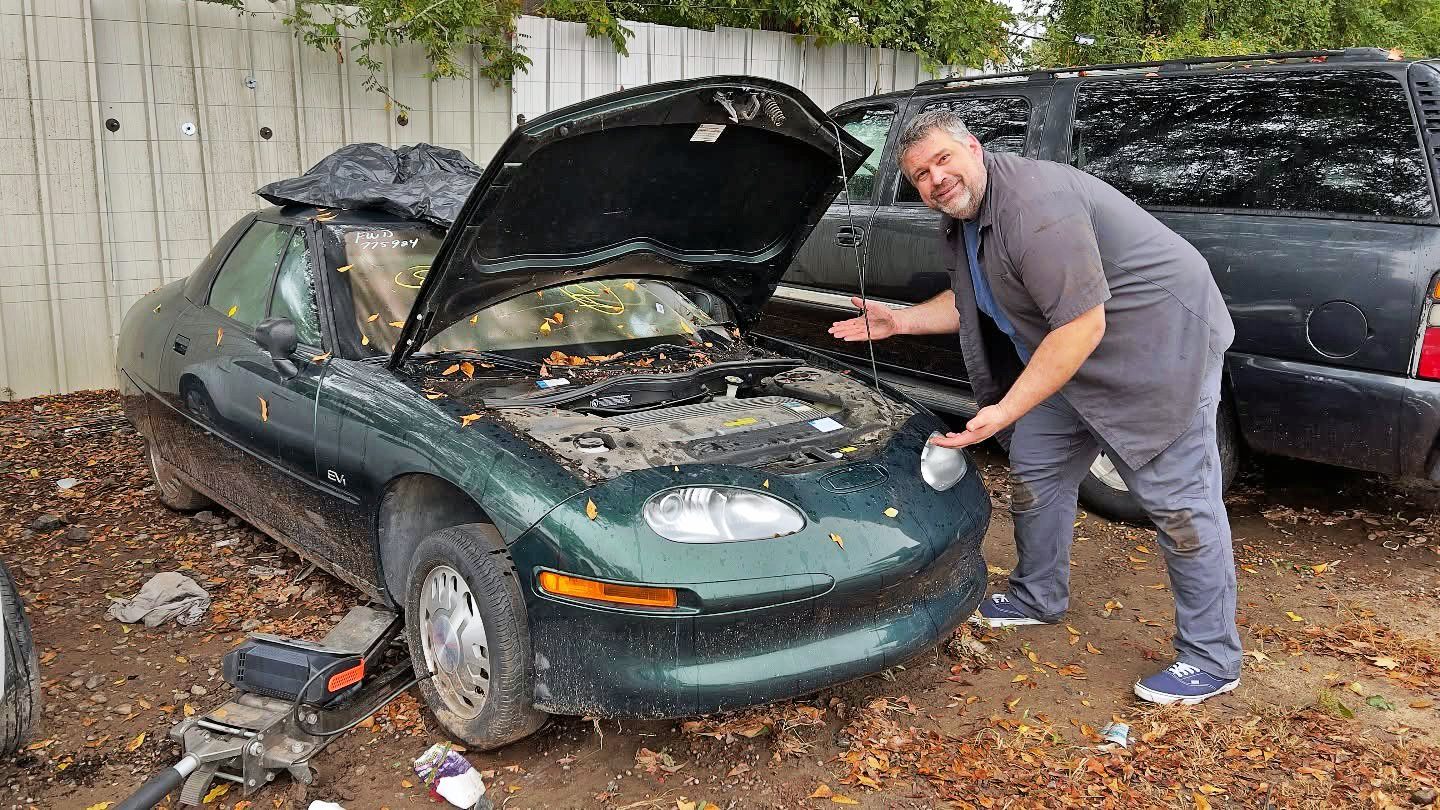
A Derelict GM EV1 Is Coming Back to Life, With GM's Help
Pulled from a Georgia tow yard for $104,000, EV1 serial number 212 is being rebuilt by its new owner and a YouTube restoration shop, with General Motors quietly supplying parts from its own historical stash.
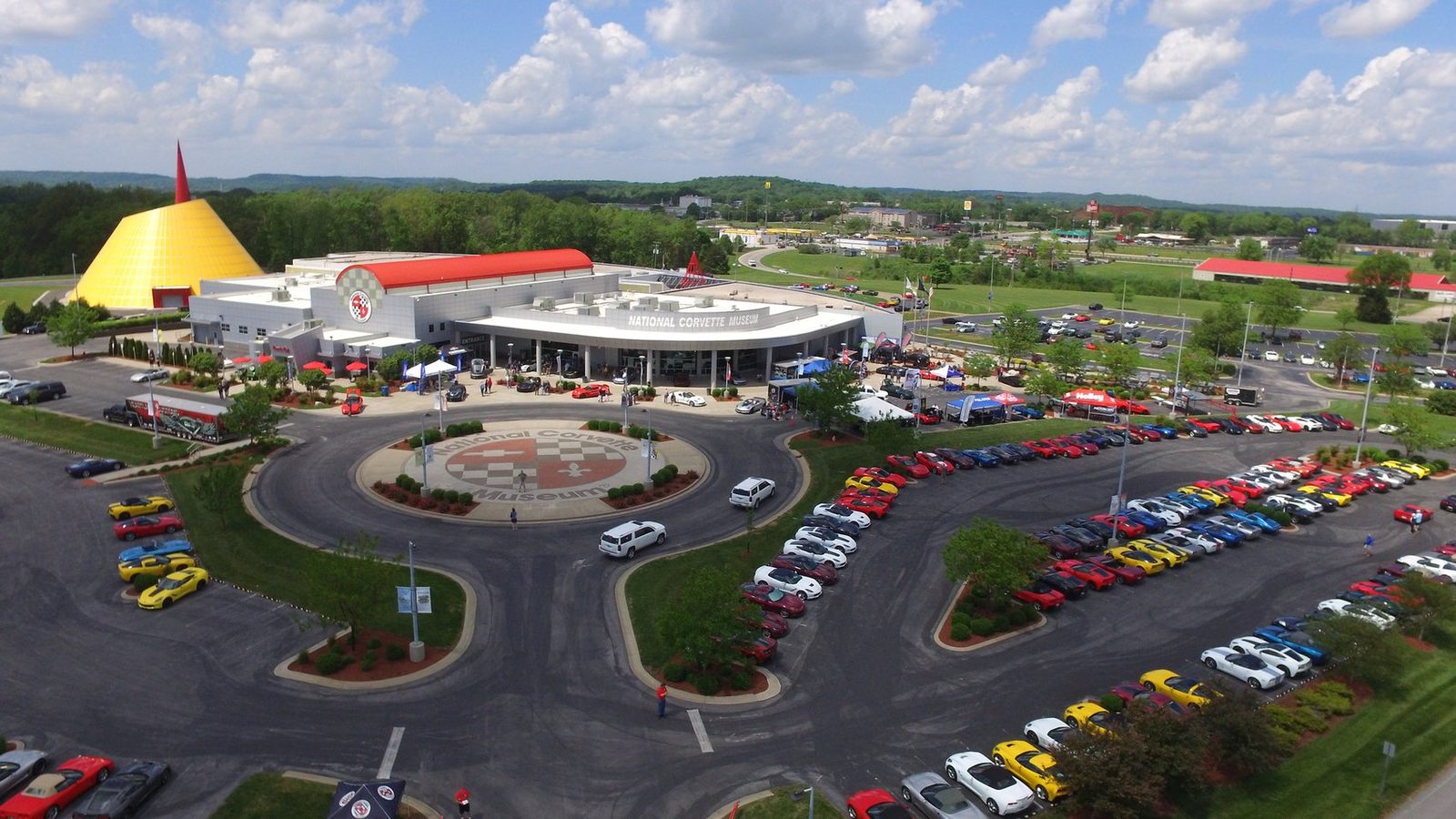
The Day a Cave Ate Eight Corvettes — and the Museum That Turned It Into a Feature
A collapsing cave under the National Corvette Museum's Skydome swallowed eight cars on camera in 2014. Instead of hiding the damage, the museum spent a decade restoring some of it in public — on purpose.