
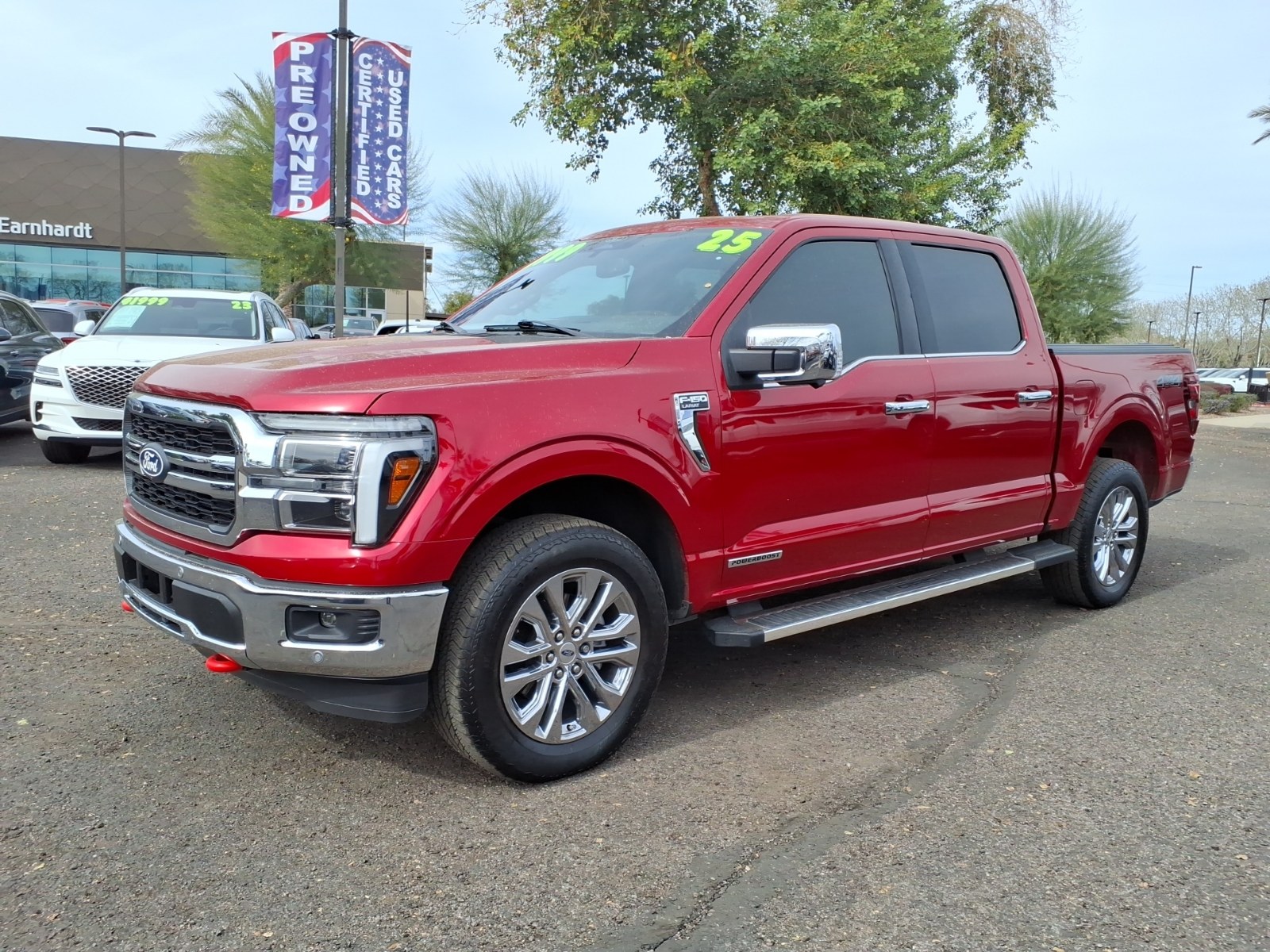
Ford Recalls 2,276 F-150s Because a Repair Was Logged as Finished and Wasn't
The defect is the bolts that hold the front seats to the floor. The chronology is the part worth reading: an operator ran out of cycle time, the line stopped exactly as the protocol says it should, and then somebody ticked the repair off in the tracking system before it had been made.
- NHTSA campaign
- 26V655000
- Ford campaign
- 26S74
- Report received by NHTSA
- 6 October 2026
- Vehicles
- 2025-2027 Ford F-150
- Potentially affected
- 2,276
- Build window
- 25 August 2025 - 23 September 2026
- Component
- Seats
- Defect
- Front seats may have been improperly secured to the vehicle
- Consequence
- An improperly secured seat may not adequately restrain the occupant, increasing injury risk in a crash
- Crashes or injuries
- None reported
- Filed as
- Safety defect, no FMVSS non-compliance cited
- Remedy
- Dealers inspect and tighten or replace the front seat bolts, free of charge
- VIN lookup live
- 9 October 2026
- Owner letters
- from 26 October 2026
- Ford customer line
- 1-866-436-7332
Ford has filed a safety recall covering 2,276 F-150 pickups whose front seats may not be properly bolted to the body. NHTSA logged the Part 573 report on 6 October under campaign number 26V655; Ford's own number for it is 26S74. The consequence line is short and does the work: an improperly secured seat may not adequately restrain the seat occupant, increasing the risk of injury during a crash. Dealers will inspect the front seat bolts and tighten or replace them as needed, free of charge.
The line stopped, exactly as it was supposed to. What failed next was not a bolt. It was the record of what happened after the line stopped.
By the standards of a modern recall this is a small one. Two thousand two hundred and seventy-six trucks, drawn from the 2025, 2026 and 2027 model years, built in a window running from 25 August 2025 to 23 September 2026. No crashes and no injuries have been linked to it. NHTSA's entry does not cite a Federal Motor Vehicle Safety Standard, which means this is filed as a safety defect rather than as a non-compliance — Ford found a problem and reported it, rather than failing a test.
What makes it worth more than a line in a recall roundup is how the trucks got out of the plant. The chronology in the filing, reported by autoevolution and Ford Authority, which both reviewed it, starts with a warranty report on 23 June 2026: a dealer technician had an F-150 in the workshop with a front seat-to-body bolt missing on the driver's side and a bolt on the passenger side that had not seated properly. That went up to Ford's safety office.
The investigation traced it back to a single station on the assembly line. An operator could not get the seat fastened inside the workstation's cycle time — the fixed number of seconds each truck spends in front of each worker before the line moves it along. Plant protocol for that situation is to stop the line, which is what happened. The vehicle then goes to a repair team leader, whose job is to finish the work and record it in the tracking system. The tracking entry was made. According to Ford's account, the work was not always done with it.
That distinction matters more than the bolt torque does. Every high-volume assembly plant runs on the assumption that the line will occasionally fail to complete a job, because a line running at a fixed takt time always will. The entire defence against that is the repair-and-record loop: stop, divert, fix, log. A missed bolt is an ordinary industrial event. A missed bolt with a completed-repair record attached to it is a different thing, because it is invisible to every downstream check that trusts the record. It took a customer's truck coming back through a dealership, ten months into the build window, for anyone outside the plant to find out.
Front seat anchorage is not a trim-level concern. The seat frame and its floor fixings are a structural part of the restraint system; the belt loads in a frontal impact go through the seat structure and into the floor, and the seat has to stay where it is for the belt geometry to do what it was designed to do. A seat that is one bolt short will sit there perfectly well through years of normal driving and give no indication at all that anything is wrong, which is exactly why this kind of defect gets found by warranty reports rather than by owners.
Context, for anyone keeping score on Ford's year: the company filed more than 140 separate recall campaigns in 2025, depending on whether Lincoln is counted alongside it, and reported figures from different trackers land anywhere between 146 and 153. Either way it is roughly double the previous single-year record of 77, set by General Motors in 2014, and the pace has carried into 2026. Ford's public line has been that the volume reflects catching problems faster rather than building worse vehicles. This campaign is a reasonable test of that argument in both directions: the defect was caught and reported, and it was caught by a customer's truck coming back, ten months into a thirteen-month build window.
VINs became searchable on NHTSA's site on 9 October. Owner letters go out from 26 October. If you have a 2025, 2026 or 2027 F-150 and it is quicker to run the number than to wait for the post, Ford's customer line for 26S74 is 1-866-436-7332.
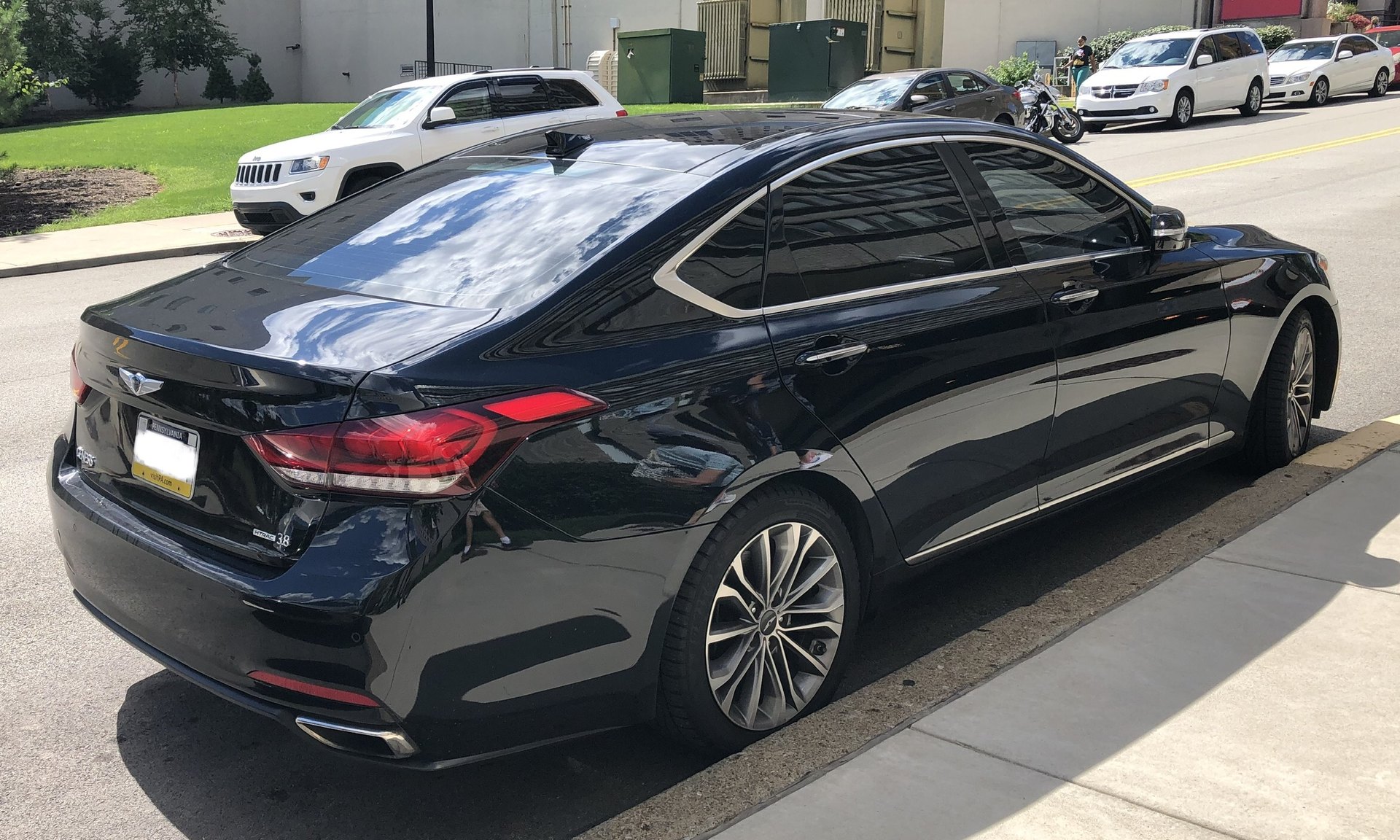
Hyundai Recalls 94,622 Genesis Sedans Over a Seat Switch That Can Get Stuck On
A knock to the power seat switch can leave the adjustment motor running after everyone has got out of the car. Hyundai first heard about it on the last day of 2021. The recall was filed on 8 October 2026, and the fix has not been designed yet.
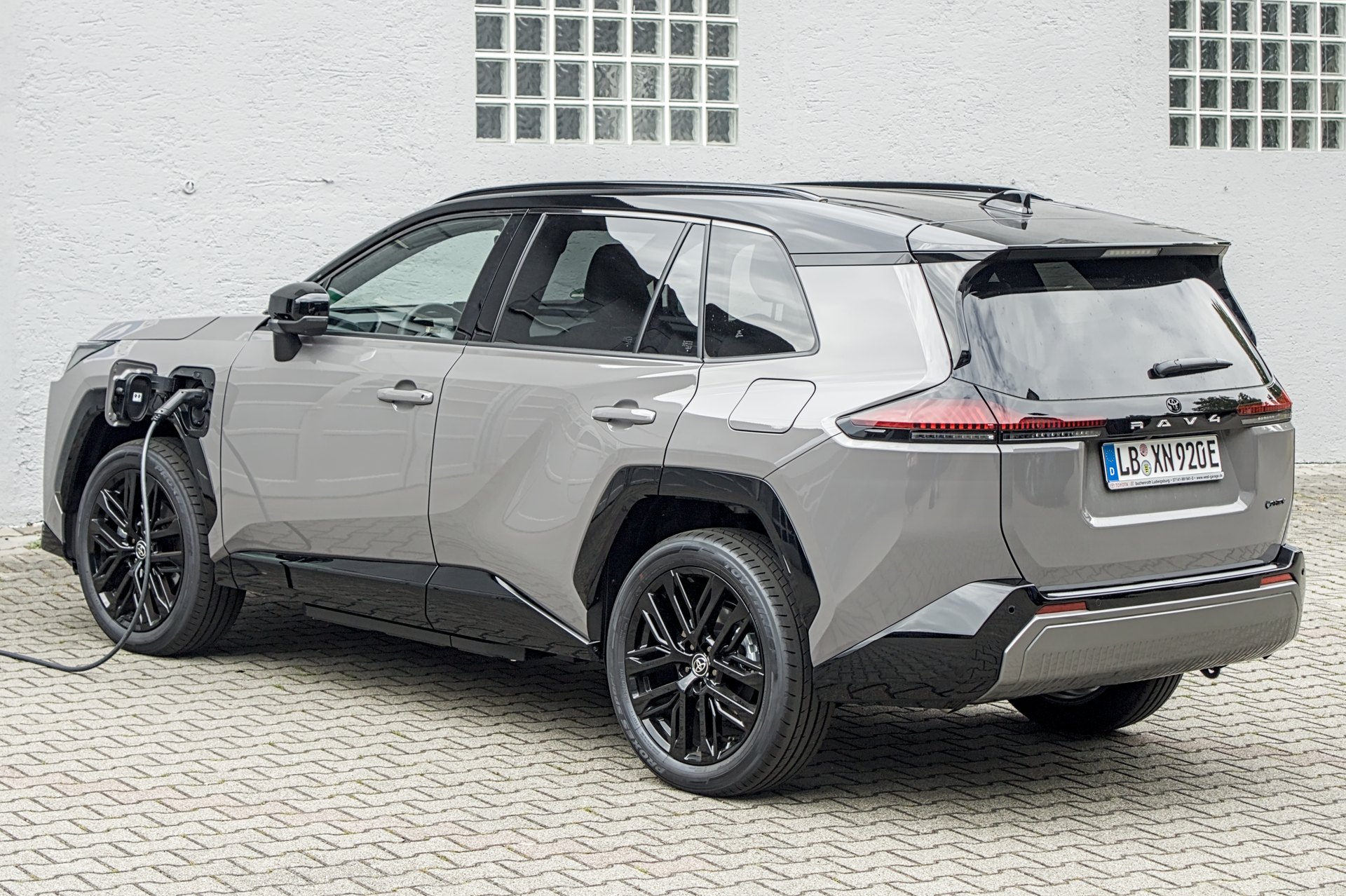
Toyota Recalls 30,978 RAV4 Plug-In Hybrids Over a Motor That Never Finishes Waking Up
A fault in the motor generator ECU's startup routine can leave the high-speed control mode unavailable. Nothing happens at first. The consequence arrives later, at speed, as a limp-home mode or a complete hybrid shutdown.
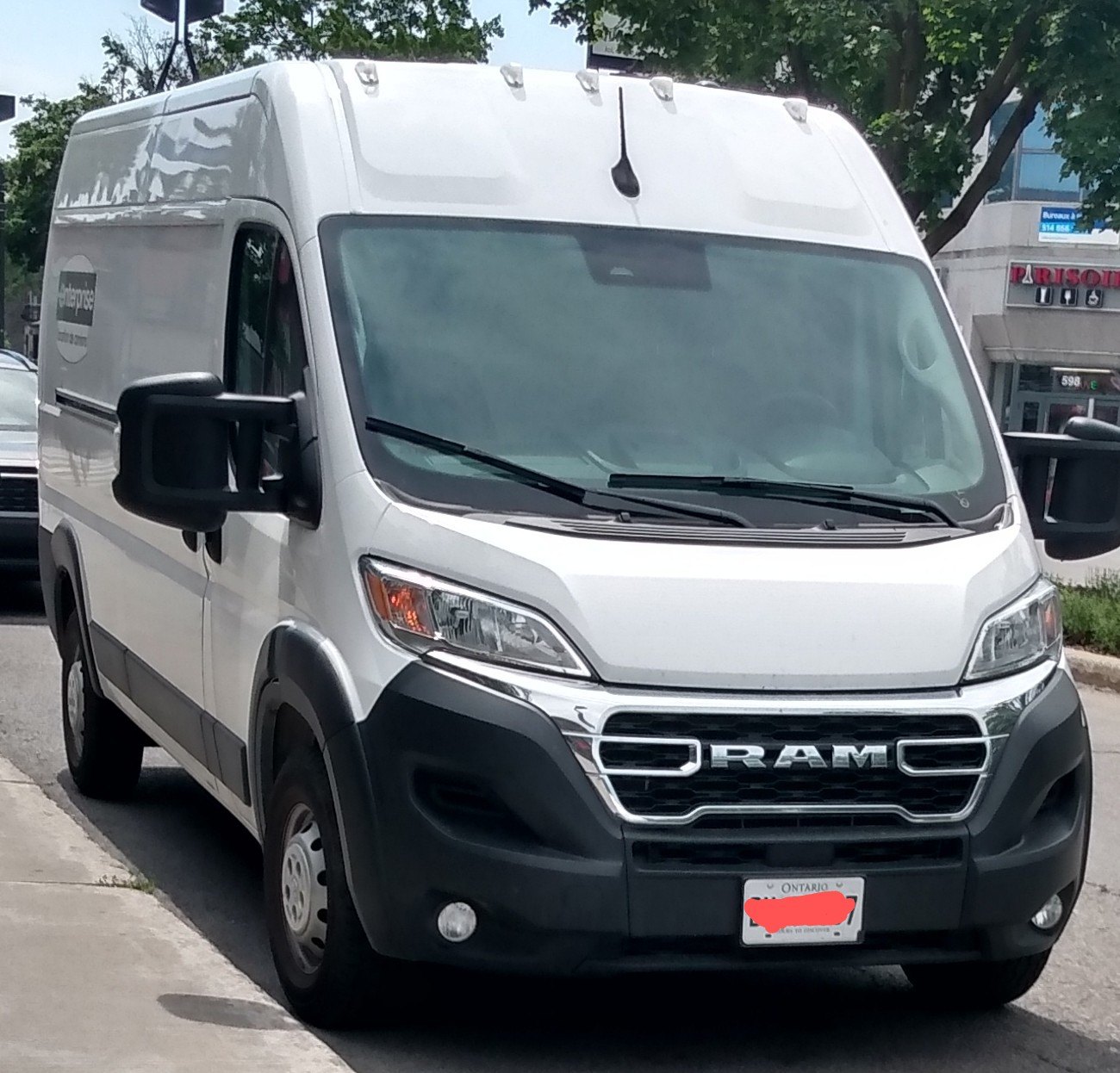
265,512 Ram ProMasters Can Lose Power Steering Because Water Gets Into the Harness
NHTSA campaign 26V621 covers four model lines across five model years, including the electric 3500. FCA's own filing puts the defect rate at 7.7 percent and logs 2,799 warranty claims. Repairs are "fourth quarter."