
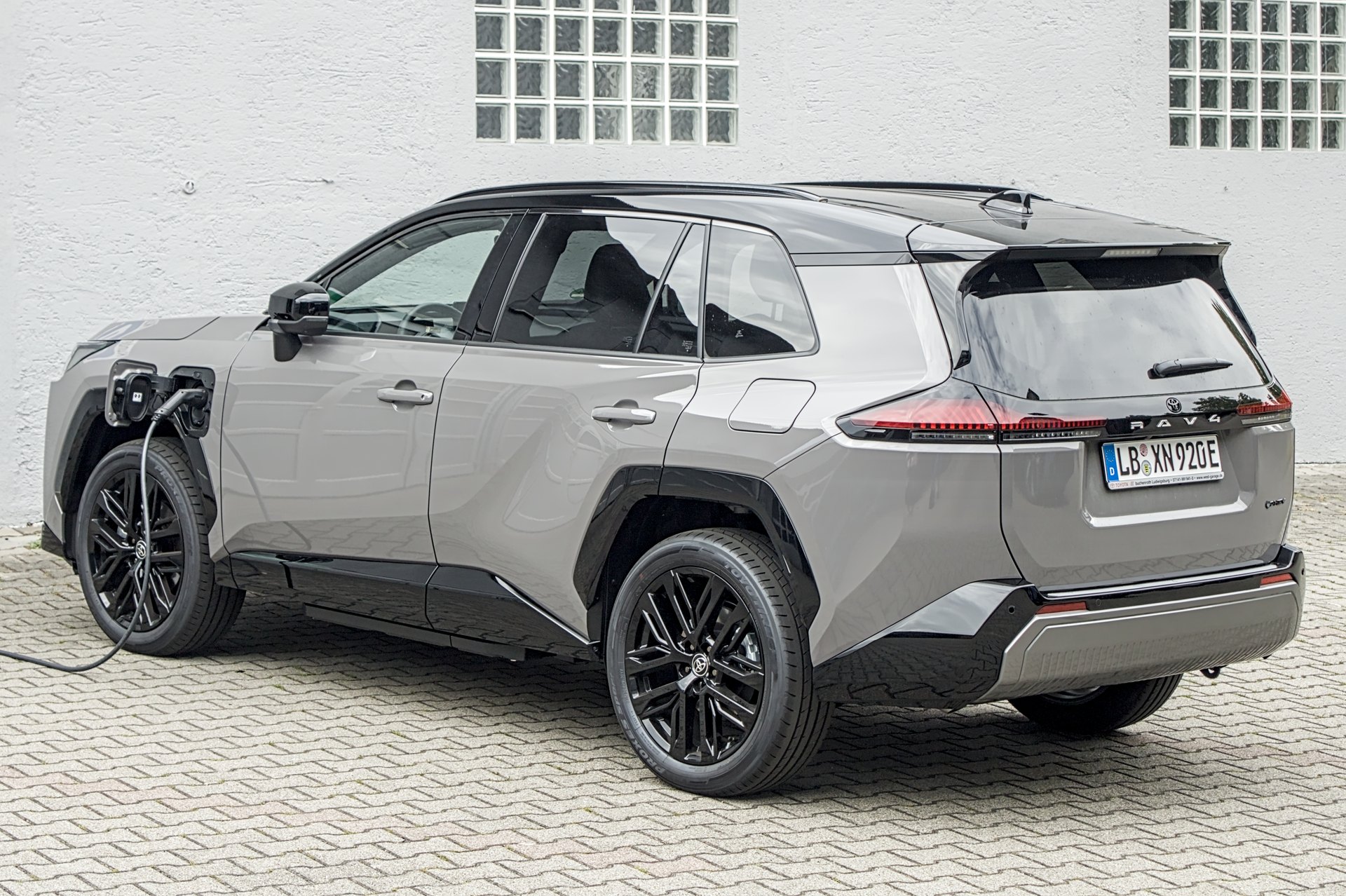
Toyota Recalls 30,978 RAV4 Plug-In Hybrids Over a Motor That Never Finishes Waking Up
A fault in the motor generator ECU's startup routine can leave the high-speed control mode unavailable. Nothing happens at first. The consequence arrives later, at speed, as a limp-home mode or a complete hybrid shutdown.
- NHTSA campaign
- 26V659000
- Toyota campaign
- 26TA22
- Vehicles
- 2026 Toyota RAV4 Plug-In Hybrid
- Units potentially involved
- 30,978
- Estimated percentage with the defect
- 100%
- Build dates
- 22 July 2025 – 19 August 2026
- Component
- Inverter Assy, HEV Motor Control (MG-ECU), part G92A0-42460
- Supplier
- Denso Corporation
- US field technical reports
- 38
- US warranty claims
- 58 (as of 30 September 2026)
- Crashes or injuries reported
- None stated
- Do Not Drive advisory
- No
- Park Outside advisory
- No
- Dealers notified
- 7 October 2026
- Owner letters mailed from
- 22 November 2026
- Notification complete by
- 6 December 2026
- Remedy
- MG-ECU software update, free of charge
- Toyota customer line
- 1-800-331-4331
Toyota has filed a safety recall covering 30,978 examples of the 2026 RAV4 Plug-In Hybrid in the United States. The Part 573 report, submitted to NHTSA on 7 October and published this week as campaign 26V659000, says the motor generator ECU may fail to complete the motor initialisation process correctly. The estimated percentage of involved vehicles carrying the defect is listed as 100 per cent.
The defect is set before the car has moved. The failure is delivered later, at the moment the car asks for the control mode that was never loaded.
The mechanism is worth reading carefully, because it is an unusually clean example of a software failure that hides. Per Toyota's filing, the MG-ECU can finish its startup sequence without correctly initialising the motor, which leaves the motor control mode used at higher speeds unavailable. Nothing is wrong with the car at that point in any way the driver can detect. It drives. It pulls away. The defect only produces a symptom when the vehicle reaches a speed at which that missing control mode is actually required — at which point warning lights illuminate and the plug-in hybrid system either drops into a fail-safe driving mode or shuts down. If it shuts down, the report states, there can be a loss of motive power while the vehicle is being driven at higher speed.
The chronology in the filing starts outside the United States. Between June and August 2026, Toyota received a field report from the Japanese market describing warning lights appearing while the car was being driven, after which it would only run in front-wheel drive at limited speed. Dealer inspection and data pulled from the vehicle pointed at a communication malfunction as the rear motor generator tried to hand over from the low-speed control mode to the high-speed one. Repeated bench testing of the initialisation sequence confirmed that under certain startup conditions, the rear motor generator's initialisation could fail outright.
That, on its own, is a degraded-performance problem rather than a safety one: the car limps home on the front axle. What turned it into a recall happened in mid-August, when Toyota worked out that the front motor generators run the same control program as the rear one. Engineers built test software with the high-speed control mode removed and ran the car with it to see what a front-motor failure would actually do. The answer was worse. With the front motors affected, reaching the speed that calls for the high-speed control mode brings up the warning lights and then either the fail-safe mode or a full shutdown of the hybrid system. Toyota decided to run a voluntary safety recall on 1 October.
The affected part is an Inverter Assy, HEV Motor Control — the MG-ECU — carrying part number G92A0-42460 and supplied by Denso. Build dates run from 22 July 2025 to 19 August 2026. Toyota notes in the filing that not every vehicle built inside that window was sold in the US, and that the issue is confined to cars whose MG-ECU carries the specific software described; other Toyota and Lexus models either do not have an MG-ECU at all or have one running different software.
On field experience, Toyota's filing states that as of 30 September 2026 it had identified 38 Toyota Field Technical Reports and 58 warranty claims from US sources that relate or may relate to the condition. The report does not state any crashes or injuries. There is no Do Not Drive advisory and no Park Outside advisory attached to the campaign, and NHTSA's record lists it as a conventional dealer visit rather than an over-the-air fix.
The remedy is a software update to the affected ECU at a Toyota dealer, free of charge. Dealers were notified on 7 October. Owner notification letters are expected to start going out on 22 November 2026, with the recall schedule requiring notification to be complete by 6 December. Toyota's internal campaign number is 26TA22, and its customer line for the campaign is 1-800-331-4331. Owners who want to check a specific car can run the VIN through NHTSA's recall lookup rather than waiting for the letter.
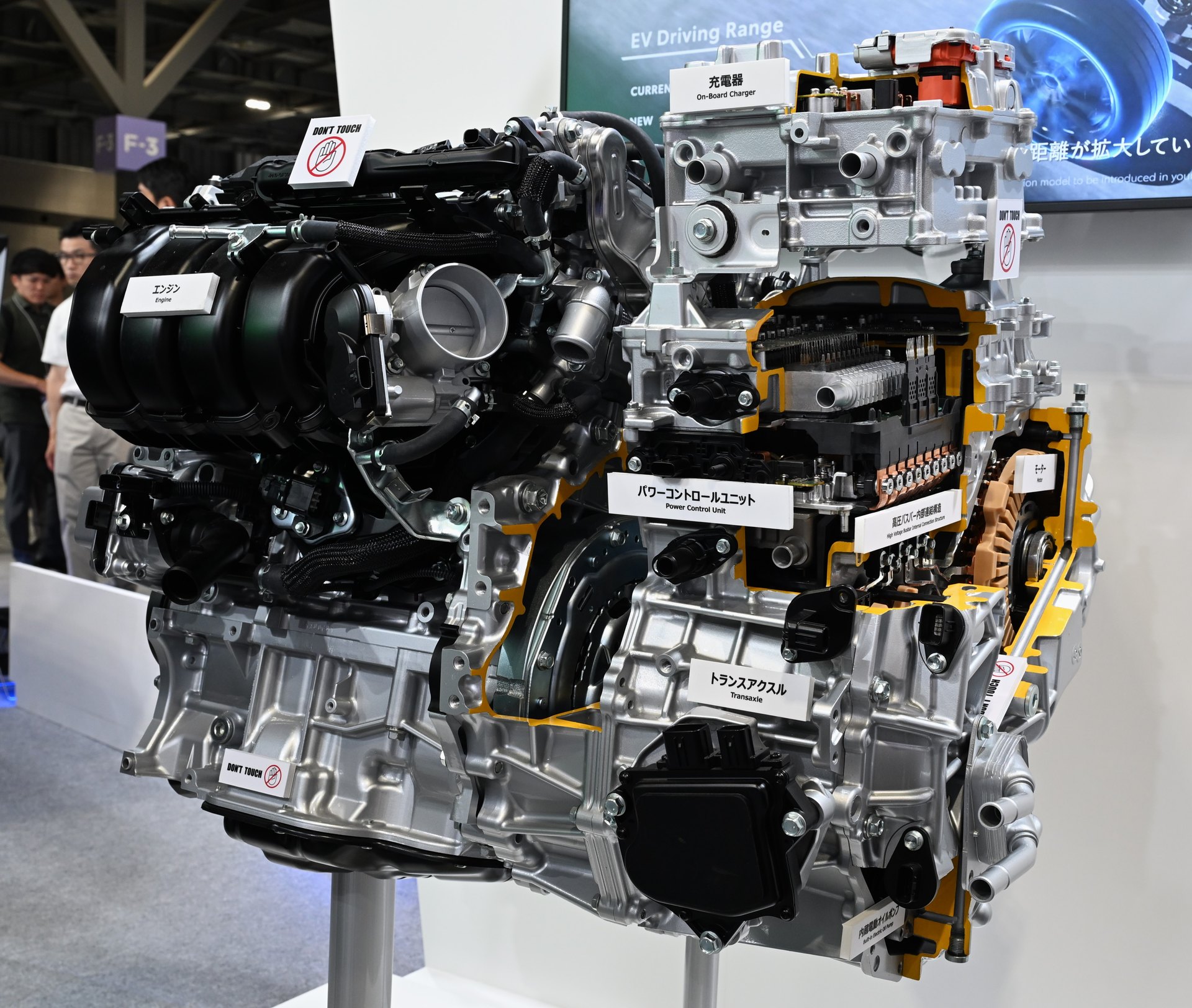
Some context on what is being recalled. The 2026 RAV4 Plug-In Hybrid is the plug-in version of the new generation, and Toyota's own launch material puts it at 324 net combined system horsepower from a 2.5-litre four-cylinder and a pair of electric motors, with a manufacturer-estimated all-electric range of up to 52 miles on SE and XSE grades, 49 on the Woodland and 48 on the GR SPORT. All-wheel drive comes from a dedicated rear electric motor, which Toyota designates MGR, with the front wheels driven by the motor it calls MG2. That is the architecture the recall document is describing when it separates the rear motor generator from the front ones: the rear motor is the one that failed in Japan, and the front motors are the ones that turned a limp-home fault into a recall.
As recalls go, a free software flash is the cheap end of the scale — no parts shortage, no multi-month wait for components, a visit measured in an hour or two. The failure mode it is fixing is the expensive end. A powertrain that can decide to switch itself off at highway speed is exactly the sort of defect that reads as harmless on a workshop bench and is anything but in the middle lane.
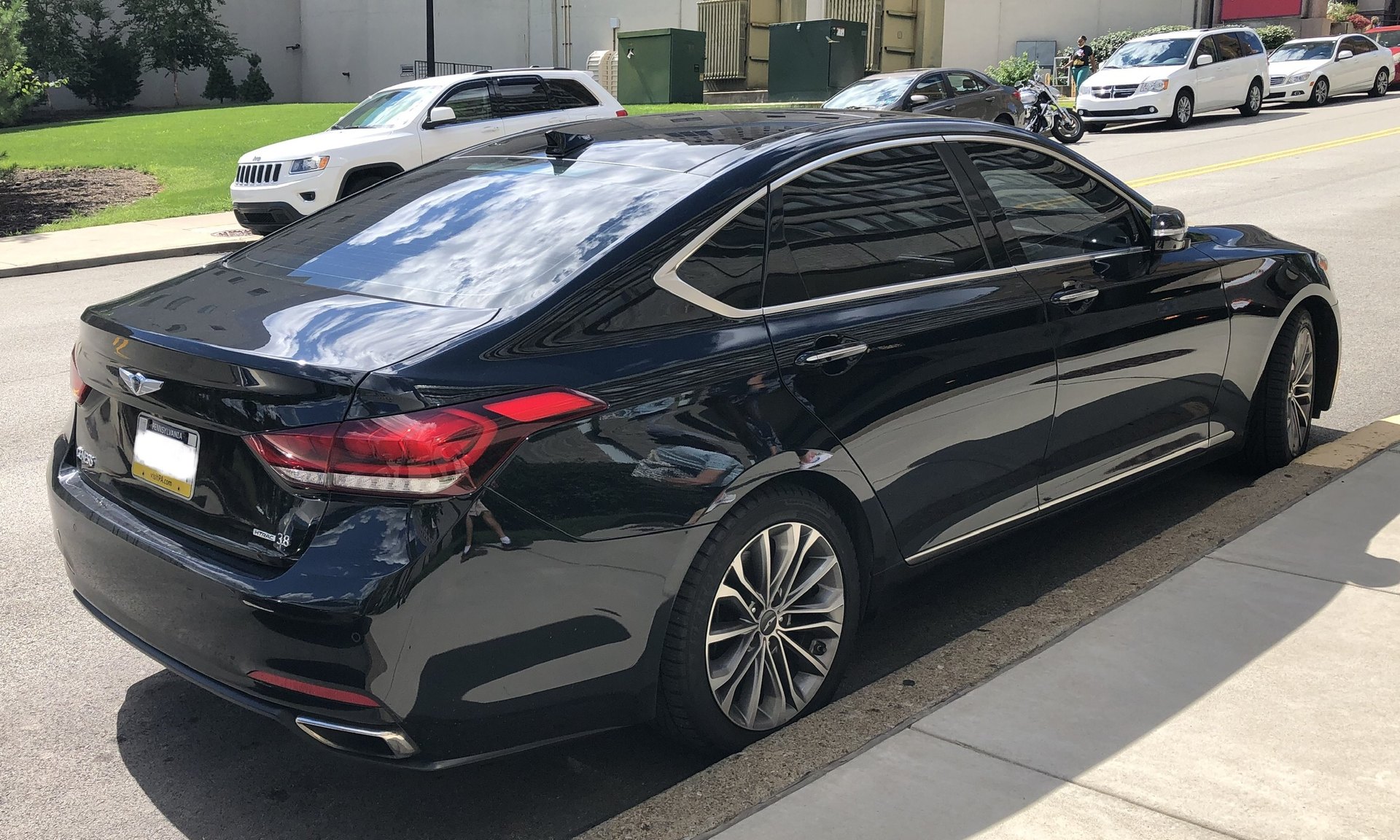
Hyundai Recalls 94,622 Genesis Sedans Over a Seat Switch That Can Get Stuck On
A knock to the power seat switch can leave the adjustment motor running after everyone has got out of the car. Hyundai first heard about it on the last day of 2021. The recall was filed on 8 October 2026, and the fix has not been designed yet.
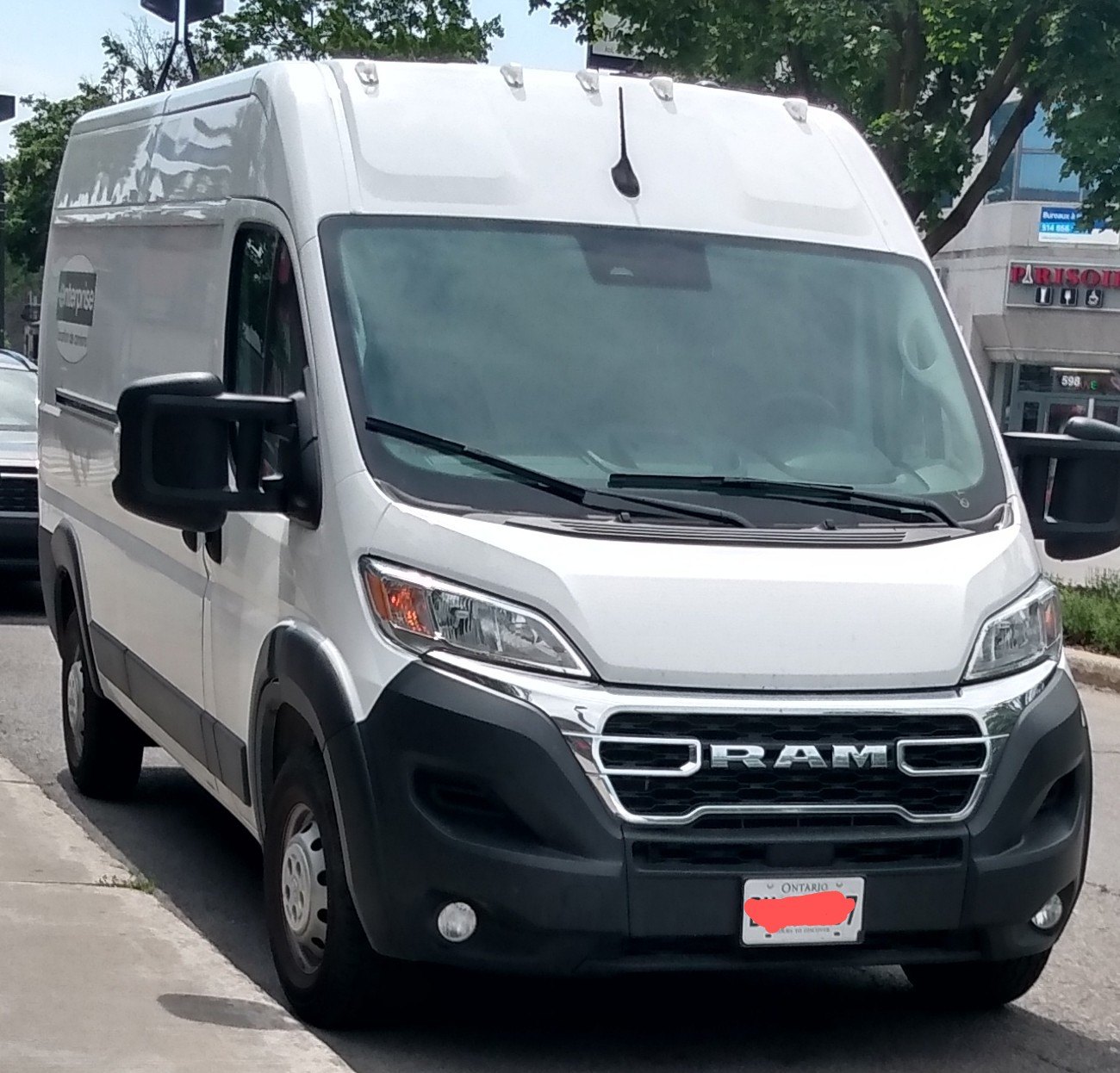
265,512 Ram ProMasters Can Lose Power Steering Because Water Gets Into the Harness
NHTSA campaign 26V621 covers four model lines across five model years, including the electric 3500. FCA's own filing puts the defect rate at 7.7 percent and logs 2,799 warranty claims. Repairs are "fourth quarter."
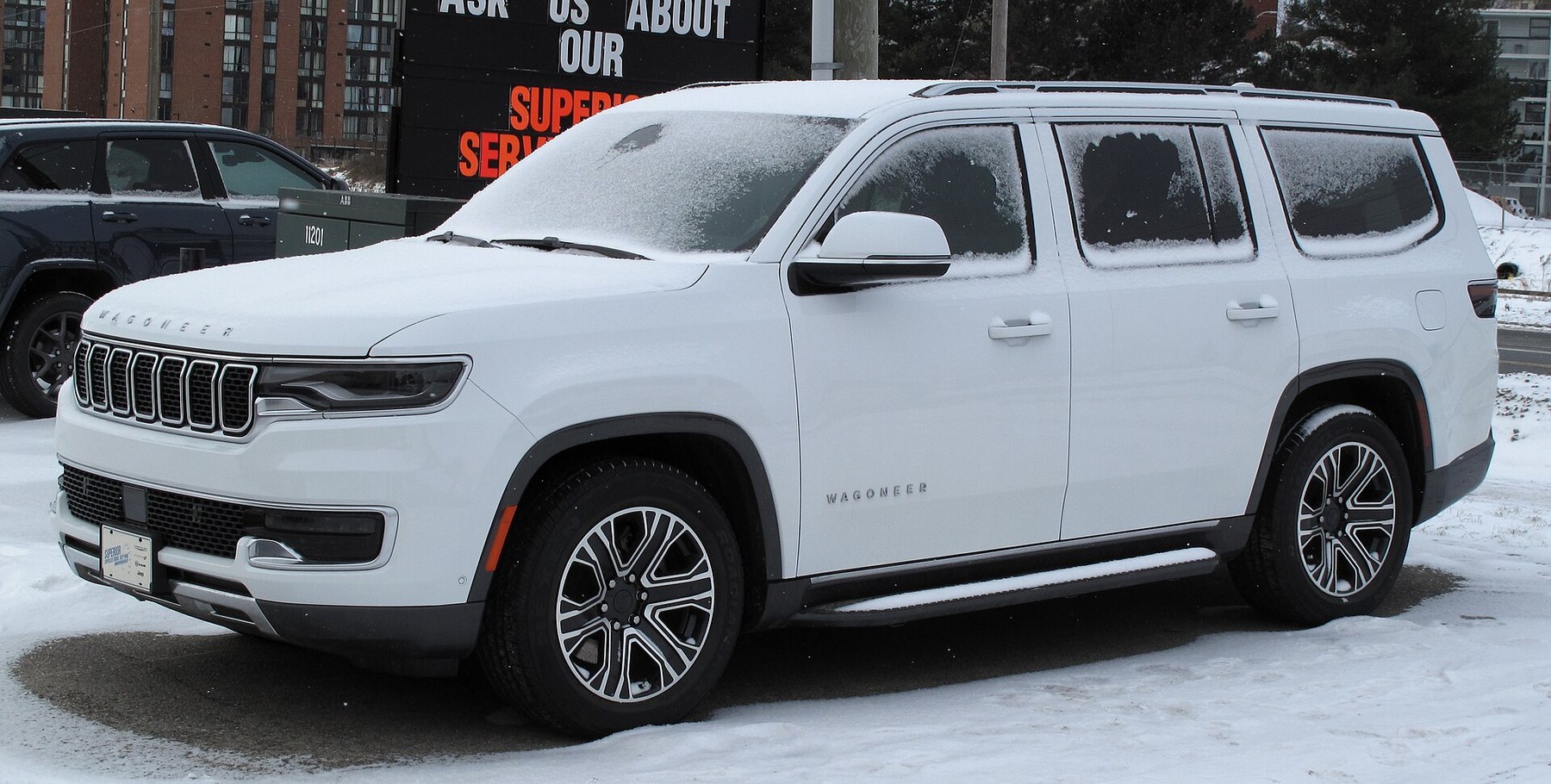
Jeep Is Recalling 97,349 Wagoneers for Roof Crossbars That Can Fall Off. Its Own Filing Says the Rate Is 100 Percent
FCA's Part 573 report estimates every affected truck has the defect, leaves the "cause" field blank, and lists no date for the actual repair. Interim letters start landing Thursday.