
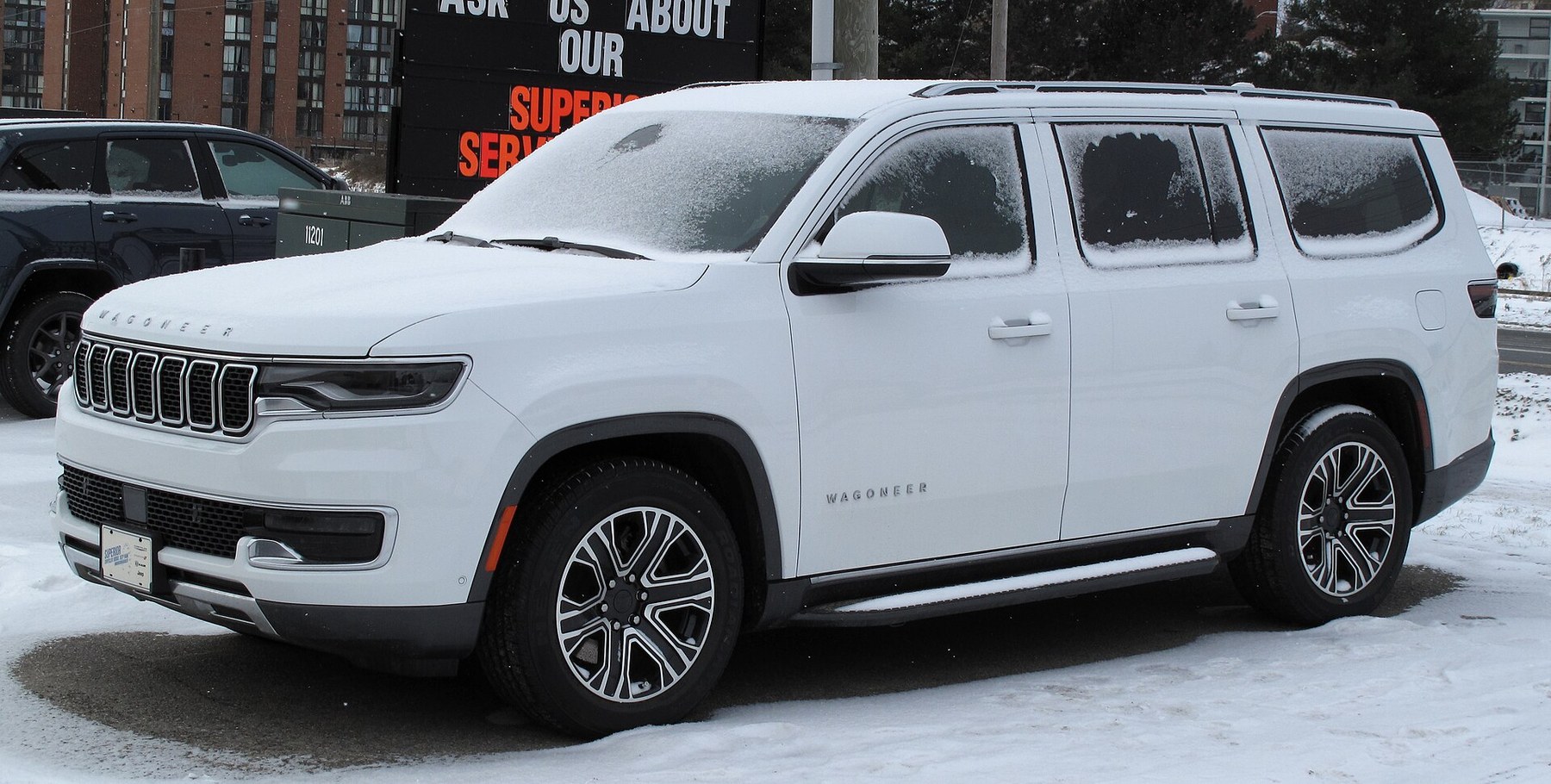
Jeep Is Recalling 97,349 Wagoneers for Roof Crossbars That Can Fall Off. Its Own Filing Says the Rate Is 100 Percent
FCA's Part 573 report estimates every affected truck has the defect, leaves the "cause" field blank, and lists no date for the actual repair. Interim letters start landing Thursday.
- NHTSA Campaign
- 26V584000
- FCA US Recall No.
- 81D
- Submitted
- 10 September 2026
- Vehicles
- 97,349
- Est. percentage with defect
- 100%
- Build window
- 24 Feb 2021 – 30 Oct 2025
- Warranty claims
- 15
- Accidents or injuries
- None reported
- Remedy
- Phased, no date given
Chrysler (FCA US, LLC) filed a Part 573 safety recall report with NHTSA on 10 September covering 97,349 Jeep Wagoneer and Grand Wagoneer SUVs whose roof rack crossbars can come off the truck while it is moving. The agency logged it as campaign 26V584; FCA's internal number is 81D. Dealers were notified on 17 September and VINs became searchable the same day. Owner letters begin going out on Thursday — but they are interim letters, because the repair does not exist yet.
"Crossbars which detach from a vehicle may create a road hazard to operators and occupants of other vehicles, and can cause such vehicles to crash without prior warning." — FCA US, Part 573 Safety Recall Report 26V584
The defect description in the filing runs to one sentence: "A crossbar with insufficient torque on the pivot bolt may detach from the vehicle." The safety risk gets two more, and they are unusually direct for a document written by a manufacturer's regulatory compliance group. Detached crossbars "may create a road hazard to operators and occupants of other vehicles, and can cause such vehicles to crash without prior warning." This is not a recall about the people in the Jeep. It is a recall about everyone behind it.
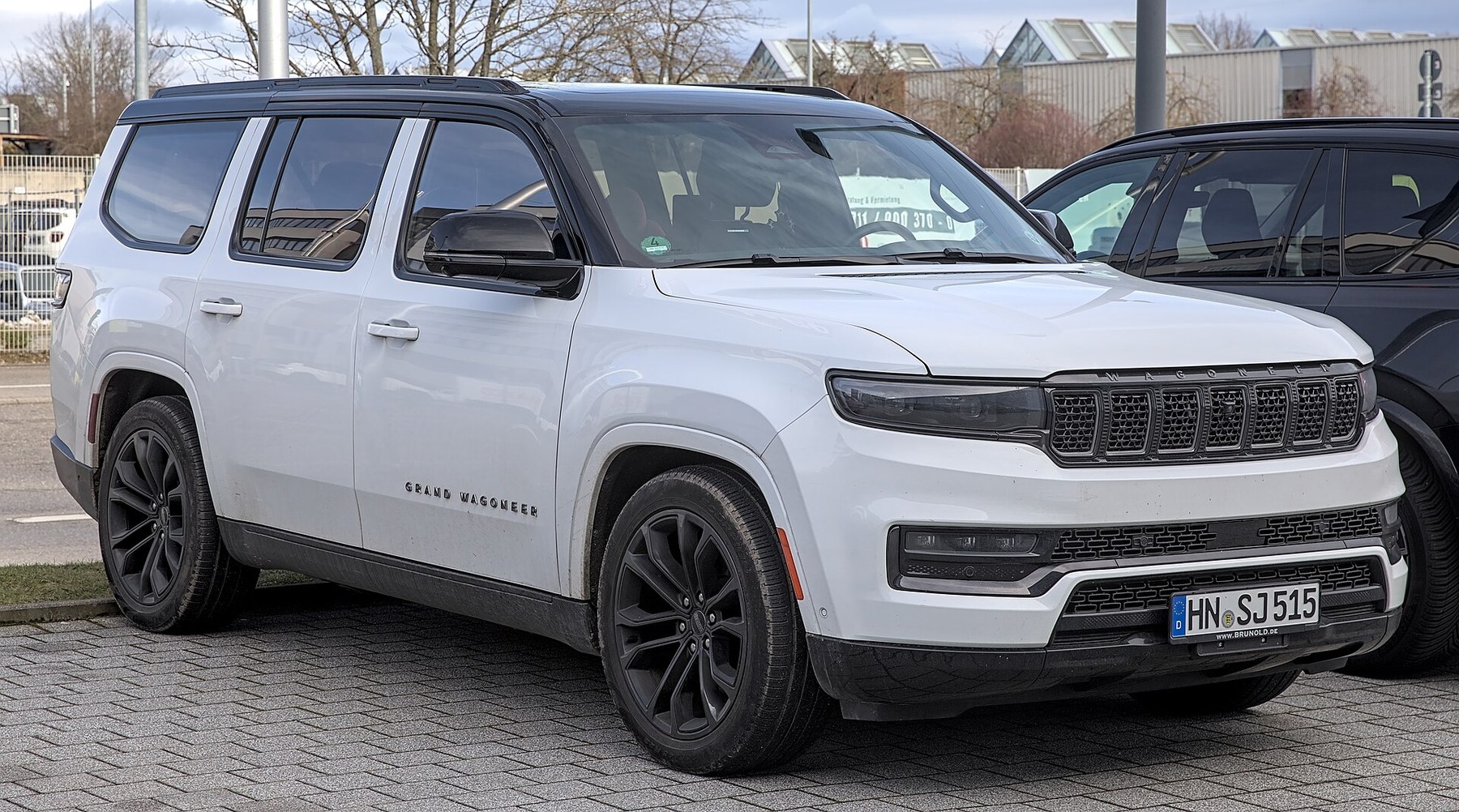
Four model lines are covered: 2022–2025 Wagoneer (54,249 trucks, built 8 March 2021 to 10 October 2025), 2022–2026 Grand Wagoneer (22,144, 24 February 2021 to 30 October 2025), 2023–2025 Wagoneer L (11,606, 11 May 2022 to 9 October 2025) and 2023–2026 Grand Wagoneer L (9,350, 4 May 2022 to 30 October 2025). FCA says the suspect windows were established from supplier and vehicle production records, and that trucks left out of the campaign were either built after the window closed or never had roof crossbars fitted in the first place.
Which is the context for the number that makes this filing worth reading rather than skimming. The box on the form marked "Estimated percentage with defect" says 100%. Manufacturers routinely enter something far lower there — a few percent, sometimes a fraction of one — because they can usually narrow a bad batch to a date range, a shift, a torque gun, a single supplier lot. FCA did not narrow anything. Every truck that left a plant with these crossbars during a four-and-a-half-year window is being treated as having the defect, which is a tacit admission that nobody can tell the properly torqued bolts from the under-torqued ones without taking them apart.
The form's "Description of the cause" field is blank. So is "Identify how/when recall condition was corrected in production." That second blank is the stranger of the two, because the production records in the same document show the suspect crossbars stopped going onto trucks on 30 October 2025 — nearly a year before the recall was filed. Something changed on the line. The filing does not say what, or why.
The component manufacturer is named: Minth – Plastic Trim International, 935 Aulerich Road, East Tawas, Michigan. Six part numbers are listed for the crossbar rail assembly — 68747056AA, 68529228AA, 68529228AB, 68442426AA, 68442426AB and 68442426AC — which is a lot of revisions for a bar that holds a kayak, and suggests the part was being worked on over its life even if the filing declines to connect that to the defect.
The chronology is short. FCA's Technical Safety and Regulatory Compliance group opened an investigation on 25 June 2026 and spent until 19 August working through production records and crossbar design changes with engineering and manufacturing. As of 31 August the company had found 15 warranty claims potentially related to the issue across all markets, with receipt dates spread from 3 May 2023 to 29 May 2026 — three years of scattered claims — along with no customer assistance records and no field reports. No accidents or injuries have been identified. On 3 September, FCA's Vehicle Regulations Committee determined that a safety defect exists.
Fifteen claims over three years is thin evidence on which to recall nearly a hundred thousand trucks, and FCA recalled them anyway. That is the correct call when the failure mode drops hardware onto a highway, but it also means the company is acting on an inference about torque rather than a wave of failures it can measure. The warning signs owners are told to watch for reflect the same uncertainty: a rattling noise, a bolt visibly missing, or a crossbar that has come apart at the pivot joint. In other words, you find out by noticing, not by being told.
The remedy is listed as a repair to the pivot joints, free of charge, and the one line describing it carries the real news: "Remedy pivot bolts are a different design." This is not a service campaign to put a torque wrench on an existing fastener. The replacement hardware is new hardware, which is why there is no remedy date. The owner notification schedule lists dealer notification on 17 September and interim owner letters on 8–9 October, and then, where the date for remedy letters should be, the words "Phased Recall" and nothing else.
FCA attached no do-not-drive advisory and no park-outside advisory, so the practical guidance for the 97,349 affected owners for now is the interim letter and the list of symptoms. Anyone who wants to check their own truck can run the VIN at nhtsa.gov, where this campaign has been searchable since 17 September, or call Chrysler customer service at 1-800-853-1403 and quote recall 81D. The more useful step in the meantime costs nothing: put a hand on each crossbar and try to move it at the pivot, and if the truck is carrying anything up there, take it down until there is a part number to fit.
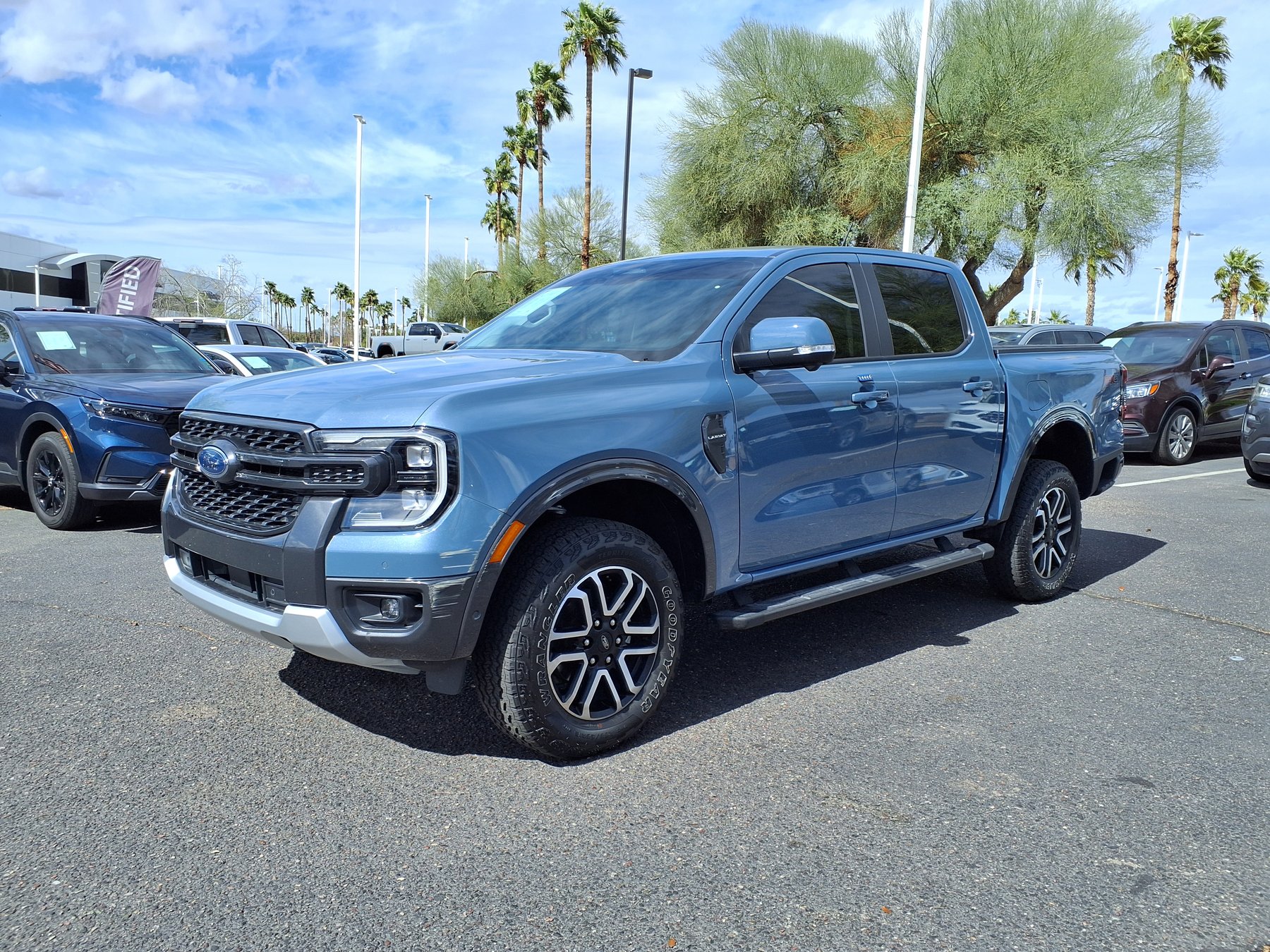
Ford Says a Suspected Counterfeit Capacitor Is Blanking Ranger Screens — and There's No Fix Yet
11,405 2026 Rangers can lose their center display entirely, taking the backup camera with it. Ford's own filing calls the part potentially counterfeit, and the remedy column still says the parts don't exist.
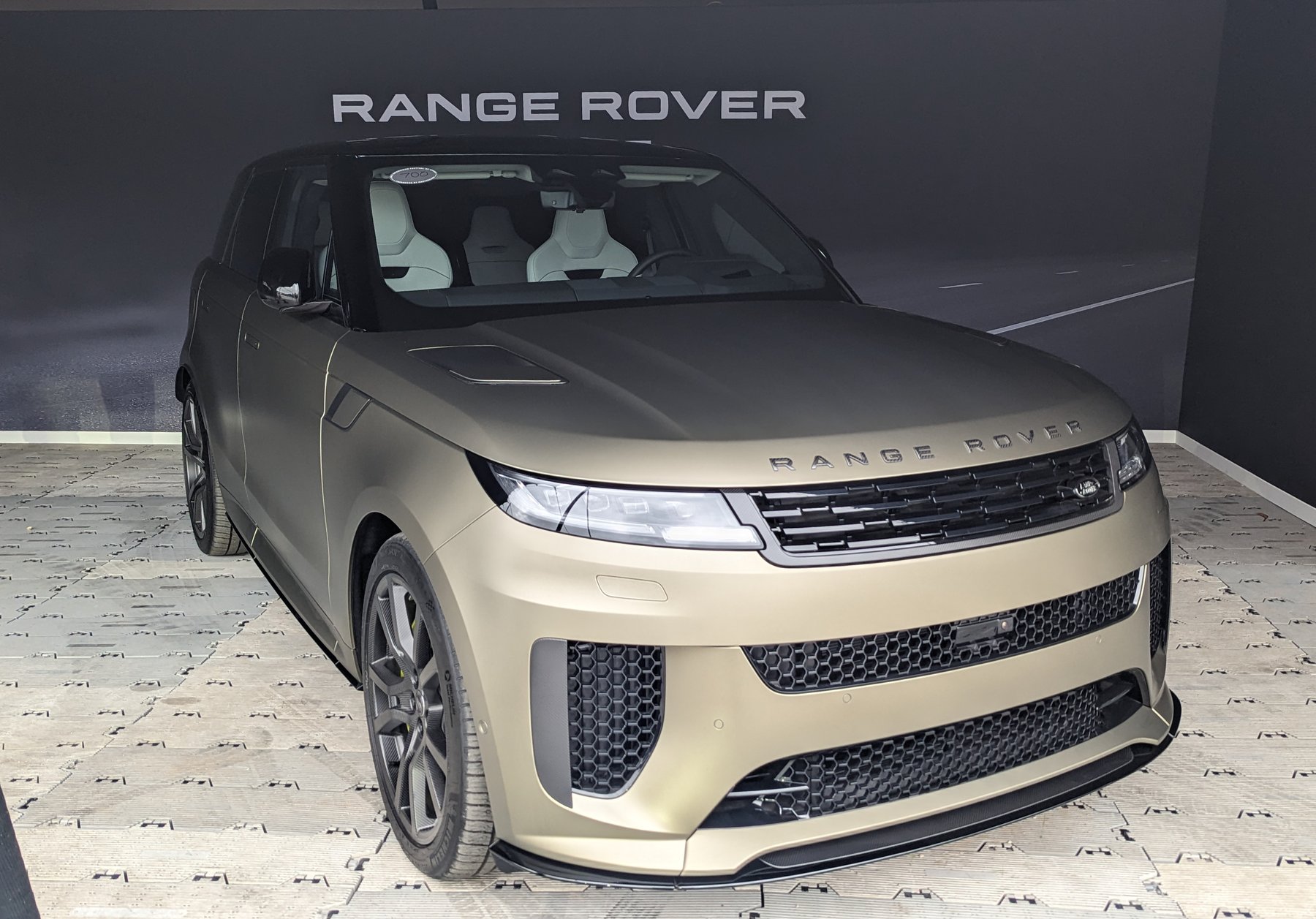
Land Rover Lost the Photos, So It's Recalling the Cars
NHTSA campaign 26V613 covers rear subframes that can crack on the 626-hp Range Rover Sport SV. The revealing part isn't the cracks JLR found — it's the cars whose factory inspection images it can no longer retrieve.
The New Fuel Economy Rule Asks Less of 2031 Than the Fleet Already Delivered in 2024
NHTSA's final CAFE rule sets a 34.9 mpg fleet target for model year 2031. The agency's own analysis says the 2024 fleet hit 35.4. Twenty-six states, cities and counties filed suit three days after it landed in the Federal Register.