
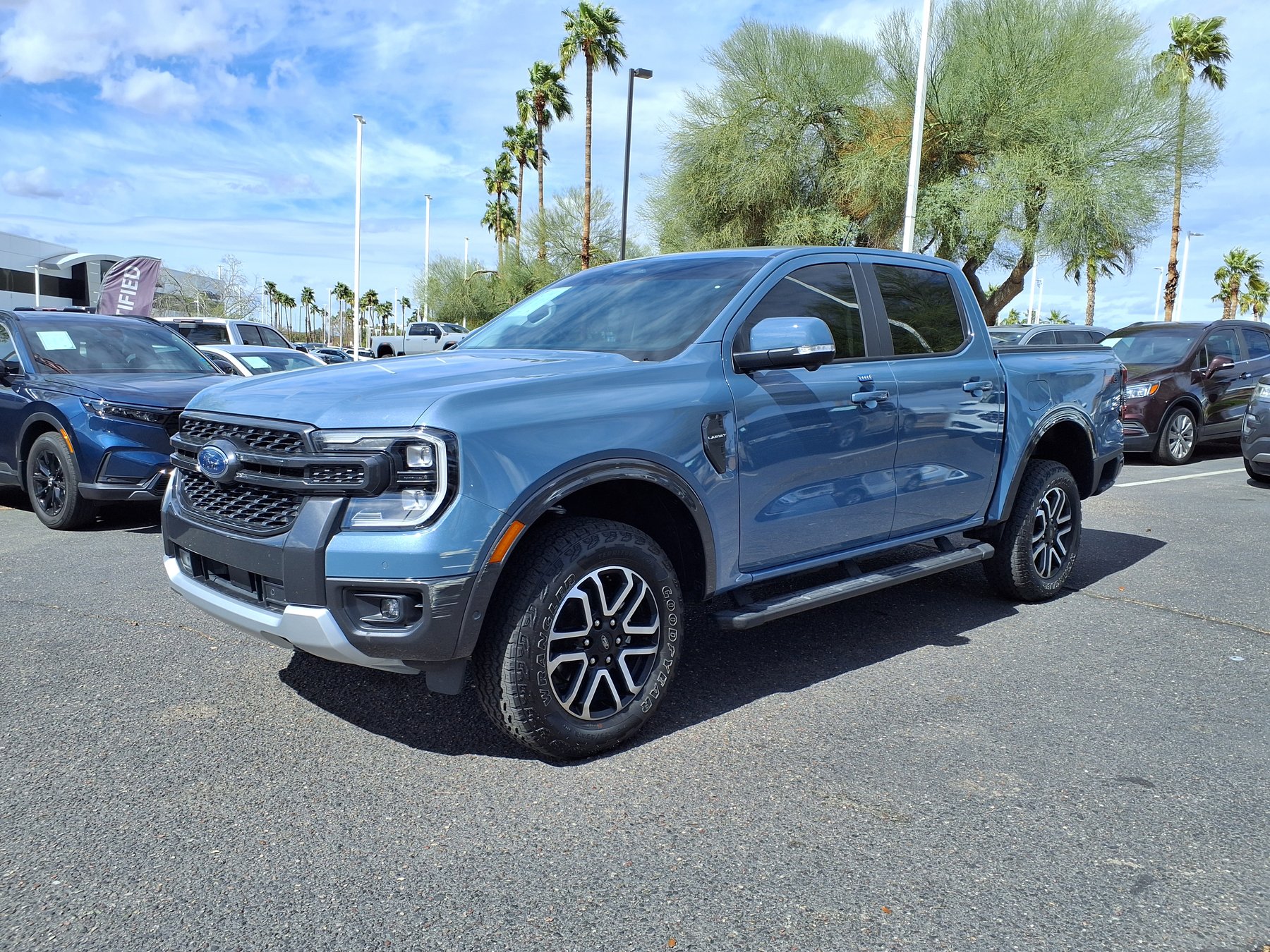
Ford Says a Suspected Counterfeit Capacitor Is Blanking Ranger Screens — and There's No Fix Yet
11,405 2026 Rangers can lose their center display entirely, taking the backup camera with it. Ford's own filing calls the part potentially counterfeit, and the remedy column still says the parts don't exist.
- NHTSA Campaign
- 26V605000
- Ford Recall No.
- 26C42
- Vehicles
- 11,405 (2026 Ranger)
- Build Window
- Apr 21 – Sep 3, 2026
- Est. Defect Rate
- 47%
- Remedy
- Not yet available
Ford filed a Part 573 safety recall report with NHTSA on September 22 covering 11,405 2026 Ranger pickups whose 10.1-inch center stack screen can go completely dark. When it does, the rear-view camera image is unavailable the moment the driver shifts into reverse. The agency logged it as campaign 26V605000; Ford's internal number is 26C42. Owners start receiving letters today — but they are interim letters, because as of the filing there is no repair to schedule.
"The substandard capacitors are believed to be potentially counterfeit parts." — Ford Motor Company, Part 573 Safety Recall Report 26V605
The trucks were built at Michigan Assembly Plant in Wayne, Michigan between April 21 and September 3 of this year. Ford's own estimate of how many of those 11,405 carry the defect is 47 percent, which is an unusually high number to see in that box on a 573 form. The company also filed a companion equipment recall, 26E065000, covering 46 of the same 10.1-inch displays that were sold as service parts and fitted to 2024 through 2026 Rangers during repairs.
The failure chain Ford describes is short and physical. A multi-layer ceramic capacitor on the display's printed circuit board assembly cracks, that crack causes an electrical short on the board, the short opens the display's power fuse, and the screen loses power. Component analysis found the capacitors in question show an out-of-specification dissipation factor — in plain terms, they leak energy as heat instead of storing it the way the spec says they should. Ford's conclusion in the filing is blunt: the parts are "suspected counterfeit components that fail to meet engineering and material specifications." The capacitor is identified by part number, GRM32ER71H106KA12L, and traced to a Tier 2 supplier, Suzhou Dongshan Display Inc. of Suzhou, China.
That is the part of this story worth sitting with. Ford did not find a design flaw or a software bug in its own work. It found that somewhere upstream of the display module it buys, a batch of commodity capacitors entered the supply chain that were not what the paperwork said they were — and the only reason anyone knows which 11,405 trucks got them is that Ford's traceability process can link a capacitor lot to a board serial number, to a center stack assembly serial number, to a VIN. Trucks with assemblies built from verified conforming capacitors are explicitly excluded from the recall. The entire scope of this action rests on that chain of records holding up.
The chronology in the filing reads like a plant-floor problem that escalated fast. On August 14, Ford's Pre-Investigation Review opened a case after the Plant Vehicle Team at Michigan Assembly flagged a warranty trend: 2026 Rangers coming back with black center screens at very low mileage and very little time in service. By August 20, teardown and failure analysis on six returned parts had confirmed the cracked-capacitor root cause and traced it to a specific batch of boards. On September 2, Ford's Customer Service Division issued a Quality Reject Notification across North America to quarantine suspect service inventory. Traceability work wrapped on September 10, the Field Review Committee approved a field action on September 15, and the report went to NHTSA a week later. Ford counted 15 warranty claims in North America as of September 14, no owner complaints filed with NHTSA, and no reports of a crash or injury.
What makes this a federal matter rather than a warranty annoyance is FMVSS No. 111, "Rear Visibility." Standard 111 used to be titled "Rearview mirrors"; NHTSA renamed and rewrote it in a 2014 final rule issued to satisfy the Cameron Gulbransen Kids Transportation Safety Act of 2007. The rewritten standard requires every passenger vehicle under 10,000 pounds GVWR to show the driver a rearview image covering a zone 10 feet wide — five feet either side of the vehicle's centerline — and 20 feet back from the rear bumper. It phased in from May 1, 2016 and became mandatory on every new vehicle built on or after May 1, 2018. In practice that means a camera, because mirrors cannot do it.
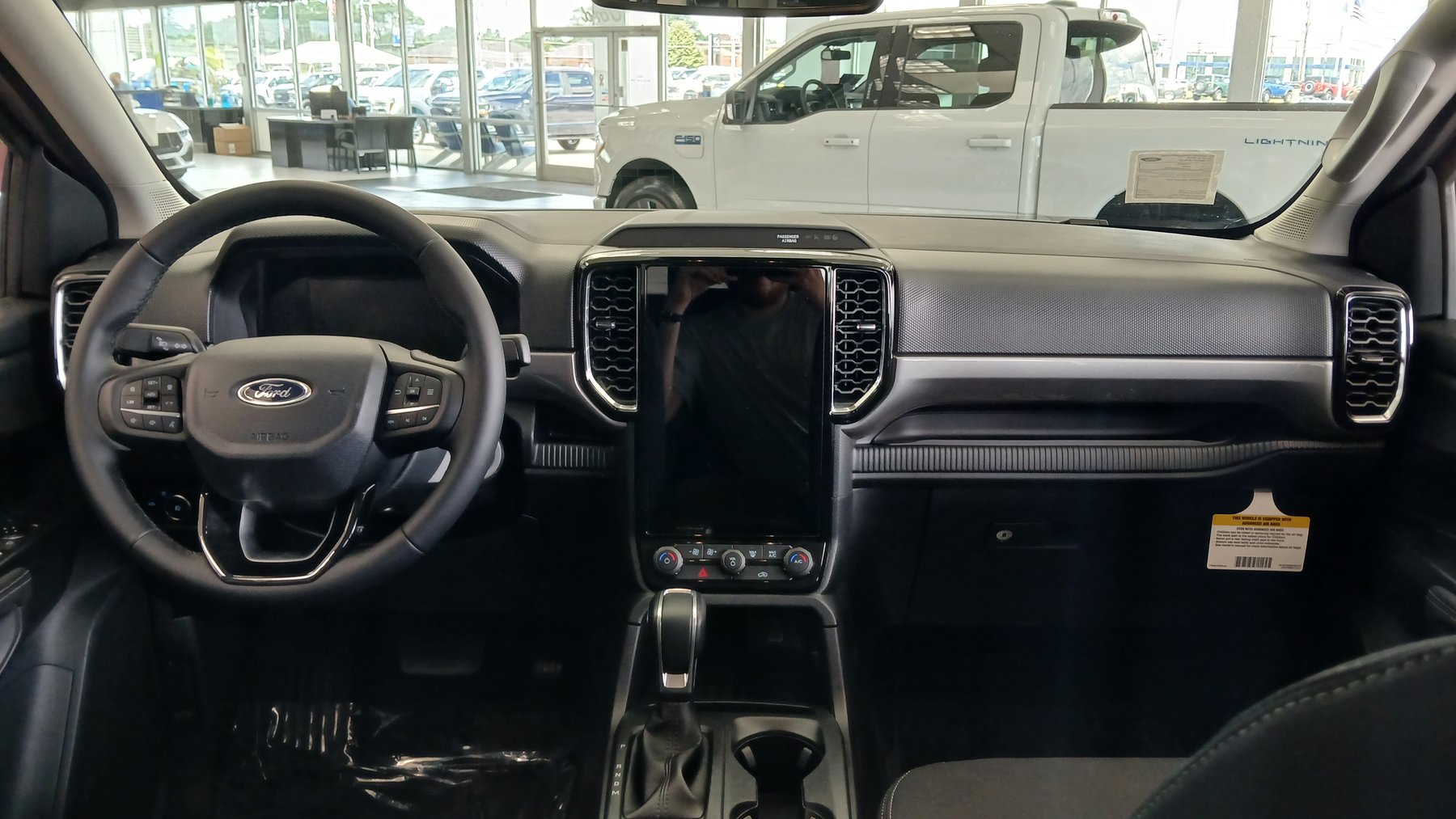
Standard 111 is specific about more than the picture. S5.5.3 requires the compliant image to be on screen within 2.0 seconds of the start of a backing event. S5.5.6 requires the system to default to that image at the beginning of every backing event, no matter what the driver had the display showing before. Ford's filing cites S5.5.1, S5.5.3 and S5.5.6 as the sections the affected Rangers may fail — field of view, response time, default view. A screen that is dark cannot satisfy any of them, which is why this is filed as a noncompliance and not merely a defect: Ford is telling the federal government that as built, these trucks do not meet a standard they were required to meet when they left the plant.
The numbers behind that standard are worth repeating because they are easy to forget once the camera becomes background furniture. In the 2014 rule, NHTSA put backover crashes at 267 fatalities and 15,000 injuries a year across all vehicles, with 210 of those deaths attributable to light vehicles. Children under five accounted for 31 percent of the fatalities; adults 70 and older accounted for another 26 percent. The agency's own estimate was that compliant rear visibility systems would save 58 to 69 lives a year once the entire fleet was equipped — a milestone it did not expect to reach until roughly 2054.
Ford has been here repeatedly. In May 2025 it recalled more than a million Ford and Lincoln vehicles, spanning most of the lineup from the Mach-E to the F-600, because a software error could make the rearview image delay, freeze, or not appear at all. In March of this year it filed two more on the same day: 889,950 Escapes, Explorers, Corsairs and Aviators whose center display could show the rearview image flipped or inverted, and 849,310 Broncos and Edges whose infotainment module could overheat and shut down. In July it added 47,587 F-150s and F-250s with 8-inch SYNC screens where the home-screen menu could cover the camera feed. Rivian filed its own FMVSS 111 recall six days before Ford filed this one, covering 98,828 R1S, R1T and R2 vehicles where a notification could obstruct the reverse image. Every one of those was fixed, or is being fixed, with software — in Rivian's case over the air.
This one cannot be. A cracked capacitor on a circuit board is not something a calibration update reaches, which is why the remedy section of Ford's filing says only that "a remedy is not yet available" and that the company "is working to provide parts for this repair." Dealers were notified September 25 and VINs became searchable the same day. Interim owner letters go out between October 5 and October 9. The date for remedy letters is listed as TBD. Ford did not attach a do-not-drive or park-outside advisory, so affected owners are being told to keep driving a truck that may stop showing them what is behind it, with no appointment to book — and it is worth noting the Ranger is already carrying two open 2026 engine recalls whose remedies Ford has penciled in for November and December. For a defect that traces to a part Ford believes was counterfeit before it ever reached a Ford supplier, the fix is going to take as long as it takes to build legitimate boards and ship them to 11,405 trucks.
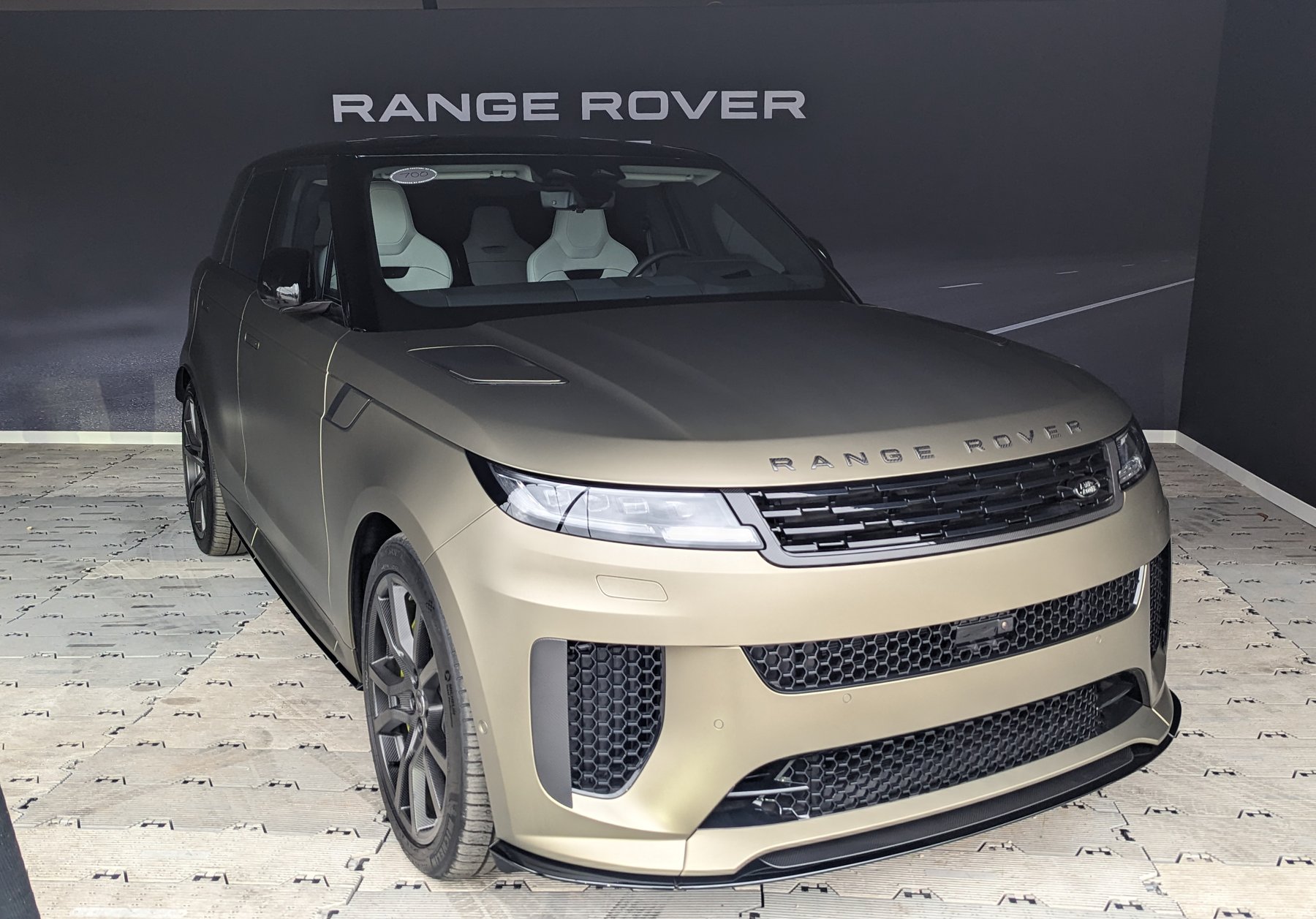
Land Rover Lost the Photos, So It's Recalling the Cars
NHTSA campaign 26V613 covers rear subframes that can crack on the 626-hp Range Rover Sport SV. The revealing part isn't the cracks JLR found — it's the cars whose factory inspection images it can no longer retrieve.
The New Fuel Economy Rule Asks Less of 2031 Than the Fleet Already Delivered in 2024
NHTSA's final CAFE rule sets a 34.9 mpg fleet target for model year 2031. The agency's own analysis says the 2024 fleet hit 35.4. Twenty-six states, cities and counties filed suit three days after it landed in the Federal Register.
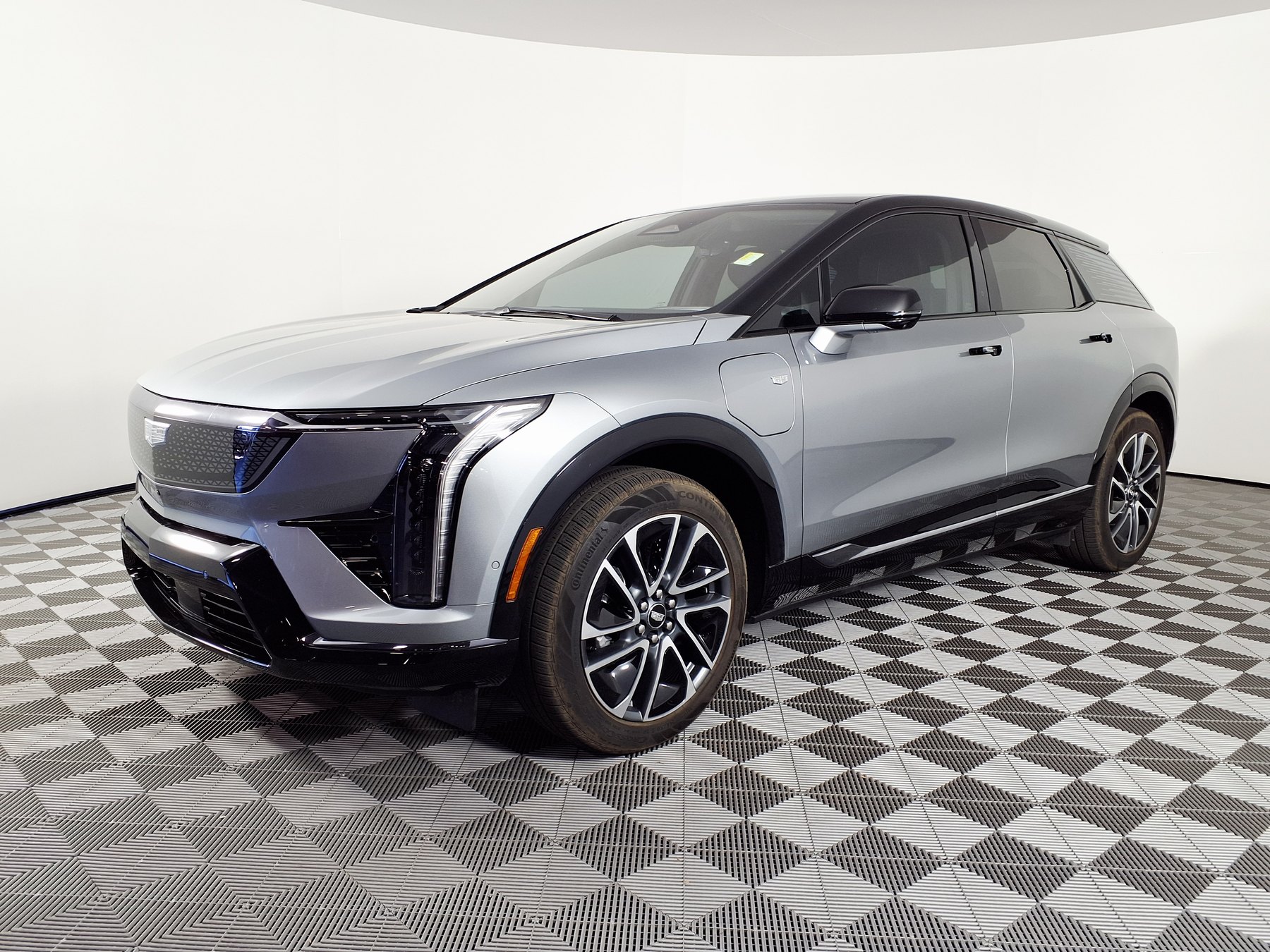
Cadillac Recalls 29,347 Optiqs Over the Last Half-Inch of Glass
Close the Optiq's front windows from the key fob and the anti-pinch system may miss an obstruction in the final 13 millimetres of travel. NHTSA campaign 26V612000; the fix is a software update, some of it over the air.