
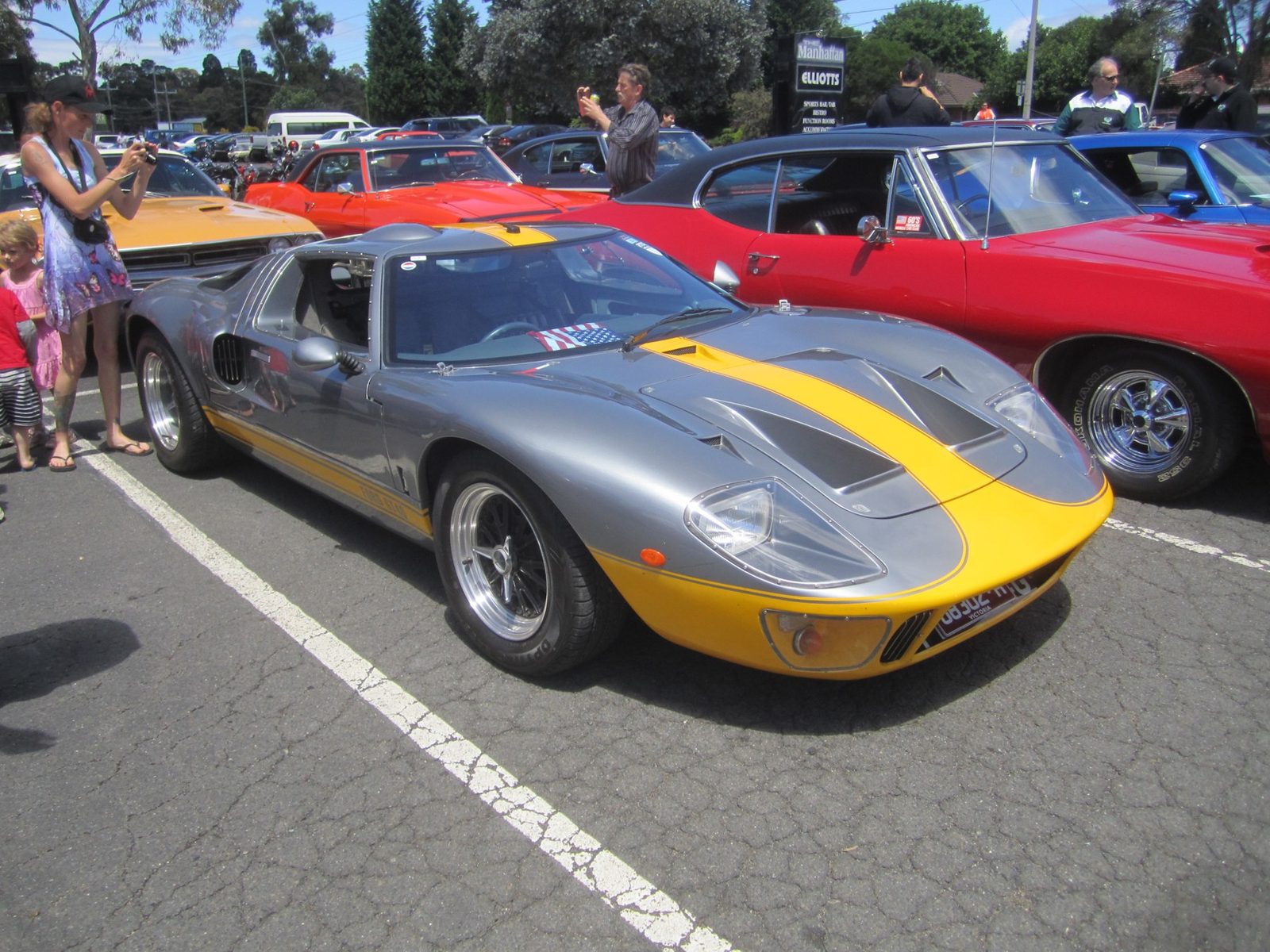
Ferrari Backed Out of a Handshake Deal. Ford Spent Millions Getting Revenge at Le Mans.
Henry Ford II tried to buy Ferrari in 1963. When Enzo Ferrari pulled out at the last minute, Ford's response was to build a car specifically to beat Ferrari at its own race.
In 1963, Ford was close enough to buying Ferrari that both sides treated it as essentially done. At the last minute, Enzo Ferrari walked away from the deal — and Henry Ford II took it as a personal insult rather than a business decision. When his negotiator returned to Ford headquarters empty-handed, Ford's reported response was blunt: if that's how Ferrari wants it, Ford would go beat him at his own game.
That game was the 24 Hours of Le Mans, where Ferrari had won six consecutive years running, from 1960 through 1965 — the benchmark for endurance racing prestige in the world at the time. Ford's early answer, the GT40, struggled through its first seasons, and by late 1964 the program needed real help. Carroll Shelby, who'd already won Le Mans himself as a driver in 1959, took over development through Shelby American and reworked the car into something that could actually compete rather than just show up.
It worked completely. At the 1966 race, Ford's GT40 Mk II cars broke Ferrari's streak outright, finishing 1-2-3 — a complete sweep of the podium that made Ford the first American manufacturer to win a major European race since a Duesenberg took the 1921 French Grand Prix. Ferrari's six-year dominance ended in a single afternoon, engineered specifically because Enzo Ferrari had once decided not to sign a piece of paper.
The GT40 went on to win Le Mans three more times, through 1969, cementing what started as a grudge into one of the most successful endurance racing programs any manufacturer has ever run. It's a rare case in motorsport history where the actual origin story — a rich man's wounded pride turning into a genuine engineering campaign — is exactly as petty and exactly as effective as it sounds.
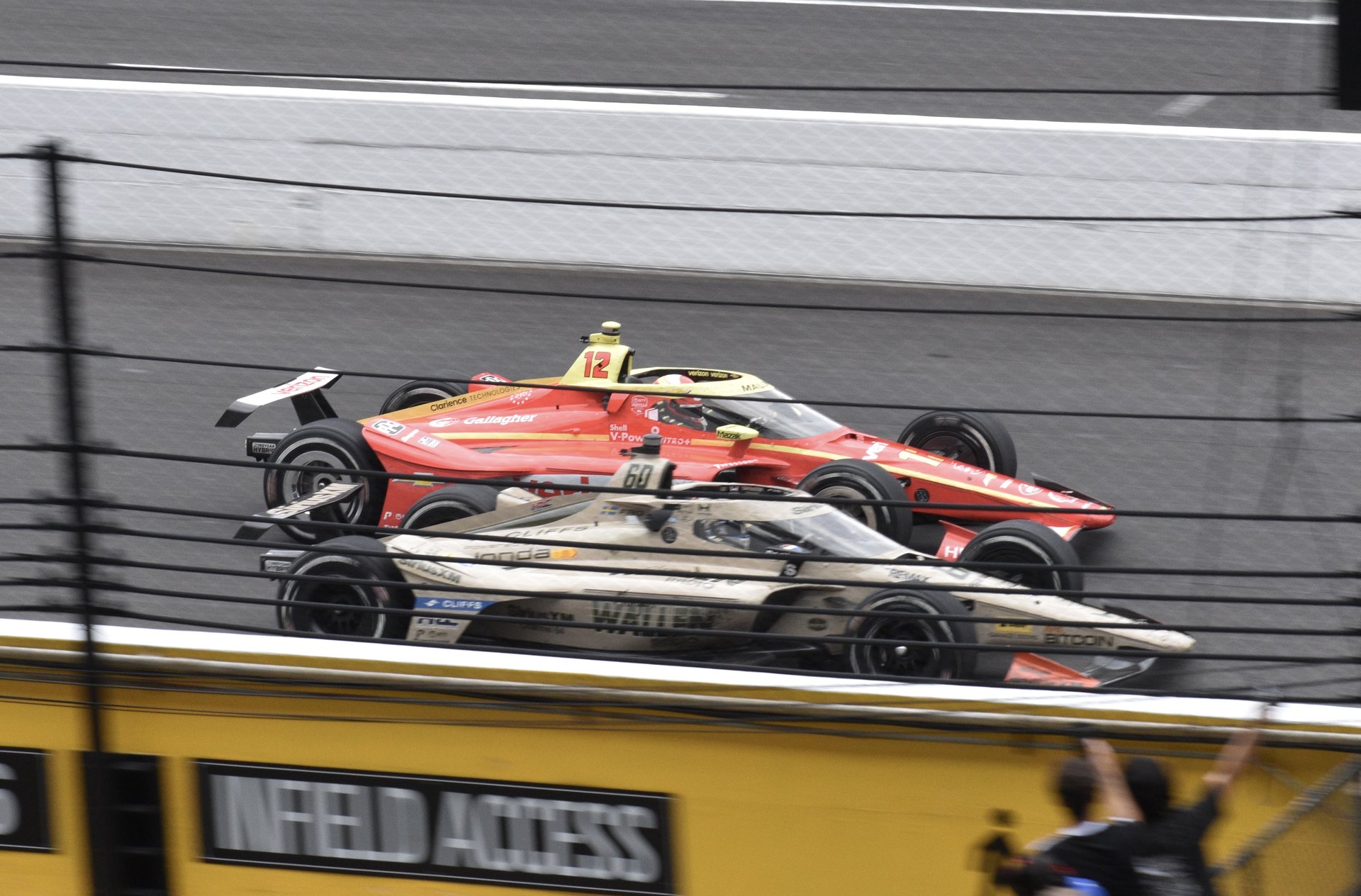
Portland Reopened IndyCar's Oldest Argument: What a Lapped Car Owes the Leader
Felix Rosenqvist and Will Power came off the podium asking for a real blue-flag rule. Alex Palou, who won the race, and his strategist made the case that the rule is fine as long as everyone lives under the same one.
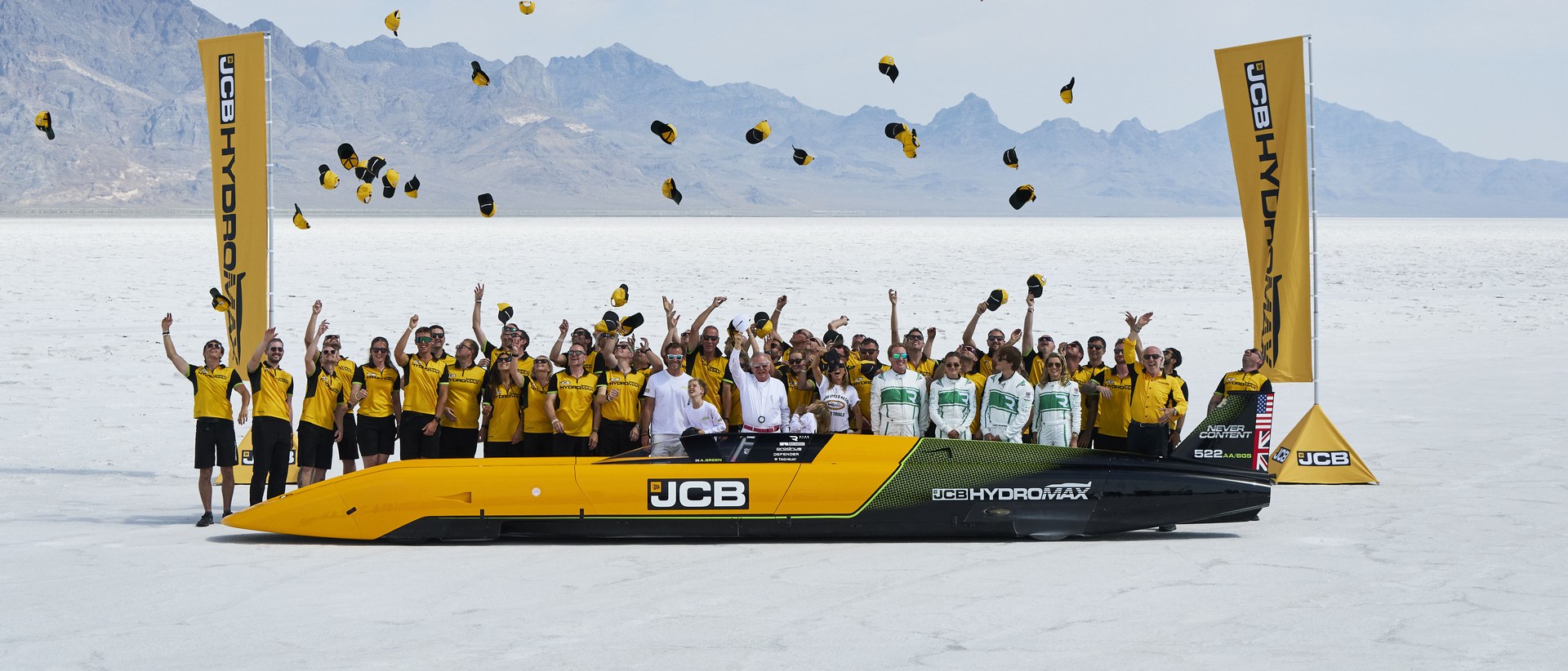
Two Digger Engines and 406 MPH: Andy Green Has a Third Record
The JCB Hydromax averaged 406.320 mph at Bonneville on a pair of hydrogen-burning excavator engines, more than doubling a hydrogen combustion mark that had stood since 2004.
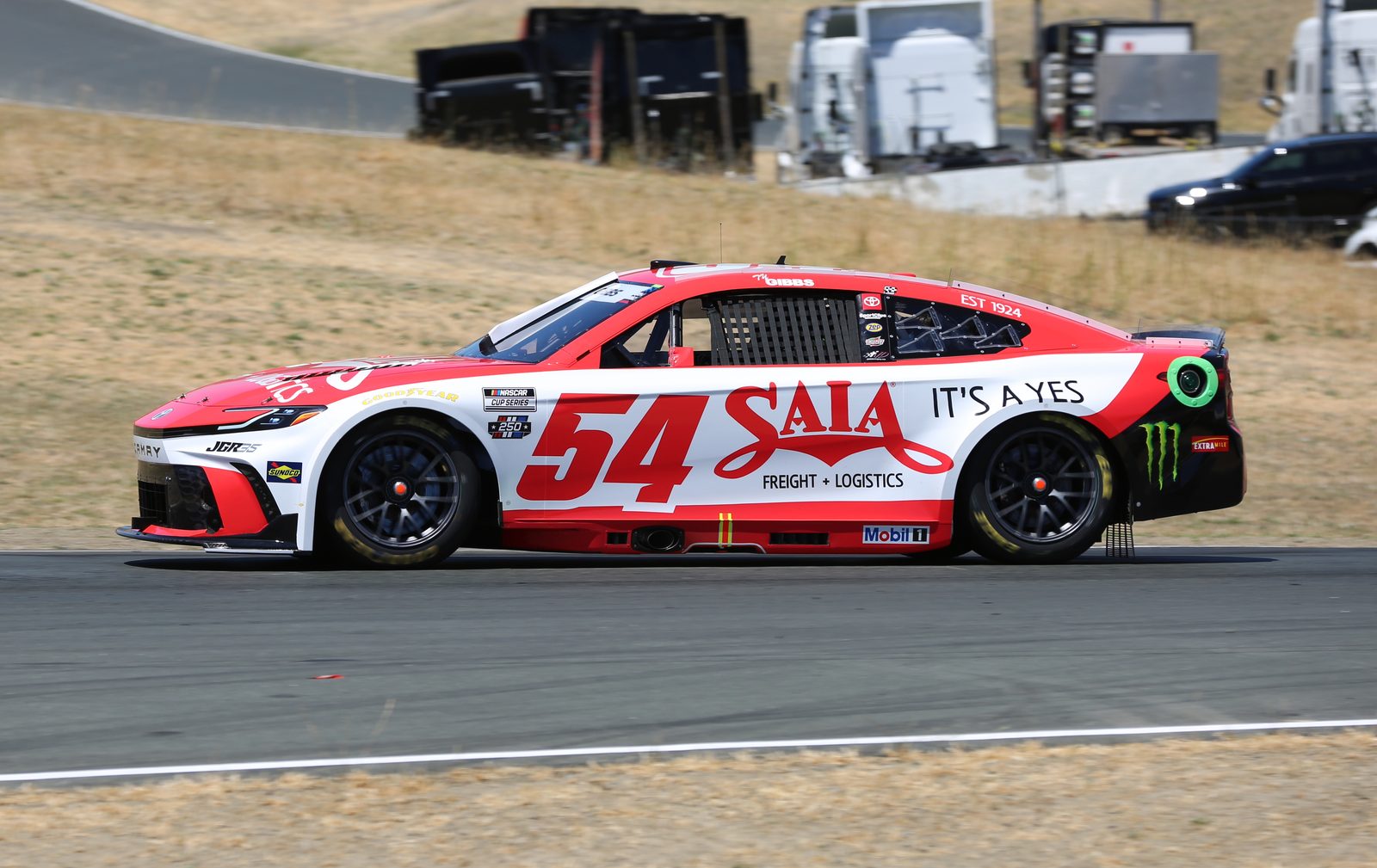
Ty Gibbs Waited 131 Starts for a First Cup Win. The Second One Took Four Months.
At Iowa, Gibbs took the final stage and held off Joe Gibbs Racing teammate Christopher Bell, turning a career that had produced nothing into two wins in one season.