
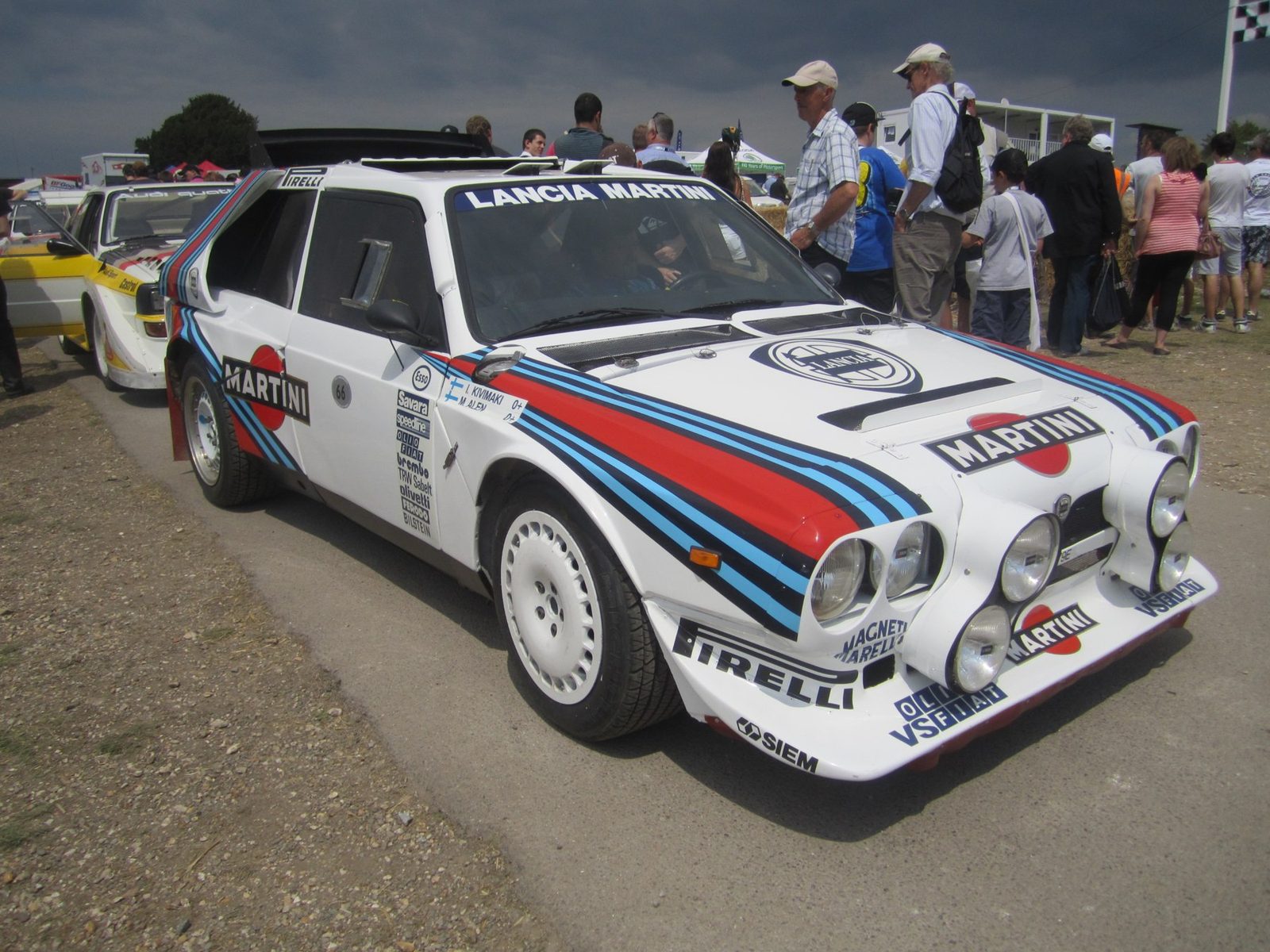
For Four Years, Rally Cars Had Almost No Rules. Then It All Ended in One Season.
Group B let manufacturers build 500-horsepower, sub-2,000-pound monsters with almost no restrictions. Two crashes in 1986 ended the entire class in a matter of weeks.
The FIA introduced Group B in 1982 with technical rules so loose that manufacturers barely had to compromise between a race car and a road car at all. Minimal restrictions on turbocharging, all-wheel drive, and composite bodywork meant Audi, Peugeot, Lancia, and Ford could chase pure performance with almost nothing holding them back — and for four seasons, from 1983 to 1986, they did exactly that. Cars that started around 300 horsepower climbed to 400, then past 500, while weight dropped toward the 2,000-pound range. It's remembered as rallying's golden era for a reason: nothing before or since has matched the raw, unfiltered speed of a Group B car on a forest stage.
It ended in a matter of months. On March 5, 1986, in Portugal, Joaquim Santos lost control of his Ford RS200 trying to avoid spectators standing in the road, and the car plowed through a crowd, killing three people instantly and a fourth in the hospital, with 31 more injured. Two months later, at the Tour de Corse in Corsica, Henri Toivonen and co-driver Sergio Cresto went off the road in their Lancia Delta S4 — a 1,962-pound car running both a supercharger and a turbocharger on its 500-horsepower 1.8-liter engine — on a corner with no barrier. The car's alloy fuel tank ruptured and it burst into flames. Neither driver survived.
An FISA investigation afterward found that drivers' reactions genuinely couldn't keep pace with what the cars had become — eyes couldn't refocus fast enough between the tight, fast corners the cars were now capable of taking, producing a documented tunnel-vision effect at speed. Combined with rally itineraries that routinely put spectators close to unprotected roads with minimal crowd control, the FIA banned Group B from the World Rally Championship starting the following season. Audi didn't wait to be told twice — the company withdrew from rallying entirely after Corsica, saying the FIA's response did nothing to actually address spectator safety.
What makes Group B different from most banned racing formulas is how little time it got. Four years, a handful of manufacturers, a technical ceiling that kept rising because almost nothing stopped it from rising — and then two crashes in one season ended the entire class permanently. Nothing built since has been allowed to get that extreme again, and nothing probably ever will be.
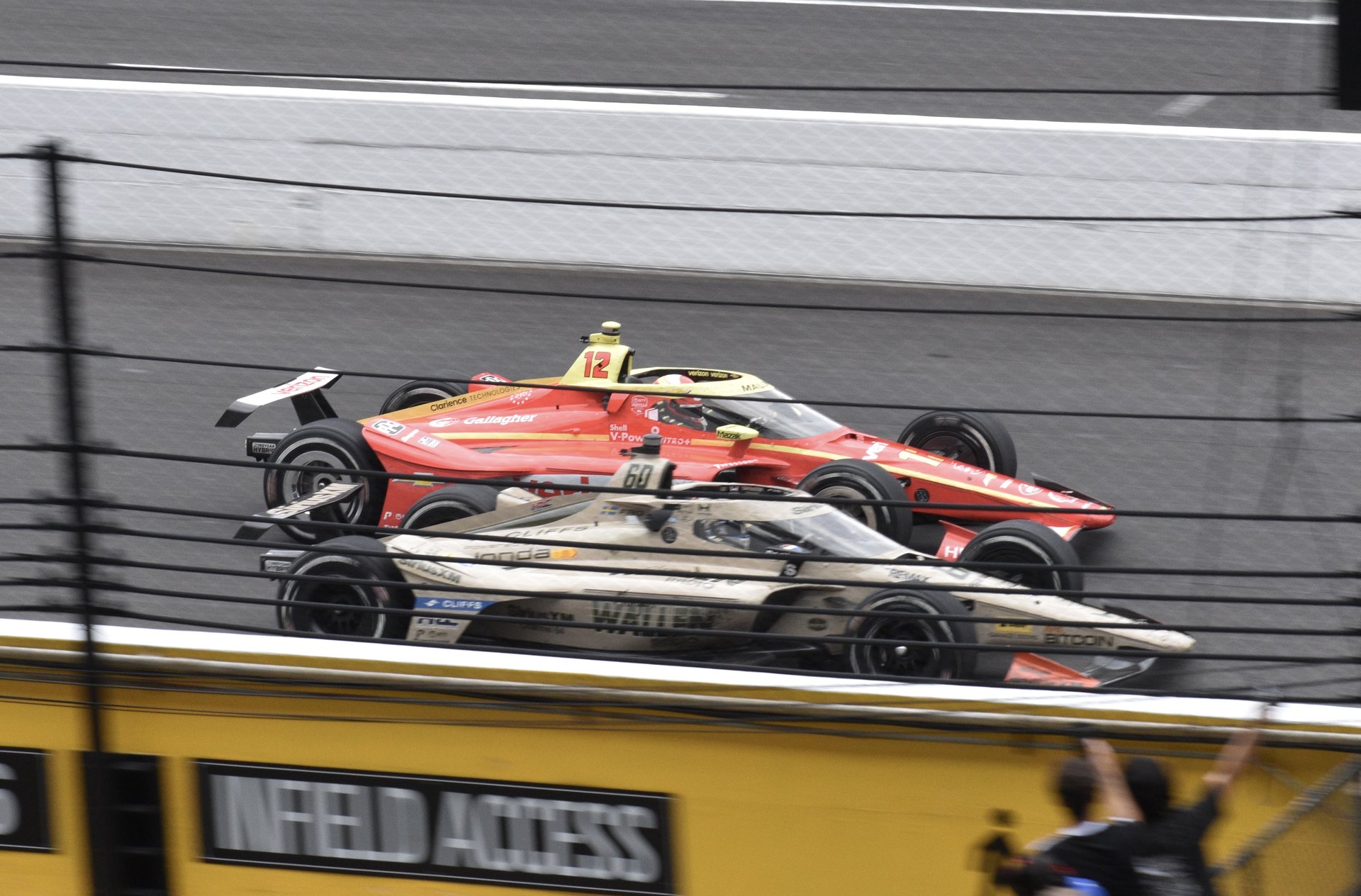
Portland Reopened IndyCar's Oldest Argument: What a Lapped Car Owes the Leader
Felix Rosenqvist and Will Power came off the podium asking for a real blue-flag rule. Alex Palou, who won the race, and his strategist made the case that the rule is fine as long as everyone lives under the same one.
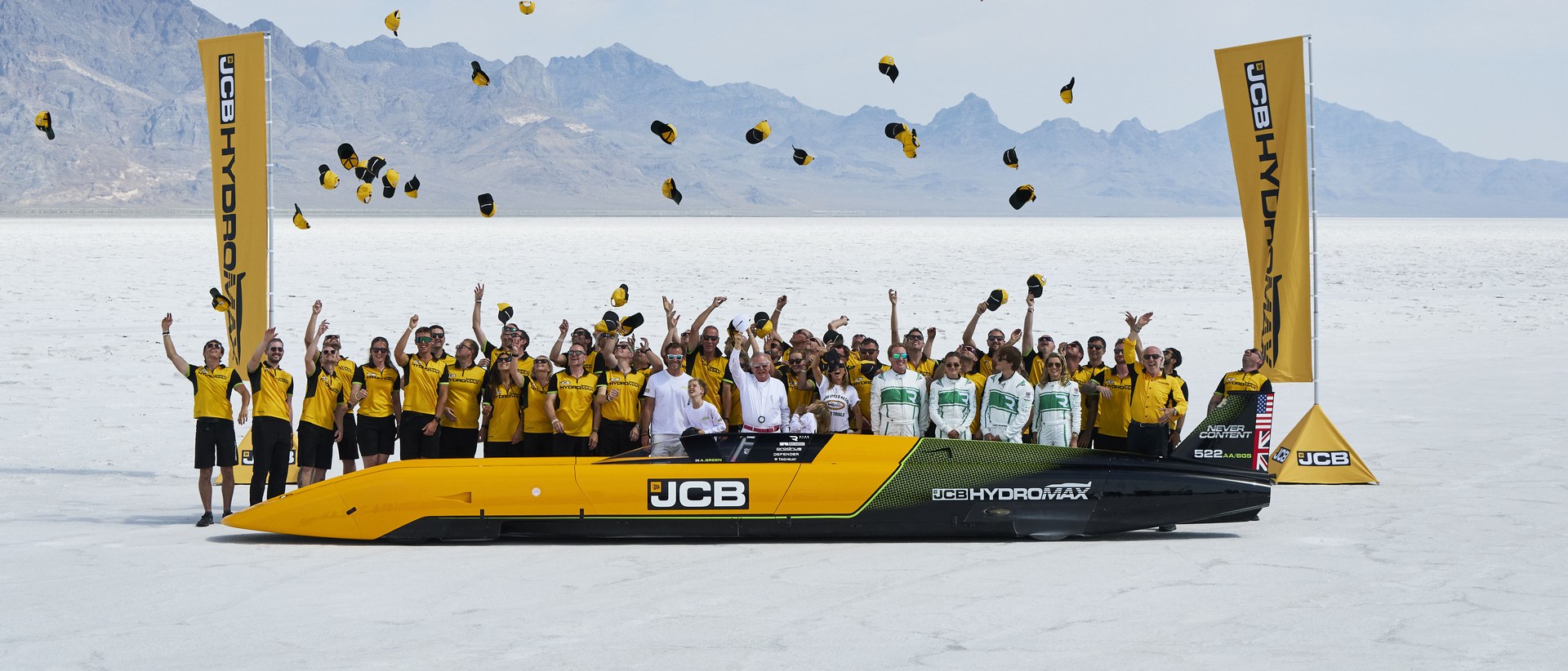
Two Digger Engines and 406 MPH: Andy Green Has a Third Record
The JCB Hydromax averaged 406.320 mph at Bonneville on a pair of hydrogen-burning excavator engines, more than doubling a hydrogen combustion mark that had stood since 2004.
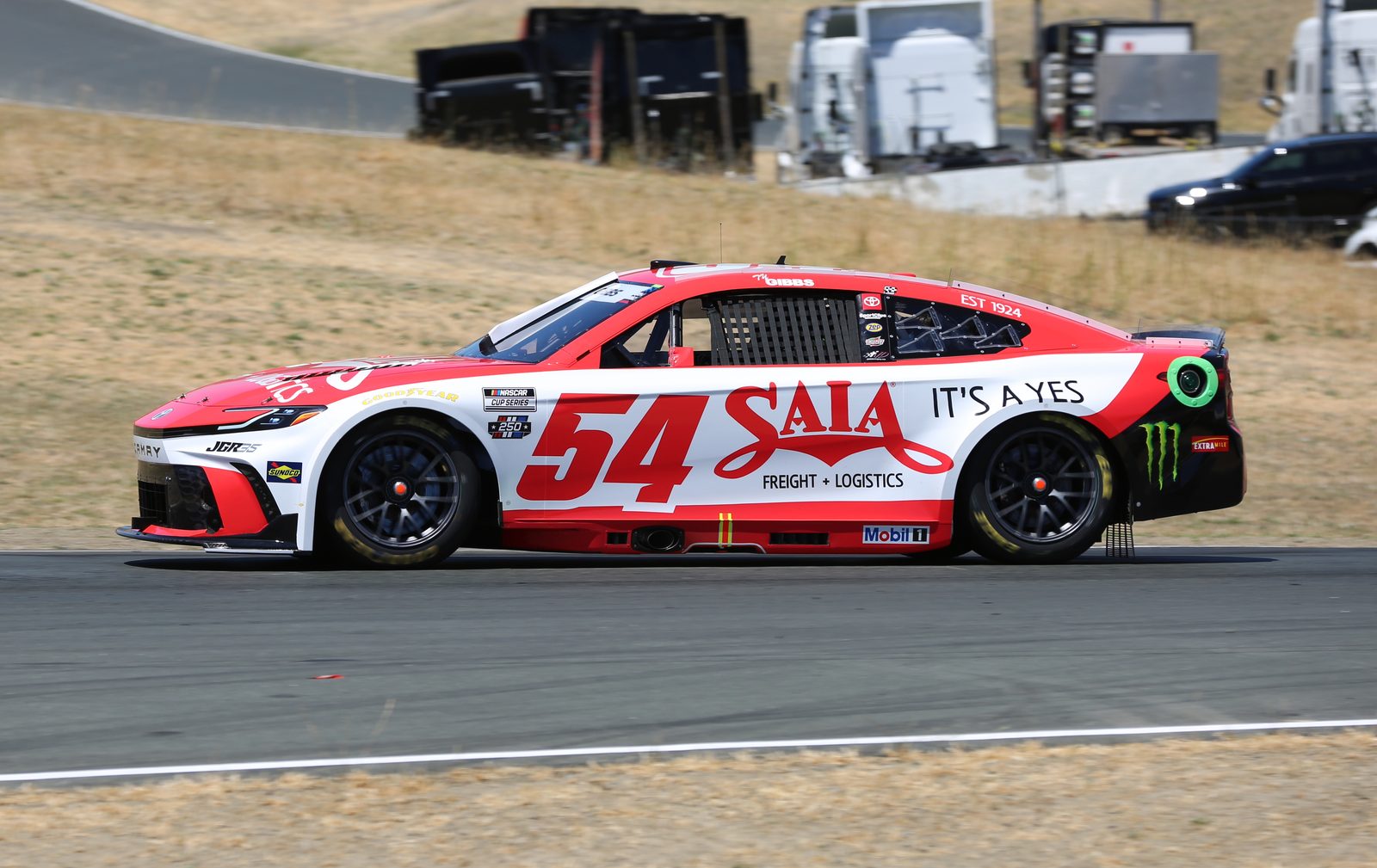
Ty Gibbs Waited 131 Starts for a First Cup Win. The Second One Took Four Months.
At Iowa, Gibbs took the final stage and held off Joe Gibbs Racing teammate Christopher Bell, turning a career that had produced nothing into two wins in one season.