
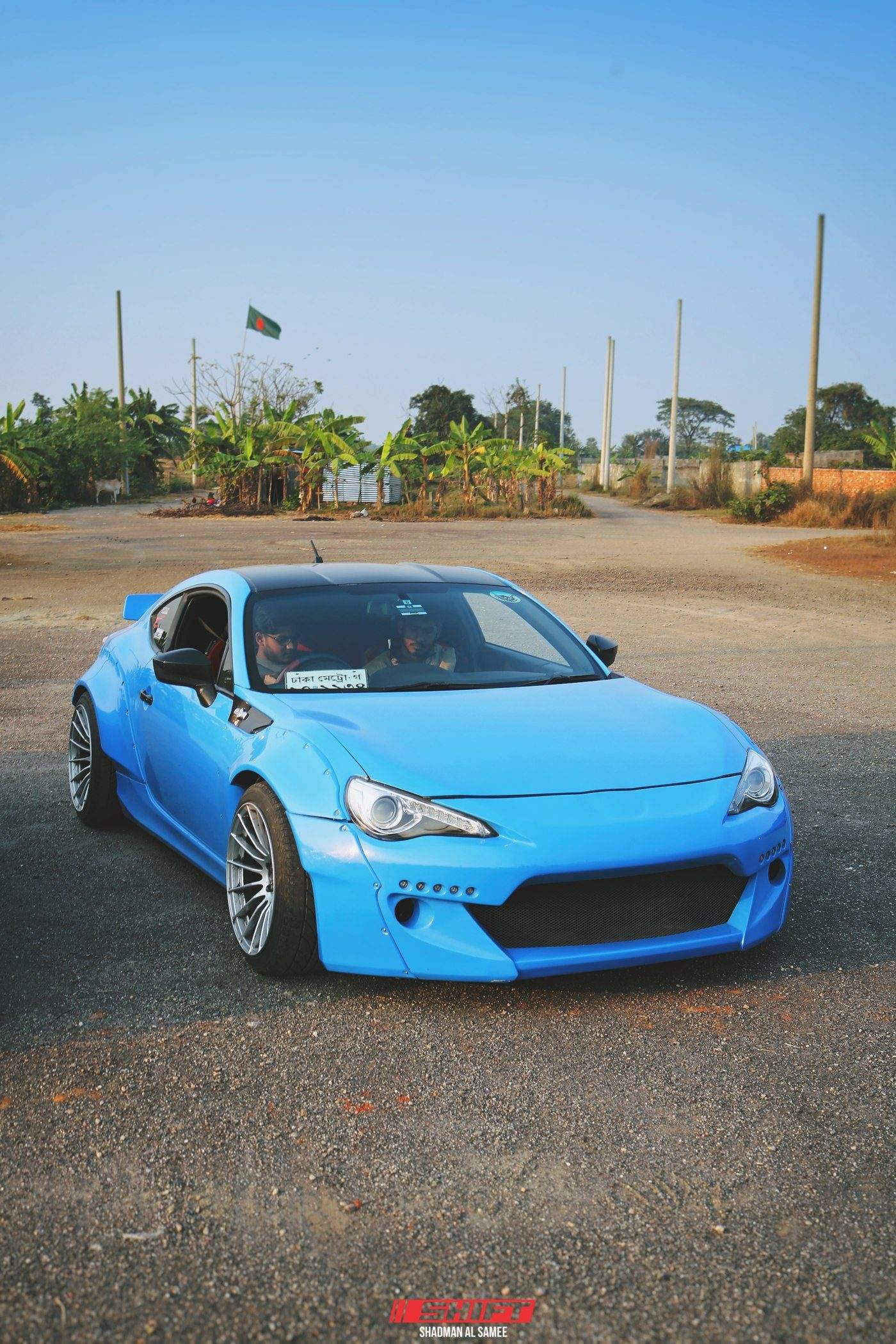
Why the Toyota 86 Became Gen Z's Favorite Canvas for Going Overboard
Cheap, rear-wheel-drive, and endlessly documented online — the 86/BRZ platform turned into the car a younger generation of builders learned to fabricate on, sometimes literally printing their own bodywork.
Every generation of enthusiasts gets a cheap, rear-wheel-drive canvas to learn on — the AE86 had one, the S-chassis had another — and for a lot of builders who got into cars through YouTube and TikTok instead of a magazine rack, that canvas has been the Toyota 86/GT86/FR-S and its Subaru BRZ twin. It's affordable on the used market, genuinely rear-wheel drive, and light enough that even modest changes are noticeable, which is exactly the combination that makes a platform worth going overboard on.
"Going overboard" on this platform usually means widebody. Kits from Rocket Bunny/Pandem, ADRO, Result Japan, and StreetHunter Designs show up constantly in 86/BRZ build threads and on hashtags like #86gang and #stancenation, often paired with bagged air suspension, deep wheel fitment, and the kind of low, wide stance that has nothing to do with lap times and everything to do with how the car reads in a photo. A widebody GT86 built and photographed in Bangladesh looks visually identical in spirit to one built in Southern California — the platform and the aesthetic have gone genuinely global.
The more interesting shift is who's making the bodywork, not just buying it. Forums like FT86Club run active threads dedicated specifically to 3D-printed parts, and individual designers post their own custom widebody shapes as downloadable files on sites like Sketchfab and Cults3D — the same 3D-scanning and printing workflow commercial kit makers use for tooling, just run by one person with a home printer instead of a production shop. It's not unique to this platform; DIY builders elsewhere have used the same trick to print and refine one-off fender flares before committing to fiberglass. But the 86/BRZ community has leaned into it harder than most, partly because the platform's huge population of owners means there's always someone posting their file for free.
None of this makes a garage-printed flare interchangeable with a professionally engineered kit — fitment, crash structure, and panel gaps are real problems that take real iteration to solve, which is exactly why StreetHunter Designs' own founder started out installing other companies' kits before building his own. But the tooling gap between a hobbyist and a small commercial shop has genuinely narrowed. A 3D scanner and a printer that used to cost a shop's annual budget are now a few hundred dollars, and the fit-and-finish difference between a patient hobbyist's third iteration and a rushed low-end commercial kit isn't always in the commercial kit's favor. For a generation that grew up documenting every step of a build online anyway, that gap closing in public view has been part of the appeal.
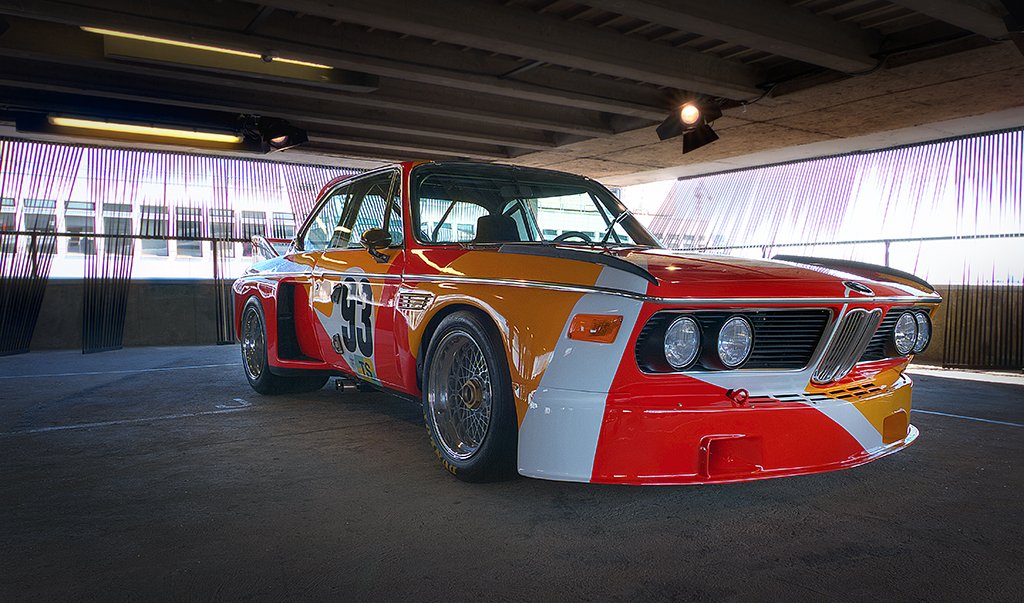
For the First Time, All 20 BMW Art Cars Are Under One Roof in Munich
A free exhibition at BMW Welt brings together five decades of the automaker's Art Car program, from Alexander Calder's 1975 Le Mans racer to Julie Mehretu's 2024 hypercar.
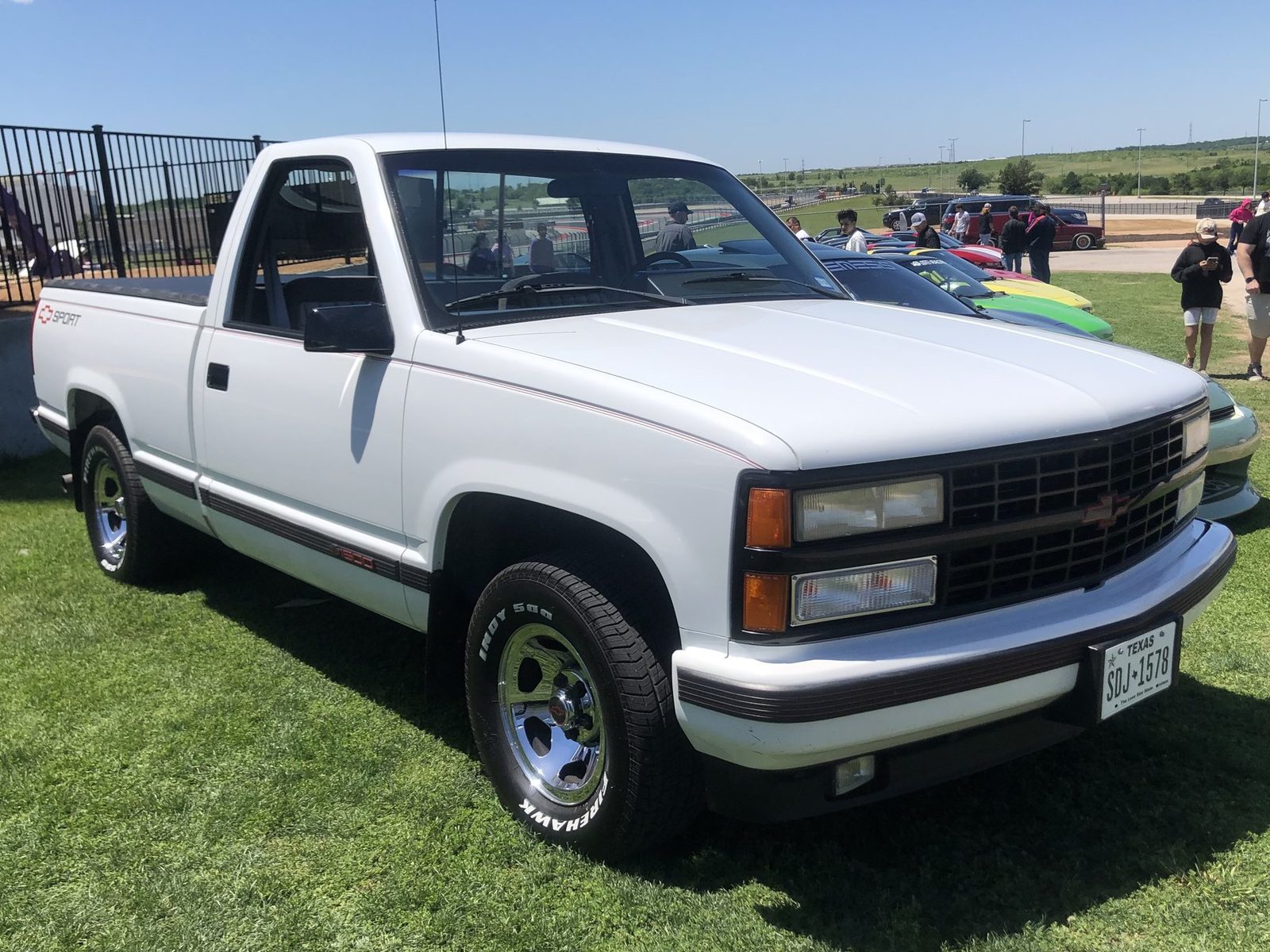
RADwood Brings Its '80s and '90s Car Show Back to Tacoma, This Time Free to Spectators
The traveling nostalgia show that turned Fox-body Mustangs and Radwood-era Japanese coupes into concours material returned to Griot's Garage in Tacoma on July 18, with Hagerty video host Jason Cammisa as the marquee guest.
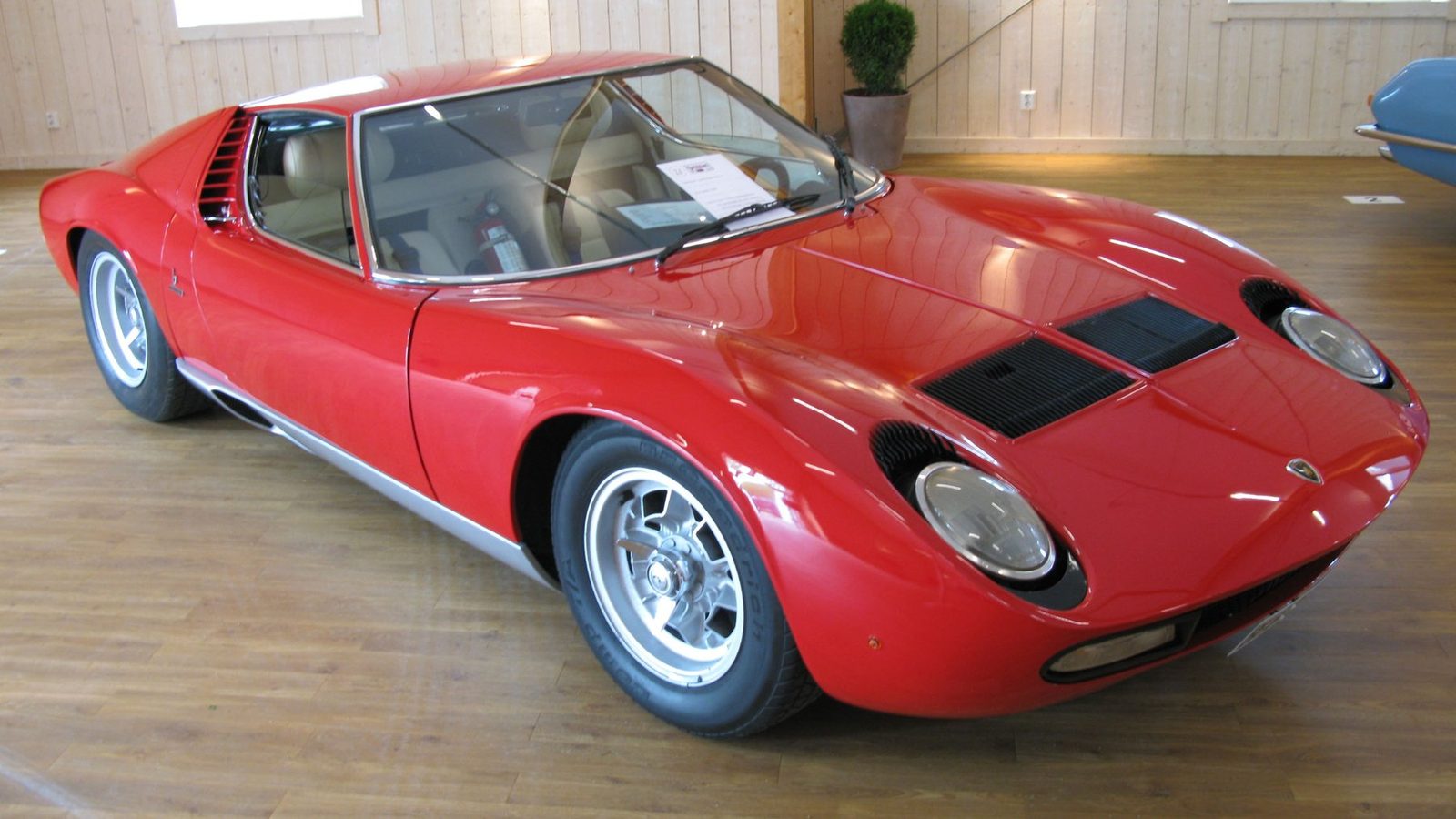
Lamborghini Will Gather Over 40 Miuras on Pebble Beach's 3rd Fairway for the Car's 60th Birthday
For the first time in the Concours d'Elegance's history, a fairway at Pebble Beach Golf Links will be opened to a single-marque tribute, as Lamborghini assembles what it calls the largest gathering of Miuras ever staged.