
Before It Had a League, American Drifting Was Just Parking Lots and Borrowed Tracks
Formula Drift didn't invent the sport in the US — it professionalized a grassroots scene that had already been sliding cars sideways for the better part of a decade.
American drifting has an official birth certificate — Formula Drift's first event, May 2004 at Road Atlanta — but that date is closer to the sport's graduation than its birth. By the time Formula Drift existed, American drivers had already been building cars and sliding them sideways in parking lots, abandoned lots, and borrowed tracks for the better part of a decade, with no league, no points system, and often no formal permission to be there.
The generally agreed starting point is earlier and stranger than a lot of people expect: 1996, at Willow Springs Raceway in California, where the Japanese magazine and event promoter Option brought a Nissan 180SX over for an exhibition. Keiichi Tsuchiya drove it, D1GP founder Daijiro Inada and NHRA Funny Car racer Kenji Okazaki were both involved, and American entrants — including Rhys Millen and Bryan Norris — got their first real look at the technique in competition. It planted a seed rather than starting a scene; for the next several years, drifting in the US stayed almost entirely grassroots, organized by small groups of enthusiasts getting whatever track or lot time they could find.
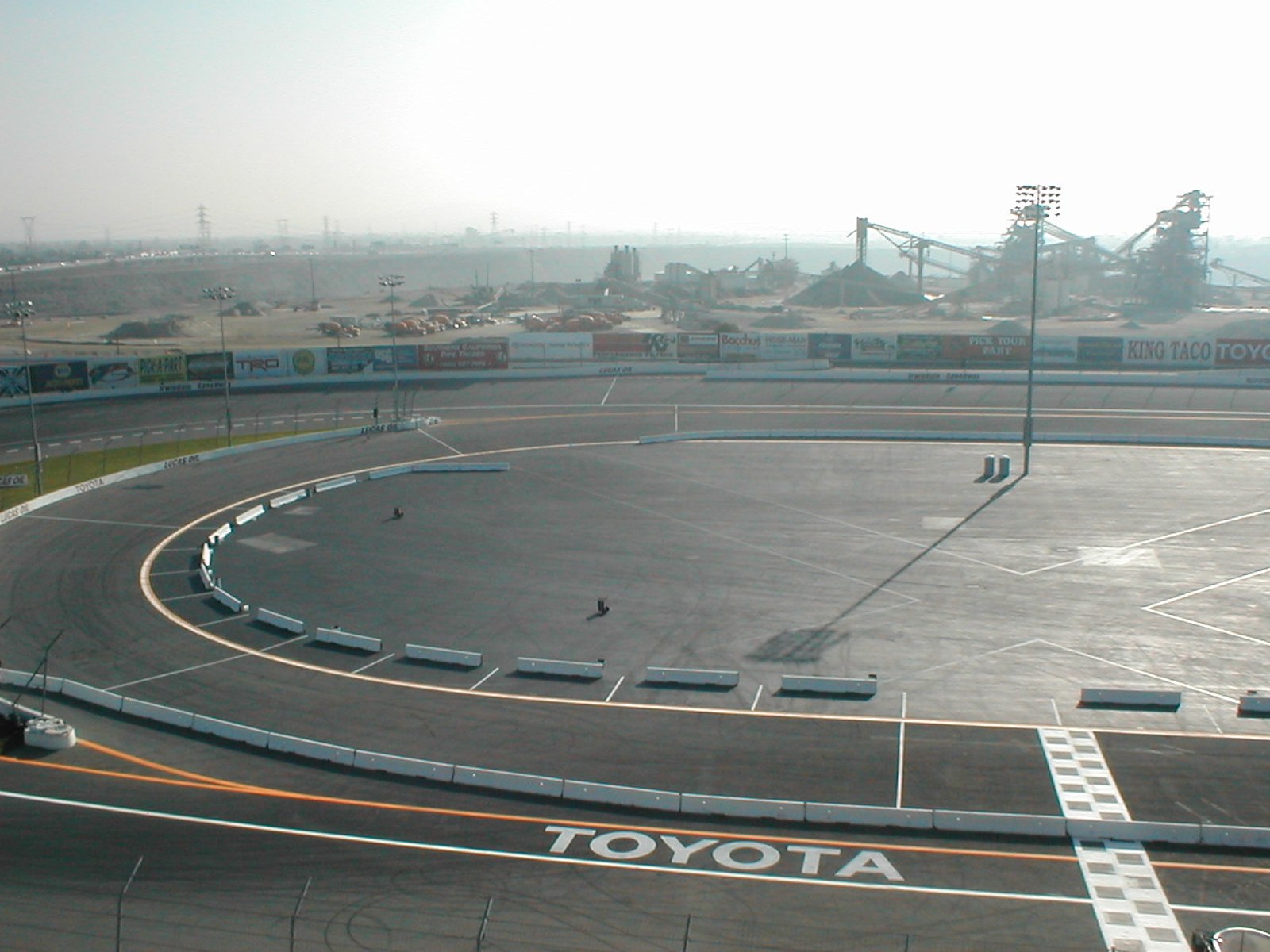
That grassroots period is what actually built the American drift community — decoding suspension geometry, running SR20 and RB swaps, and developing driving technique with no professional infrastructure to lean on, the same way the Zilvia.net community built its S-chassis expertise from the ground up. Irwindale Speedway became the scene's biggest stage in 2003, when Jim Liaw and Ryan Sage — who'd go on to co-found Formula Drift together after meeting through Hot Import Nights promotion work in the late '90s — brought D1GP to the US for an exhibition that drew a sold-out crowd of 10,000. The venue picked up a nickname it's kept ever since: the House of Drift.
Liaw and Sage announced Formula Drift, Inc. at the 2003 SEMA Show, gave D1GP a heads-up as a professional courtesy, lined up sponsors and tracks they'd worked with before, and put together a four-event first season starting at Road Atlanta in May 2004. Many of that first generation of professional drivers — Rhys Millen among them — came directly out of the grassroots scene that had spent years drifting without a governing body. Sam Hubinette, still Formula Drift's all-time wins leader with nine, was the series' first champion. The league gave the sport a stage, a ranking system, and sponsorship money. The grassroots scene it grew out of is the reason there were drivers, cars, and an audience ready for it in the first place.
For the First Time, All 20 BMW Art Cars Are Under One Roof in Munich
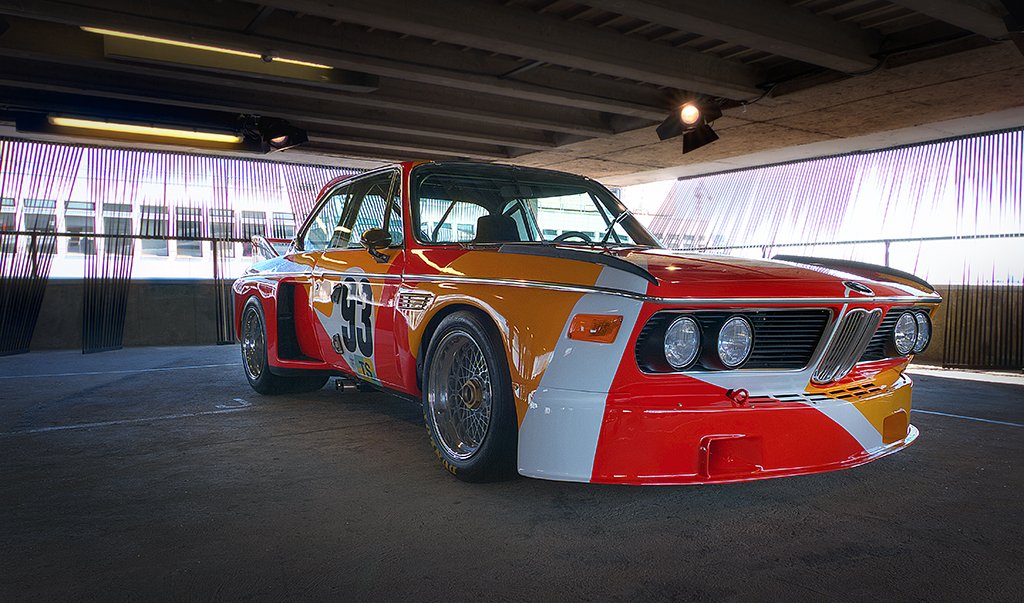
A free exhibition at BMW Welt brings together five decades of the automaker's Art Car program, from Alexander Calder's 1975 Le Mans racer to Julie Mehretu's 2024 hypercar.
RADwood Brings Its '80s and '90s Car Show Back to Tacoma, This Time Free to Spectators
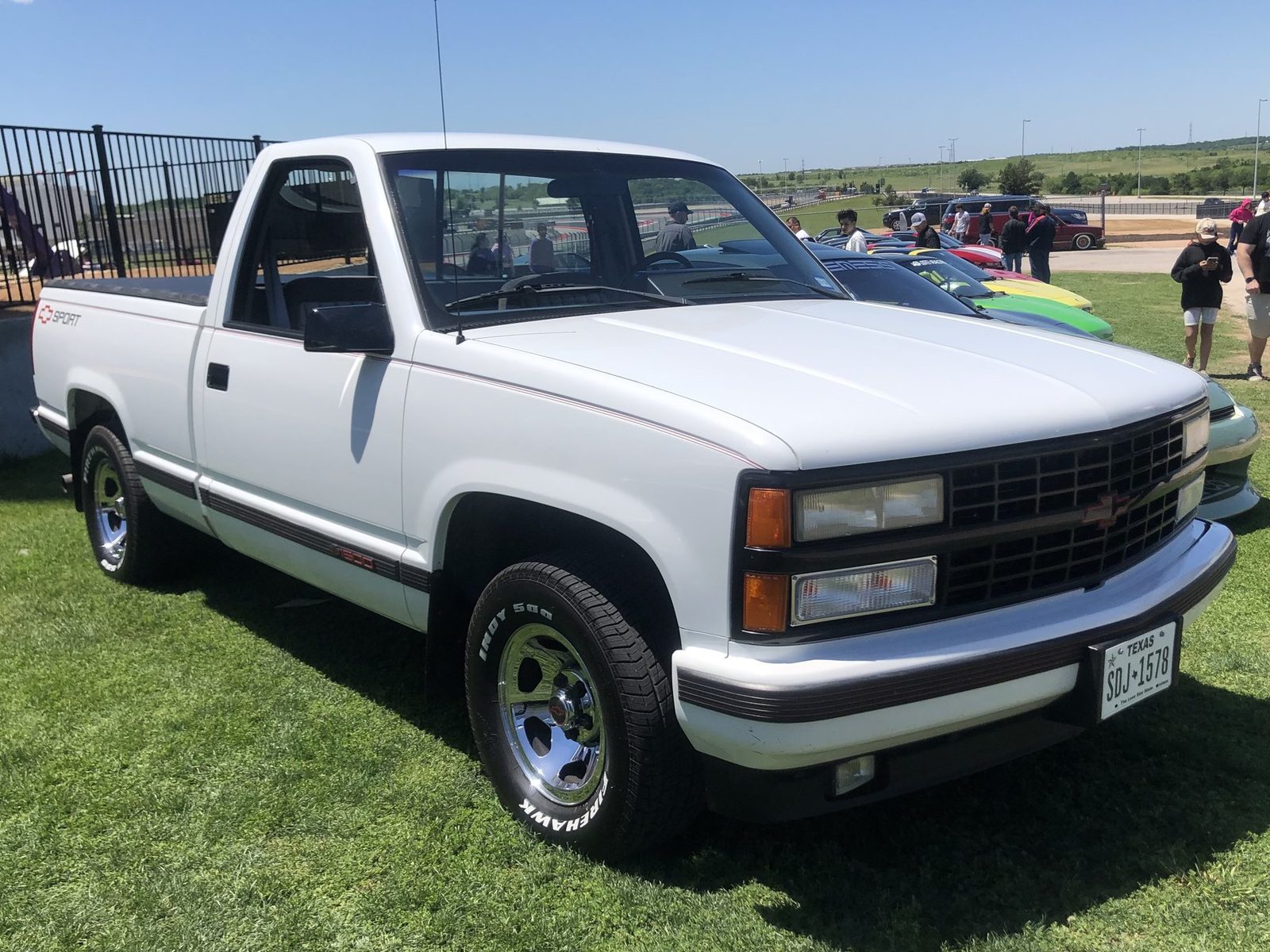
The traveling nostalgia show that turned Fox-body Mustangs and Radwood-era Japanese coupes into concours material returned to Griot's Garage in Tacoma on July 18, with Hagerty video host Jason Cammisa as the marquee guest.
Lamborghini Will Gather Over 40 Miuras on Pebble Beach's 3rd Fairway for the Car's 60th Birthday
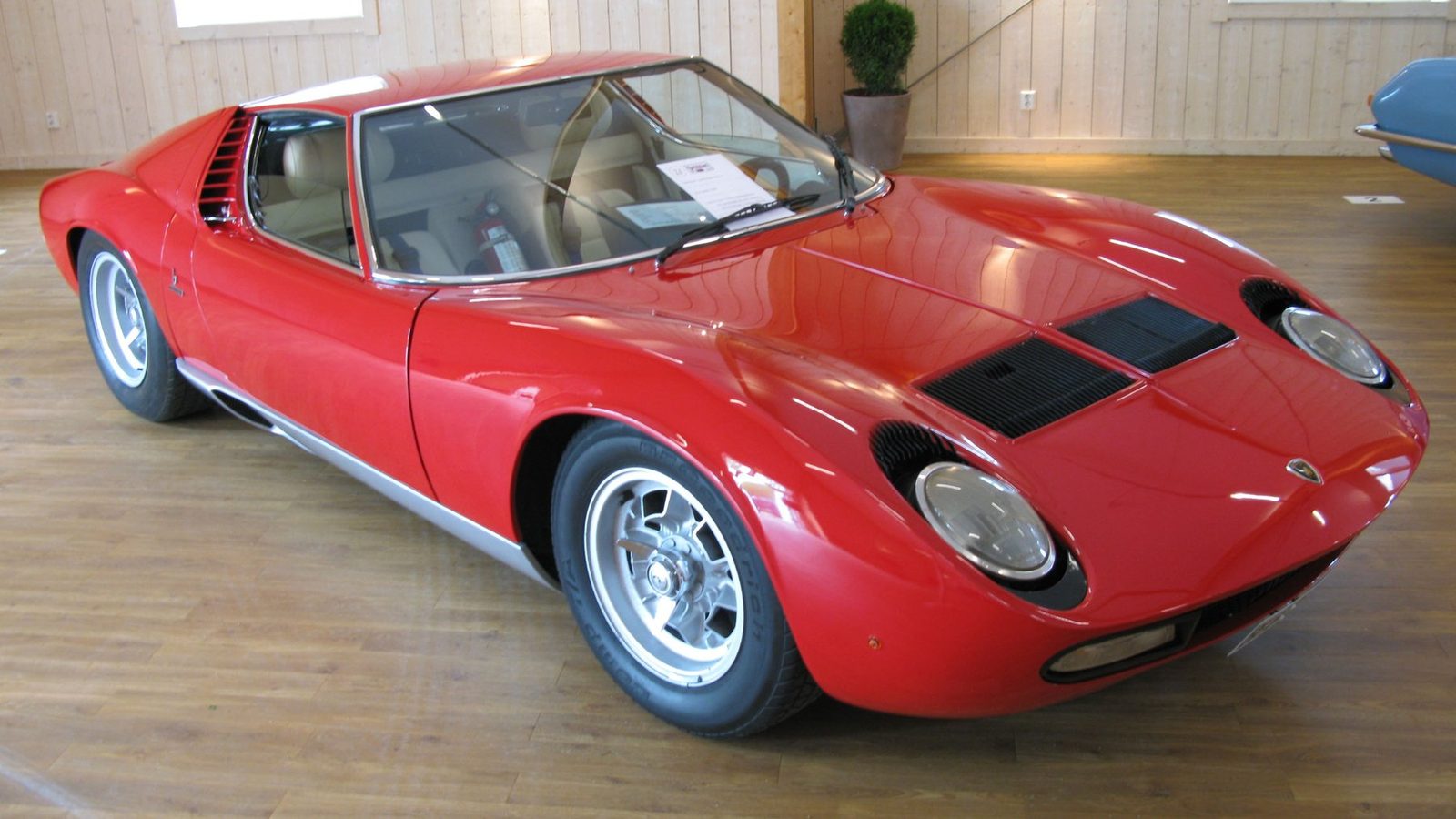
For the first time in the Concours d'Elegance's history, a fairway at Pebble Beach Golf Links will be opened to a single-marque tribute, as Lamborghini assembles what it calls the largest gathering of Miuras ever staged.