
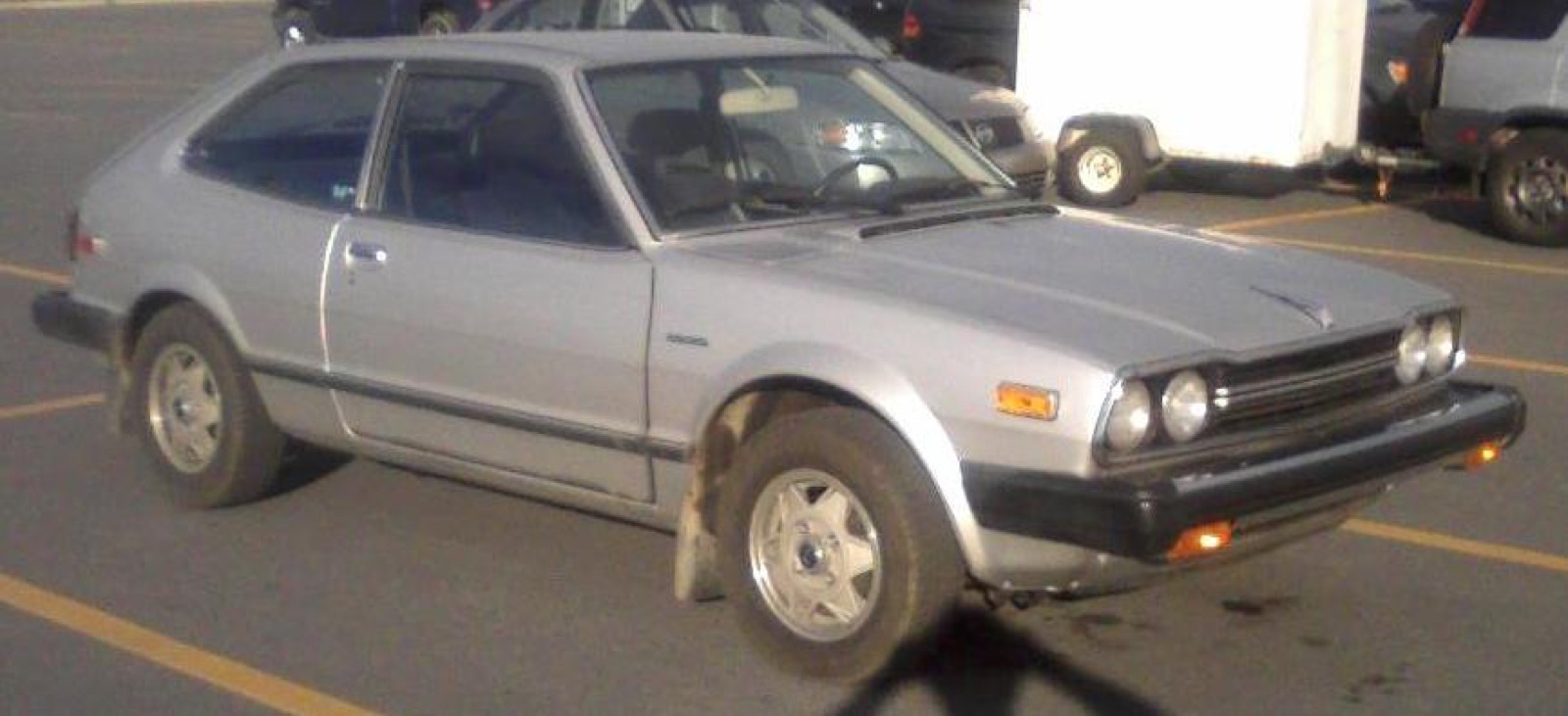
The Honda Accord Turns 50 — and Its Next Chapter Might Be Its Sportiest Yet
From a 68-hp hatchback in 1976 to 25 million sold worldwide, with a fastback hybrid concept hinting at where it goes next.
The first Honda Accord arrived in June 1976 as a two-door hatchback roughly 163 inches long, powered by a carbureted 1.6-liter inline-four making 68 horsepower and 85 lb-ft of torque. Fifty years later, the nameplate has sold more than 25 million units across over 160 countries, with nearly 15 million of those in the US alone — the kind of number that makes it one of the best-selling nameplates in American automotive history, not just a long-running Honda.
"This is the 50th anniversary and we're really excited about it. We have over 15 million cars sold." — Andrew McLallen, American Honda
The Accord was also the first Honda — and the first vehicle from any Japanese automaker — built in the United States, at the company's Marysville, Ohio plant, which has produced roughly 13 million of them since. Honda marked the anniversary with a commemorative exhibit at its Collection Hall at Mobility Resort Motegi. "This is the 50th anniversary and we're really excited about it. We have over 15 million cars sold," said Andrew McLallen of American Honda.
What comes next is the more interesting question. Honda has previewed a fastback hybrid concept that many read as a signal for the next Accord's direction, and Honda VP of Auto Strategy Gary Robinson has said as much directly: "I think you're going to see an increased emphasis on the sporty side as we move forward." For a nameplate whose reputation has mostly been built on reliability and sensible practicality rather than driving excitement, that's a notable pivot to flag fifty years in.
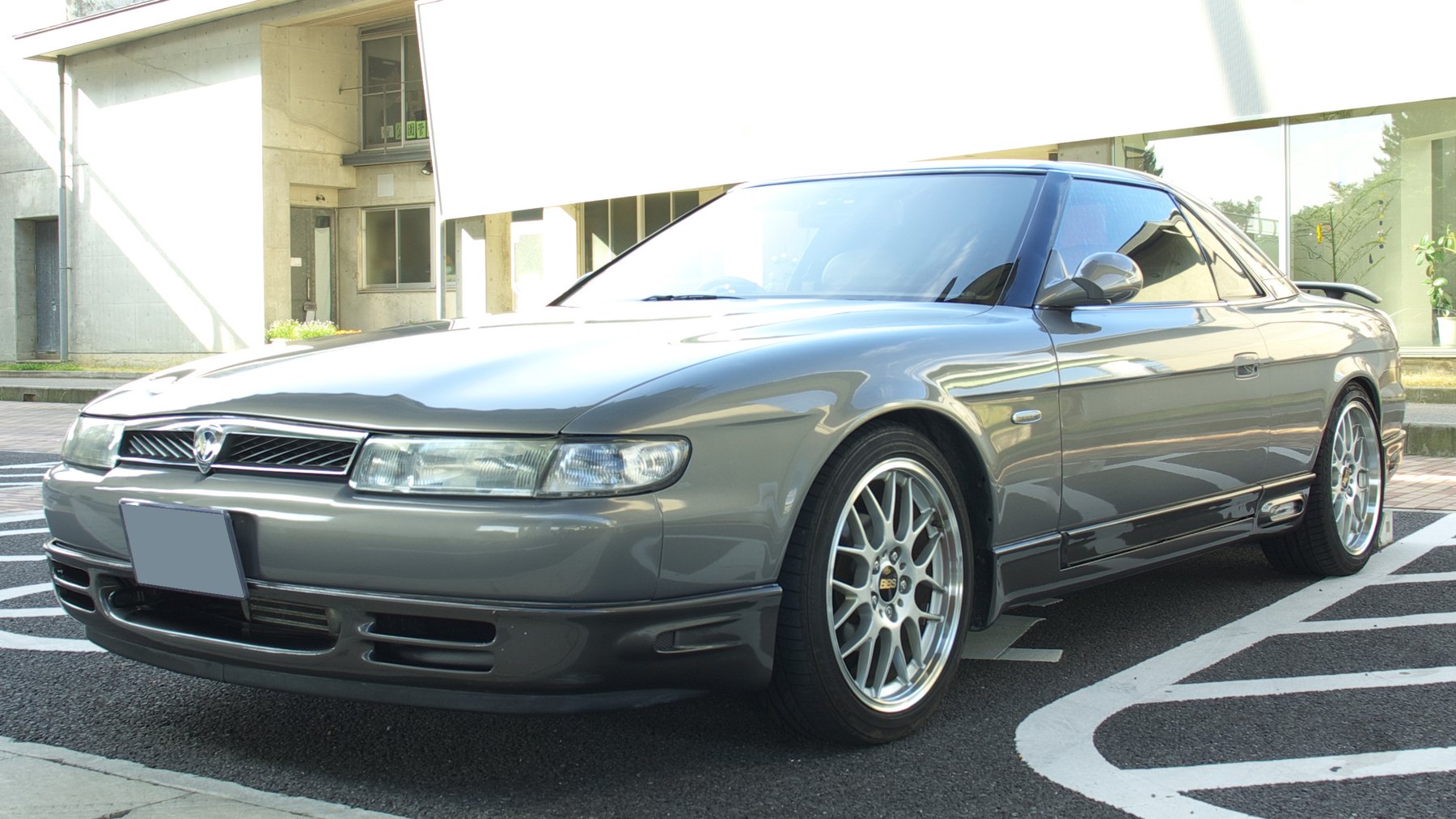
Mazda Built a Three-Rotor Coupe With Satellite Navigation in 1990. Japan's Economy Collapsed Two Months Later.
The Eunos Cosmo had the only triple-rotor engine Mazda ever sold, the first built-in GPS system in any production car, and an automatic gearbox. It was perfect, it was doomed, and almost nobody outside Japan has ever seen one.
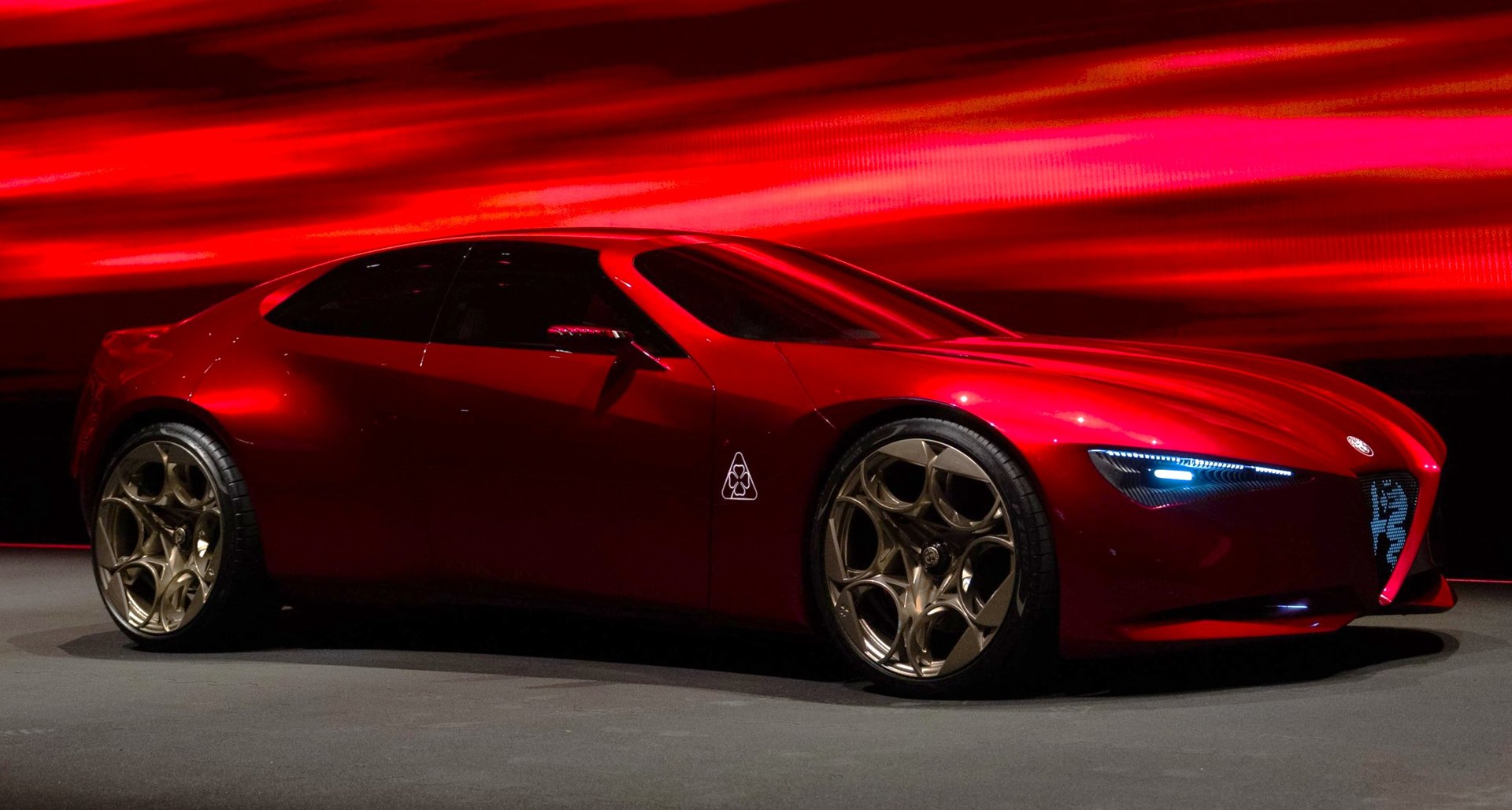
Alfa Romeo's Cuorerosso Ends in a Flat Wall, and That Is the Cleverest Thing About It
The Paris concept is 4.7 metres long, seats four, has no B-pillar and claims a 0.28 drag coefficient. The trick responsible for a good part of that number was worked out in a Stuttgart wind tunnel in 1936.
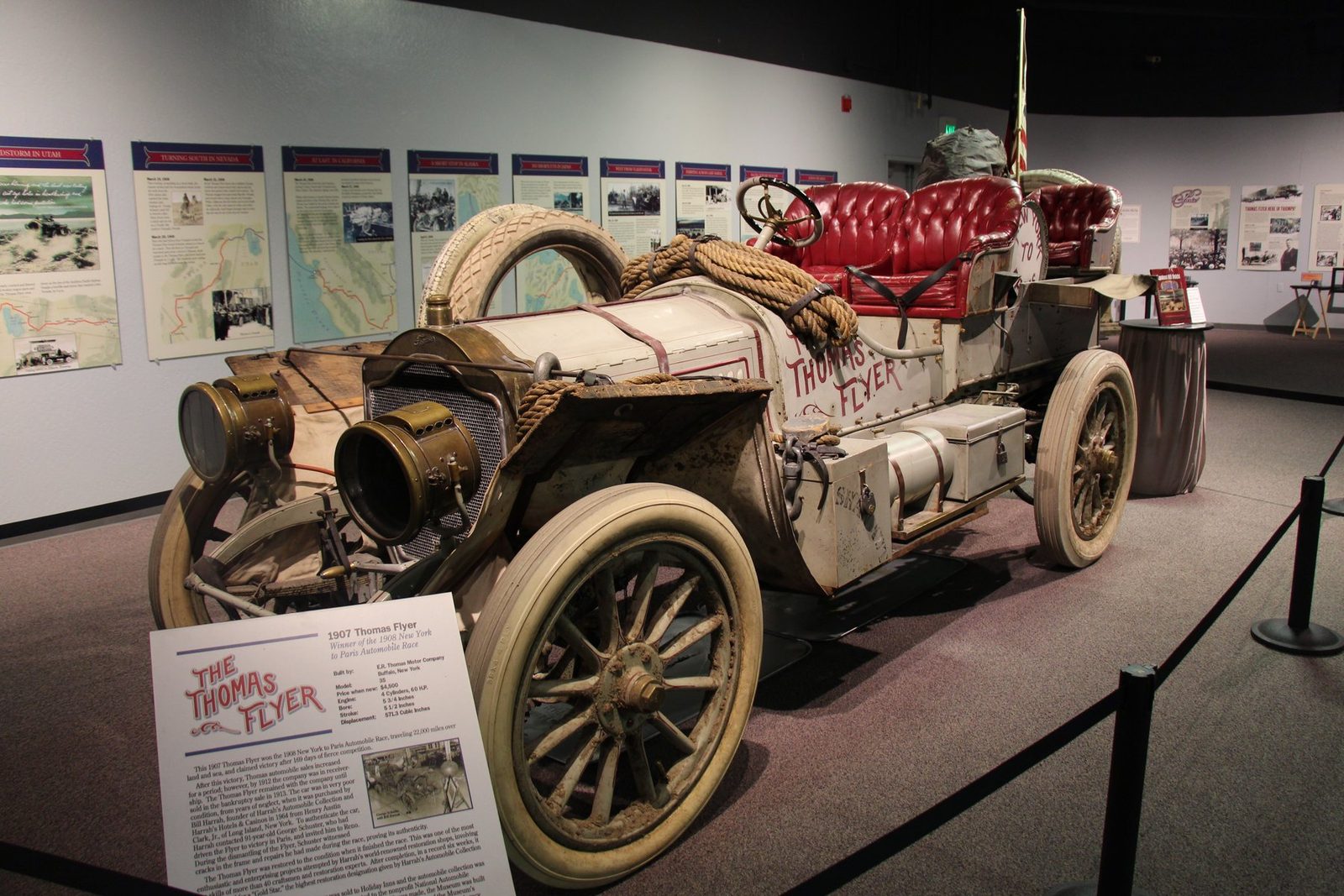
The Impossible Race: How a Buffalo-Built Car Won a Trip Around the World in 1908
Six cars from four nations set out from Times Square to drive to Paris — the long way, through Alaska, Japan, and Siberia. Only three finished, and the winner didn't cross the line first.