
Why Enthusiasts Are Swapping to Lithium-Ion Starter Batteries — and What's Actually Different Inside Them
Brands like Antigravity Batteries have spent over a decade convincing racers to give up the lead-acid battery. The chemistry behind why is more interesting than the weight-savings sticker.
Nearly every gas car on the road still starts with the same basic technology Ford was using a century ago: a lead-acid battery, six 2-volt cells wired together, ions moving through a bath of sulfuric acid between a lead electrode and a lead-dioxide one. It works, it's cheap, and the recycling infrastructure for it is everywhere — which is exactly why it took a company built specifically for racers to make a real dent in it.
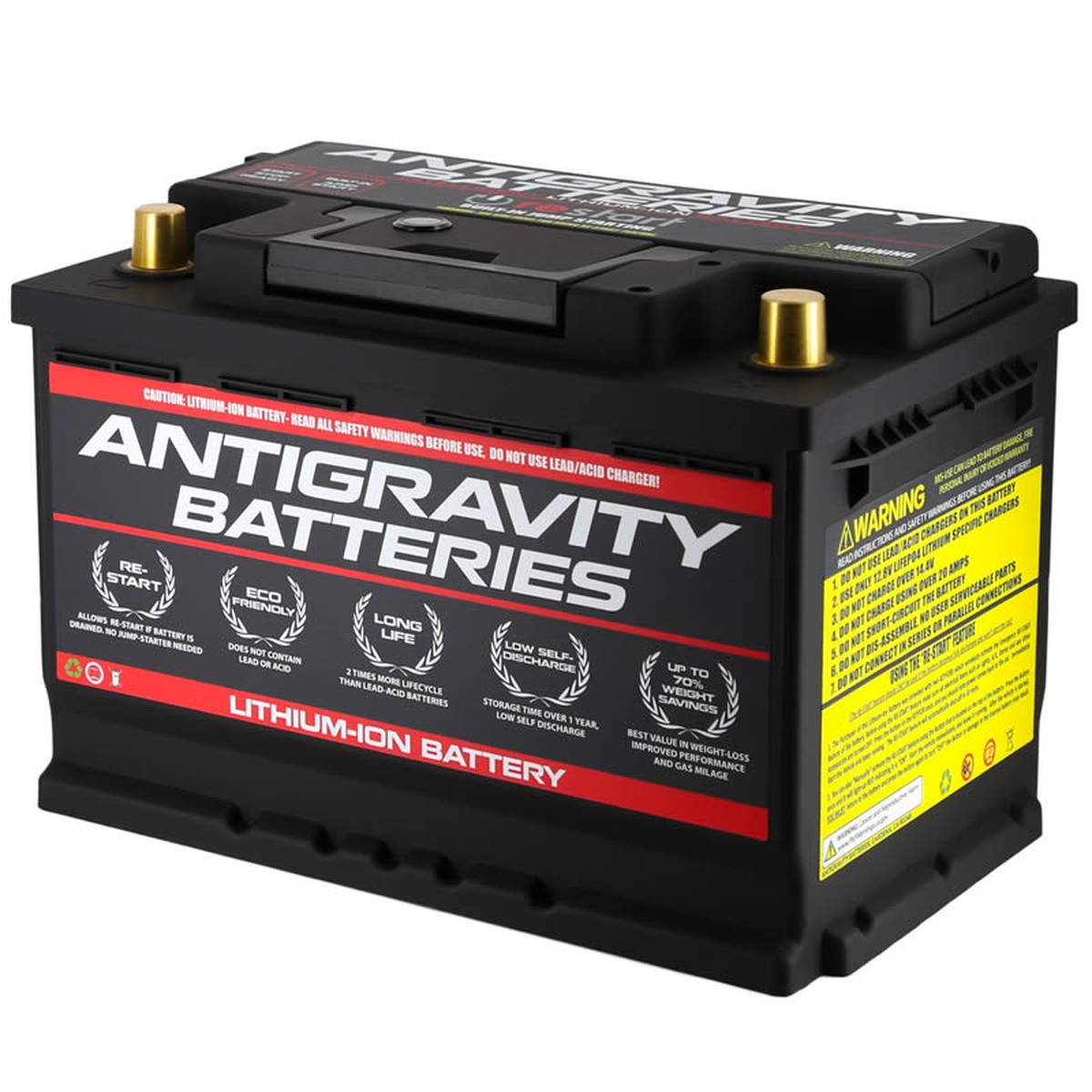
Antigravity Batteries started in 2009 in Los Angeles with a straightforward pitch to the motorsports crowd: replace the lead-acid brick under the hood with a lithium-ion battery that weighs a fraction as much and cranks harder. The company's own products put a number on it — up to 70% weight savings over a comparable lead-acid battery, printed right on the case, alongside a claim of roughly double the cycle life.
The chemistry underneath that pitch is specific. Most performance starter batteries, Antigravity's included, use lithium iron phosphate — LiFePO4 — rather than the higher-energy-density lithium chemistries found in phones or laptops. It's a deliberate trade: LiFePO4 has a spontaneous combustion threshold around 800°C, versus 200-300°C for the nickel-manganese-cobalt chemistry in most consumer electronics, because the phosphate-based cathode doesn't release oxygen the way those other chemistries can under stress. For something bolted next to an engine bay, that thermal margin matters more than squeezing out a few extra watt-hours.
The practical difference shows up under load. A lead-acid battery's voltage sags as it discharges — crank it hard enough and the output can drop toward 10 volts right when the ignition system needs it most. A healthy lithium-ion starter battery holds closer to 13.2 volts through most of its discharge curve, which is the real-world reason these things earned a reputation for cranking harder despite weighing less. They also tolerate being run down further without damage — 80-90% of rated capacity is fair game on lithium, versus roughly half that on lead-acid before cycle life starts dropping — and a good battery management system is what keeps a lithium pack from being drained or charged outside the range it can handle safely.
None of that makes lead-acid obsolete. It's still cheaper, still more tolerant of being ignored for six months in a driveway, and still what nearly every car leaves the factory with. But for a company that built its name entirely on convincing racers to spend real money replacing a part most drivers never think about, the fact that lithium starter batteries are now a normal sight in project car builds — not just race cars — says the pitch worked.
Ford Ran the Timing Belt Through the Oil. Federal Investigators Say the Belt Is Now Starving the Engine.
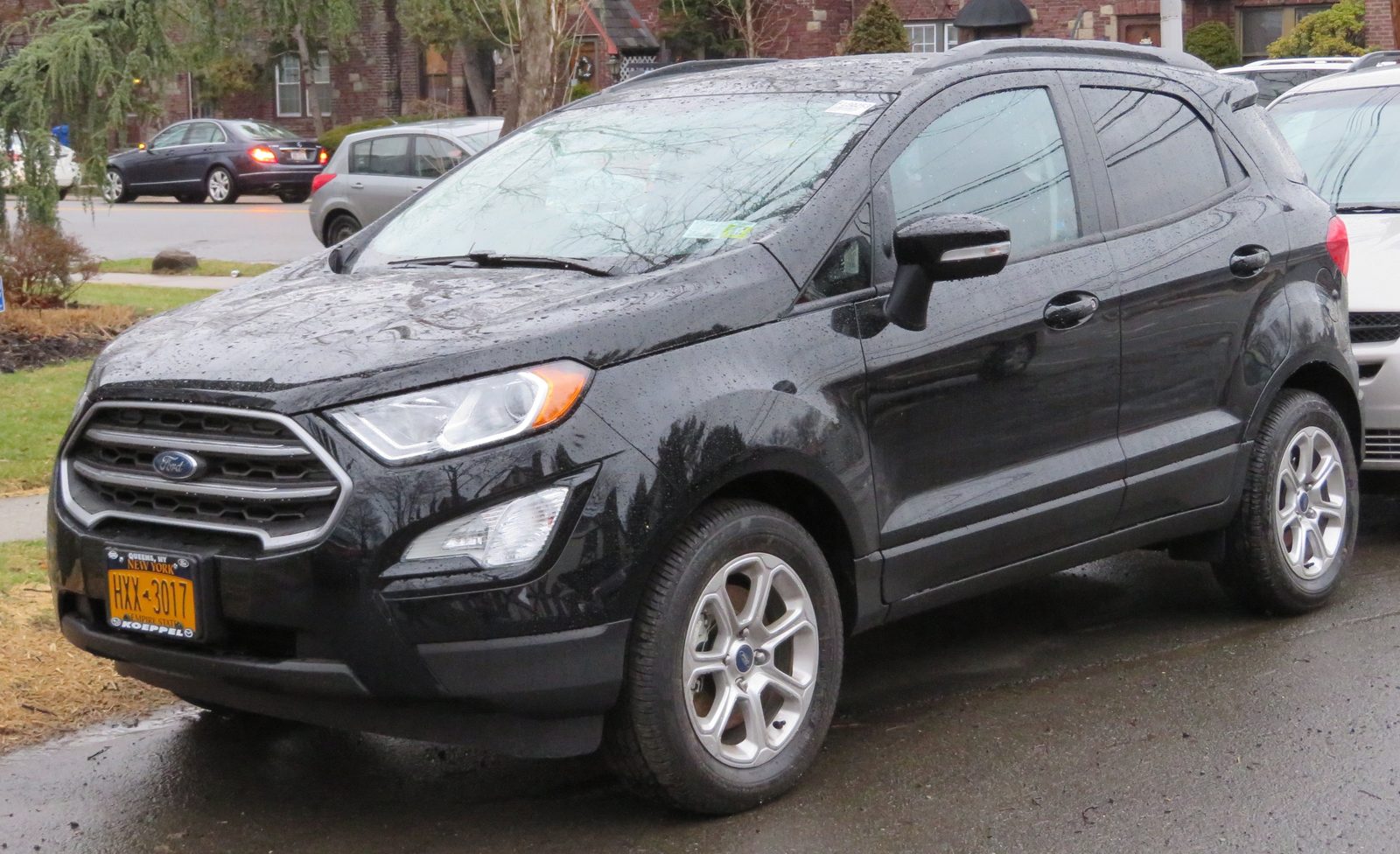
A belt-in-oil drive is quieter and lower-friction than a chain. NHTSA's new engineering analysis says the 1.0-liter EcoBoost's belt sheds material that clogs the oil pump pickup — and that screen can't be cleaned without pulling the engine.
The Automatic's Oldest Trick: How a Torque Converter Multiplies Torque With No Gears
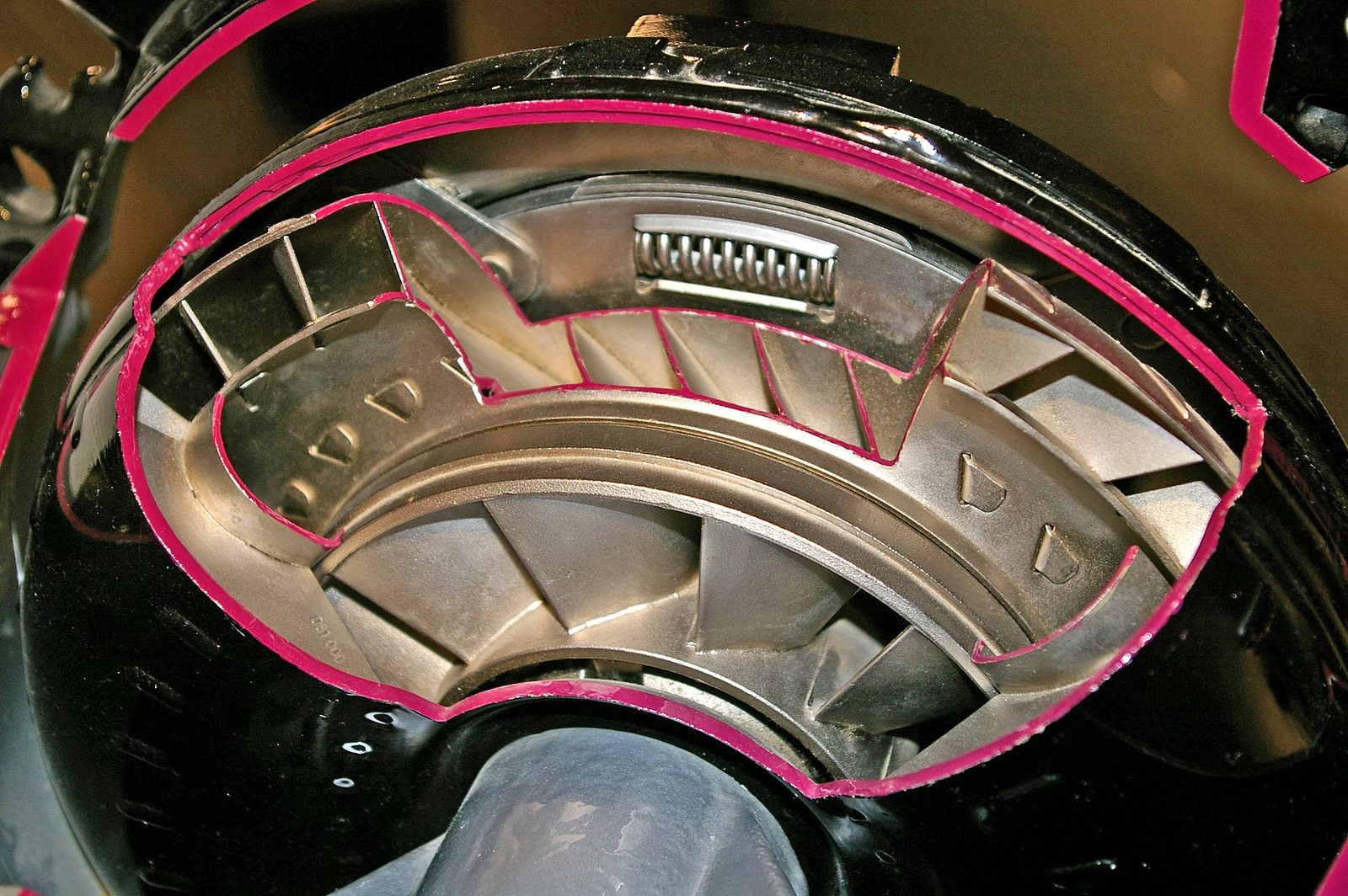
It has no gear teeth and nothing that meshes, yet a torque converter can roughly double engine torque off the line. The part doing the work is the one bolted to nothing at all.
How Electronic Stability Control Reads a Slide and Corrects It Before the Driver Even Feels It
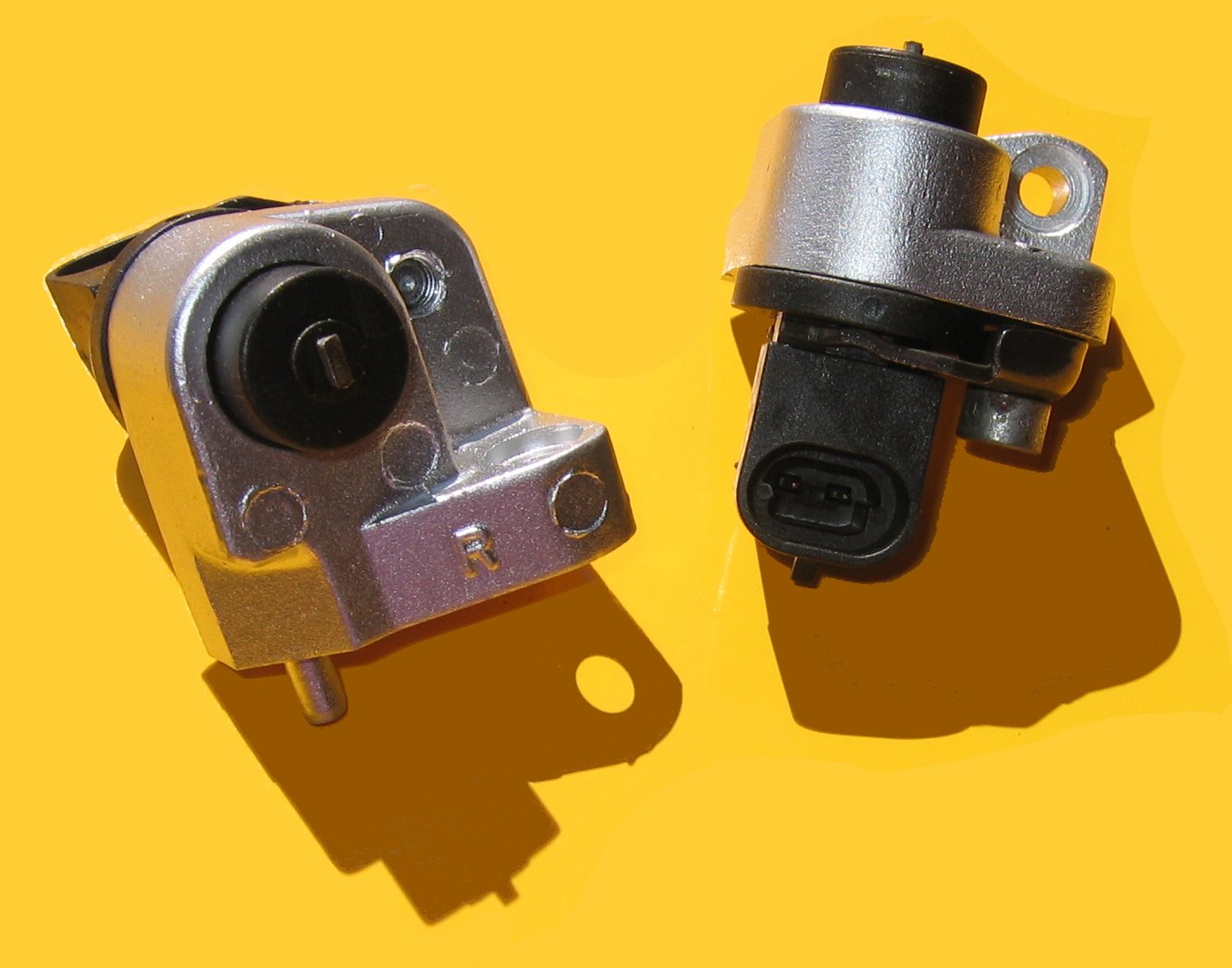
A network of wheel-speed, steering-angle, and yaw sensors checks the car's actual path against the driver's intended one many times a second — and brakes a single wheel to pull it back if the two disagree.