
Market Find: A Lancia Delta S4 Group B That Tested Snow Tyres for Monte-Carlo, Then Went Out and Won a Rally
Girardo & Co. has chassis 208, one of 28 Group B Delta S4s Abarth ever built. Markku Alén and Miki Biasion both drove it in the snow before Dario Cerrato won the 1986 Rally 1000 Miglia in it. Price on application.
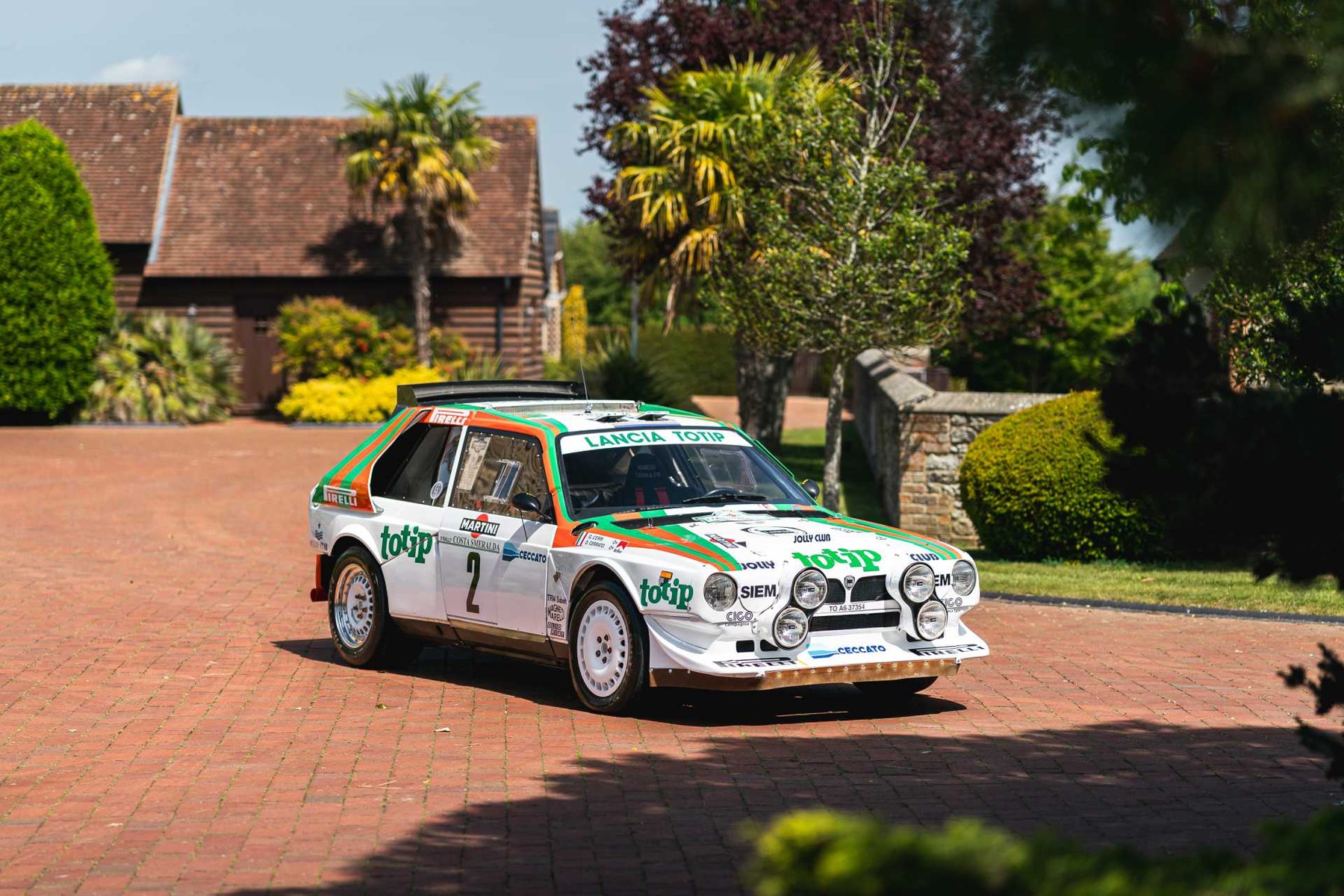
Girardo & Co. has just listed a 1985 Lancia Delta S4 Corsa, chassis ZLA038AR0 00000208, at its UK showroom. There is no published price — it is a price-on-application car, which is normal at this level and unhelpful if you want to know what one of these is worth, so we will come back to that with numbers from cars that actually sold.
What makes this one worth looking at is not that it is a Delta S4. It is what chassis 208 was doing in the winter of 1985 and the spring of 1986, which is a more specific and more interesting story than the usual Group B listing.
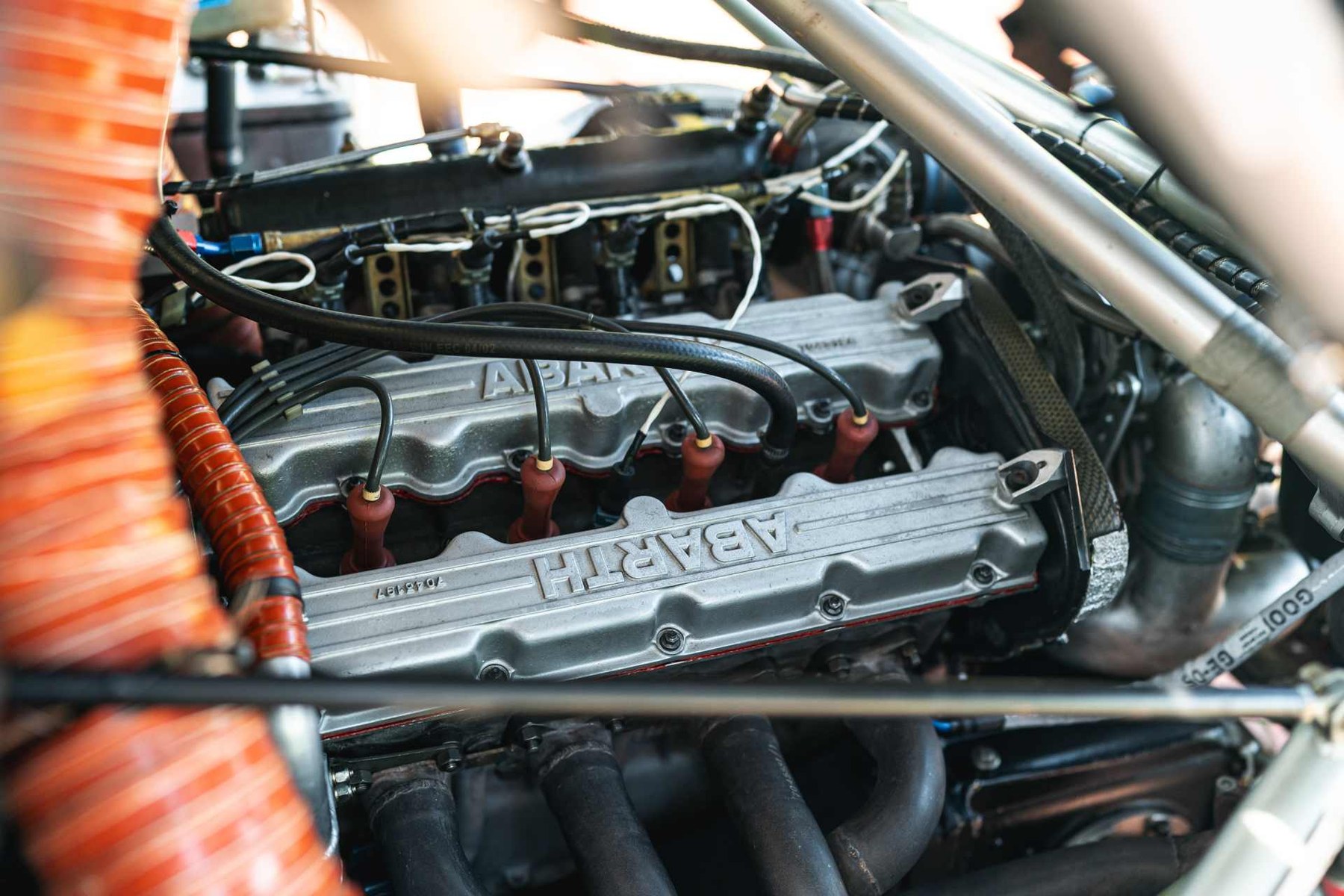
Start with why the S4 exists at all. Lancia had won the 1983 manufacturers' title with the rear-drive 037, and then Audi and Peugeot made four-wheel drive non-negotiable. Lancia's answer, developed by Abarth under the project code SE038, was a blank-sheet car with a Delta HF silhouette draped over a tubular spaceframe, a mid-mounted engine, and three differentials. The engine is the famous part: a 1,759cc four-cylinder running a supercharger and a turbocharger simultaneously — the blower filling in at low revs, the turbo taking over as the exhaust gas arrived — in what is widely credited as the first production application of twincharging. The road-going Stradale made 250 PS. The Corsa rally cars are generally quoted at around 480 to 490 horsepower, with some sources pushing that to 500, which is the sort of range you should expect from mid-1980s Group B figures.
The homologation is its own small comedy. Group B required 200 road cars. Wikipedia's account is that fewer than 100 Stradale were likely built against that claimed 200, and the car was signed off anyway: the FIA's historic database lists Delta S4 homologation number 276, dated 2 November 1985, while Girardo's catalogue gives 1 November 1985 under the Italian type-approval code DGM51831OM. A day either way, and either way the FIA was not counting especially hard. What matters for rarity is the competition side, and that figure is firm: 28 complete Group B chassis were built, shared between the works Martini Lancia team and the semi-works Jolly Club and Grifone outfits.
The S4's competition career was spectacular and then it was over. On its debut at the 1985 Lombard RAC Rally the model finished one-two, Henri Toivonen and Neil Wilson ahead of Markku Alén and Ilkka Kivimäki. On 2 May 1986, on the Tour de Corse, Toivonen and his co-driver Sergio Cresto left the road, and both died when the car burned. Group B was abolished in the aftermath. The last international Group B round ever run was the 1986 Olympus Rally in Washington state, and a Delta S4 won it — Alén, by 1m26s over Juha Kankkunen's Peugeot 205 T16 E2. It is worth noting that Girardo's text misspells Cresto's surname as "Cresta."
Chassis 208 was built by Abarth in October 1985 to Evoluzione specification and went straight to the works Lancia Martini Racing team, but not to go rallying. According to the listing, it was used for Pirelli snow-tyre testing ahead of the 1986 season: at St. Rémy in the Aosta Valley with Miki Biasion, to prepare for the Monte-Carlo Rally, and in Lapland with Markku Alén, to prepare for Sweden, with Abarth's chief test driver Giorgio Pianta in the right-hand seat on both occasions. We have not been able to independently verify those test sessions — factory tyre testing is not the sort of thing that generates a results sheet — so take them as the dealer's documented account rather than as established record.
One line in Girardo's bullet list does need correcting, though. It describes Alén and Biasion as "World Rally Champions." Biasion genuinely is one, twice over, in 1988 and 1989. Alén is the most famous near-miss in the sport: he was the 1986 World Rally Champion for eleven days, until FISA annulled the results of the Rallye Sanremo — where Kankkunen's Peugeot had been excluded by the Italian scrutineers over its skirts — and handed the title to Kankkunen instead. Alén has 19 WRC wins and no championship. Calling him a World Rally Champion in a sales bullet is the kind of shorthand that gets corrected loudly by anyone who followed the sport in 1986.
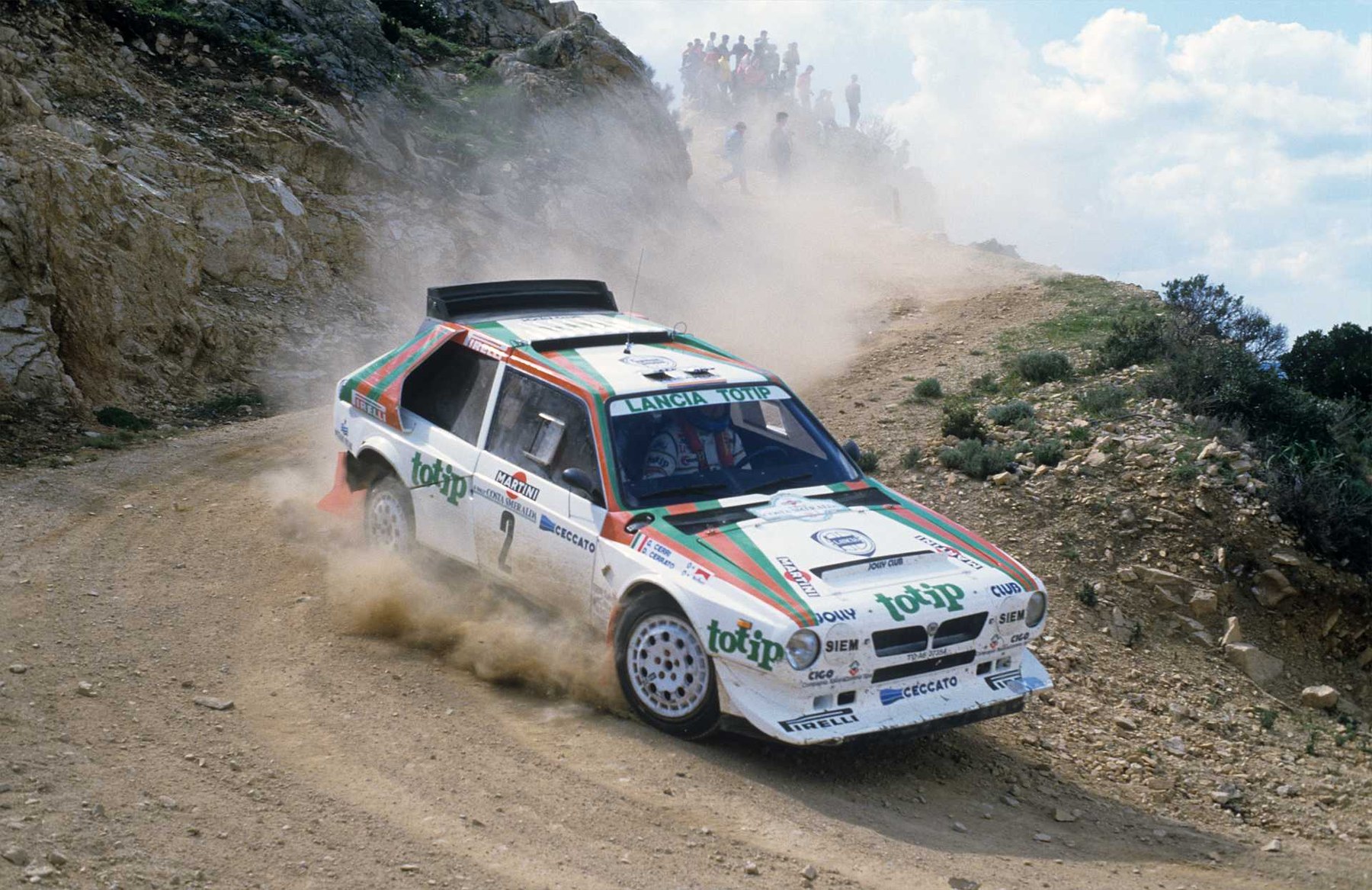
The competition record is where chassis 208 stops being a test mule and starts being a rally car, and here the documentation is clean. Reassigned to Jolly Club and repainted in the Totip white, green and orange, it ran the Rally 1000 Miglia at Brescia on 20–23 March 1986, with the reigning European Rally Champion Dario Cerrato driving and Giuseppe Cerri reading the notes. They won it outright, from 104 entries, in 3h50m58s. Less than a month later the same crew took it to Rally Costa Smeralda, a gravel round of the European championship in Sardinia, and finished third overall in 6h20m12s — 1m04s behind Toivonen's works S4 and 28 seconds behind Andrea Zanussi's works Peugeot 205 T16. Both results check out against the independent rally database eWRC-results. Cerrato went on to take the 1986 Italian Rally Championship, and this car opened that campaign.
After that it was registered in Italy to Fiat Auto S.p.A. in Turin, as Lancia's competition cars routinely were, shown on Lancia's Turin Motor Show stand, and used by Jolly Club as a test car for the rest of 1986. It was sold into private Italian hands in 1988 and stayed there for close to three decades before the late John Campion bought it. Campion is a genuinely good story and the listing undersells him: born in Ireland in January 1963, he emigrated to the United States at 21 with almost nothing, worked as a roadie for acts including AC/DC and Michael Jackson, founded the portable-power company Showpower in 1987, and built one of the best collections of Martini-liveried Lancias in private hands. He died of leukaemia on 2 October 2020, aged 57. Girardo placed this car with its current British owner that same year, and it has since appeared at Goodwood, RallyLegend and Rally Day.
So what is it worth? Nobody will say, but the public record for Group B Delta S4s is unusually good, because four of them have passed through RM Sotheby's in recent years. Chassis 202, Toivonen's 1985 RAC Rally winner, made £764,375 at RM's London sale in 2019. Chassis 215, the car Toivonen won the 1986 Rallye Monte-Carlo in, made £1,636,250 at RM London in 2022. Chassis 207, which RM describes as finishing second on its debut at that same 1985 RAC Rally and which later won the 1986 Halkidiki Rally in Fabrizio Tabaton's hands, made €837,500 at RM Monaco in 2024. Road-going Stradale examples sit in their own bracket entirely; the headline one took €1,040,000 at RM's Essen sale.
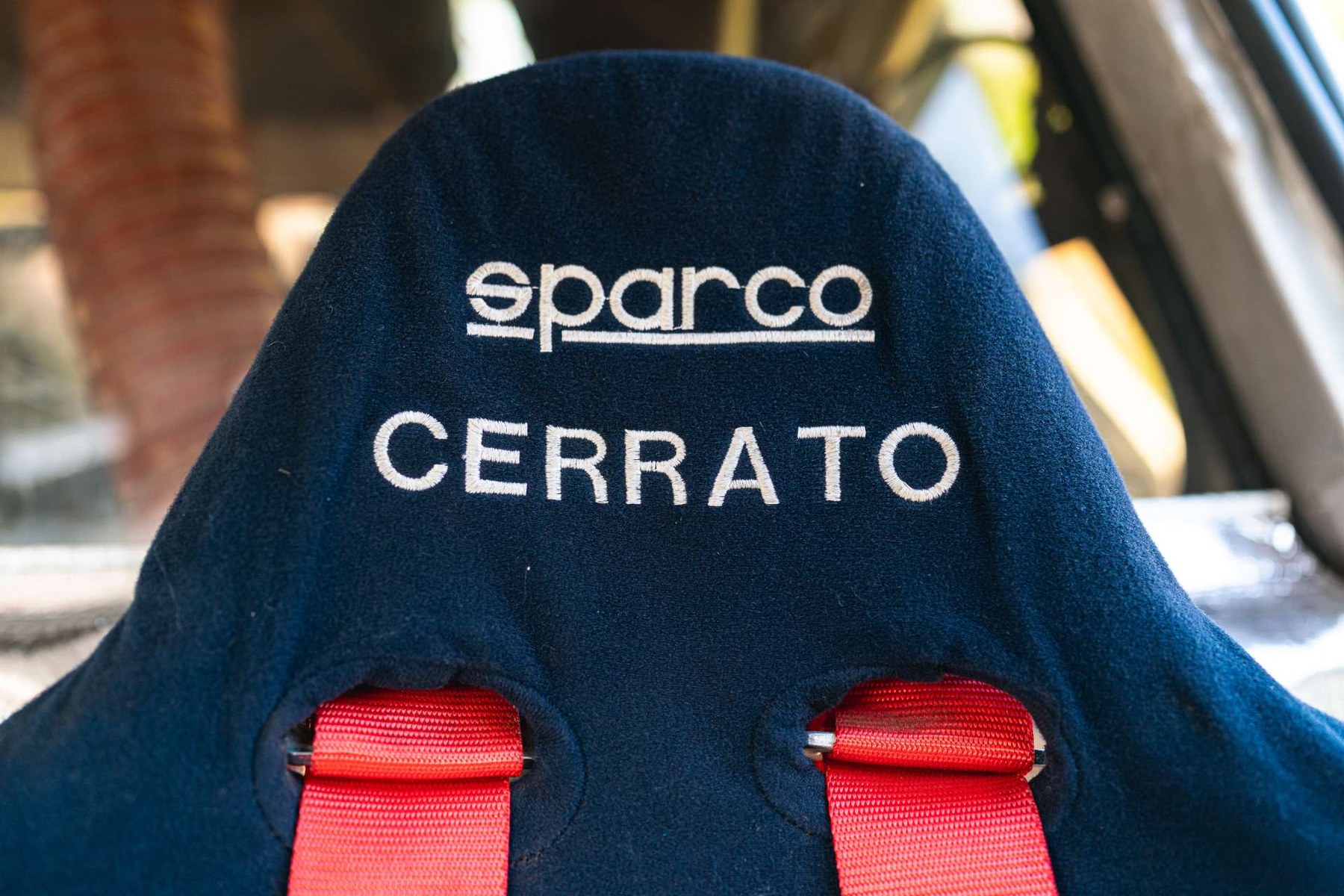
That spread tells you most of what you need. The million-and-a-half-pound number belongs to a car that won a round of the World Rally Championship with Toivonen aboard. The seven-to-eight-hundred-thousand numbers belong to real works chassis with real period results that are not that. Chassis 208 sits in the second group with a slightly unusual argument in its favour: an outright win, a European championship podium against the factory teams, documented factory development work, Abarth Classiche certification, a UK registration, and a seat with CERRATO still stitched into the headrest.
It is not the car that won Monte-Carlo. It is one of 28, it did a job the works team needed doing, and then it went out and beat everyone at Brescia. For a Group B car offered in 2026, that is a more honest set of claims than most.
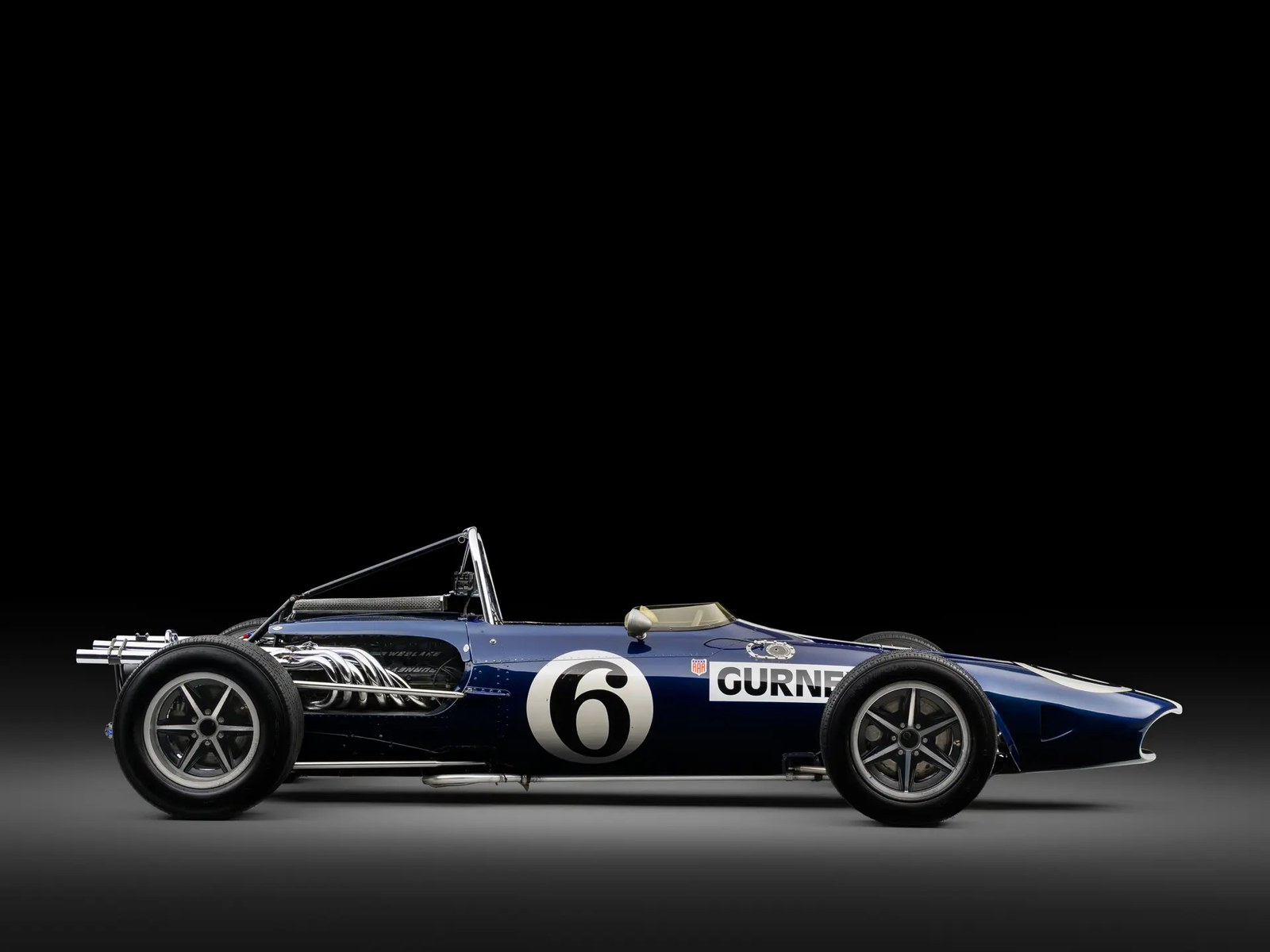
Market Find: An AAR Eagle Mk I With a Gurney-Weslake V-12 — Chassis 103, and the Race It Didn't Win
RM Sotheby's has the third of four Eagle Formula 1 cars in its Sealed September sale at a $7–9 million estimate. It is not the car that won at Spa. Understanding why that matters is most of the story.
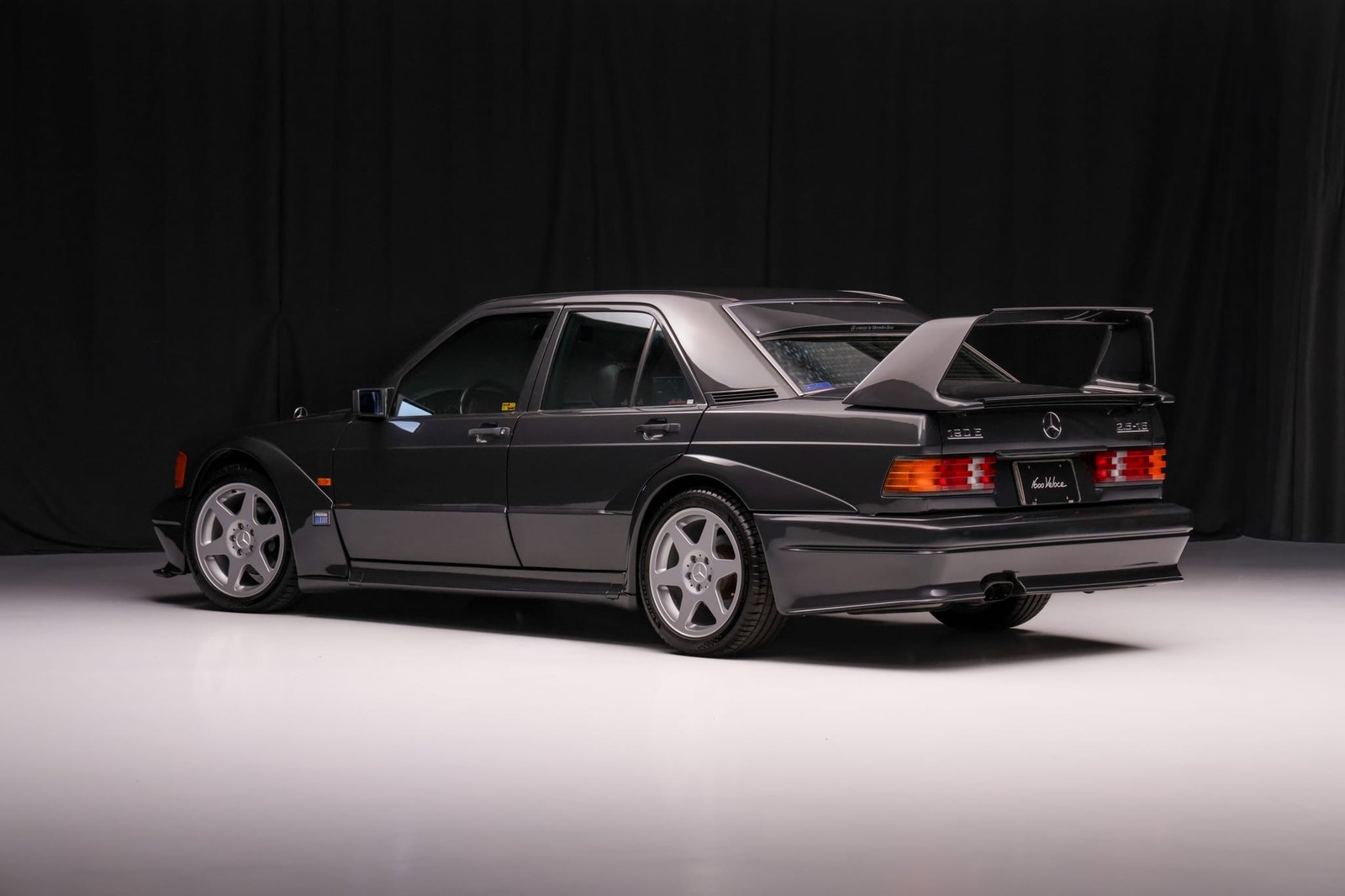
Market Find: A 190E Evolution II That Spent 36 Years in Japan — #448 of the 502 Mercedes Had to Build
Mercedes built exactly enough Evolution IIs to go touring car racing, and this one was delivered new in Japan and stayed there until it was exported this year. Bidding on Bring a Trailer sat at $201,000 with a week left to run.
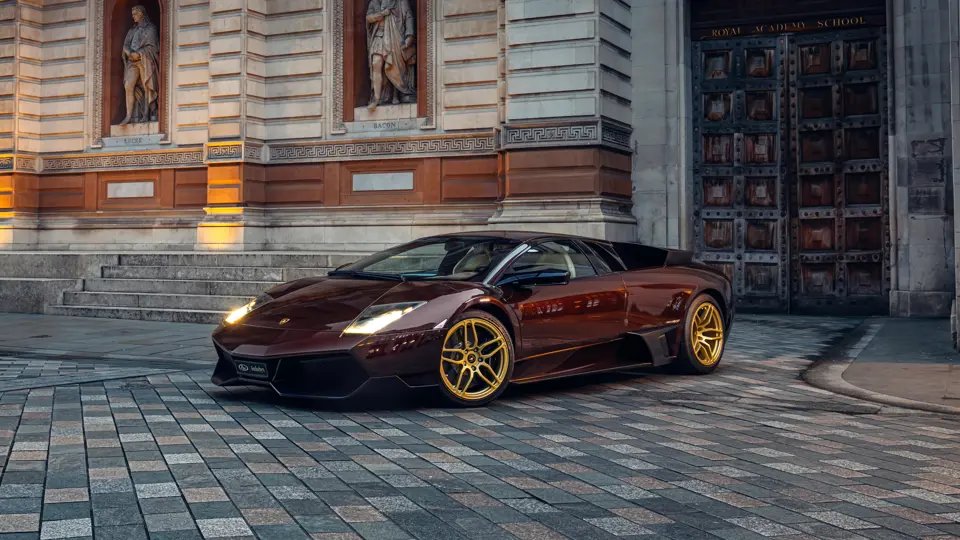
Market Find: The Last Manual V12 Lamborghini Heads to Sealed Bidding
A one-off, gated-manual Murciélago LP 670-4 SV finished in a color no other example wears is up for sealed bidding at RM Sotheby's, with the closest thing to a factory guarantee that no more like it are coming.