
The Mid Night Club: Inside Japan's Most Disciplined Underground Racing Scene
For over a decade, a secretive group of Tokyo businessmen ran 160-mph-plus races on the Wangan under a code stricter than most sanctioned motorsport.
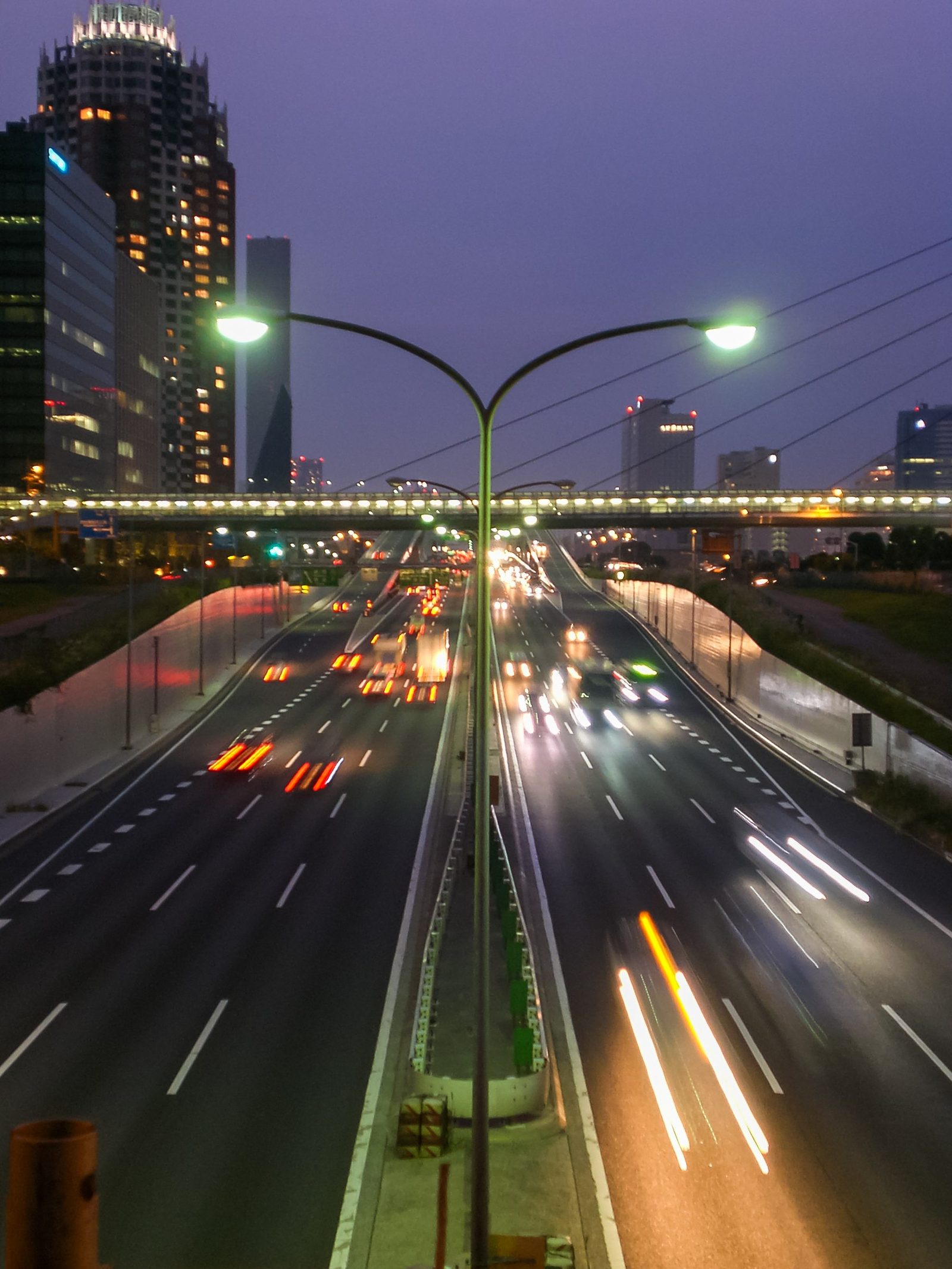
Not every legendary Japanese car club was full of teenagers. The Mid Night Club, which ran illegal high-speed races on Tokyo's Wangan — the Bayshore Route section of the Shuto Expressway connecting Tokyo and Yokohama — from the mid-1980s until 1999, was largely made up of businessmen and automotive-industry professionals with the money and access to build genuinely fast cars. Nissan product specialist Hiroshi Tamura, who later worked on development of the R35 GT-R, was a member. So was the club's chairman, a man known as Yoshida, who drove a roughly 620-horsepower Porsche 930 Turbo.
What separated the Mid Night Club from ordinary street racing wasn't just the speed, though that was real — membership effectively required demonstrating sustained control of a car north of 160 mph. It was the code. Members operated under strict anonymity, forbidden from disclosing identifying details about themselves, including their day jobs, even to each other. More importantly, the club's defining rule was that a race could never endanger anyone outside it — hazard lights on, a full lane of separation from other traffic at all times. It's a stricter safety standard than plenty of sanctioned racing series bother to enforce, applied by a group that had no sanctioning body at all.
The club's ending is murkier than its founding. The commonly repeated version says the Mid Night Club disbanded in 1999 after a race against a group of bōsōzoku bikers ended in a fatal crash. No verifiable record of that specific incident actually exists, which has led some researchers to suspect the story was invented by the club's own members — a clean, sympathetic way to walk away from a scene that law enforcement was closing in on anyway, while preserving the group's reputation intact. What's better documented is that police pressure on the Wangan intensified through the late 1990s, and that a successor group, the Mid Night Racing Team, reformed around legal circuit racing rather than the street.
Over roughly fifteen years, the club appeared in more than 200 features across Japanese car magazines and internationally in outlets like Britain's Max Power and Denmark's Autoviz — enough exposure that its half-mythologized reputation now outstrips almost anything a legitimate racing series from the same era produced. The Wangan itself still carries that legacy every night, just considerably closer to the speed limit than it used to be.
For the First Time, All 20 BMW Art Cars Are Under One Roof in Munich
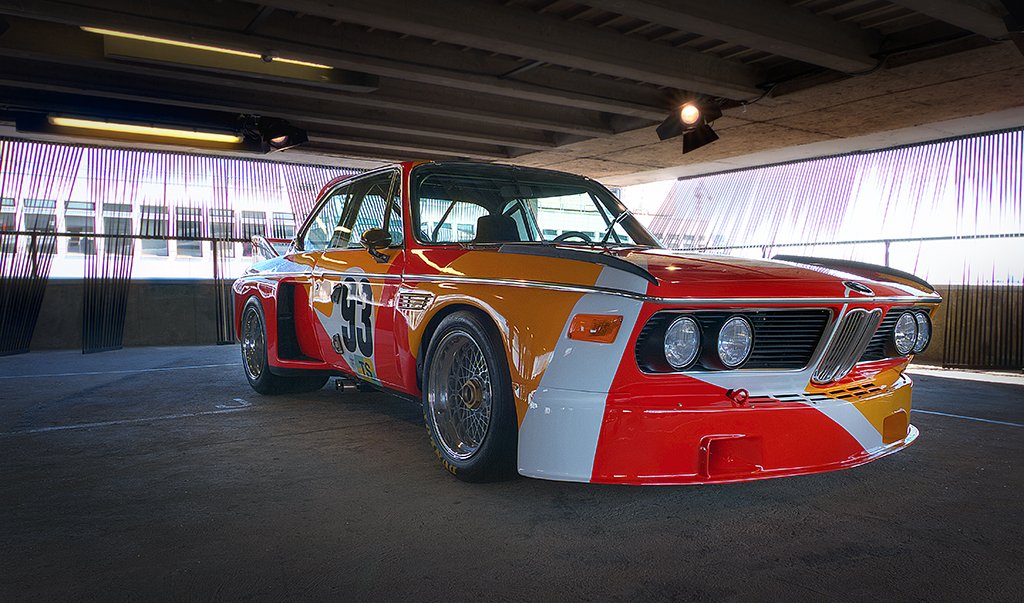
A free exhibition at BMW Welt brings together five decades of the automaker's Art Car program, from Alexander Calder's 1975 Le Mans racer to Julie Mehretu's 2024 hypercar.
RADwood Brings Its '80s and '90s Car Show Back to Tacoma, This Time Free to Spectators
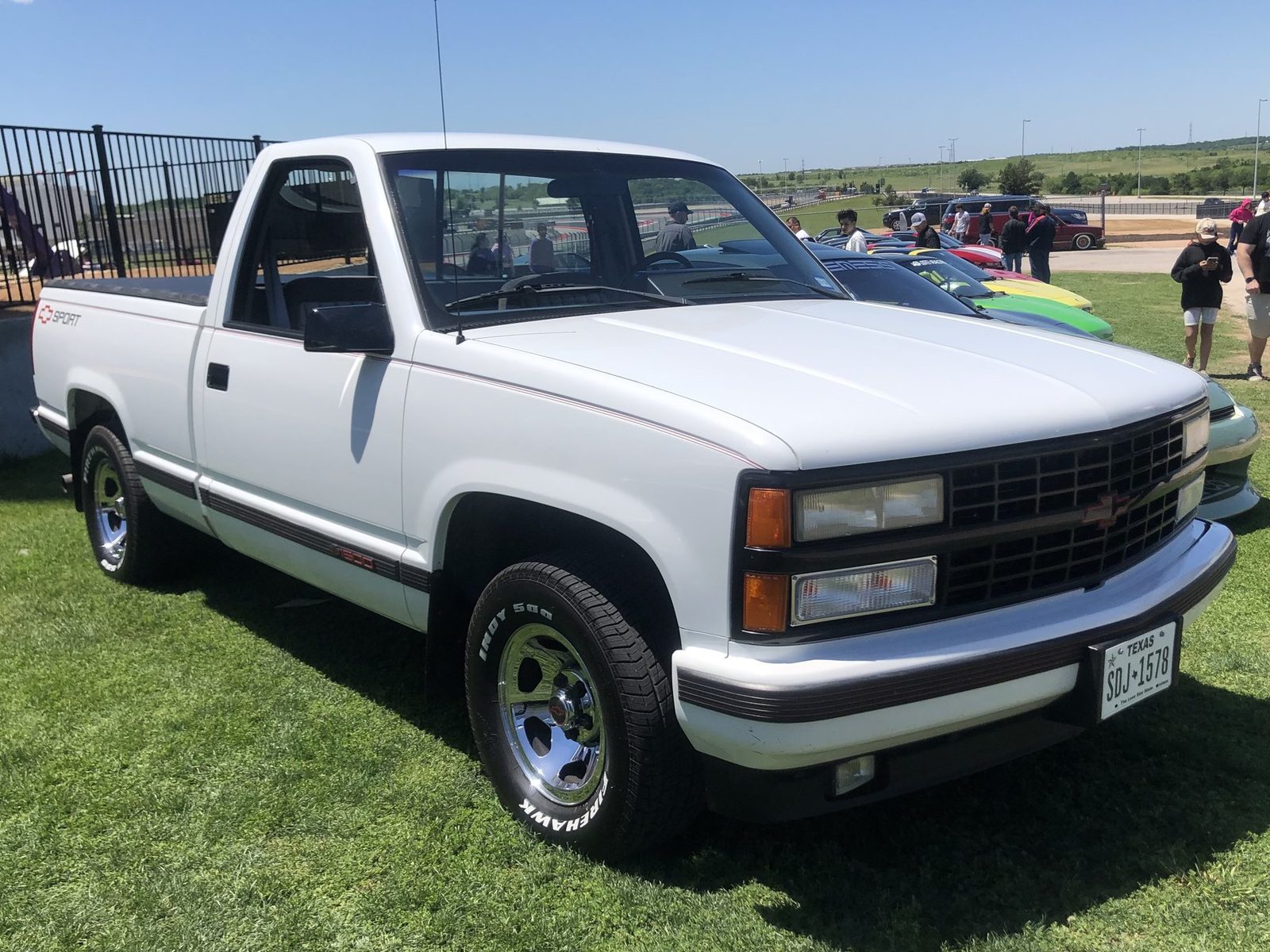
The traveling nostalgia show that turned Fox-body Mustangs and Radwood-era Japanese coupes into concours material returned to Griot's Garage in Tacoma on July 18, with Hagerty video host Jason Cammisa as the marquee guest.
Lamborghini Will Gather Over 40 Miuras on Pebble Beach's 3rd Fairway for the Car's 60th Birthday
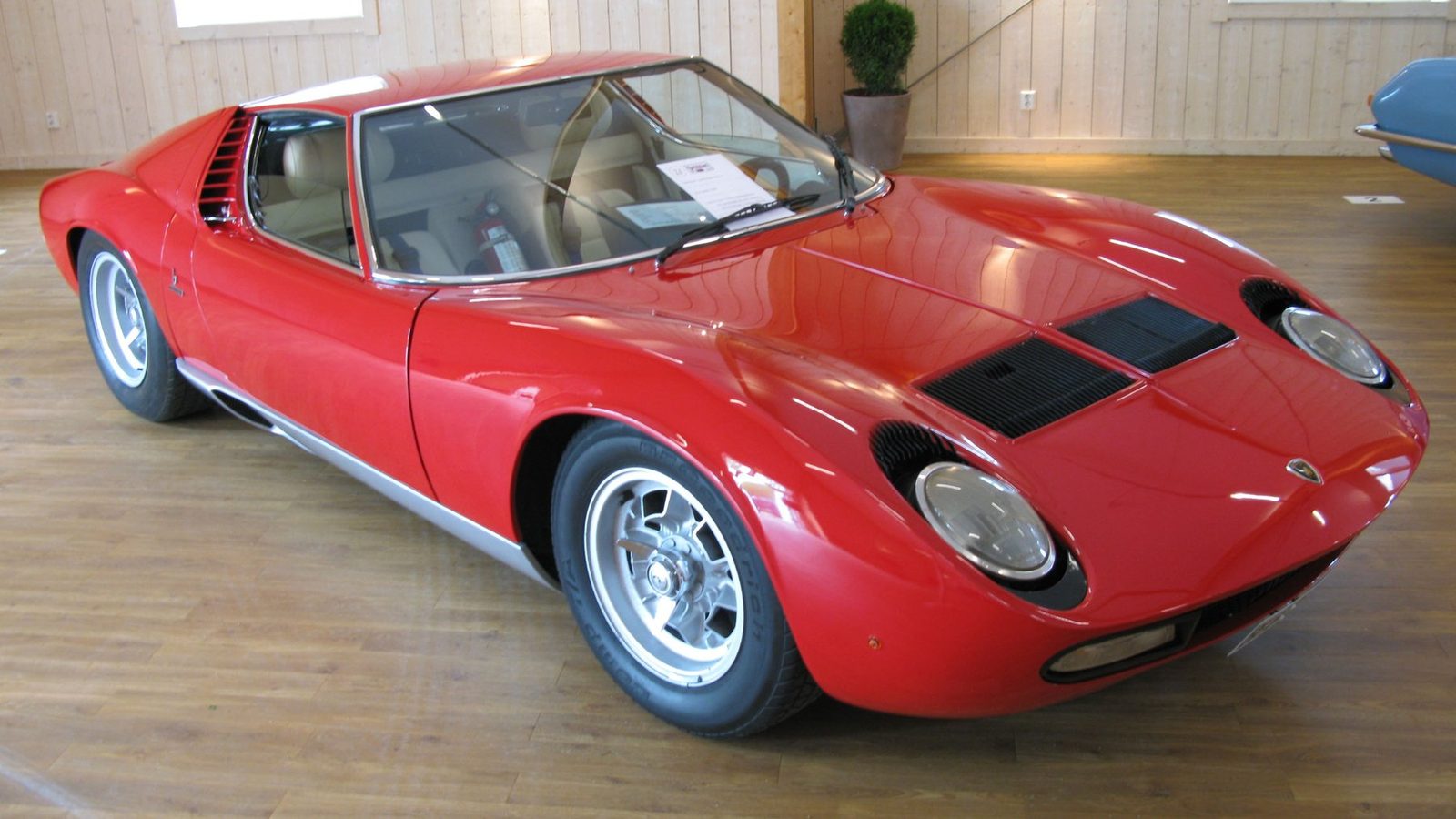
For the first time in the Concours d'Elegance's history, a fairway at Pebble Beach Golf Links will be opened to a single-marque tribute, as Lamborghini assembles what it calls the largest gathering of Miuras ever staged.