
A Connecticut Barn Find Jaguar XK120 Comes Back to Life After a Five-Year Rebuild
Found as a bare frame off a back road near his home, Westport artist Paco's XK120 took five years to return to the road — and it's kept his family driving together ever since.
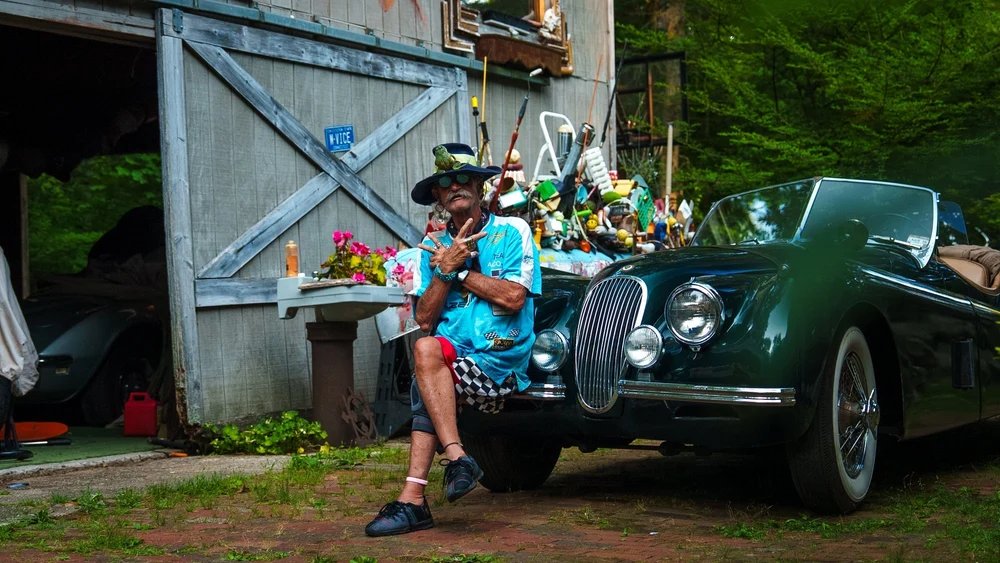
For nearly eight decades, Paco has lived on the same three-acre property in Westport, Connecticut, a spot he settled on in 1969 and where he designed his own house — a structure locals routinely mistake for a Frank Lloyd Wright original. He spent 40 years running an art gallery and frame shop in town, earning himself the nickname "Frames." None of that, on its own, explains why a bare Jaguar XK120 frame ended up in his driveway. That part of the story starts with a drive to pick up his son from rehab.
Somewhere along a back road on that trip, Paco spotted the stripped chassis sitting in a barn. He made a deal with the barn's owner on the spot. What followed was not a quick weekend refresh but a five-year restoration, carried out at a friend's body shop, that turned a bare frame into a complete, driving Jaguar XK120 finished in British Racing Green with a biscuit-colored interior — a classic, period-appropriate pairing for one of the fastest production cars of its era.
The XK120 earned its name honestly: 120 was the top speed, in miles per hour, that Jaguar claimed when the car launched in 1948, a genuinely startling number for a road car at the time. Paco's rebuilt example has no power steering and no power brakes, which he says makes the driving experience closer to "driving a Mack truck" than a modern sports car. At speeds above 100 mph, the aluminum bonnet has a tendency to lift, so he had a custom leather strap made to hold it down — a small, practical fix layered onto a car already decades removed from its factory specification.
What makes the project notable isn't a concours-level bill of materials or a marquee restoration shop's name on the invoice. It's that the finished car became a fixture of family life. Paco's son Garrison has ridden along on drives to the Newport Jaguar festival, and the car has become, in Paco's words, about "memories, family and tradition" rather than pure driving pleasure. He's been candid that the XK120 isn't especially fun to drive by modern standards — heavy, unassisted, demanding — but that was never really the point of finishing it.
There's a wistfulness running through how Paco talks about the car now, tied as much to his own age as to the machine's. Describing both the aging cars around his property and himself, he put it simply: "They're all falling apart like I'm falling apart." It's an unusually candid line for a restoration story, one that treats the finished Jaguar less as a trophy and more as a companion piece to getting older — something maintained and driven for as long as both car and owner hold together.
The full account of the find, the five-year rebuild, and Paco's life in Westport was reported by Kris Clewell for Petrolicious, published July 24, 2026, and includes additional photography of the car and its interior.
A Derelict GM EV1 Is Coming Back to Life, With GM's Help
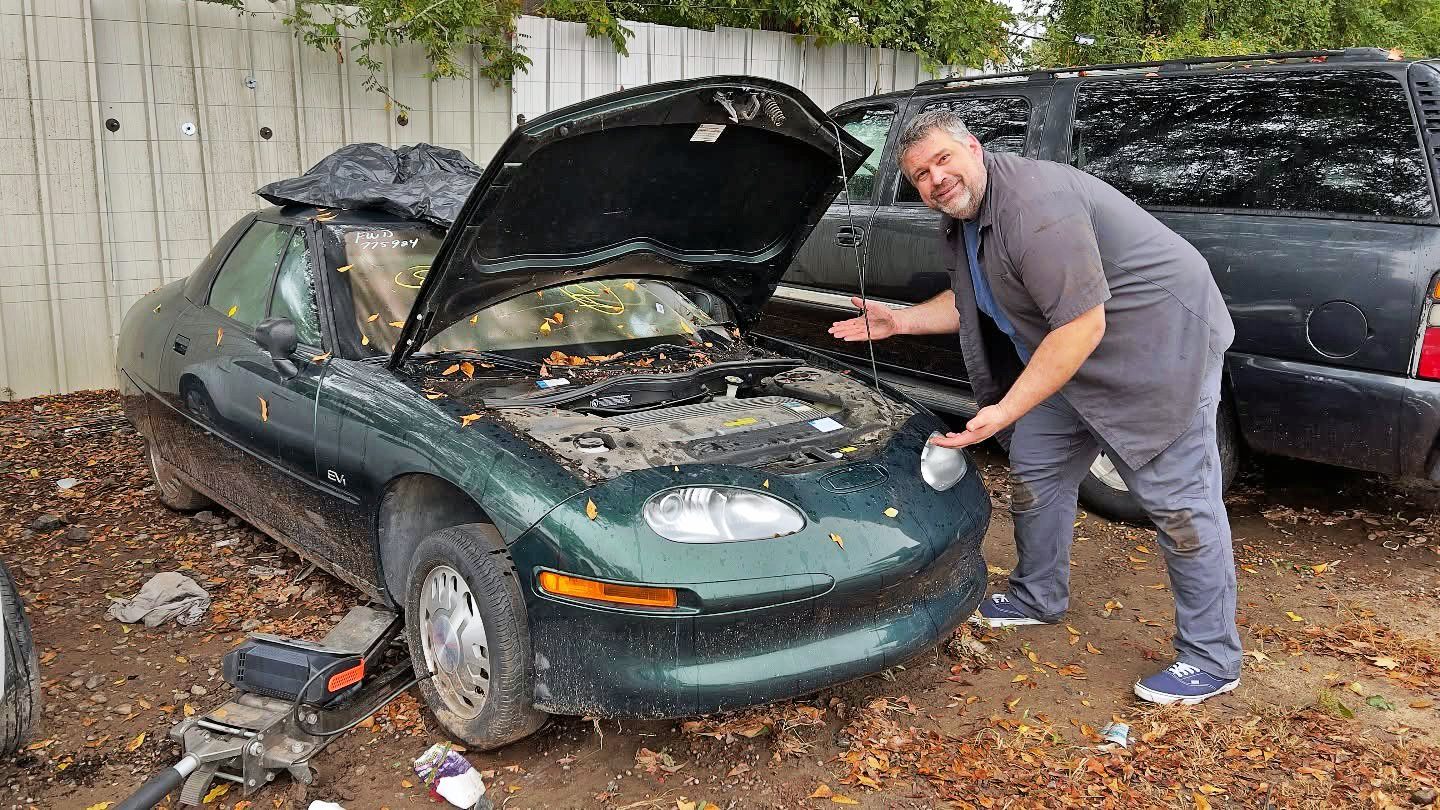
Pulled from a Georgia tow yard for $104,000, EV1 serial number 212 is being rebuilt by its new owner and a YouTube restoration shop, with General Motors quietly supplying parts from its own historical stash.
The Day a Cave Ate Eight Corvettes — and the Museum That Turned It Into a Feature
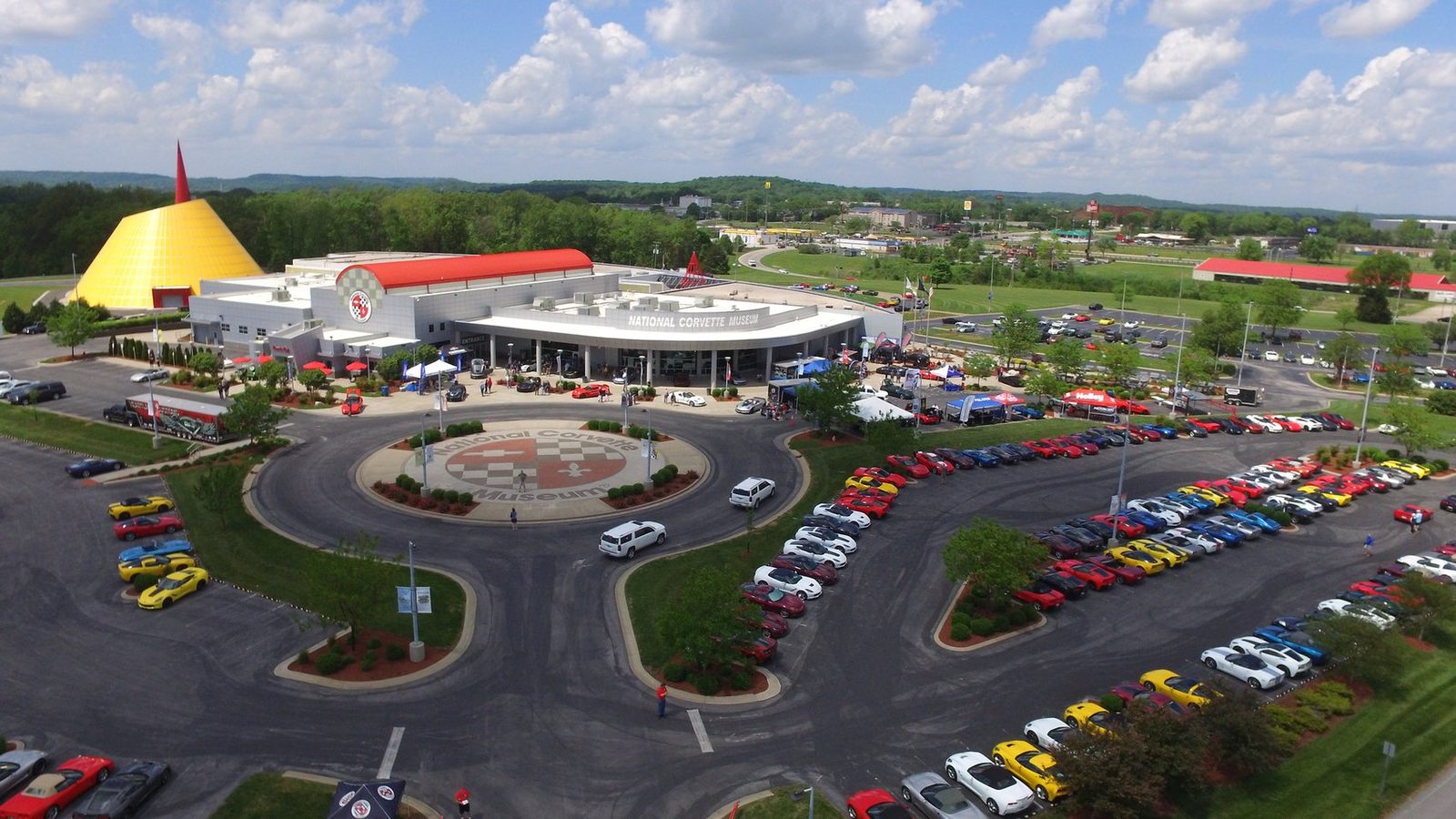
A collapsing cave under the National Corvette Museum's Skydome swallowed eight cars on camera in 2014. Instead of hiding the damage, the museum spent a decade restoring some of it in public — on purpose.
A Propane Delivery Route Led to a Scientist's Forgotten Cobra
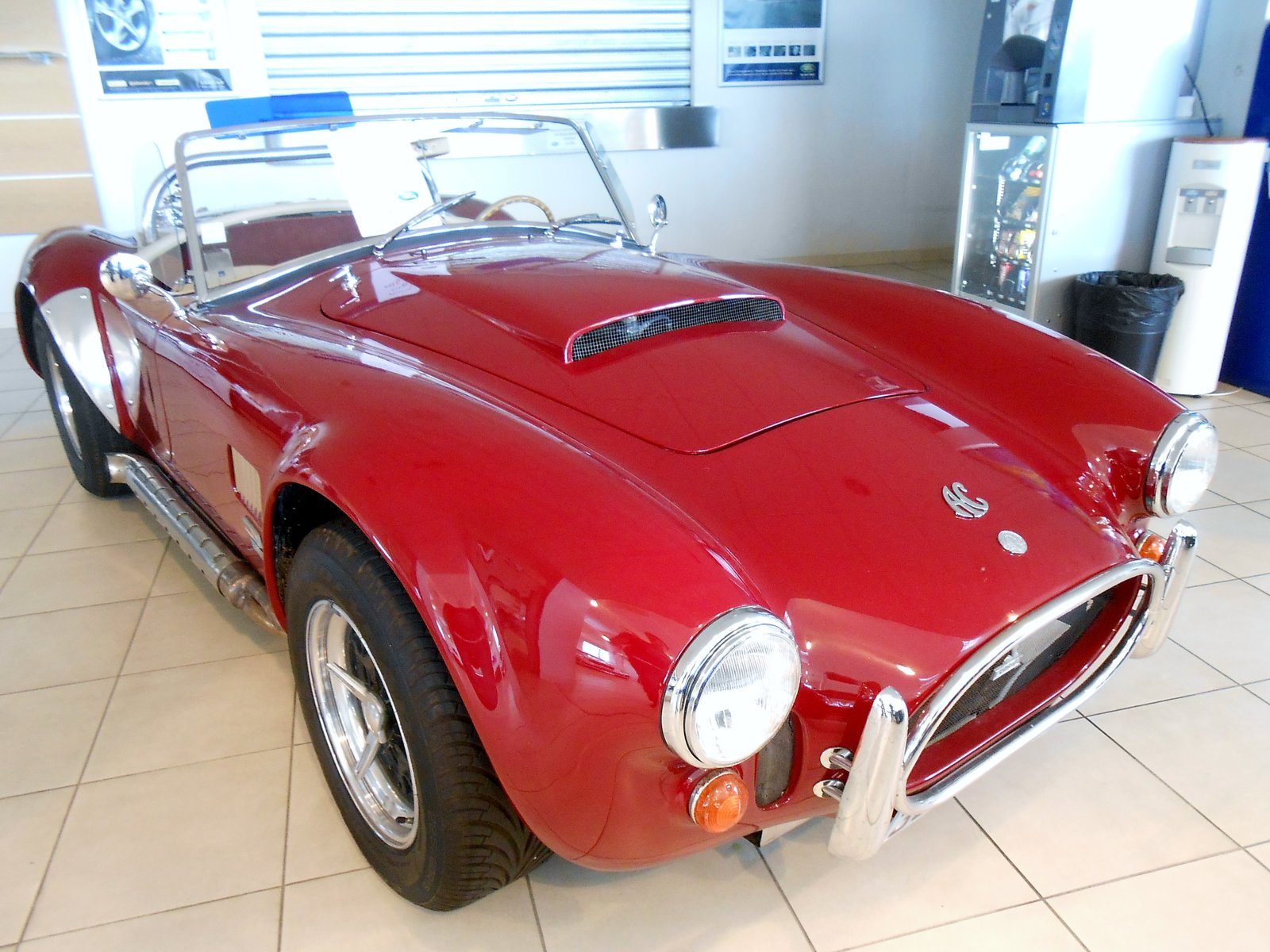
Tom Cotter's Barn Find Hunter series has uncovered hundreds of cars, but the one that belonged to a chemist who helped develop Prozac is the one that sounds made up and isn't.