
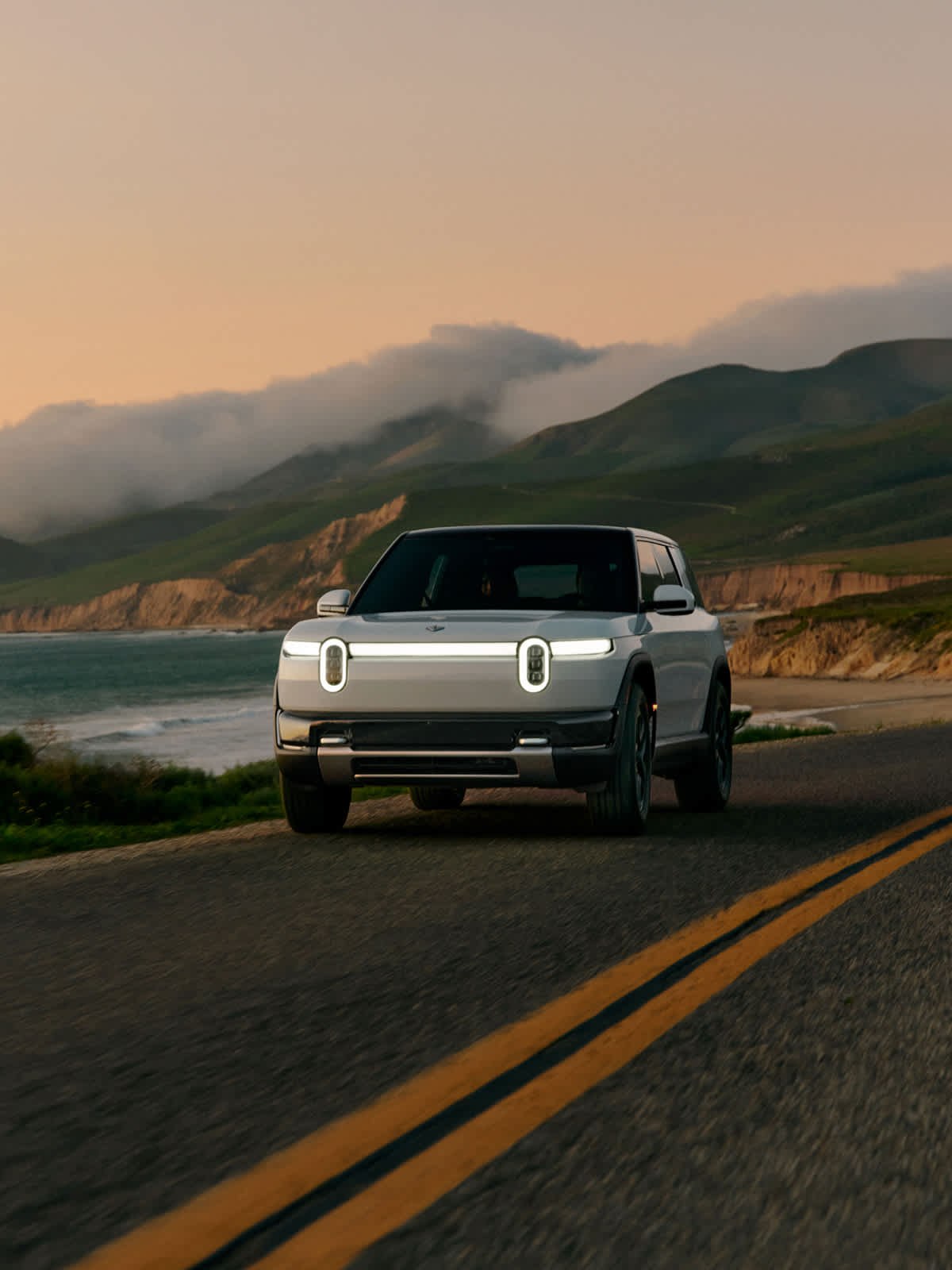
Rivian Just Raised Its Delivery Forecast — And R2 Is Why
A quarter after federal EV tax credits disappeared, Rivian delivered more vehicles than it guided for and raised its full-year target, with its just-launched cheaper SUV doing a lot of the lifting.
- Q2 2026 production
- 12,613 vehicles
- Q2 2026 deliveries
- 12,194 vehicles
- Prior FY26 guidance
- 62,000–67,000
- New FY26 guidance
- 65,000–70,000
Rivian built 12,613 vehicles and delivered 12,194 of them out of its Normal, Illinois plant in the second quarter of 2026 — comfortably ahead of the 9,000-to-11,000-unit delivery range the company itself had guided for going into the quarter. On the strength of that beat, plus its outlook for the rest of the year, Rivian raised its full-year 2026 delivery guidance from a range of 62,000–67,000 vehicles to 65,000–70,000. The company credited the growth to continued momentum in its commercial delivery van and R1 truck and SUV lines, combined with the first deliveries of its smaller, cheaper R2 SUV, which reached customers starting in June.
The timing matters. Rivian's second quarter played out entirely after the federal EV tax credit expired in 2025 — a change that, across the industry, has been dragging down EV sales and forcing automakers to lean harder on affordability to keep buyers interested. R2 is built for exactly that fight: positioned as a smaller, lower-priced counterpart to the R1S and aimed squarely at the segment Tesla's Model Y currently dominates. A quarter of solid growth right as that credit-driven hangover hit the broader market is the clearest evidence yet that R2 demand is real rather than just pent-up launch-week interest.
R2 also carries the weight of Rivian's biggest recent bet: in March, Uber agreed to invest up to $1.25 billion in Rivian — an initial $300 million now, with the rest funded through 2031 contingent on Rivian hitting autonomous-driving milestones — in exchange for deploying up to 10,000 fully autonomous R2 SUVs as robotaxis on Uber's platform starting in 2028, with an option to add up to 40,000 more from 2030. Rivian's third-generation autonomy stack for that program pairs 11 cameras, five radars, and one lidar unit with a pair of in-house RAP1 chips rated at roughly 1,600 TOPS of combined compute, with San Francisco and Miami slated as the first robotaxi markets.
None of that changes what this specific announcement is: a delivery-and-production update, not a profitability one. But for a company that's spent the past two years being measured against Tesla's early struggles and Lucid's persistent production shortfalls, beating its own guidance and raising it again — in the same quarter EV incentives disappeared — is the kind of unglamorous, numbers-only news that actually tells you something about demand.
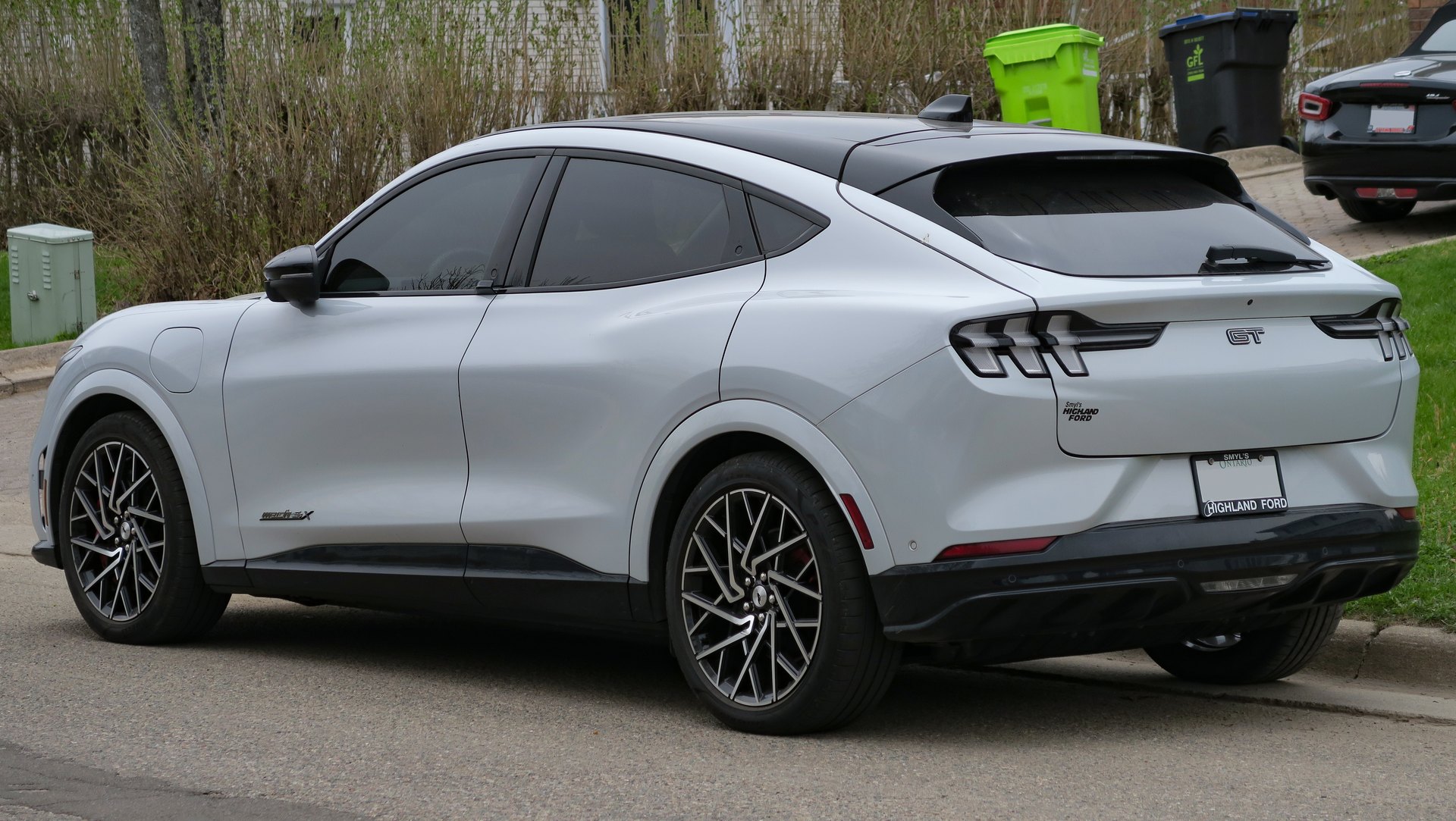
Ford Is Recalling 86,543 Mach-Es Because a Faster Jig Didn't Let the Glue Cure
The rear side quarter window trim on 2023–2025 Mustang Mach-Es can work loose and come off in traffic. Ford traced it to a supplier fixture that cut the installation time — and, with it, the primer's cure time.
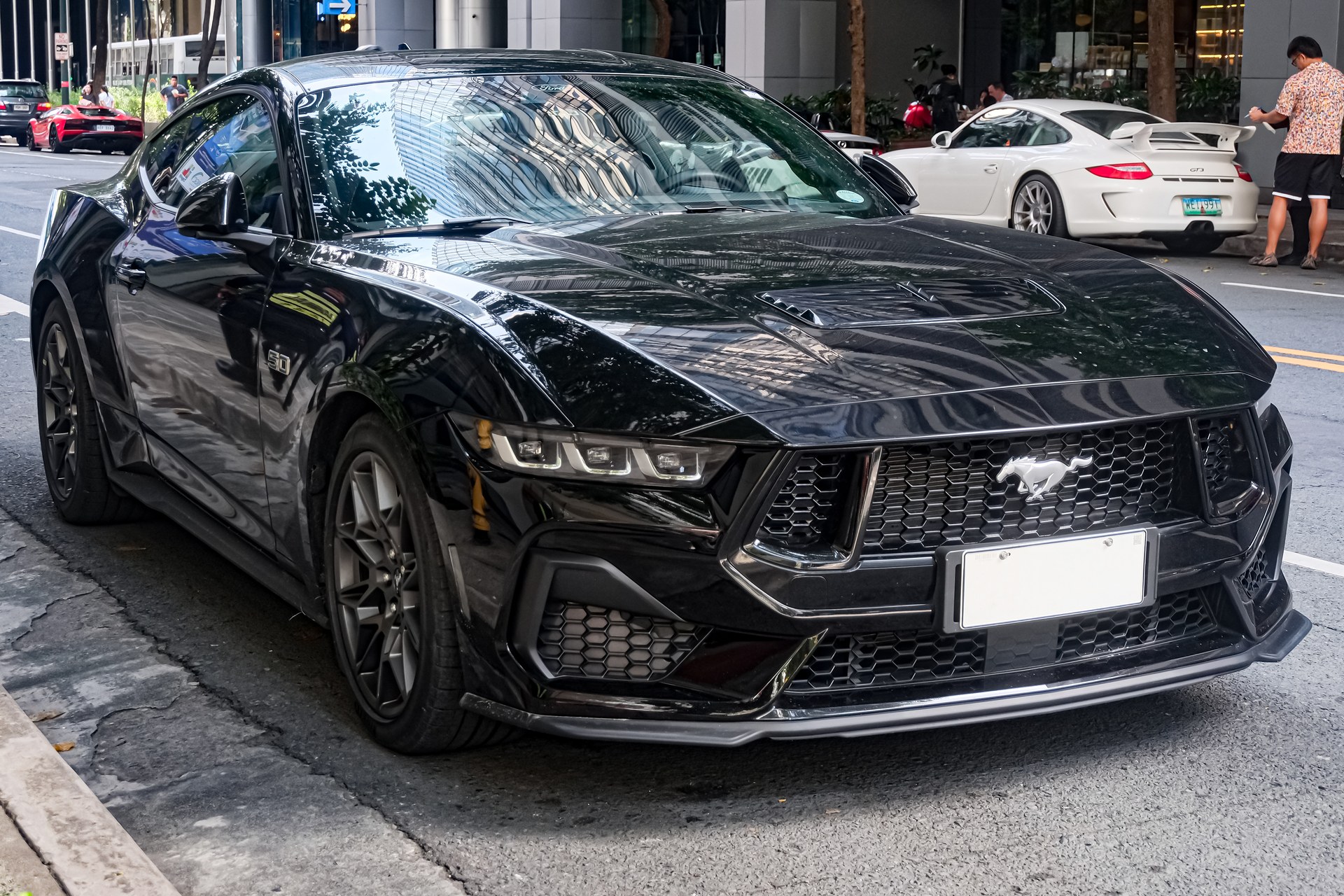
Ford Reportedly Showed Dealers a Four-Door Mustang
At a dealer meeting in Las Vegas, Ford is said to have put an image of a Mustang sedan on the screen — gas-powered, possibly hybrid, aimed at the Charger, and due before the decade is out.
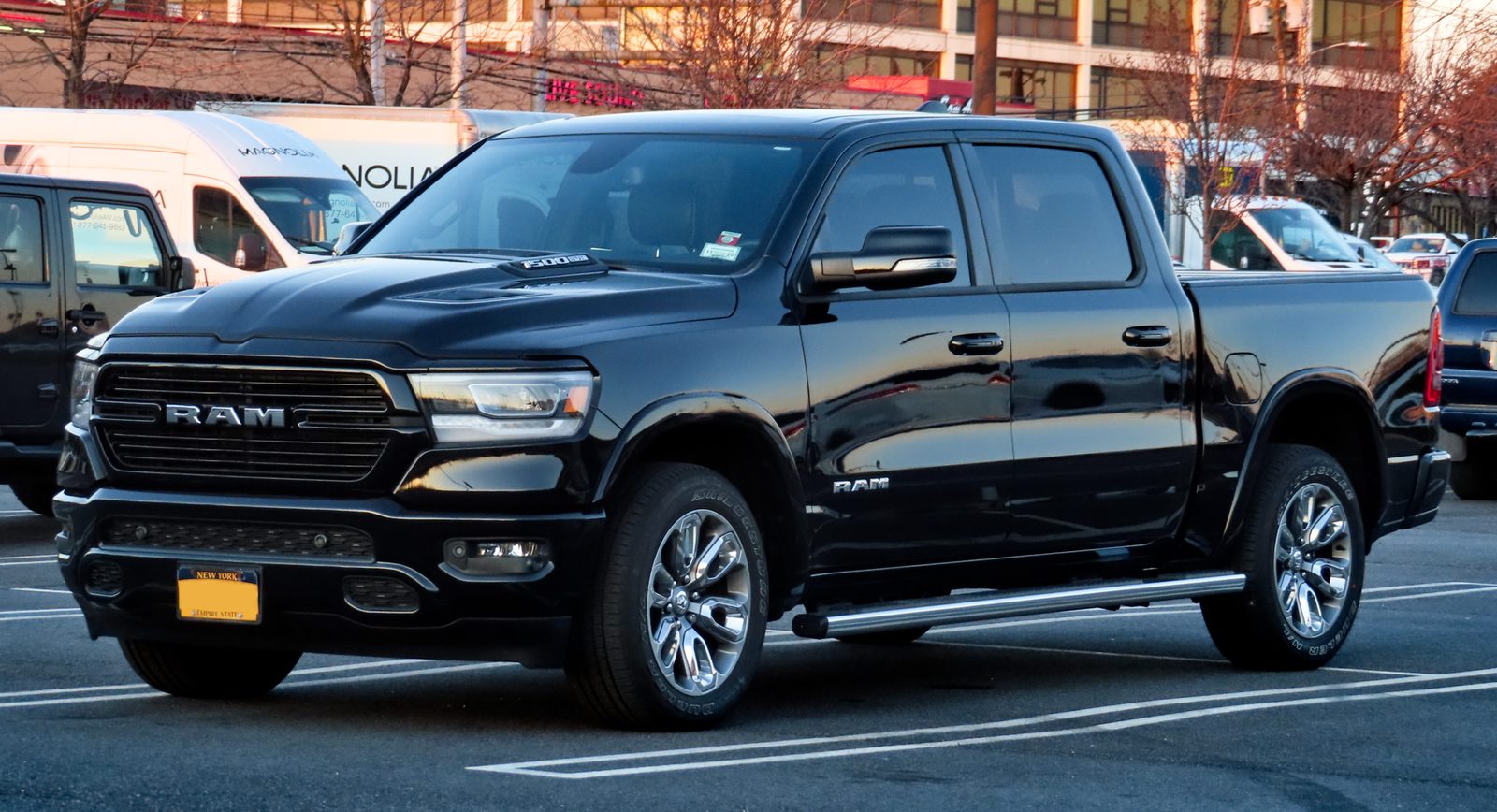
1.27 Million Ram 1500s Recalled Because the Rear Seat Belt Anchors May Never Have Been Attached
Eight model years of Ram's best-selling truck may have second-row buckle anchors that were never properly secured to the body. Until a dealer looks, Stellantis says move rear passengers to the far side.