
You Don't Need a Ferrari. You Need a Story.
The cars that actually hold car culture together aren't the ones worth six figures — they're the ones somebody's kept alive for decades out of pure stubbornness.
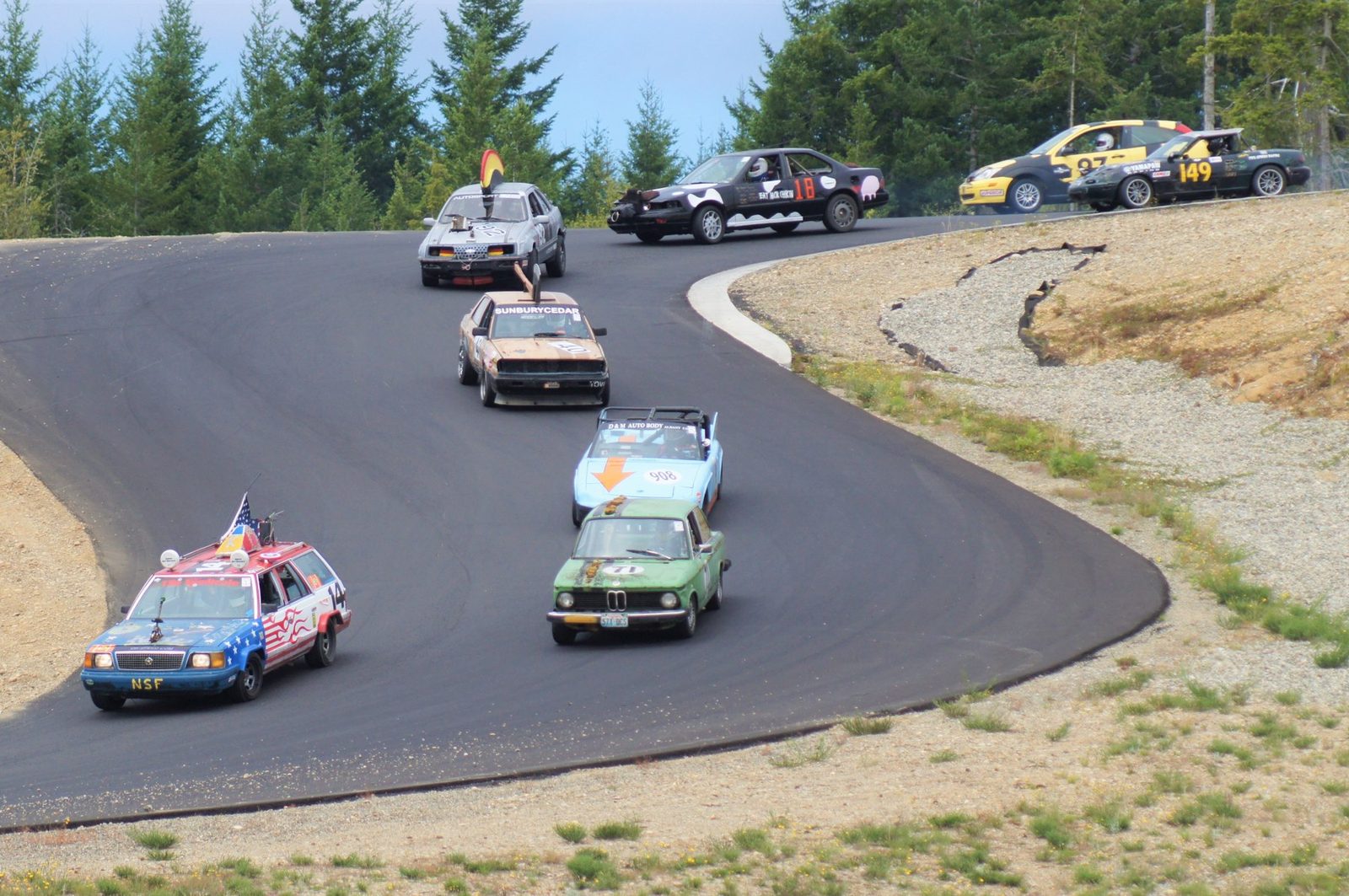
Look at a field of cars entered in the 24 Hours of Lemons and you won't find a single one worth real money. That's the point. Every car in the series is capped at $500, not counting safety gear, and the roster at any given race is a graveyard of stuff nobody was supposed to race — rusted-out wagons with hand-painted flags on the roof, a Volvo with a cow costume welded to the front clip, a BMW 2002 that looks like it lost a fight with a barn. None of it is valuable. All of it has a story, usually one the team will tell you unprompted, in detail, whether you asked or not.
That's really the whole argument. A Ferrari is a beautiful, extraordinary machine, and nobody needs convincing of that. But a Ferrari's story is usually the same story — it's fast, it's rare, it cost what it cost. It doesn't need a community to make it interesting, and it mostly doesn't build one, because ownership of something that valuable tends to be a private experience by necessity. The cars that actually pull strangers together in a parking lot at 7 a.m. are almost never the exotics. They're the cheap, unglamorous, slightly broken ones that somebody has decided, for reasons that don't fully make financial sense, to keep alive.
That's exactly the gap Radwood was built to fill. When Art Cervantes and Warren Madsen started the show in 2017, their reasoning was straightforward: there was already a huge scene built around pre-1975 classics and another one built around modern exotics, and nothing in between for the cars that were actually attainable and actually remembered by the people who'd want to go look at them. The first Radwood, in a South San Francisco marina, drew 150 cars. It wasn't a Countach or a Diablo pulling that crowd — it was Fox-body Mustangs, Miatas, minivans, anything that looked like 1987 or 1994. The show has since gone international and joined the Hagerty umbrella, on the strength of exactly that idea: the car doesn't need to be rare. It needs to mean something to the person who kept it.
We've run into this same pattern constantly covering real people's cars instead of press-fleet loaners. A 1989 Volvo 240 wagon with 37 years on it and an Instagram account documenting tire dressing and rainy commutes. A quad-rotor RX-7 that started as an 18-year-old's stock twin-turbo FD and turned into a seven-year science project. A grassroots drift series built around teams of three or more cars, explicitly modeled on rekindling the sport's roots rather than chasing the sponsor money that's reshaped professional drifting. None of these cars are worth what a Ferrari is worth. All of them are worth writing about, because somebody can tell you exactly why they matter.
That's the actual center of gravity in car culture — not the cars worth the most, but the ones with the most behind them. Anyone can appreciate a Ferrari from across a rope line. It takes an actual relationship with a car — years of parts runs, rust repair, and stubborn refusal to let it go to the scrapyard — to make people want to stand around it and ask questions. That's a story a $500 wagon can tell just as well as anything with a prancing horse on the hood, and it's usually the more interesting one.
For the First Time, All 20 BMW Art Cars Are Under One Roof in Munich
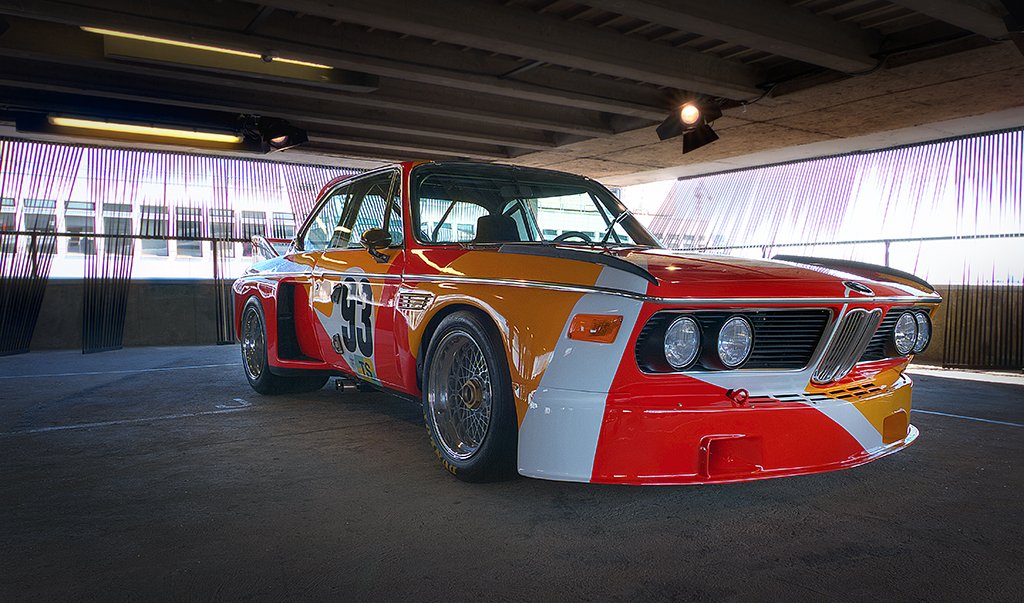
A free exhibition at BMW Welt brings together five decades of the automaker's Art Car program, from Alexander Calder's 1975 Le Mans racer to Julie Mehretu's 2024 hypercar.
RADwood Brings Its '80s and '90s Car Show Back to Tacoma, This Time Free to Spectators
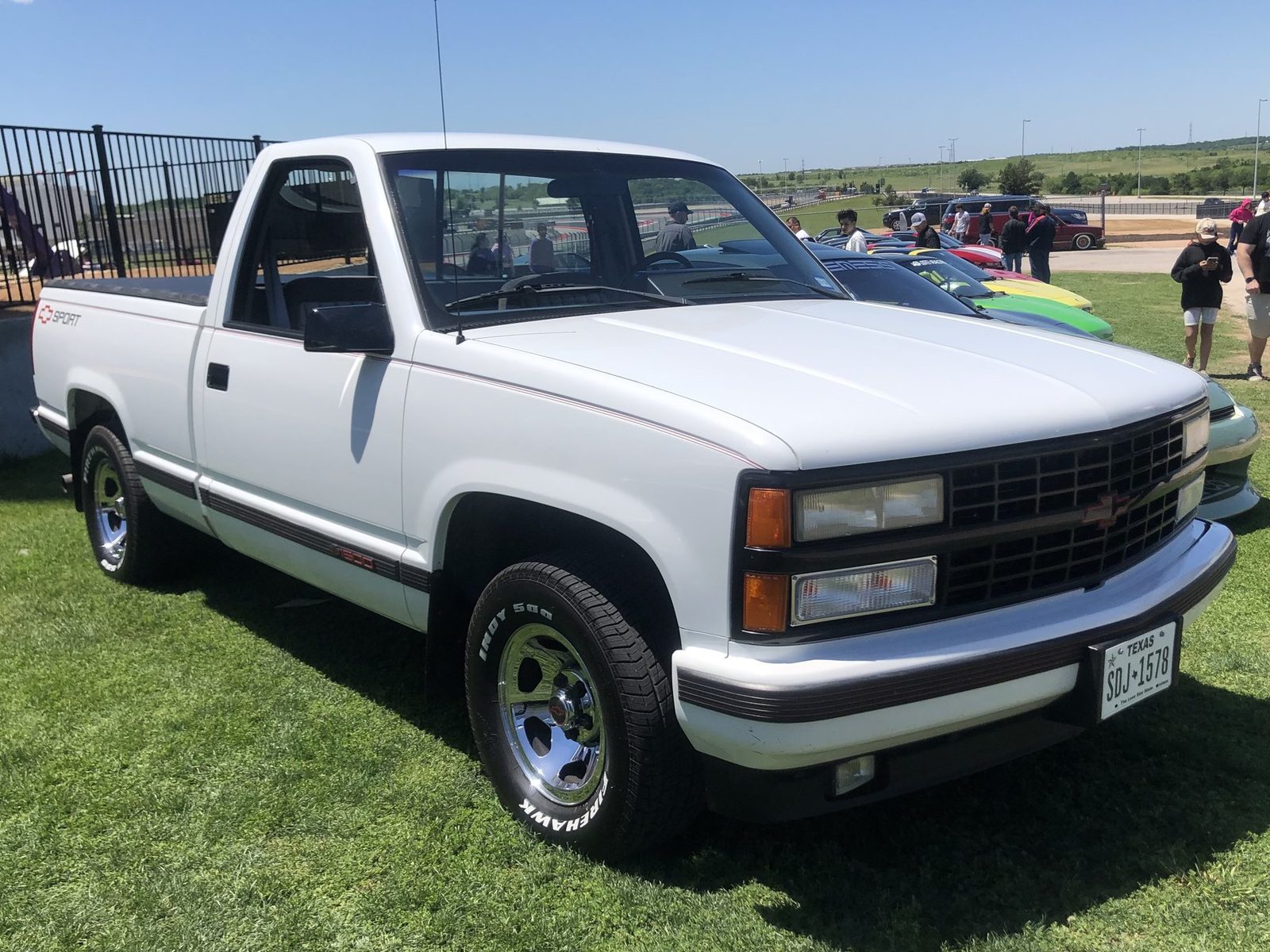
The traveling nostalgia show that turned Fox-body Mustangs and Radwood-era Japanese coupes into concours material returned to Griot's Garage in Tacoma on July 18, with Hagerty video host Jason Cammisa as the marquee guest.
Lamborghini Will Gather Over 40 Miuras on Pebble Beach's 3rd Fairway for the Car's 60th Birthday
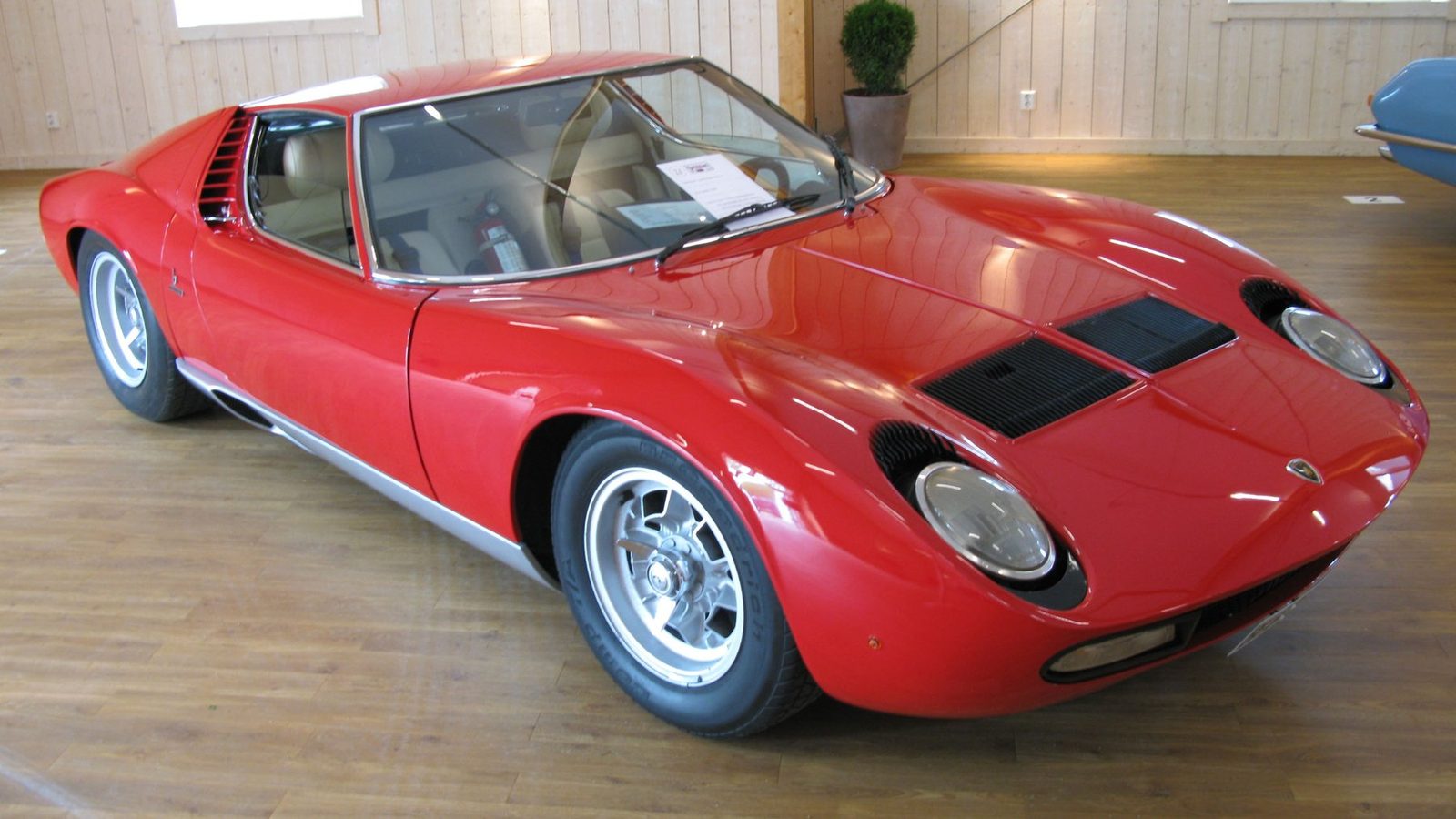
For the first time in the Concours d'Elegance's history, a fairway at Pebble Beach Golf Links will be opened to a single-marque tribute, as Lamborghini assembles what it calls the largest gathering of Miuras ever staged.