
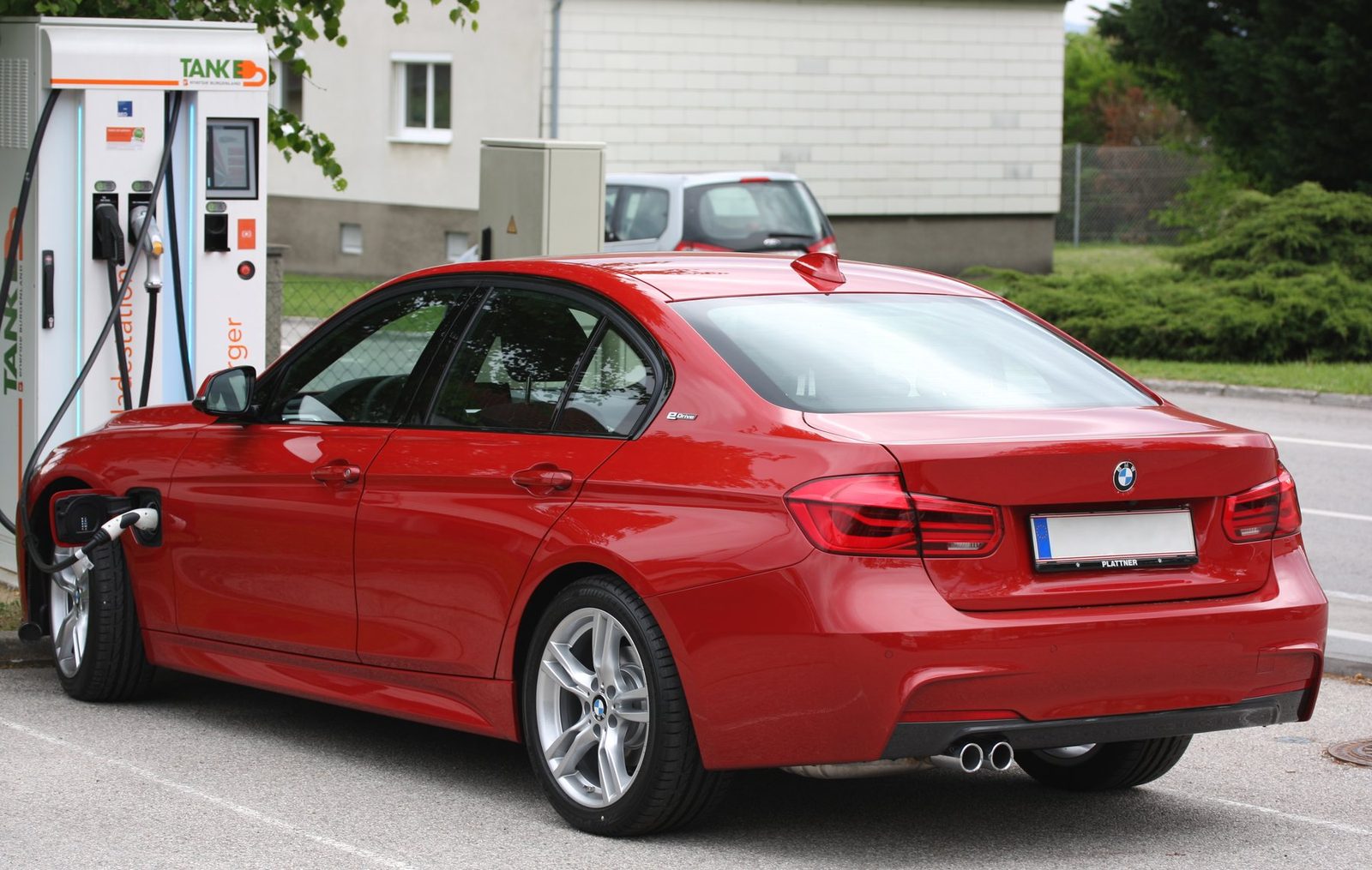
BMW Recalls 29,119 Plug-In Hybrid Sedans Over Starter Fire Risk
A corroded starter relay in the 330e, 530e, and 740Le iPerformance sedans can short-circuit and, in rare cases, ignite a fire — even while the car is parked and switched off. BMW is telling owners to park outside until it's fixed.
BMW is recalling 29,119 plug-in hybrid sedans in the United States after determining that water can seep into the engine starter's electrical relay, corrode its internals, and short-circuit — a fault that in rare cases can lead to a fire even when the car is parked with the ignition off. The recall, filed with the National Highway Traffic Safety Administration on July 14, 2026, covers the 330e iPerformance, 530e iPerformance and 530e xDrive iPerformance, and 740Le xDrive iPerformance.
The affected population spans three model families built over roughly a five-year window: 2016-2018 330e iPerformance sedans (F30 chassis), 2018-2020 530e iPerformance and 530e xDrive iPerformance sedans (G30 chassis), and 2017-2019 740Le xDrive iPerformance sedans (G12 chassis). All of them pair BMW's B48 2.0-liter turbocharged four-cylinder engine with a plug-in hybrid system, and all share the same starter design at the center of the recall.
According to BMW and NHTSA, moisture intrusion into the starter's relay allows corrosion to build up over time. If that corrosion progresses far enough, it can create a short circuit that causes the starter to overheat. NHTSA's language on the risk is blunt: "In an extreme case, this could cause a thermal event during vehicle operation or when the vehicle is parked and the ignition is off" — meaning the danger isn't limited to startup or driving, but persists even after the car has been shut down and left unattended.
Because of that, BMW is advising affected owners to change their parking habits immediately, before any dealer visit takes place: park outside and away from structures, rather than in an attached garage or carport, until the repair is completed. It's the kind of interim instruction automakers reserve for defects they consider serious enough that waiting for a scheduled fix carries real risk.
The remedy itself is straightforward. BMW dealers will replace the engine starter with a redesigned unit at no cost to the owner, and customers who already paid out of pocket to fix a related starter problem may be eligible for reimbursement. Owner notification letters are expected to go out around August 28, 2026, at which point affected VINs will also become searchable through both BMW's and NHTSA's recall lookup tools. Owners who want to check sooner can contact BMW customer service at 800-525-7417 or NHTSA's vehicle safety hotline at 888-327-4236.
This is a distinct campaign from other starter-relay recalls BMW has issued in 2026 covering different, non-hybrid model lines — those involve a separate manufacturing defect rather than water intrusion. No crashes or injuries tied to this particular PHEV starter issue had been reported as of the recall filing, but the "thermal event" language and the immediate parking advisory underscore that BMW and regulators are treating the corrosion risk as more than theoretical.
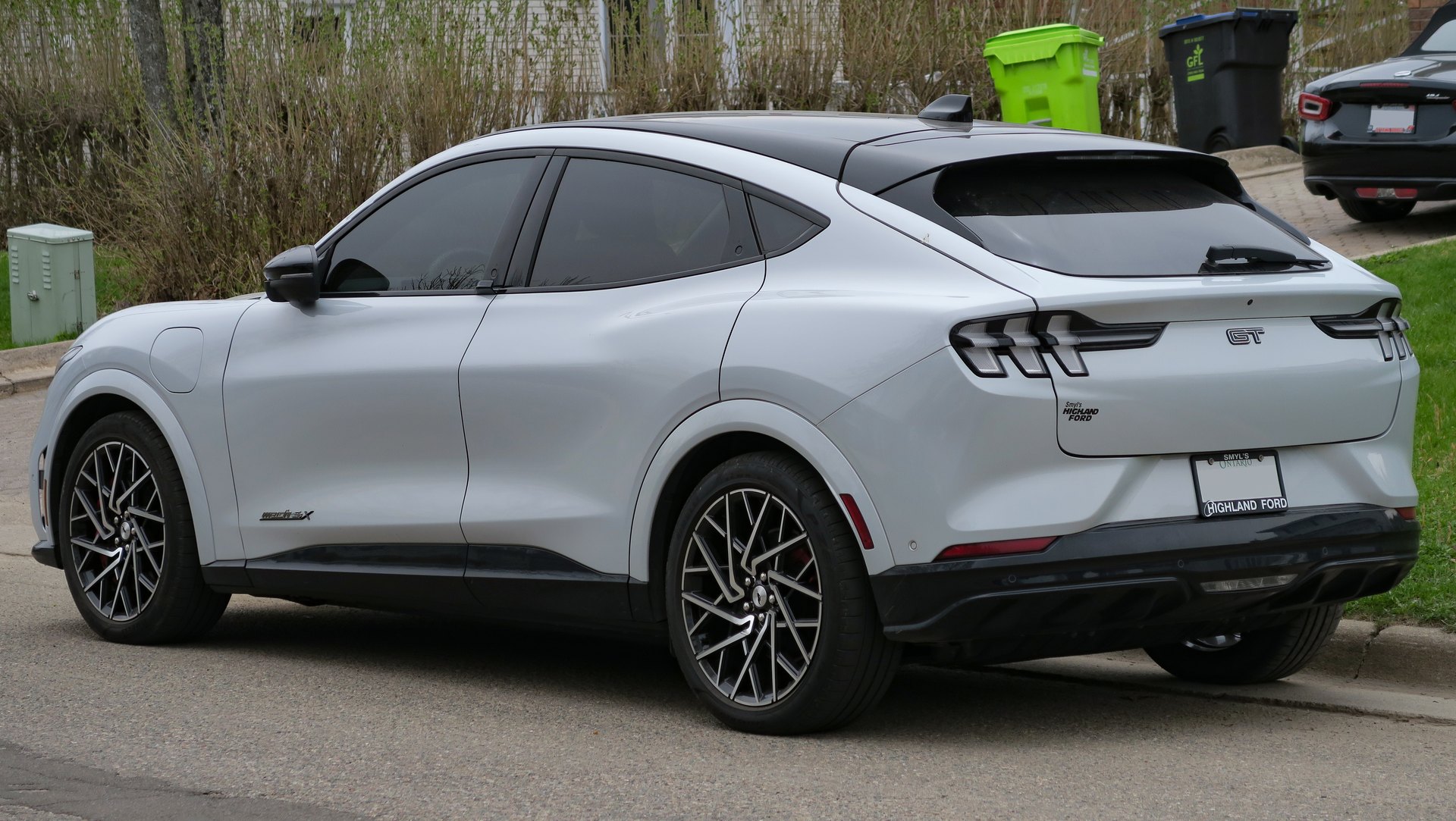
Ford Is Recalling 86,543 Mach-Es Because a Faster Jig Didn't Let the Glue Cure
The rear side quarter window trim on 2023–2025 Mustang Mach-Es can work loose and come off in traffic. Ford traced it to a supplier fixture that cut the installation time — and, with it, the primer's cure time.
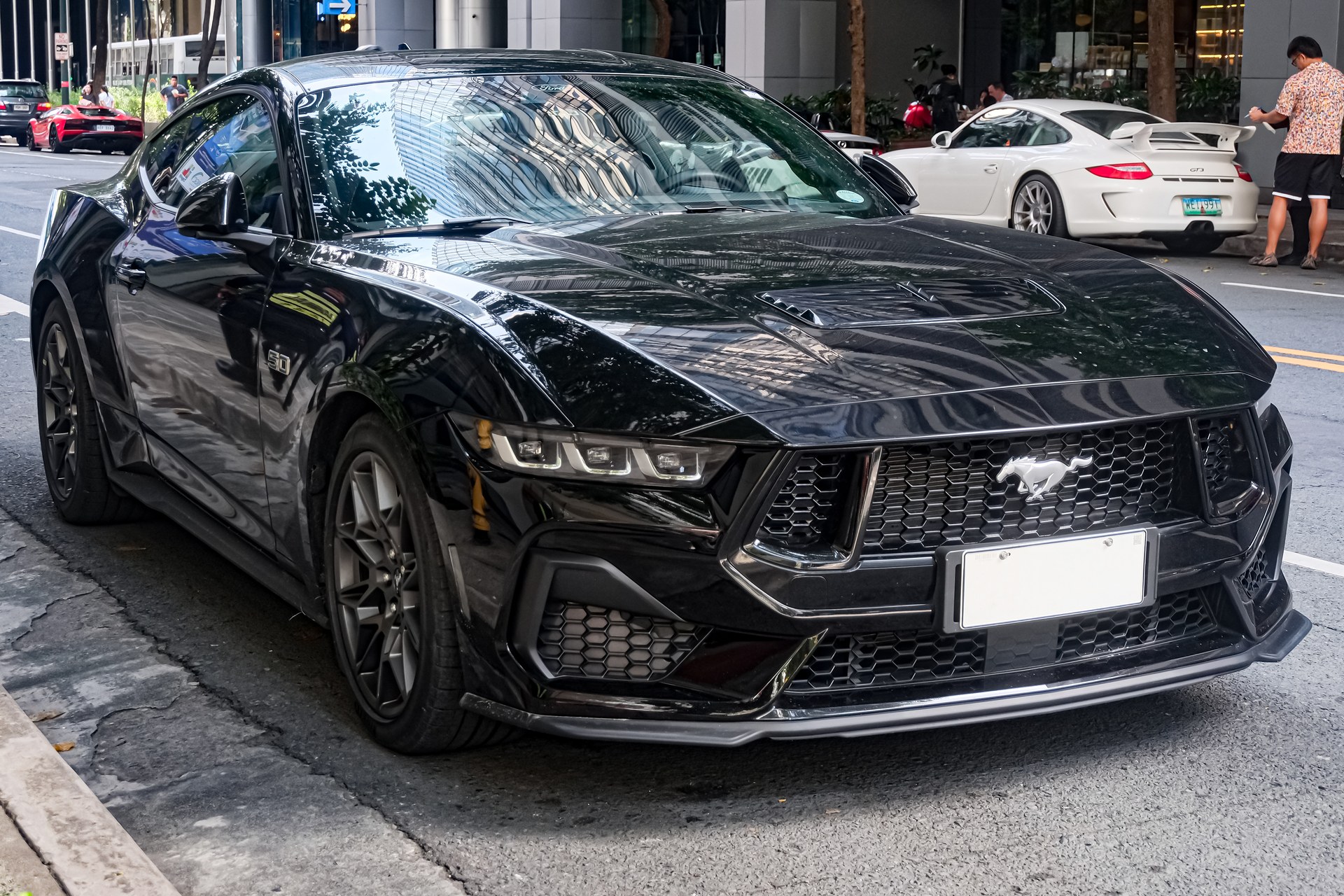
Ford Reportedly Showed Dealers a Four-Door Mustang
At a dealer meeting in Las Vegas, Ford is said to have put an image of a Mustang sedan on the screen — gas-powered, possibly hybrid, aimed at the Charger, and due before the decade is out.
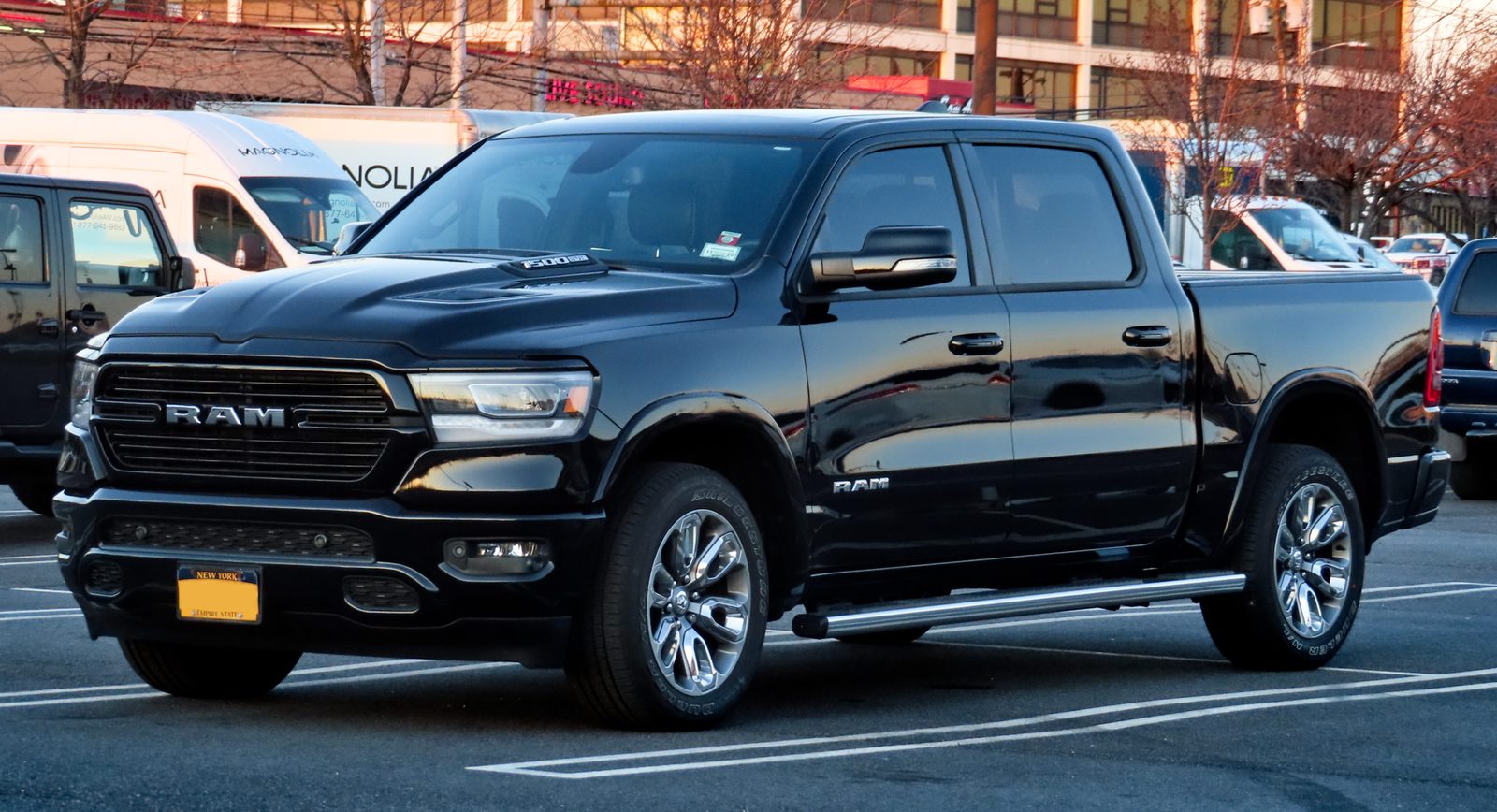
1.27 Million Ram 1500s Recalled Because the Rear Seat Belt Anchors May Never Have Been Attached
Eight model years of Ram's best-selling truck may have second-row buckle anchors that were never properly secured to the body. Until a dealer looks, Stellantis says move rear passengers to the far side.