
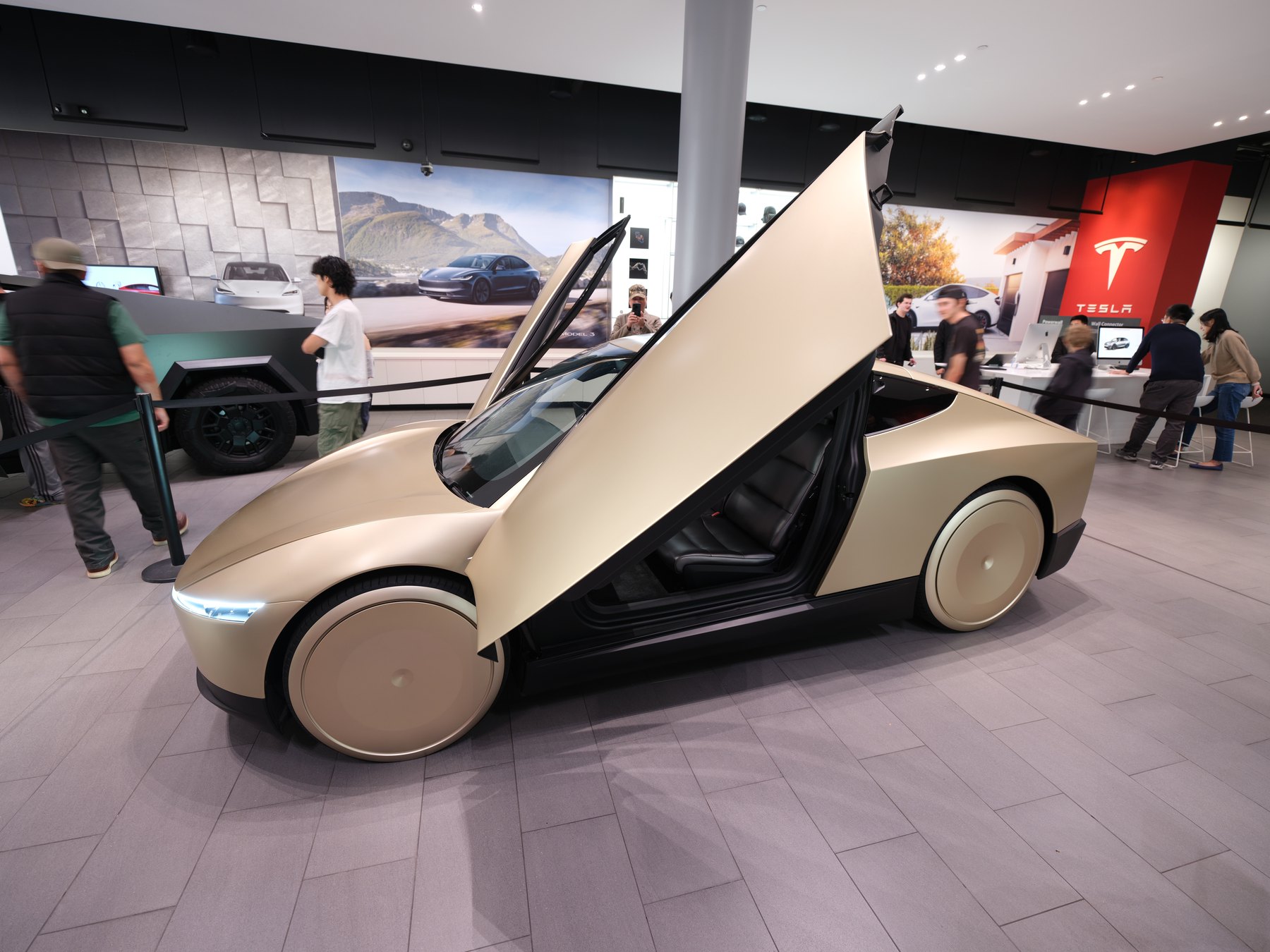
Three Videos and a Complaint: NHTSA Opens a School-Zone File on Tesla's Robotaxis
The federal evidence pile is four incidents, no crashes and no injuries. The question underneath it is bigger than that: whether an automated driving system reliably knows when a school zone is switched on.
- Action
- Defect petition DP26010
- Agency
- NHTSA Office of Defects Investigation
- Petition received
- 23 September 2026
- File opened
- 9 October 2026
- Subject
- 2026 Tesla Robotaxi (Model Y and Cybercab) with the Automated Driving System engaged
- Population
- About 1,000 vehicles
- Allegation
- Exceeding posted limits in active school zones
- Evidence cited
- Three video links in the petition
- NHTSA incident tally
- Four - one ODI complaint plus three from other sources
- Crashes / injuries / deaths
- None recorded
- Statutory clock
- 120 days under 49 CFR Part 552, to roughly 21 January 2027
- Possible outcomes
- Grant (opens a formal defect investigation) or deny
- Related open actions
- AQ26002, opened 3 September 2026, into Cybercab FMVSS self-certification; PE25012, opened 7 October 2025, into FSD traffic-law violations across about 2.88 million vehicles
- Robotaxi cities
- Austin, Dallas, Houston, Miami, Orlando, Tampa, and a safety-driver service in the San Francisco Bay Area
On 9 October, NHTSA's Office of Defects Investigation opened a file numbered DP26010. The subject is the 2026 Tesla Robotaxi — the Model Y and the Cybercab — running with its Automated Driving System engaged, and the allegation is that it drives faster than the posted limit through active school zones.
A petition is not a finding. It is a question the agency now has to answer in writing, with a deadline attached.
The evidence behind it is thin, and the agency says so plainly. A member of the public filed the petition on 23 September with three links to video footage. NHTSA's own tally lists four incidents in total: one complaint filed with ODI, and three from other sources, which the agency describes as social media reports included in the petition itself. No crashes. No injuries. No deaths. The population covered is roughly 1,000 vehicles.
It is worth being precise about what this is, because the word 'investigation' gets attached to it loosely. A defect petition is the first rung on NHTSA's ladder and the only one a private citizen can climb onto unassisted. Under 49 CFR Part 552, the agency has 120 days from receipt to either grant the petition or deny it, which puts the decision somewhere around 21 January 2027. Granting it opens a formal defect investigation — a Preliminary Evaluation — and that is the process that can end in a recall. Denying it closes the matter with a published explanation. Neither has happened yet.
What makes the allegation worth more than its four data points is the specific failure it describes. A school zone is not a fixed speed limit; it is a conditional one. The sign says 20 when the beacon is flashing, or between posted hours on school days, and a human driver resolves that condition with a glance at an amber light and a rough sense of the calendar. An automated driving system has to resolve it from map data, a clock, a camera read of a sign, or some combination — and the failure mode is not a crash, it is a car that is technically moving through the zone at the unrestricted limit while children are on the pavement.
That is the kind of defect that produces exactly the evidence profile this petition has: no wreckage, no injury reports, and a handful of phone videos. Speeding through a school zone generates a ticket when a human does it. When nobody is driving, it generates a complaint to a federal agency, because there is no settled answer to who gets the citation.
Tesla's robotaxi service has grown fast enough that the question has stopped being academic. The company runs public service in Austin, Dallas, Houston, Miami, Orlando and Tampa, with a safety-driver operation in the San Francisco Bay Area. In January it began running some Austin rides without a safety monitor in the car — Tesla's self-driving lead described it at the time as a small number of unsupervised vehicles mixed into a fleet that still mostly carried monitors, with the ratio rising over time. The ~1,000-vehicle population in the petition is the scale at which a conditional-speed-limit bug stops being a quirk.
This is also not the only open federal file with Tesla's automated driving in it. On 3 September the agency opened AQ26002, an audit query into how Tesla self-certified the Cybercab — a vehicle with no steering wheel, no pedals and no conventional mirrors — against Federal Motor Vehicle Safety Standards written on the assumption that a human is driving. A year earlier, on 7 October 2025, NHTSA opened PE25012 into Full Self-Driving running red lights and travelling on the wrong side of the road, a probe that covers roughly 2.88 million vehicles and that has since grown in incident count.
Read together, the three actions circle the same problem from different angles: the rules, the enforcement and the certification were all written for a driver who is in the seat and legally answerable. None of them have been rewritten. DP26010 is a small file with a short evidence list, and it might well be denied. But the agency now has to put in writing what it thinks happens when a car with nobody in it rolls through a flashing 20 at 35 — and that answer will matter a great deal more than four videos.
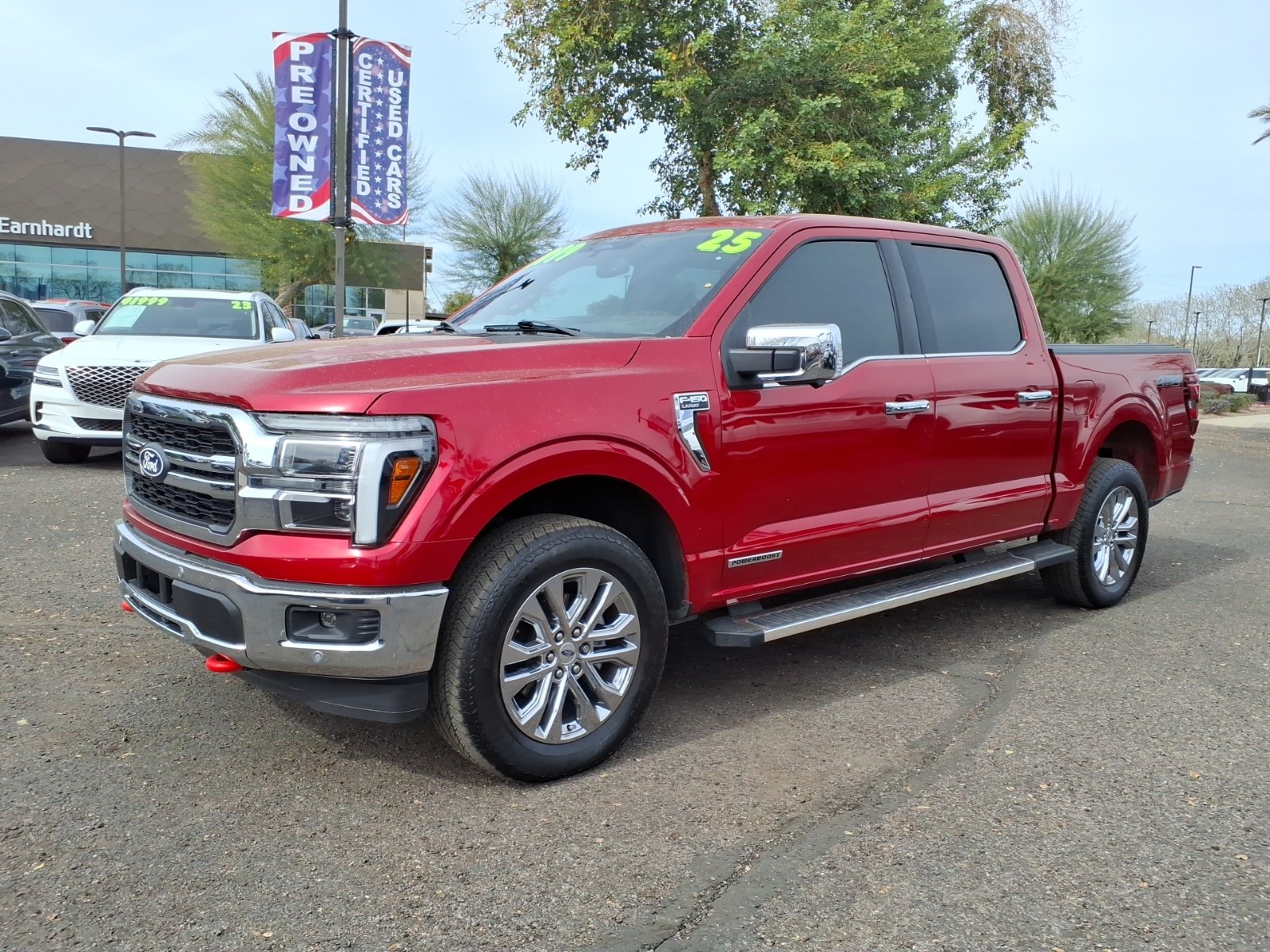
Ford Recalls 2,276 F-150s Because a Repair Was Logged as Finished and Wasn't
The defect is the bolts that hold the front seats to the floor. The chronology is the part worth reading: an operator ran out of cycle time, the line stopped exactly as the protocol says it should, and then somebody ticked the repair off in the tracking system before it had been made.
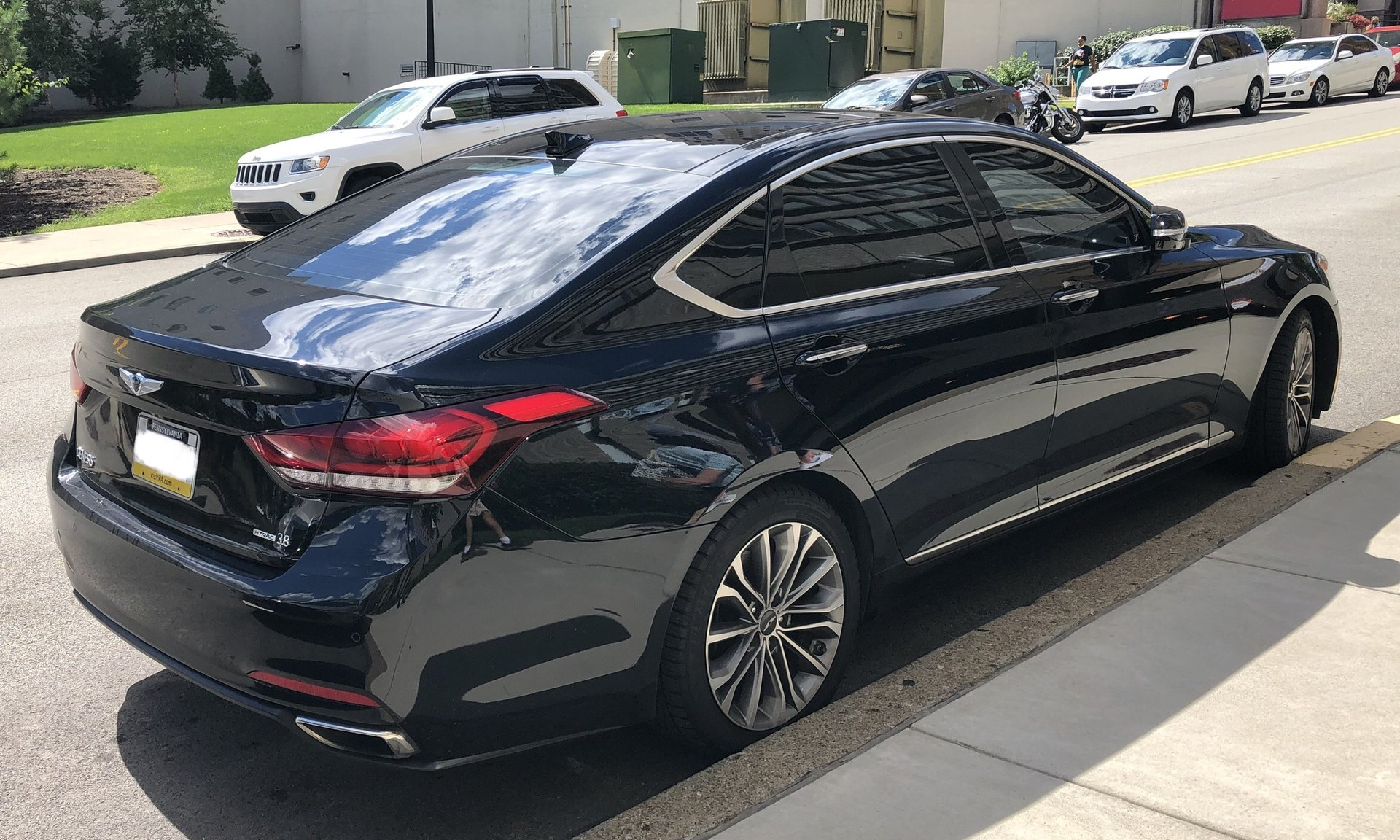
Hyundai Recalls 94,622 Genesis Sedans Over a Seat Switch That Can Get Stuck On
A knock to the power seat switch can leave the adjustment motor running after everyone has got out of the car. Hyundai first heard about it on the last day of 2021. The recall was filed on 8 October 2026, and the fix has not been designed yet.
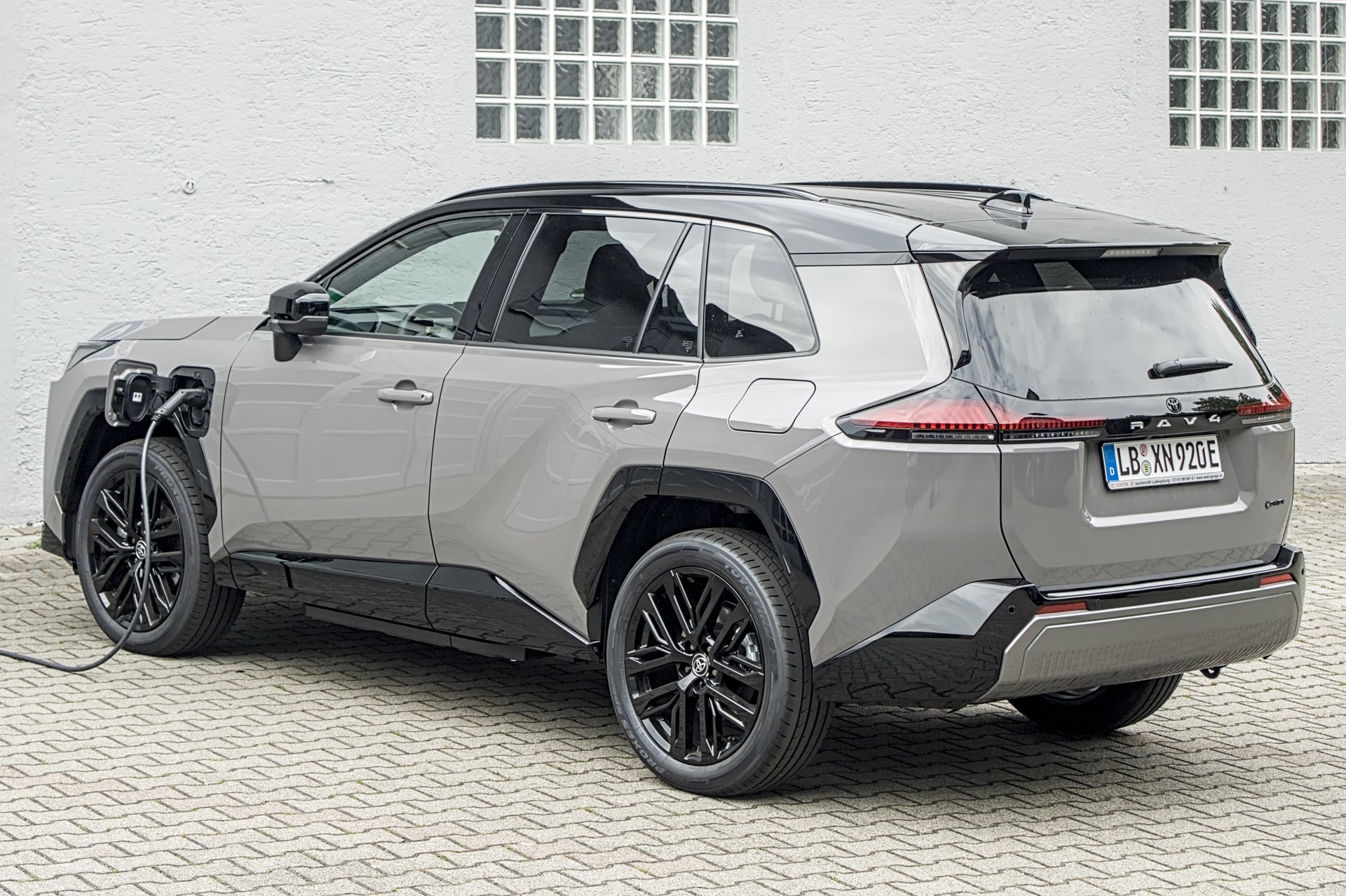
Toyota Recalls 30,978 RAV4 Plug-In Hybrids Over a Motor That Never Finishes Waking Up
A fault in the motor generator ECU's startup routine can leave the high-speed control mode unavailable. Nothing happens at first. The consequence arrives later, at speed, as a limp-home mode or a complete hybrid shutdown.