
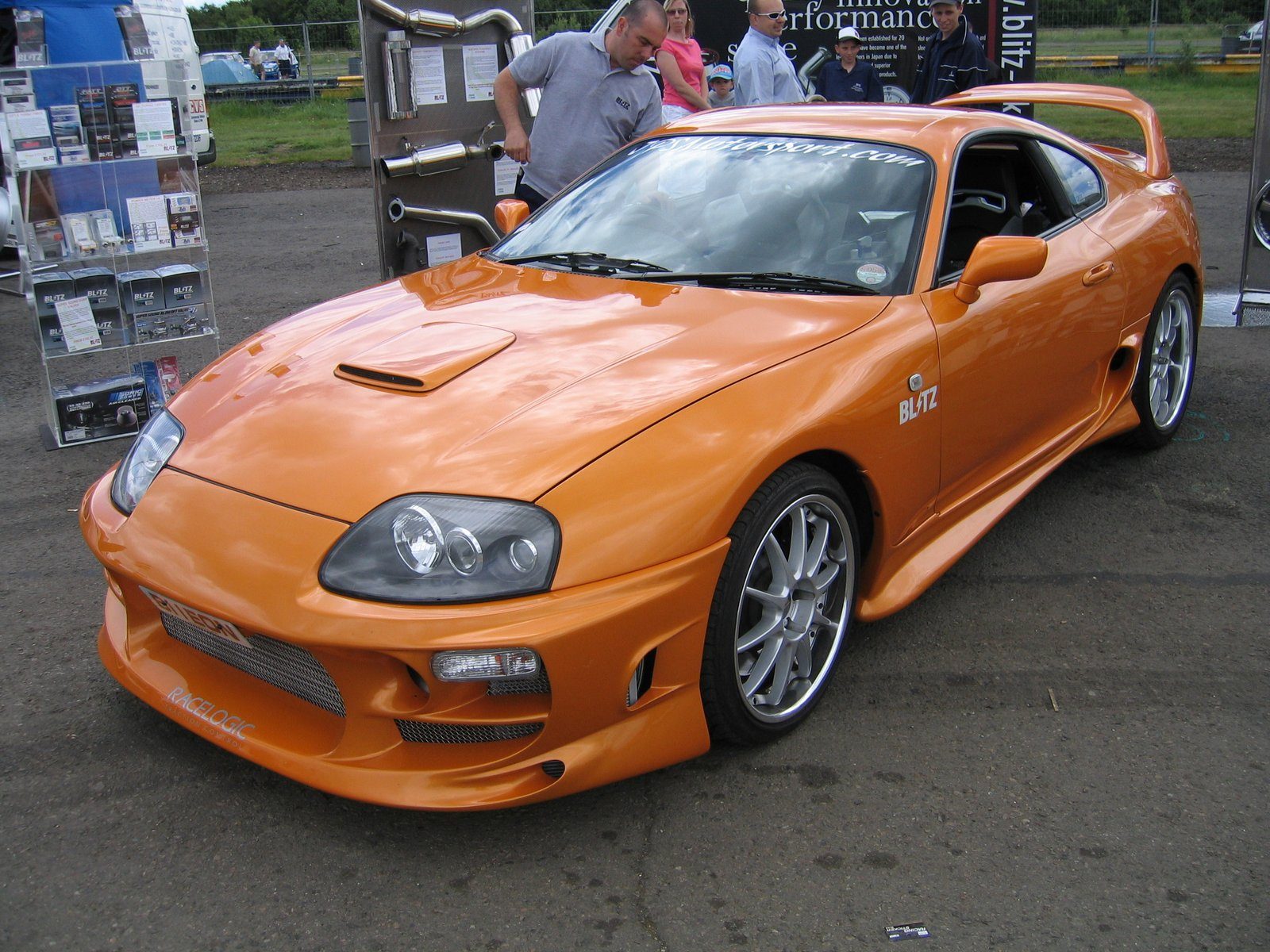
Bomex Made the Bumper on the Most Famous Movie Supra Ever. It Never Actually Went Away.
Alligator Co. built Bomex into one of the defining names in JDM aero through the '90s, from a Tokyo Auto Salon award to Brian O'Connor's Supra. Nearly 35 years later, Bomex Aero is drawing a new generation on Instagram.
Alligator Co. started in 1987 as an anonymous subcontractor — building parts for other people's brands, with no name of its own on anything. That changed in 1992, when it launched Bomex as its own line, and the first car it built a kit for was the Nissan Silvia S13. It was a modest start for a brand that would spend the rest of the decade turning into one of the most recognizable names in Japanese aerodynamic tuning.
The résumé built fast. In 1993, a dual-headlight 300ZX kit won a design award at the Tokyo Auto Salon, still the industry's biggest stage for exactly this kind of work. In 1995, Bomex released the 'Big Mouth' front bumper — aggressive, wide-mouthed, and instantly identifiable, the kind of design that gets copied by cheaper brands for the next decade. By 1996, Bomex was sponsoring RE Amemiya's GT300-class racing program, a partnership that's still running today, and in January 1999 an RE Amemiya car wearing Bomex aero landed on the cover of PlayStation's Option 2, followed by an appearance in Gran Turismo that November.
None of that is what made Bomex a household name outside Japan, though. That happened in 2001, when Brian O'Connor's orange Toyota Supra in The Fast and the Furious rolled out wearing a Bomex front spoiler and side skirts, built by Eddie Paul's Shark Shop in El Segundo alongside a TRD-style hood and an APR wing. It became one of the most recognizable movie cars of the 2000s and introduced an entire generation of mainstream audiences to Japanese aero tuning — most of whom had no idea 'Bomex' was a real company with an S13 Silvia kit and a Tokyo Auto Salon trophy already behind it.
Today, Bomex Aero LLC runs an Instagram account with more than 44,000 followers under the handle @bomexaero — posting archival material like original catalog scans alongside current product, the kind of account that reads less like a brand rebuilding from scratch and more like a legacy manufacturer riding a genuine wave of renewed interest in the exact era it helped define. Alligator Co.'s own materials list well over 400 parts currently in production across the Bomex, Bomex USA, and Bomex Executive lines, plus more than 120 items built under OEM contracts — Bomex never stopped making parts. What's changed is how many people are paying attention again.
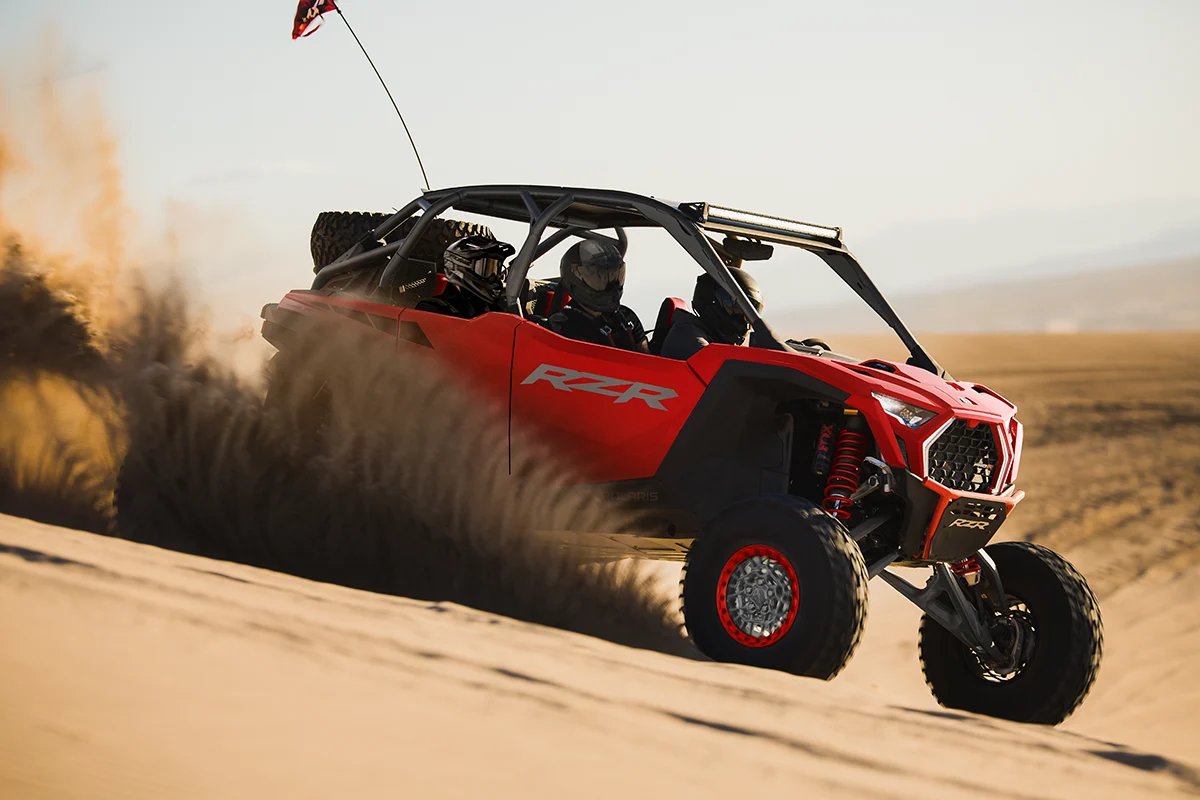
Rockford Fosgate Adds Three Factory-Fit Audio Kits for Polaris RZR and Sportsman
The Tempe, Arizona audio maker rolled out a rear-door speaker upgrade, a boosted subwoofer kit, and a new front-rack system built for Polaris off-road vehicles.
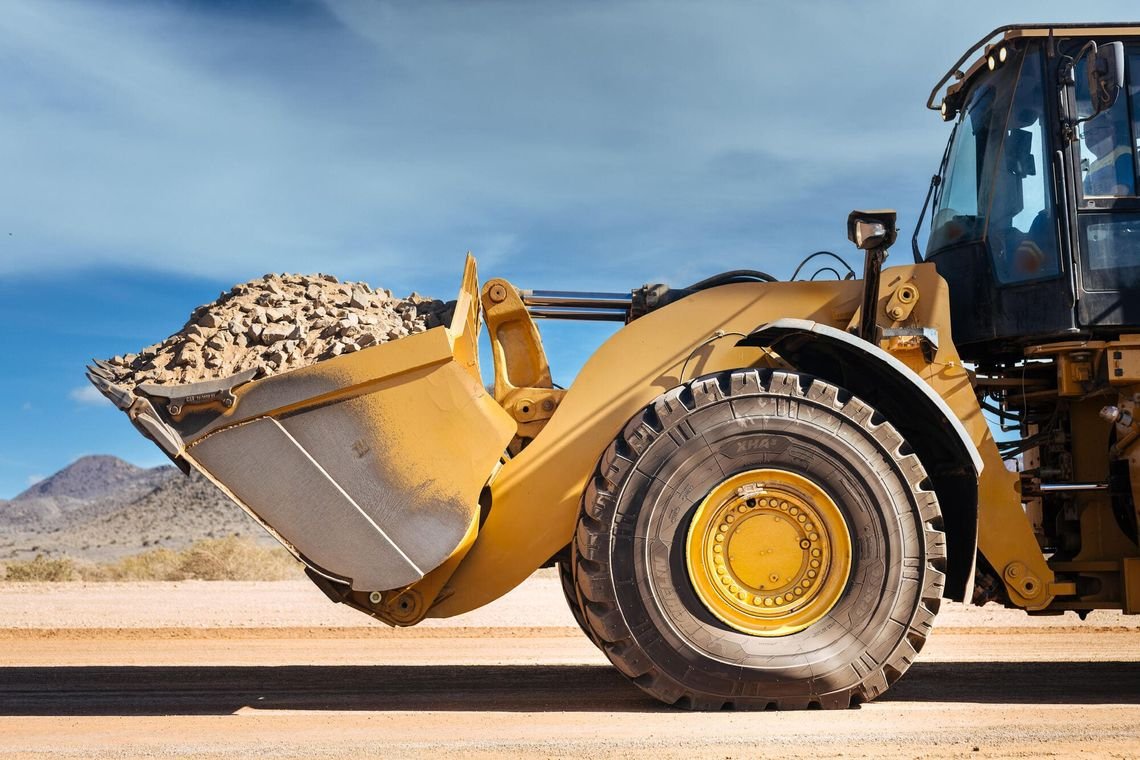
Michelin Launches XHA3 Radial Tire for Loaders, Dump Trucks and Graders
The new construction-equipment tire adds a sensor-free visual inflation indicator and claims up to 20% longer wear life than its predecessor, with U.S. availability beginning this year.
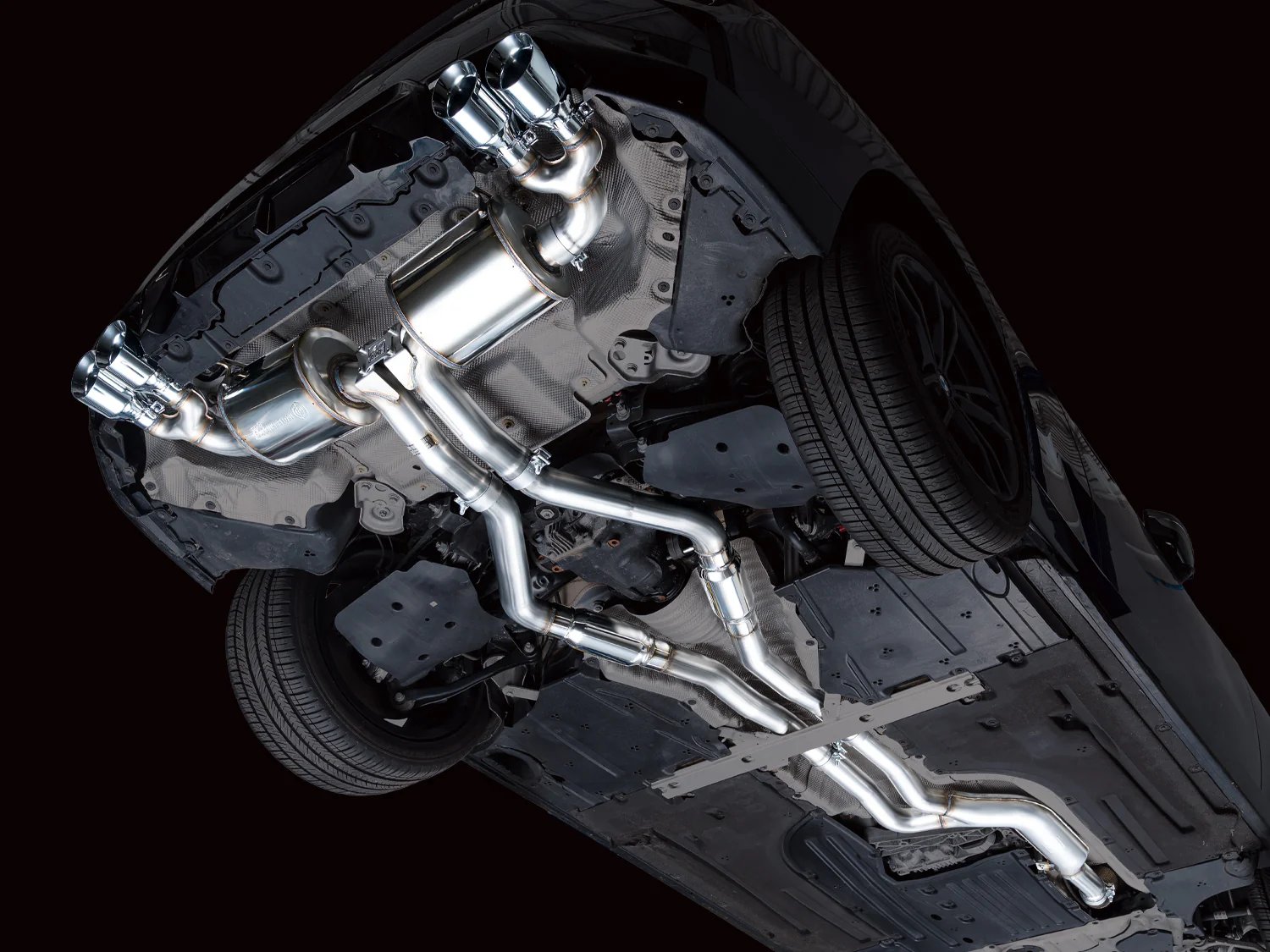
AWE Tuning Launches New Exhaust Suite for the BMW G42 M240i
The Pennsylvania-based exhaust maker says its straight-through 3-inch system frees up 65 percent more flow than stock, with Touring and Track editions built around the B58 inline-six.