
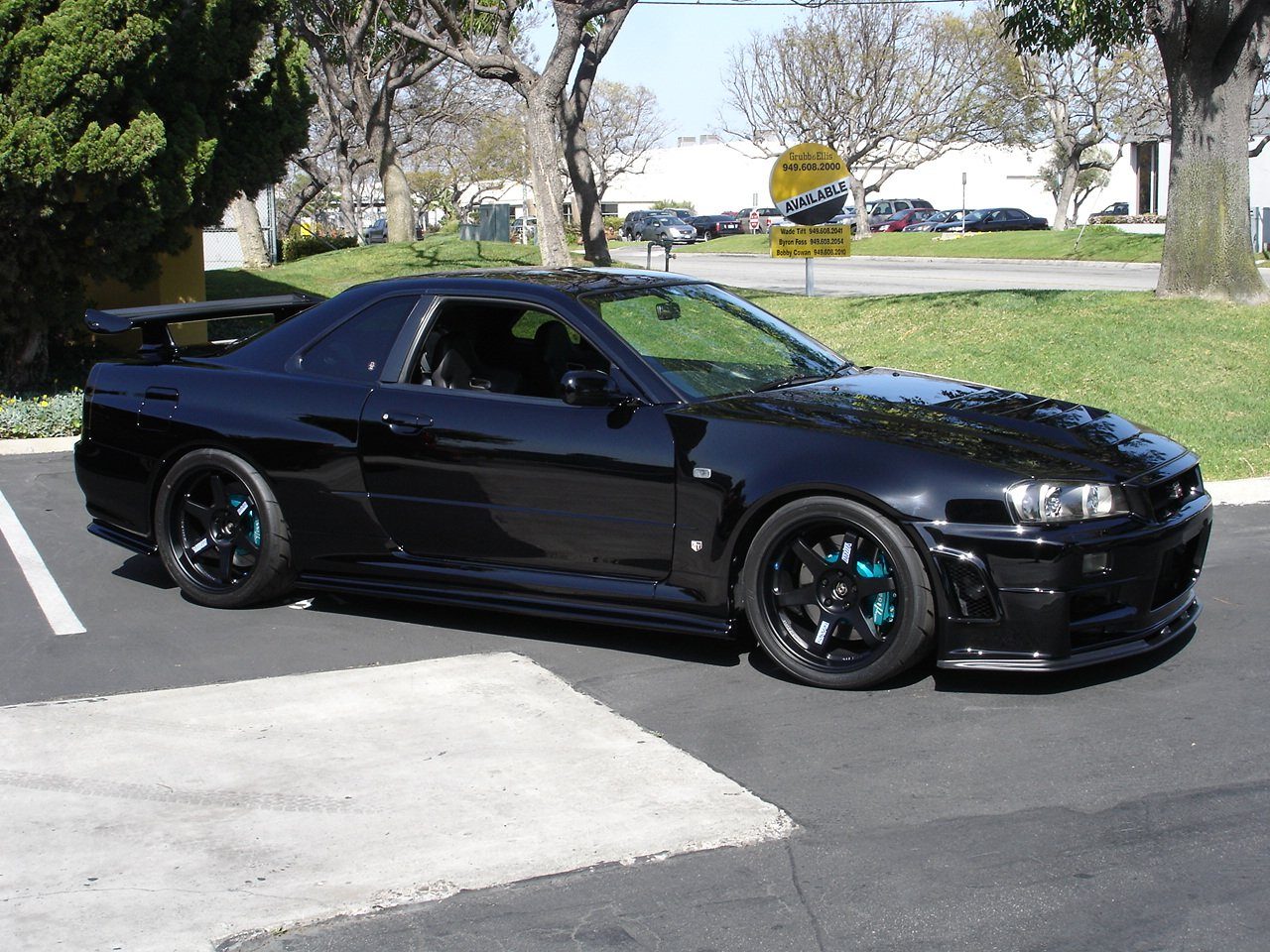
The GT-R Tuner That Never Bothered Chasing Big Horsepower Numbers
Mine's has been quietly refining Nissan's Skyline and GT-R since 1985, and its founder's whole philosophy comes down to one idea: balance beats a bigger number on the dyno sheet.
Mine's doesn't have the name recognition of HKS or Nismo outside of the enthusiast circles that actually track this stuff, which is exactly the point — it's never been a brand built on volume or visibility. Michizo Niikura founded the company in Yokosuka, Kanagawa Prefecture, in 1985, and it drew its first real attention in 1988 with the VX-ROM, a reprogrammed ECU module for the R31 Skyline GT-R. At a time when tuning mostly meant bolt-on hardware, Mine's was one of the first Japanese shops selling the idea that the factory computer itself was a tunable part.
The company built its reputation on the R32 GT-R starting in 1989 and never really left the platform — R32, R33, R34, and eventually the R35 have all passed through Mine's hands, alongside Lancer Evolutions, Impreza WRXs, and Fairlady Zs. What separates Mine's from the tuners chasing four-digit horsepower numbers is a stated philosophy Niikura has repeated in interviews for decades: balance and response over raw output. A Mine's-built GT-R with nearly double the stock power is still built around the idea that the car has to do something useful with that power, not just post a bigger number than the shop down the street.
That restraint is also why Mine's cars show up constantly in Gran Turismo and Forza without most players knowing what they're driving. The company's R34 GT-R N1 Base is generally regarded as its most complete build — exhaust, engine internals, suspension, carbon body panels, all developed in-house rather than assembled from a parts catalog. Four decades in, Mine's is still doing the same thing it did with that first ECU module in 1988: making the car work better as a whole system, not just louder or faster in isolation.
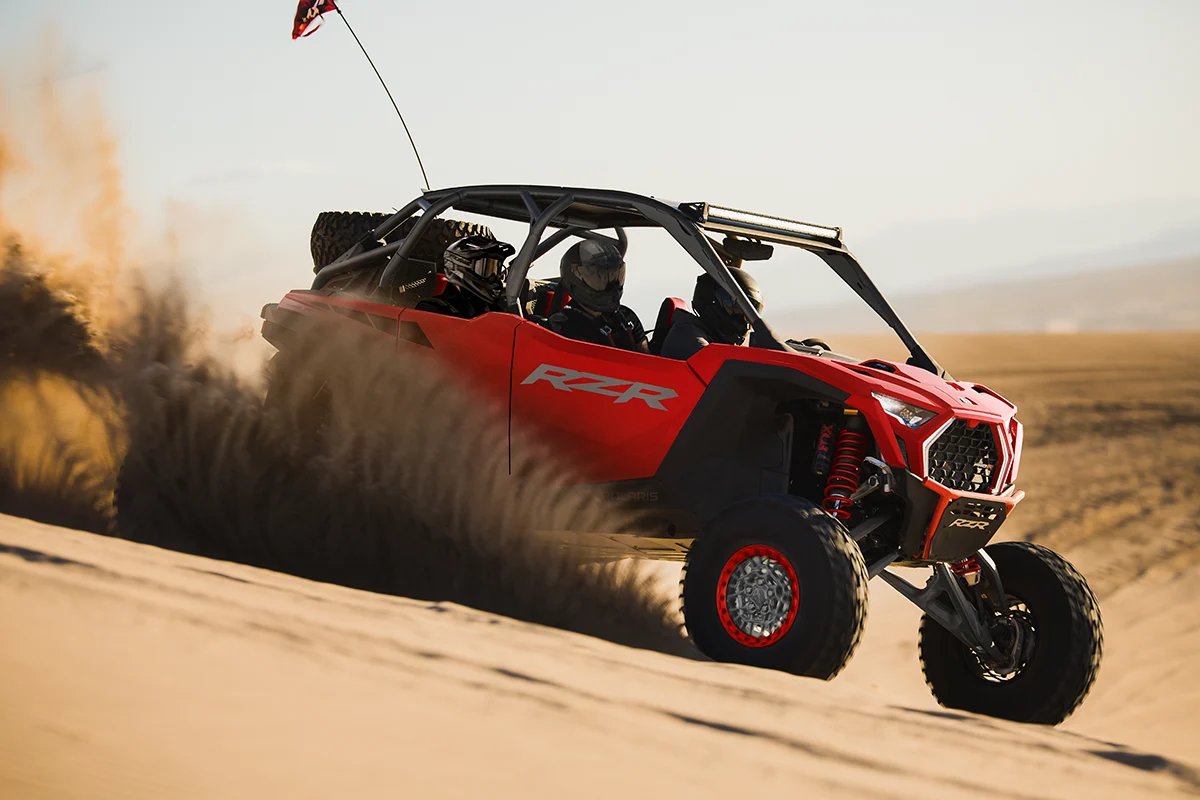
Rockford Fosgate Adds Three Factory-Fit Audio Kits for Polaris RZR and Sportsman
The Tempe, Arizona audio maker rolled out a rear-door speaker upgrade, a boosted subwoofer kit, and a new front-rack system built for Polaris off-road vehicles.
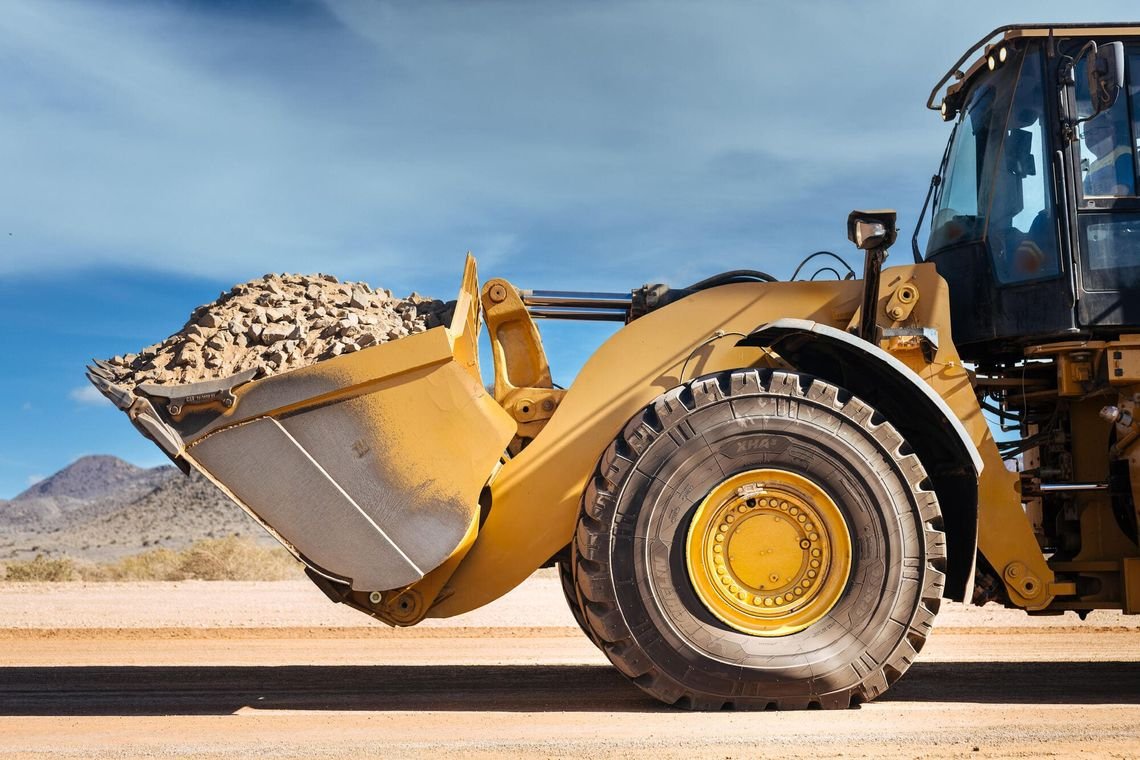
Michelin Launches XHA3 Radial Tire for Loaders, Dump Trucks and Graders
The new construction-equipment tire adds a sensor-free visual inflation indicator and claims up to 20% longer wear life than its predecessor, with U.S. availability beginning this year.
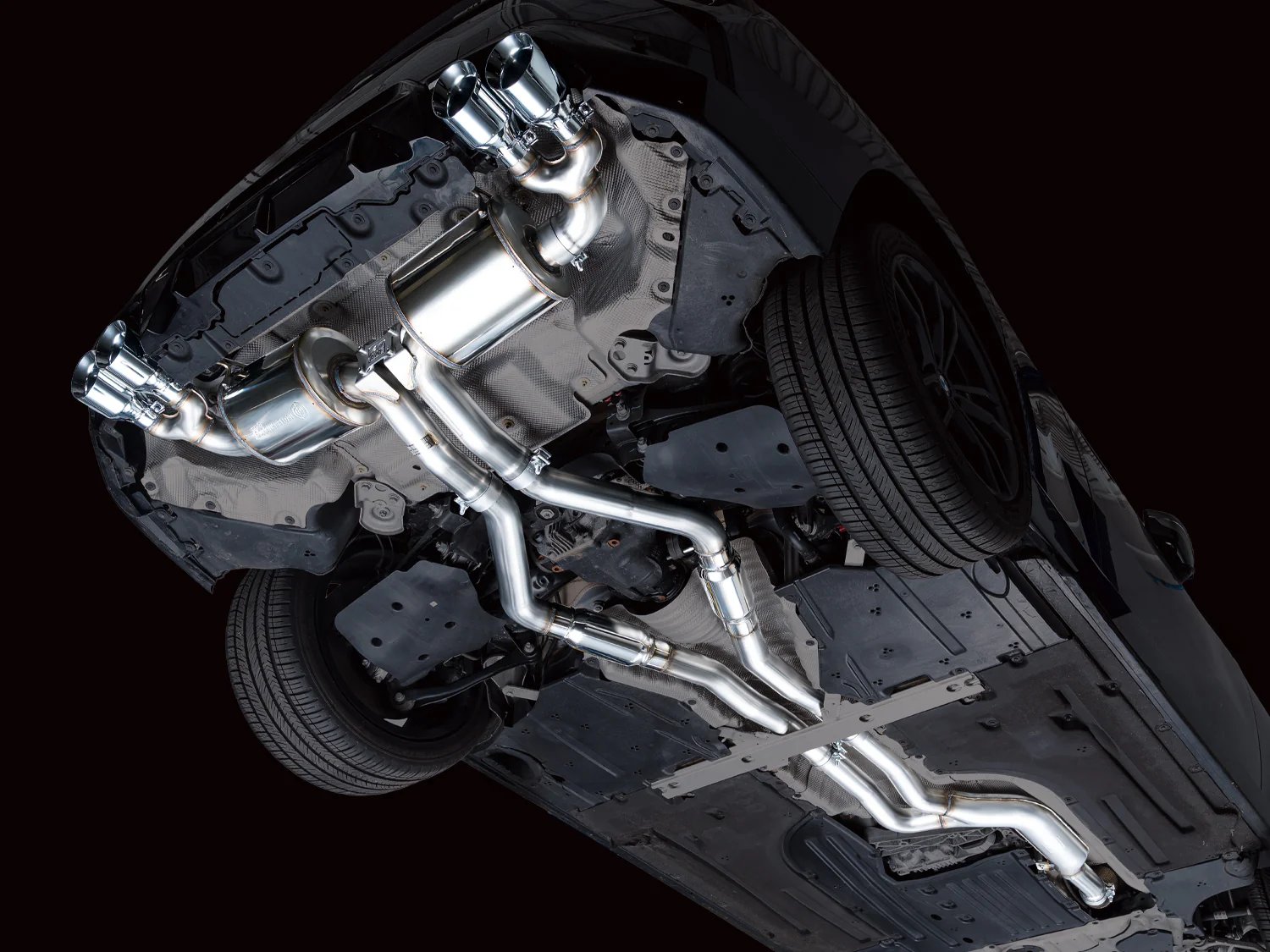
AWE Tuning Launches New Exhaust Suite for the BMW G42 M240i
The Pennsylvania-based exhaust maker says its straight-through 3-inch system frees up 65 percent more flow than stock, with Touring and Track editions built around the B58 inline-six.