
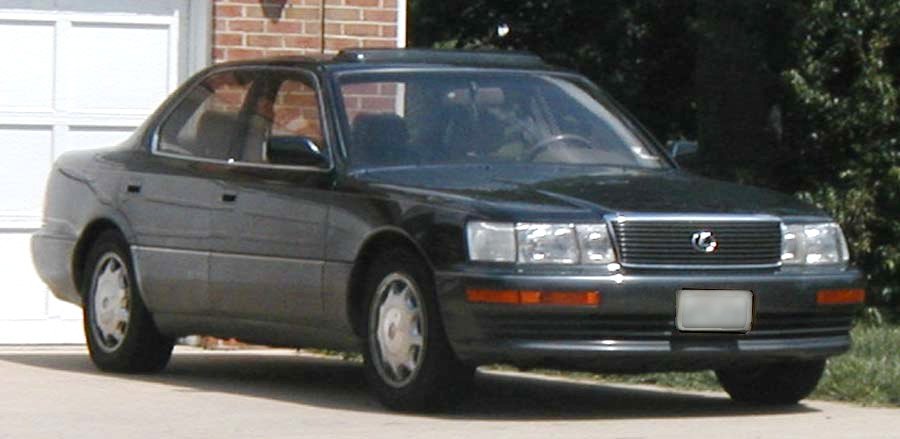
The Brand That Turned Luxury Sedans Into Rolling Living Rooms
Junction Produce didn't set out to build an industry — it made bodykits for its own crew in the early '90s until strangers at car shows started asking to buy them. Now it's the name most associated with Japan's VIP style.
VIP style didn't start with luxury cars. It started with bosozoku and street-gang culture in early-1990s Japan — young guys slamming Toyota Crowns and Mark IIs to the ground on deeply negative-offset wheels, running loud exhaust, and generally building the opposite of what a Crown was designed to be. As that crowd aged into more money, the cars they gravitated toward got more expensive, and the aesthetic that had been built on cheap sedans got refined onto genuine luxury cars — Toyota Century, Nissan Cima, and eventually the Lexus LS400 once it arrived. That refinement is where VIP style as a recognizable movement actually began.
Junction Produce started as a small car team with no commercial ambitions at all — it built bodykits exclusively for its own members, not for sale, because in the early '90s there simply wasn't anyone else customizing Japanese luxury cars this way. That changed once the team started showing up at car shows and meets: people who saw the cars started asking where they could buy the parts. What began as one crew's private aesthetic became one of the defining brands of an entire style.
The company's catalog expanded well past bodykits into wheels, exhausts, lighting, and — most distinctively — interior accessories that have no real equivalent in Western tuning culture: fusa, the decorative tasseled ropes with roots in traditional Japanese aesthetics, hung from rearview mirrors; crystal-accented shift knobs; elaborate rear window curtains; ostrich-leather seat treatments. None of it makes a car faster. All of it is the point — VIP style was never about lap times, it was about turning a Lexus LS400 or a Toyota Crown into a rolling statement of taste, comfort, and status, built one interior panel at a time by a brand that only exists because people kept asking to buy something that was never originally for sale.
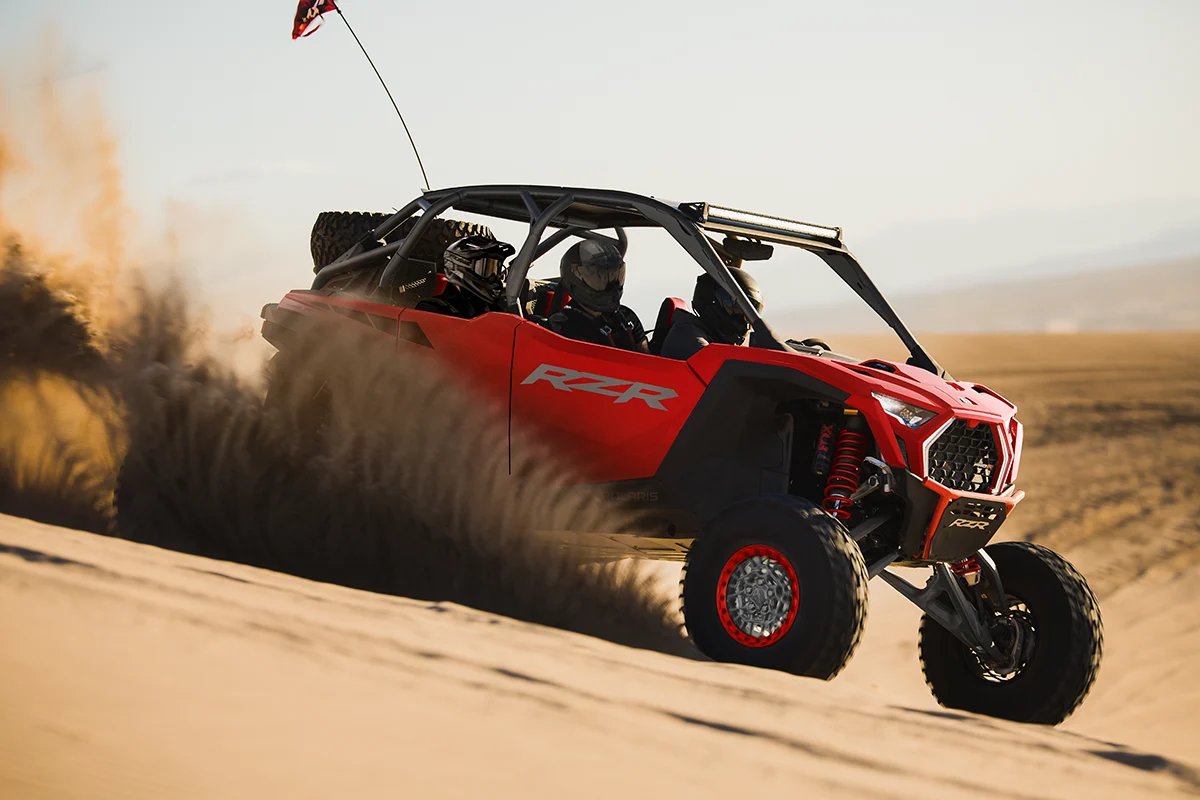
Rockford Fosgate Adds Three Factory-Fit Audio Kits for Polaris RZR and Sportsman
The Tempe, Arizona audio maker rolled out a rear-door speaker upgrade, a boosted subwoofer kit, and a new front-rack system built for Polaris off-road vehicles.
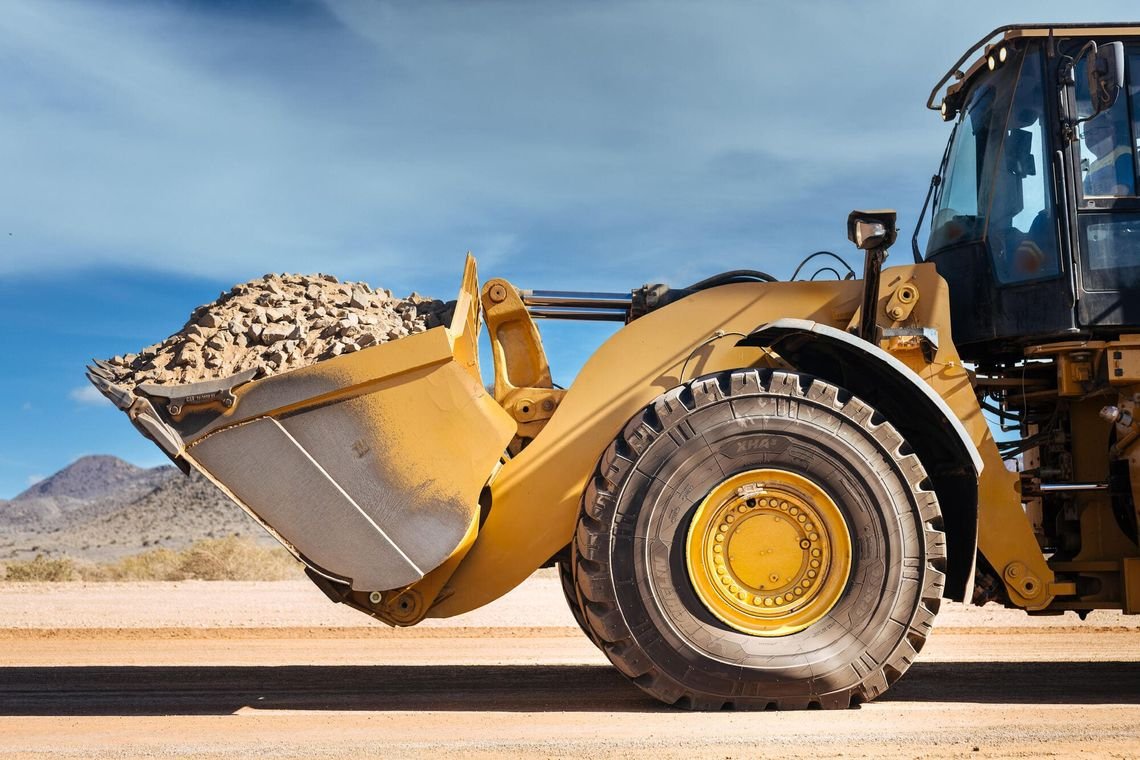
Michelin Launches XHA3 Radial Tire for Loaders, Dump Trucks and Graders
The new construction-equipment tire adds a sensor-free visual inflation indicator and claims up to 20% longer wear life than its predecessor, with U.S. availability beginning this year.
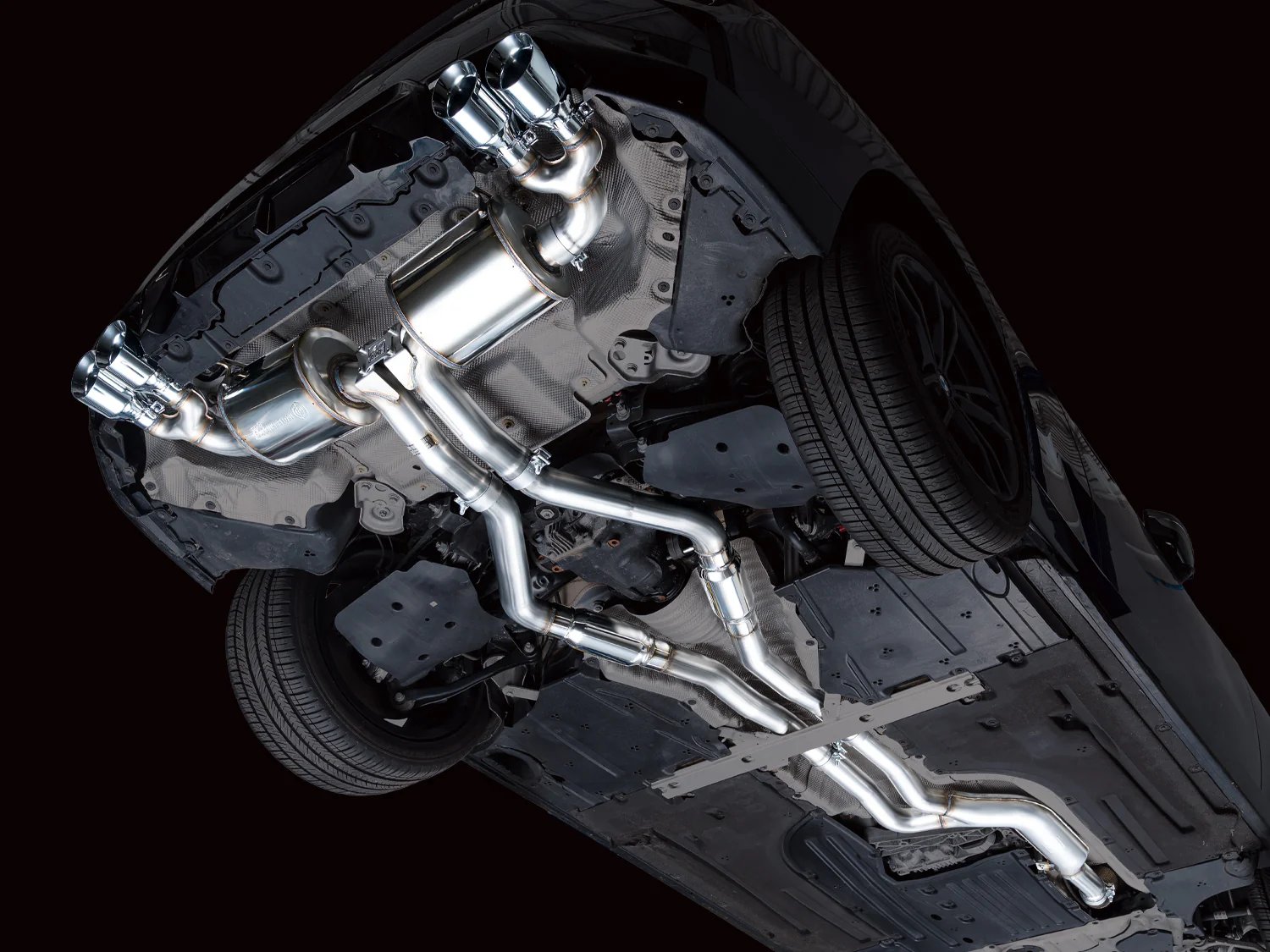
AWE Tuning Launches New Exhaust Suite for the BMW G42 M240i
The Pennsylvania-based exhaust maker says its straight-through 3-inch system frees up 65 percent more flow than stock, with Touring and Track editions built around the B58 inline-six.