
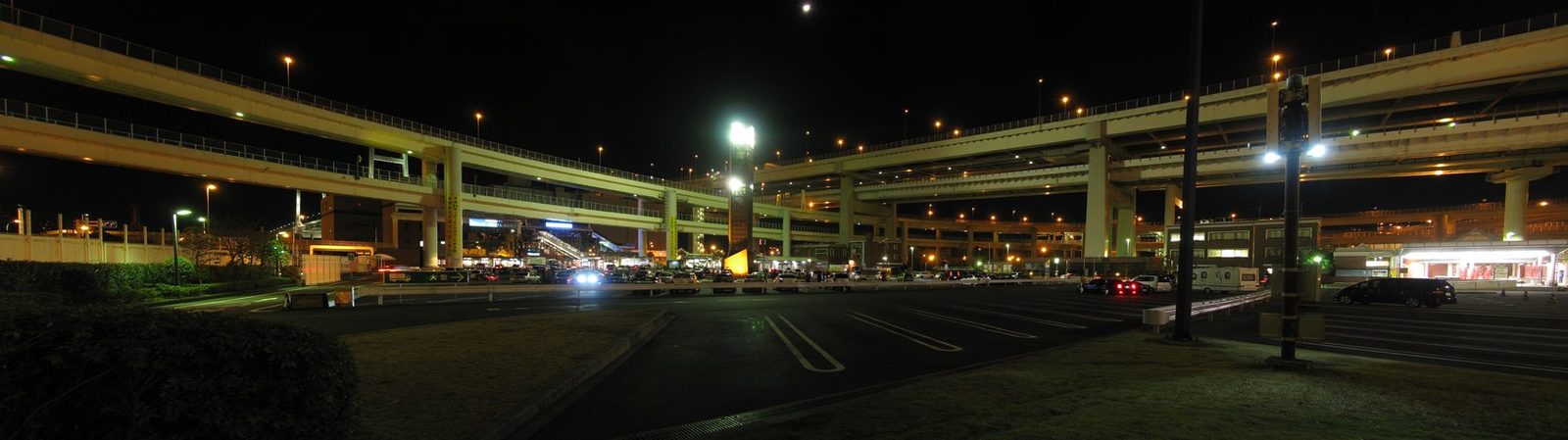
There's No Schedule, No Entry Fee, and No Organizer — It's Just a Highway Rest Stop Where the Cars Show Up
Daikoku Parking Area opened in 1989 as a truckers' rest stop on Yokohama's Bayshore Route. Nobody ever officially decided it should become one of the world's most famous car meets — it just did.
Daikoku Parking Area opened in 1989 alongside the completion of the Yokohama Bay Bridge, built into the Shuto Expressway's Bayshore Route as exactly what its name says: a parking area, a rest stop, a place for truck drivers hauling freight through Kanagawa Prefecture to legally pull over on mandatory breaks. Nothing about its design or its purpose had anything to do with car culture. It's still functionally that today — walk to one end of the lot and you'll find rows of long-haul trucks parked for the night, drivers resting inside their cabs, doing the job the place was actually built for.
It's the other end of the lot that made Daikoku famous, and nobody planned that part either. As Japan's tuning scene exploded in the early 1990s, the Bayshore Route became a favorite late-night route for drivers in Skylines, Supras, RX-7s, and Evos, and Daikoku's size and easy access off the expressway made it a natural place to stop, park, and talk. There was no announcement, no club that founded it, no date anyone can point to as the beginning. Enough cars kept showing up on enough nights that it became the place cars showed up — a self-organizing meet with no organizer, running on nothing but the fact that it had already happened the week before.
What's actually parked there on a given night is deliberately unpredictable, and that's the appeal. Weekend gatherings regularly mix Nissan GT-Rs and Toyota Supras with Ferraris, Lamborghinis, and Porsches, plus a running current of Daikoku's own aesthetic subcultures — bōsōzoku-style builds with towering takeyari exhaust pipes and sharkfin fenders parked a few spaces down from kaidō racers running period-correct 1970s-80s styling with chrome trim and fender mirrors, closer in spirit to old Group 5 race cars than to anything modern. Nobody's checking credentials at the entrance because there is no entrance to check — it's a public parking area, open to literally anyone who drives up.
That openness comes with real, unwritten rules that the regulars enforce socially rather than legally: no burnouts, no rev-battles, no lingering idling near the rest stop buildings, because noise complaints are the single fastest way to bring police down on the whole lot. The truck section stays respected as what it actually is — a legally protected rest area for drivers on the clock, not overflow parking for photo ops. Sunday mornings, when the weather's good, are widely considered the best and calmest time to see the lot at its most photogenic; late nights draw a rowdier crowd and considerably more police attention, which is exactly why serious enthusiasts increasingly steer newcomers toward the daytime hours instead.
More than three decades after it opened as a truck stop, Daikoku still doesn't have a website, a schedule, or anyone in charge of it. It has a reputation that built itself car by car, night by night, entirely because a rest area happened to sit in the right spot on the right stretch of expressway at the exact moment Japan's car culture needed somewhere to gather.
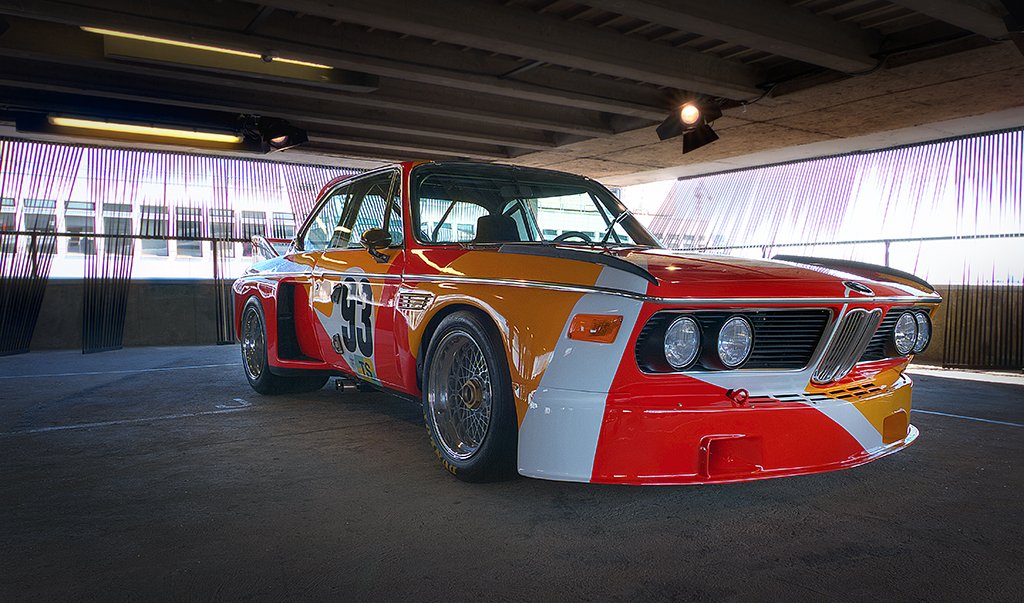
For the First Time, All 20 BMW Art Cars Are Under One Roof in Munich
A free exhibition at BMW Welt brings together five decades of the automaker's Art Car program, from Alexander Calder's 1975 Le Mans racer to Julie Mehretu's 2024 hypercar.
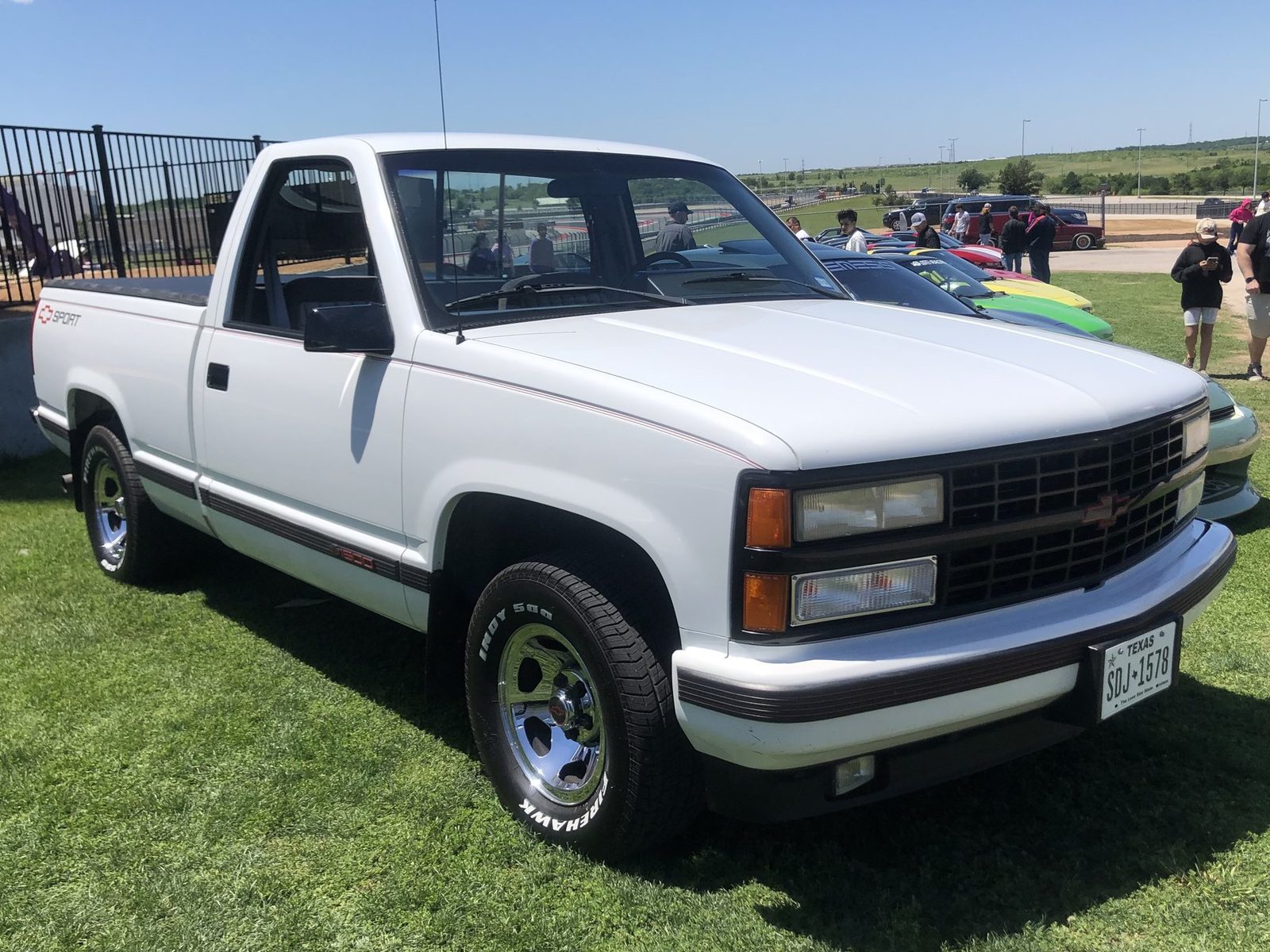
RADwood Brings Its '80s and '90s Car Show Back to Tacoma, This Time Free to Spectators
The traveling nostalgia show that turned Fox-body Mustangs and Radwood-era Japanese coupes into concours material returned to Griot's Garage in Tacoma on July 18, with Hagerty video host Jason Cammisa as the marquee guest.
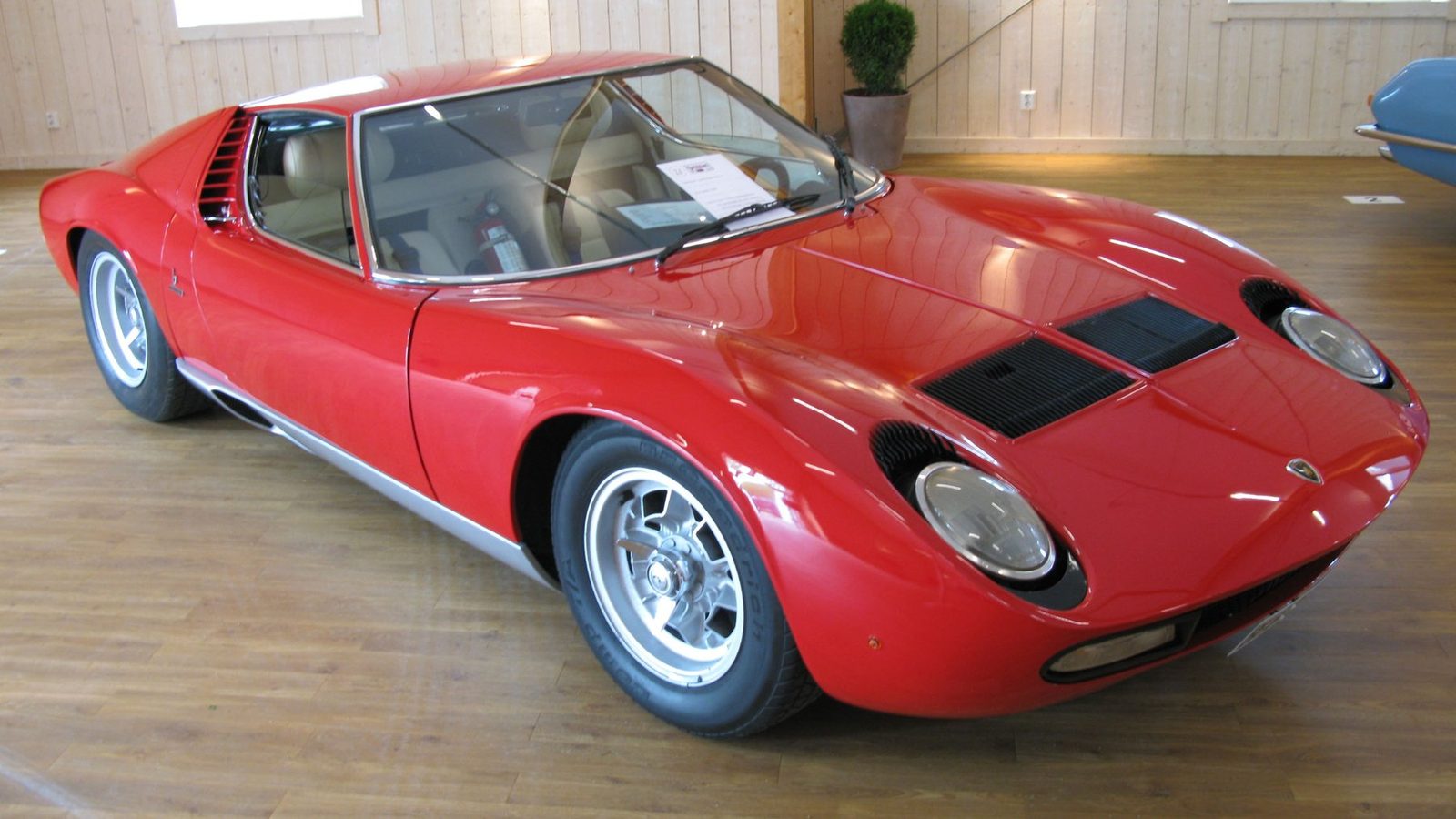
Lamborghini Will Gather Over 40 Miuras on Pebble Beach's 3rd Fairway for the Car's 60th Birthday
For the first time in the Concours d'Elegance's history, a fairway at Pebble Beach Golf Links will be opened to a single-marque tribute, as Lamborghini assembles what it calls the largest gathering of Miuras ever staged.