
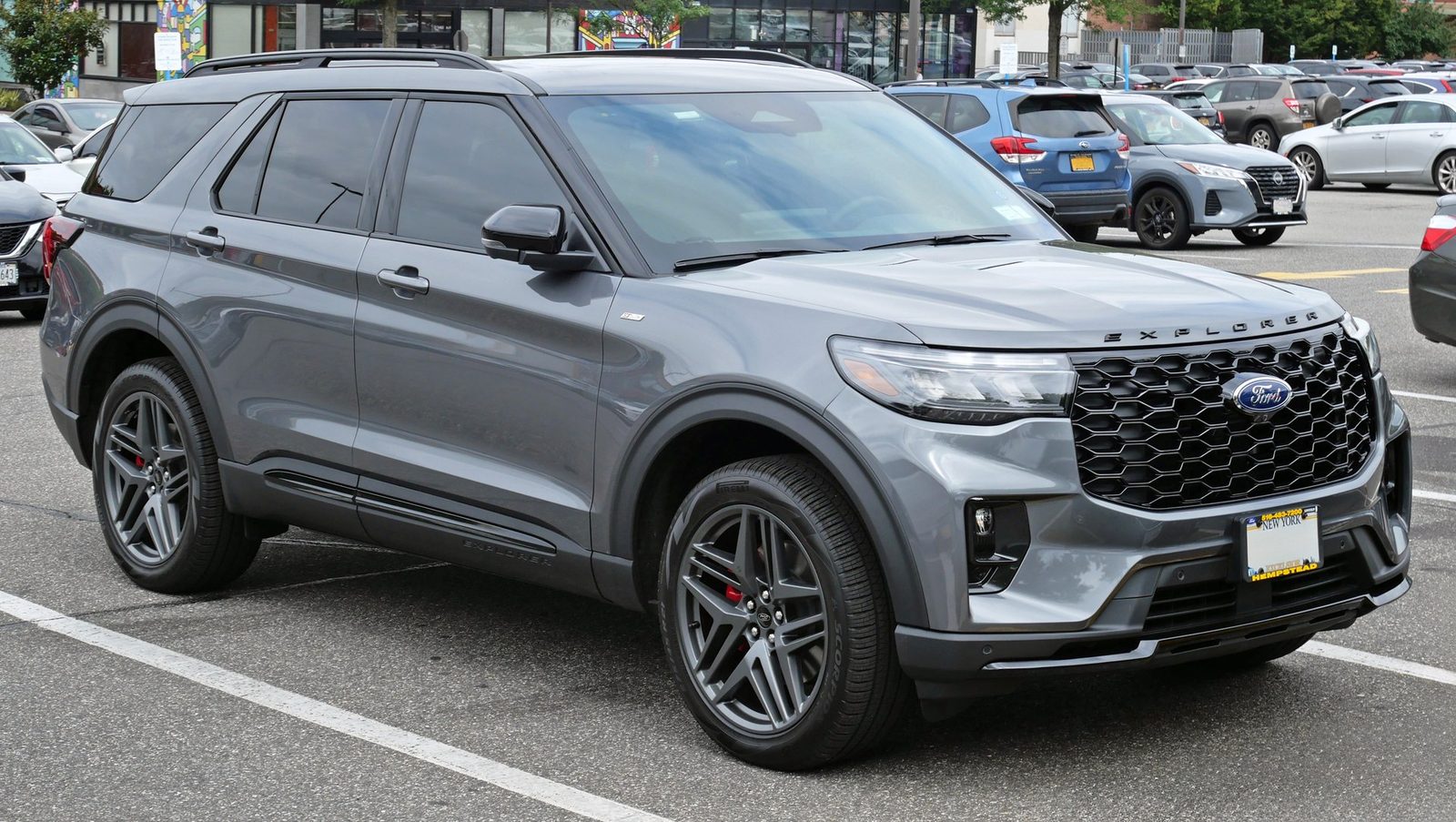
Ford Already Recalled This Seat Defect Once. It's Back — on Cars That Were Already Fixed.
The expanded, 387,911-vehicle recall covers 2020–2026 Explorers and 2020–2027 Aviators after Ford found the same second-row seat switch binding on SUVs that had already been repaired under a June 2025 campaign for the identical problem.
Ford is recalling 387,911 Explorers and Lincoln Aviators — 227,520 Explorers spanning model years 2020 through 2026, and 160,391 Aviators spanning 2020 through 2027 — because the switch that powers the second-row easy-entry seats can bind or stick, letting the seat tip or slide unexpectedly while the vehicle is being driven. NHTSA logged the action as recall 26V451. It's the second time Ford has recalled this exact defect on these exact vehicles.
The mechanism is a manufacturing tolerance problem: the switch's plastic bezel can become misaligned or unseated during normal use, creating interference with the button underneath it and causing the switch to intermittently stick. Ford traces the defective bezel to a production run that started in October 2018 and says the part was discontinued on June 24, 2026 — the same day, per Ford's own filing, the revised part with "higher retention force" went into production.
This recall exists because the first one didn't hold. Ford already addressed the identical seat-switch defect in June 2025, under recall 25V393 (dealer campaign 25S67), covering 2020–2025 Explorers and Aviators. In late April 2026, Ford's Critical Concern Review Group went back and reviewed newer vehicles built after that campaign closed — and found the same unrequested seat movement showing up again, including four reports of it recurring on vehicles that had already been through the 2025 repair. That reappearance-after-remedy pattern is what pushed Ford to both expand the covered model years and redesign the part rather than just reissue the original fix.
The remedy is dealers replacing the second-row easy-entry switch bezel and housing with the revised, higher-retention-force design, at no cost to owners. Ford notified dealers on July 16, 2026, with owner notification letters going out starting July 27. In its filing, Ford says it's tracking exactly one Vehicle Owner Questionnaire tied to the defect and states it isn't aware of any crashes or injuries connected to it — a real but so far unrealized risk, on a part the automaker is now trying to fix for the second time.
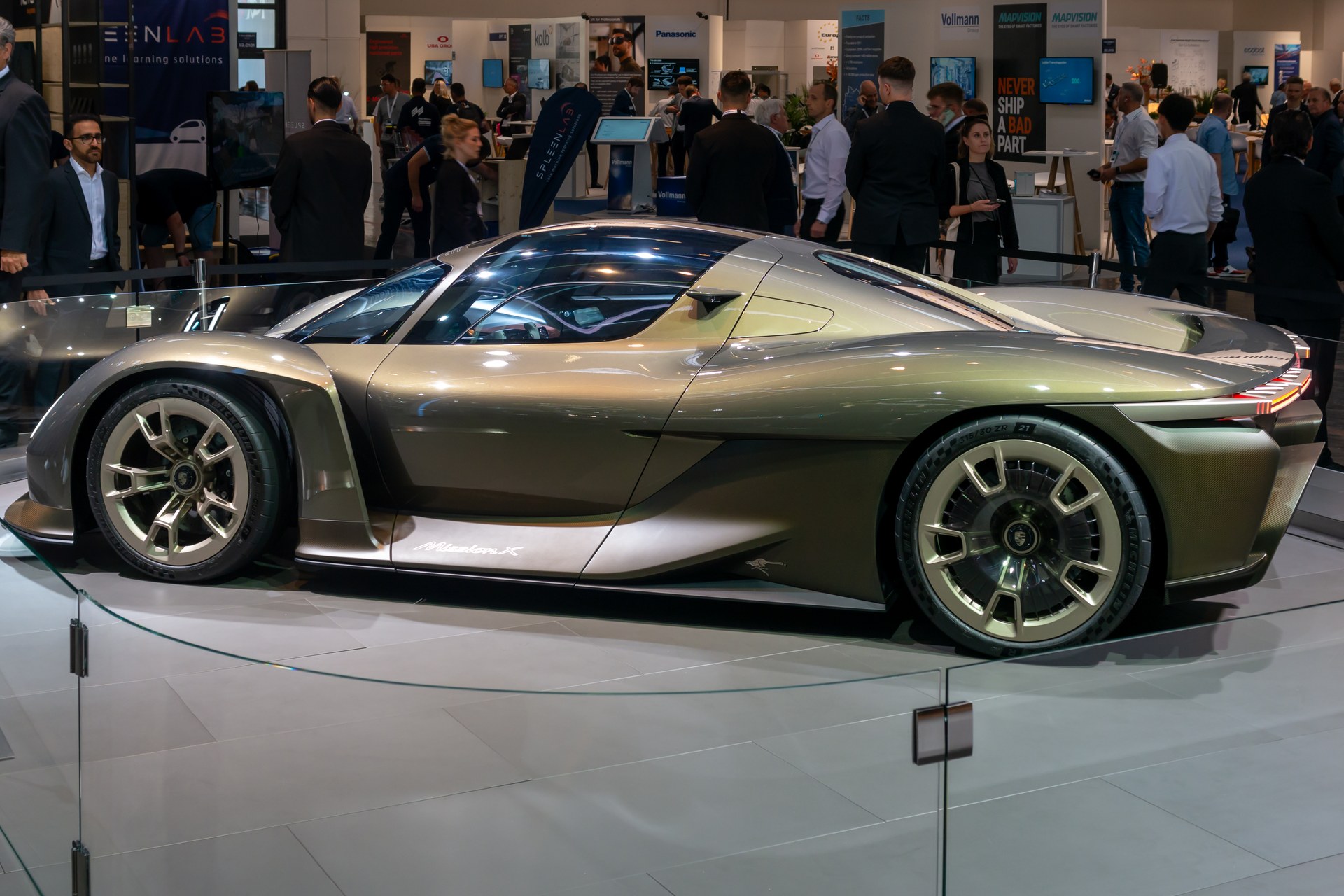
Three Years On, the Mission X Is Still a Concept — and Porsche Just Ruled Out a BEV Above the 911
The 2023 study promised four motors, 900 volts and a 1:1 power-to-weight ratio. In October, Porsche's chairman said there's no demand for a battery-electric car on the new supercar platform.
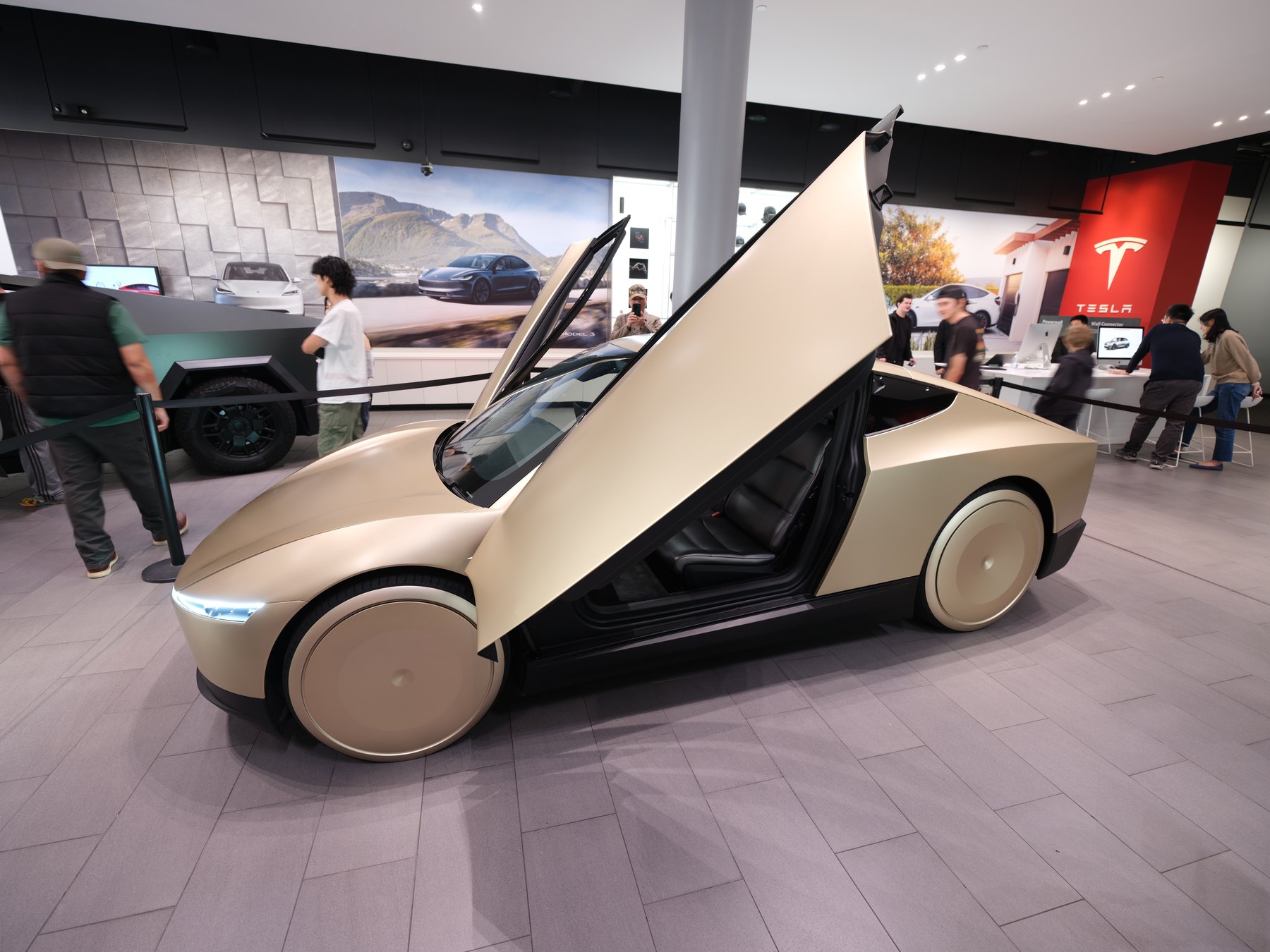
Three Videos and a Complaint: NHTSA Opens a School-Zone File on Tesla's Robotaxis
The federal evidence pile is four incidents, no crashes and no injuries. The question underneath it is bigger than that: whether an automated driving system reliably knows when a school zone is switched on.
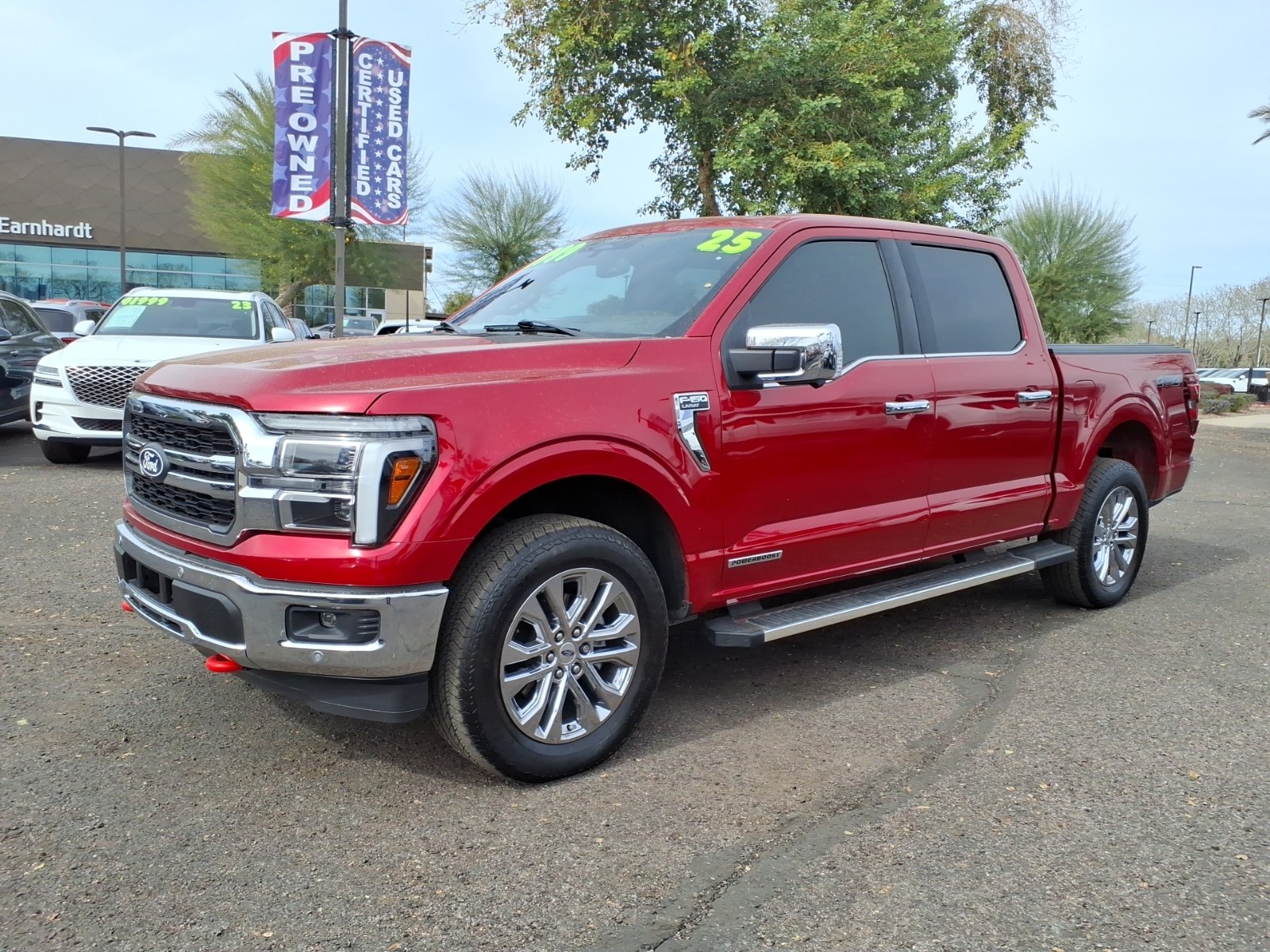
Ford Recalls 2,276 F-150s Because a Repair Was Logged as Finished and Wasn't
The defect is the bolts that hold the front seats to the floor. The chronology is the part worth reading: an operator ran out of cycle time, the line stopped exactly as the protocol says it should, and then somebody ticked the repair off in the tracking system before it had been made.