
How to Actually Import a Car From Japan: The 25-Year Rule, Step by Step
The door-jamb date decides whether a car is legal to bring home. Here's the real process — auction to driveway — plus what a reputable importer actually does for you.
- Broker fee
- $500–$1,500
- RoRo shipping
- $800–$1,500
- Container shipping
- $1,500–$3,000
- Import duty
- 2.5% of appraised value
- Total overhead
- 40–80% above purchase price
- Typical timeline
- 3–5 months
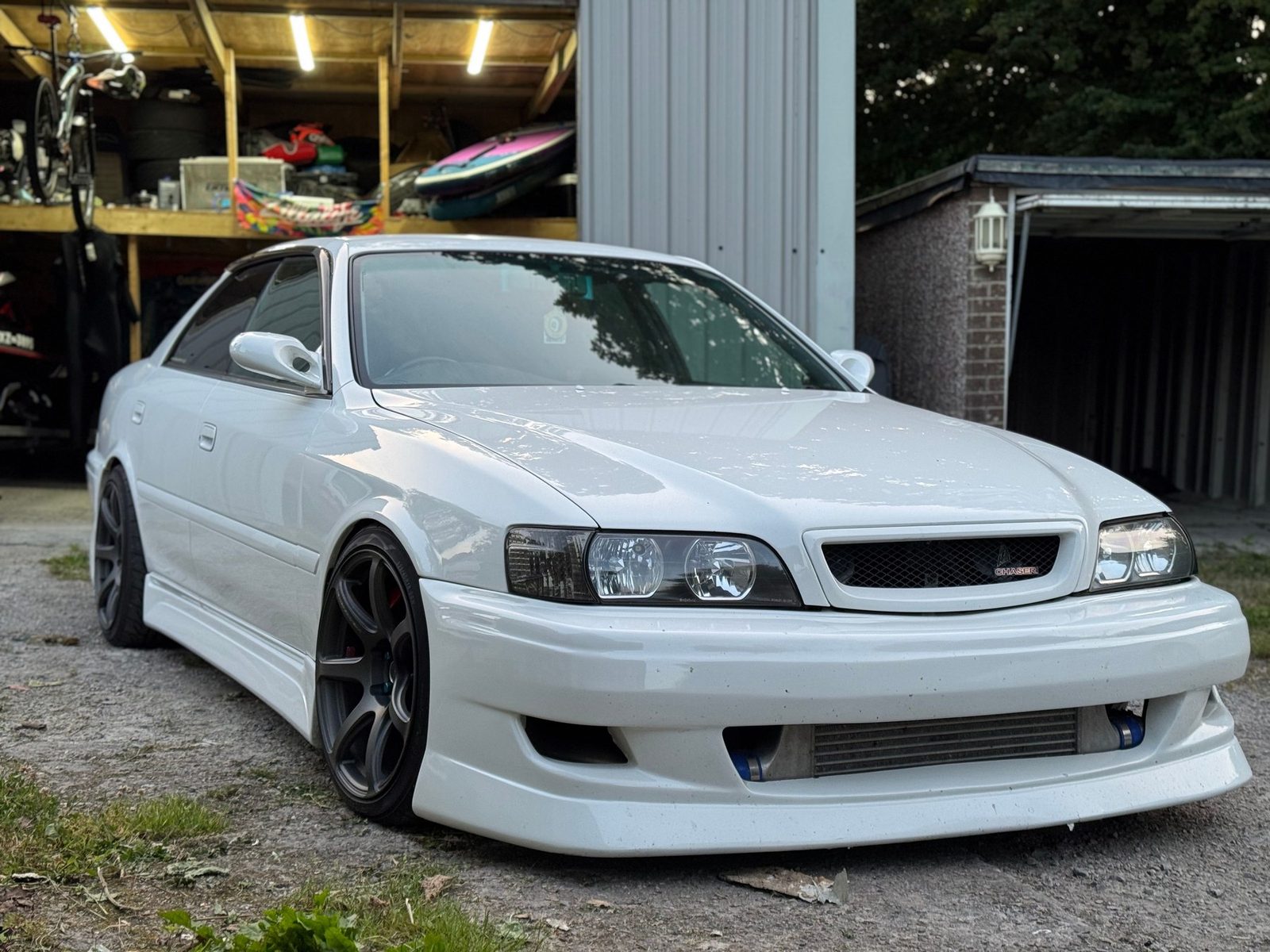
Every year on January 1st, a new batch of Japanese cars quietly becomes legal to bring into the United States — no waiver, no special permit, just the calendar catching up to the build date stamped on the door jamb. In 2026, that means anything manufactured before this month in 2001 is now fair game: JZX100 Chasers, Silvia S15s further into their production run, and, for anyone patient enough, the front edge of the FD RX-7's later build years. Knowing that date matters more than almost anything else in this process, because the entire legal path into the country runs through it.
The rule itself is the 25-year exemption under 49 CFR Part 591, established by the Imported Vehicle Safety Compliance Act of 1988. Any vehicle at least 25 years old, counted from its actual month and year of manufacture — not its model year — is exempt from Federal Motor Vehicle Safety Standards and can be imported without modification. A car built in March 2001 becomes importable in March 2026, not January. The EPA has a related but separate provision covering vehicles over 21 years old with an engine identical or equivalent to the one it left the factory with; it's worth knowing about, but the 25-year FMVSS exemption is the one that actually clears a non-U.S.-spec car through customs cleanly, and it's the one every serious importer builds their timeline around.
The process itself runs in four stages. First is sourcing: most JDM imports come through Japan's auction network rather than a public marketplace — houses like USS, TAA, BCA, JBA, HAA, and CAA sell tens of thousands of cars a week to registered dealers and export agents, complete with condition-graded inspection sheets. Very few importers bid these auctions directly; instead they work through a broker or export dealer who has auction access, for a typical fee of $500 to $1,500 on top of the car's price. Second is Japanese export: once a car is bought, it's deregistered and issued an export certificate confirming its build date — the document U.S. customs will eventually check against the 25-year cutoff.
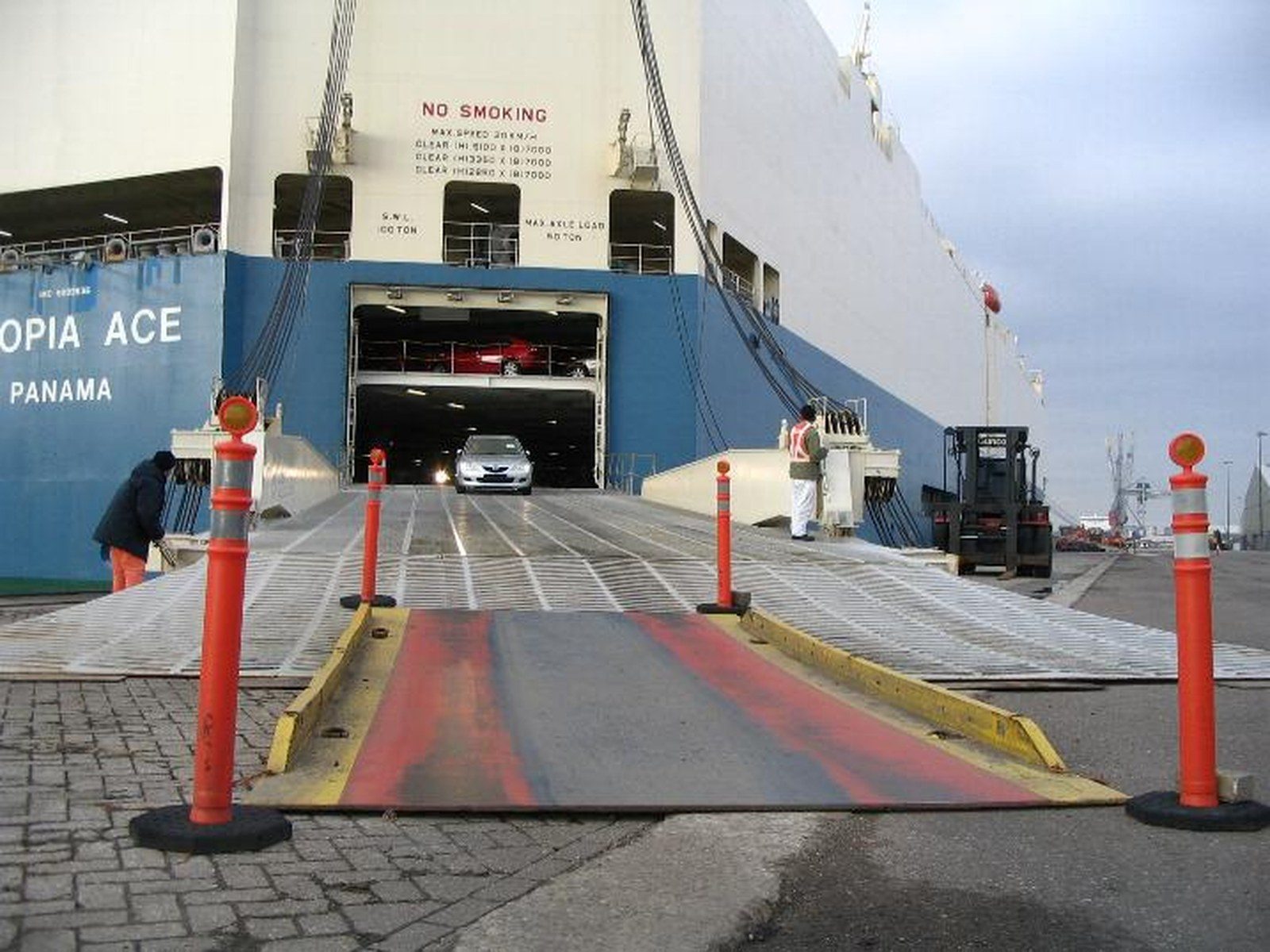
Third is the ocean crossing, and the choice here matters. Roll-on/roll-off (RoRo) shipping — the car is driven straight onto the vessel's deck and secured — runs $800 to $1,500 to the West Coast and is the standard, sensible option for a daily-driver-grade import. Container shipping costs more, $1,500 to $3,000, but keeps the car fully enclosed and is close to mandatory for anything modified, low to the ground, or genuinely valuable. Either way, budget three to five weeks in transit to a West Coast port, five to seven to the East Coast. Fourth and last is U.S. customs clearance: a broker files CBP Form 7501, the NHTSA HS-7 declaration with the 25-year exemption box checked, and EPA Form 3520-1, then the car clears a 2.5% base import duty on its appraised value before it's eligible for state title and registration.
Add it all up — car, broker fee, shipping, duty, compliance, and registration — and total cost typically runs 40% to 80% above the purchase price. Realistic timeline from the day you start looking to the day it's plated is three to five months: one to two months finding and winning the right car, one to two months in transit, then two to four weeks clearing customs and registering it. Right-hand drive is legal to title and drive in all 50 states, though a handful have specific rules around visibility in drive-through lanes or parking structures worth checking locally.
None of this requires flying to Japan or navigating auction software in a language you don't read — it's exactly the kind of process a reputable importer exists to shortcut. RHD Motorsports, a Federal Way, Washington dealer specializing in right-hand-drive JDM classics, is one example of that model: they hand-select cars for rust-free condition and structural integrity before they're shipped, handle the export and import paperwork end to end, and run a car-finder service at rhdmotorsports.com/car-finder that will go source a specific model for a buyer even if nothing matching is currently in stock. Working with an established importer costs more than doing every step solo, but it also means someone with auction access and customs experience is the one making sure the car that shows up matches the one in the photos.
The 25-year rule isn't going anywhere, and neither is the calendar — every January adds another model year's worth of cars to the eligible list. The hardest part of importing a JDM car has never really been the paperwork. It's just patience.
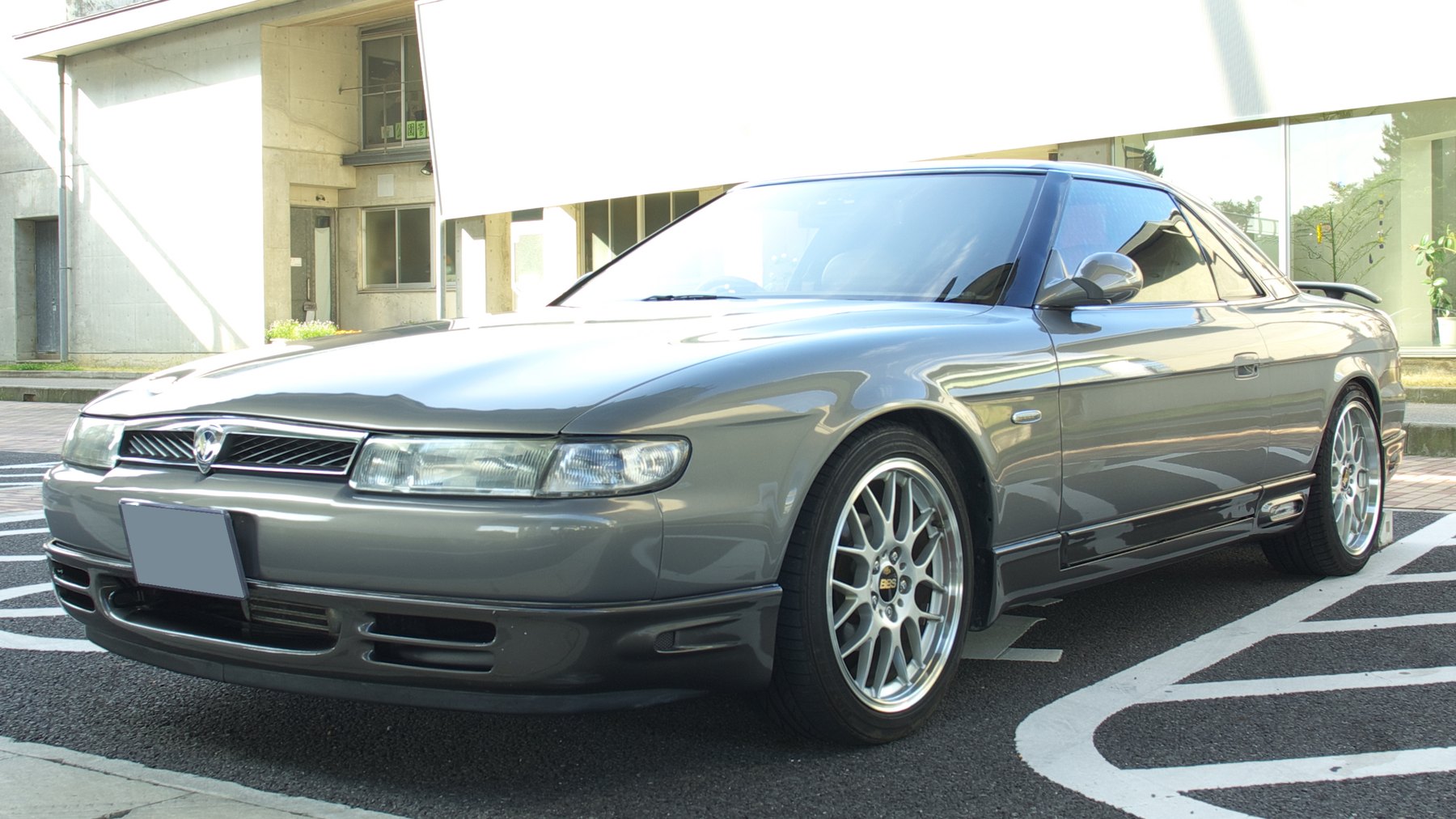
Mazda Built a Three-Rotor Coupe With Satellite Navigation in 1990. Japan's Economy Collapsed Two Months Later.
The Eunos Cosmo had the only triple-rotor engine Mazda ever sold, the first built-in GPS system in any production car, and an automatic gearbox. It was perfect, it was doomed, and almost nobody outside Japan has ever seen one.
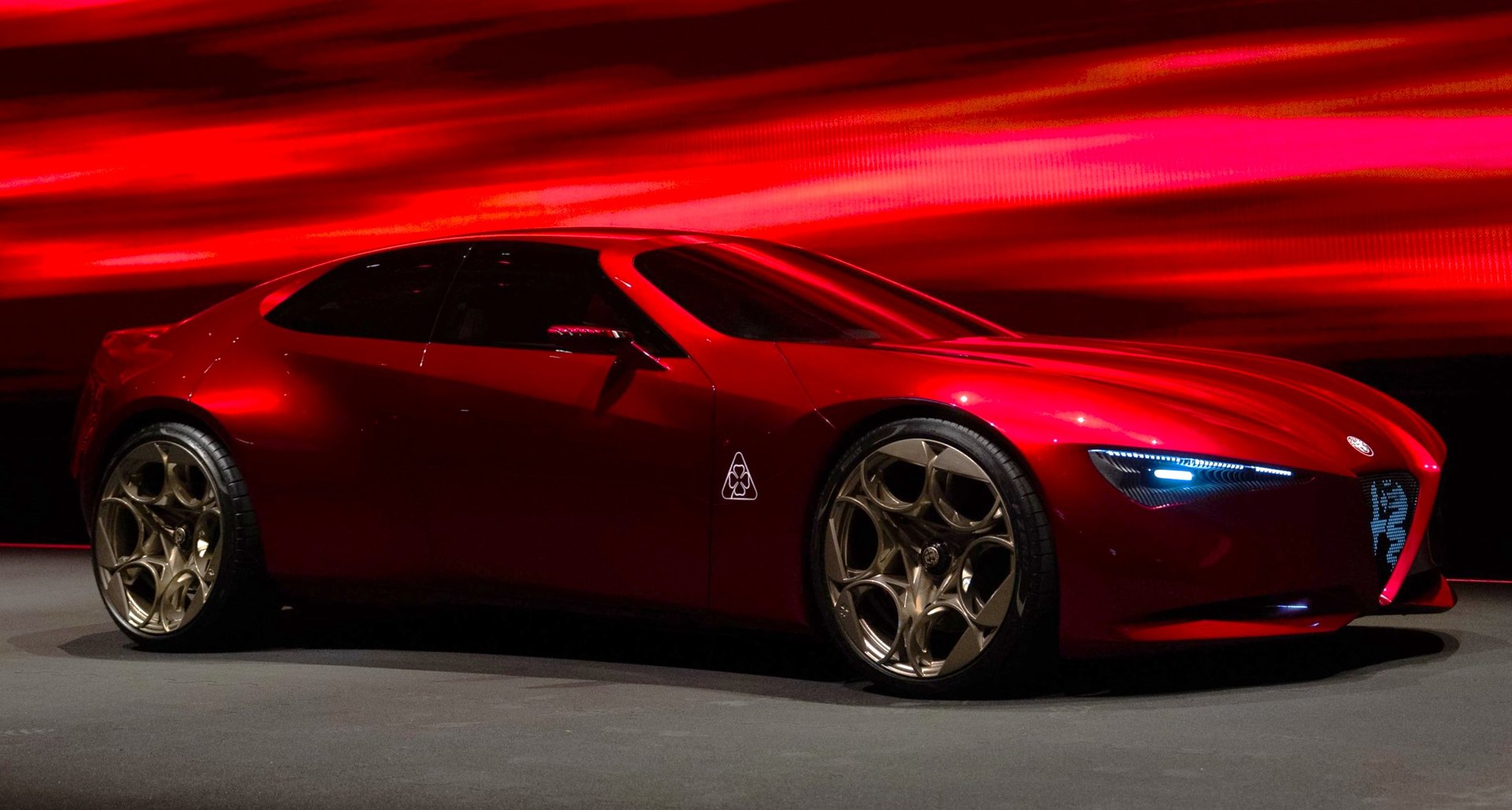
Alfa Romeo's Cuorerosso Ends in a Flat Wall, and That Is the Cleverest Thing About It
The Paris concept is 4.7 metres long, seats four, has no B-pillar and claims a 0.28 drag coefficient. The trick responsible for a good part of that number was worked out in a Stuttgart wind tunnel in 1936.
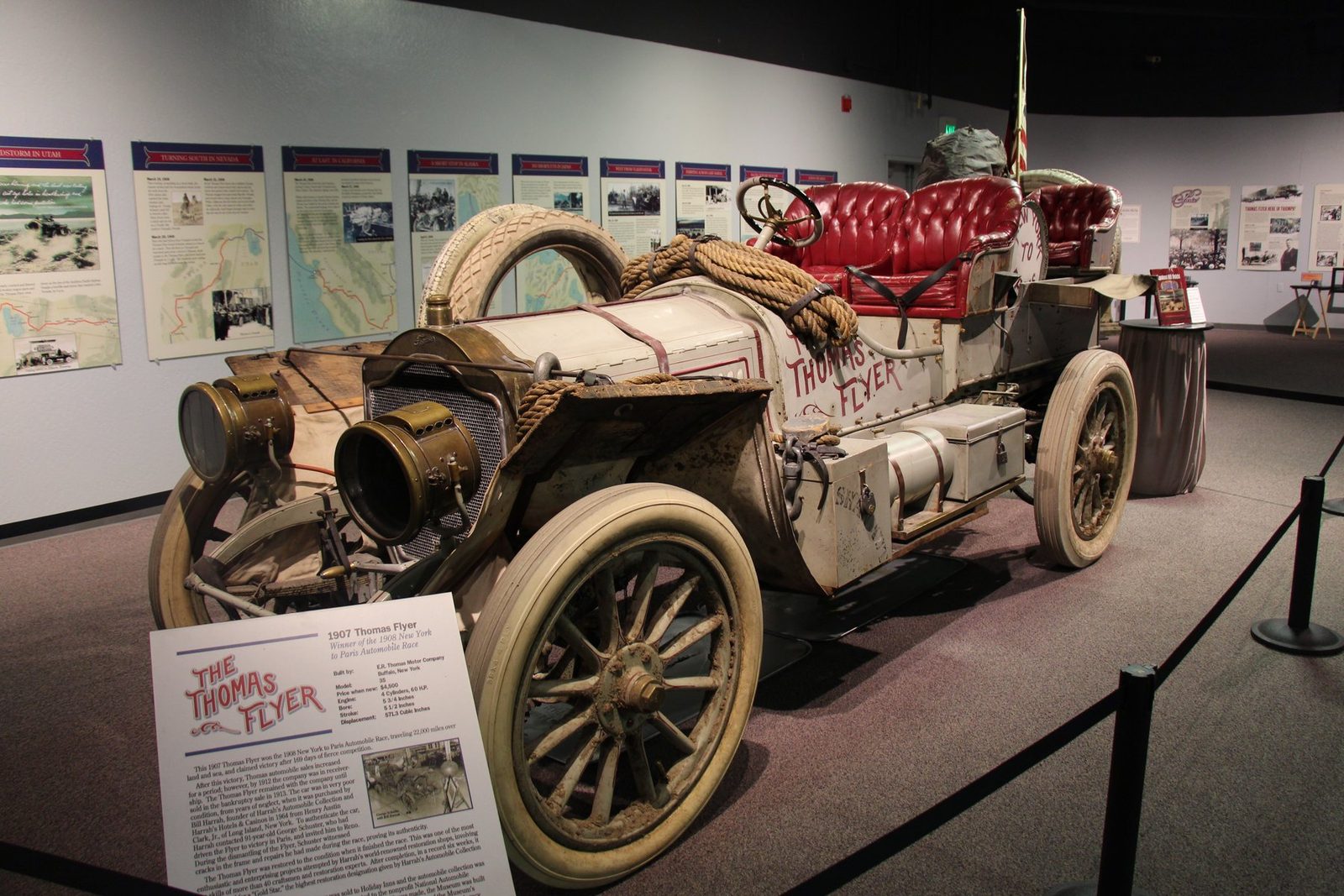
The Impossible Race: How a Buffalo-Built Car Won a Trip Around the World in 1908
Six cars from four nations set out from Times Square to drive to Paris — the long way, through Alaska, Japan, and Siberia. Only three finished, and the winner didn't cross the line first.