
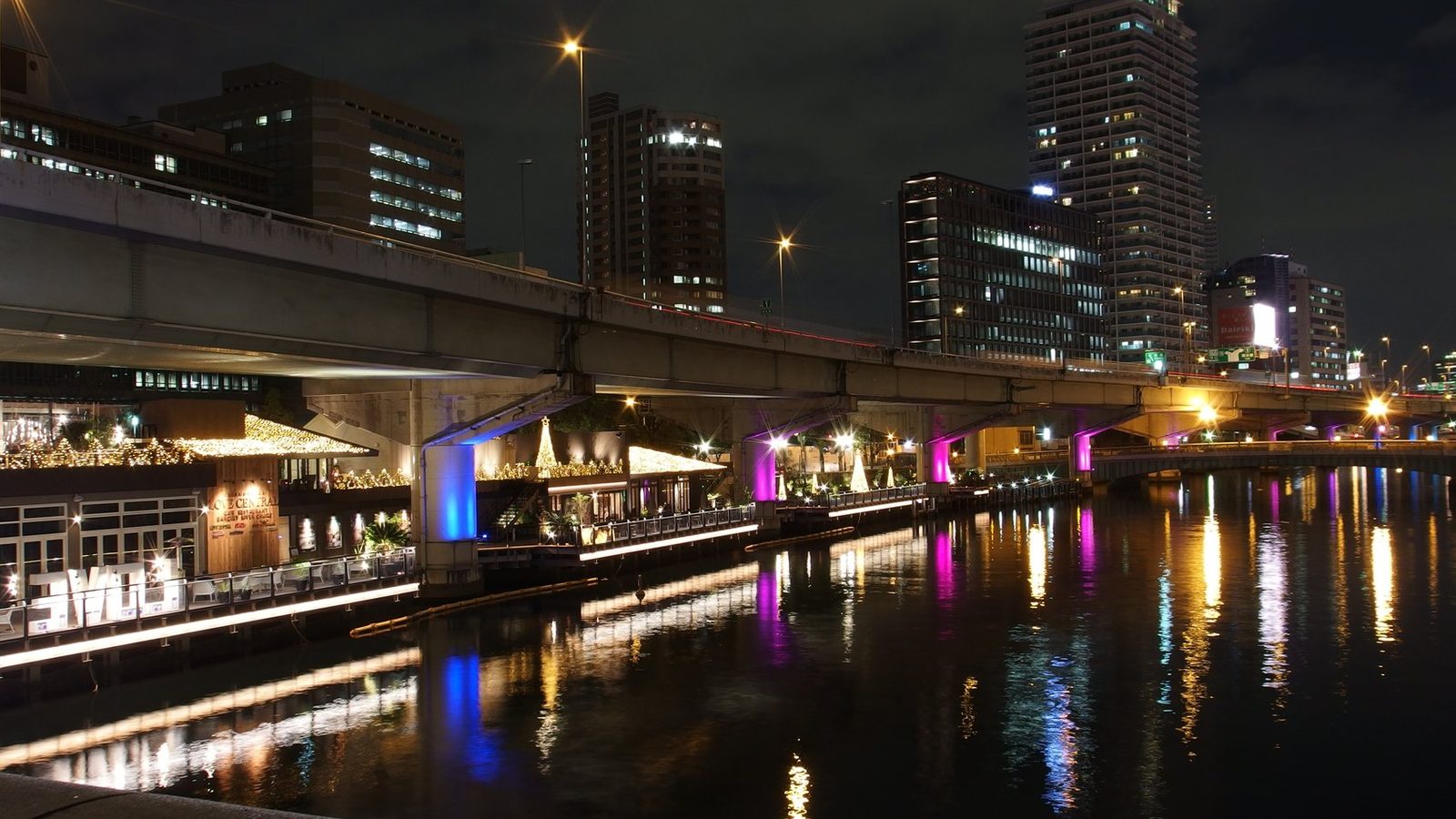
Osaka's Loop Racers Turned a 10-Kilometer Elevated Highway Into Their Own Underground Circuit
The Kanjozoku built their reputation on cheap Honda Civics, not exotic horsepower — running laps of Osaka's Hanshin Expressway Loop after dark since the late 1970s, long before anyone outside Japan had heard the name.
"Kanjō" is just the Japanese word for loop road, and the specific loop it refers to is real and easy to find on a map: the Hanshin Expressway Route 1 Loop Route, a 10.3-kilometer elevated highway that's circled central Osaka since it first opened in 1964. To most drivers it's an ordinary piece of infrastructure. To the Kanjōzoku — literally "Loop Tribe" — it's been an underground racing circuit since the late 1970s, when the culture split off from the same youth counterculture that produced bōsōzoku motorcycle gangs and started taking cheap, modified street cars onto the loop after dark.
The car that made the scene is arguably the least intimidating one imaginable: the Honda Civic. When the third-generation Civic debuted in the mid-1980s, local racers found its small size, agile handling, and high-revving DOHC engines were a near-perfect match for the loop's tight corners and the narrow surface-street alleys connecting to it. Within a few years the Civic wasn't just popular on the Kanjō — it was the Kanjō car, in a way that set the whole scene apart from Tokyo's Wangan crowd racing turbocharged Skylines and Supras for outright top speed on the Bayshore Route. Kanjō racing was never about horsepower. It ran on skill, nerve, and knowing every inch of a loop most people just used to get across town.
The late 1980s through the 1990s are generally regarded as the golden age, with dozens of named crews regularly battling for position around the loop, entering the expressway late at night and running lap after lap while dodging both traffic and police patrols. It built its own internal reputation economy the same way any underground scene does — specific corners, specific liveries, specific crews whose names carried weight among people who'd never met them, purely through word of mouth and repeated appearances on the loop itself.
The scene didn't survive the 2010s intact. A sustained police crackdown on illegal street racing in and around Osaka pushed many racers out entirely, and multiple long-running crews disbanded rather than keep operating under that level of scrutiny. What's left is far more careful than what came before it — some Kanjōzoku still make occasional runs on the loop, but reporting on the scene as recently as 2024 describes it as continuing underground, deliberately far less visible than the crowded, open-secret gatherings of the 1990s peak.
What hasn't changed is the geography. The Hanshin Expressway Loop is still there, still circling the same 10.3 kilometers of central Osaka it always has, carrying ordinary commuter traffic all day and, according to people who still watch it, the occasional quiet echo of the thing it became known for after dark — a scene built entirely on cheap Hondas, local knowledge, and a stretch of road most cities would consider completely unremarkable.
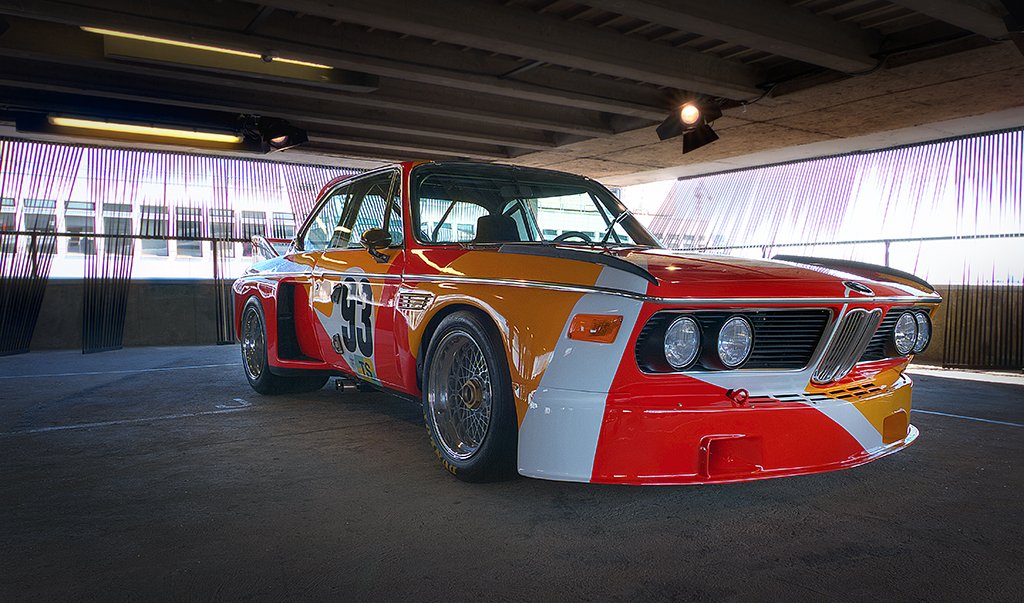
For the First Time, All 20 BMW Art Cars Are Under One Roof in Munich
A free exhibition at BMW Welt brings together five decades of the automaker's Art Car program, from Alexander Calder's 1975 Le Mans racer to Julie Mehretu's 2024 hypercar.
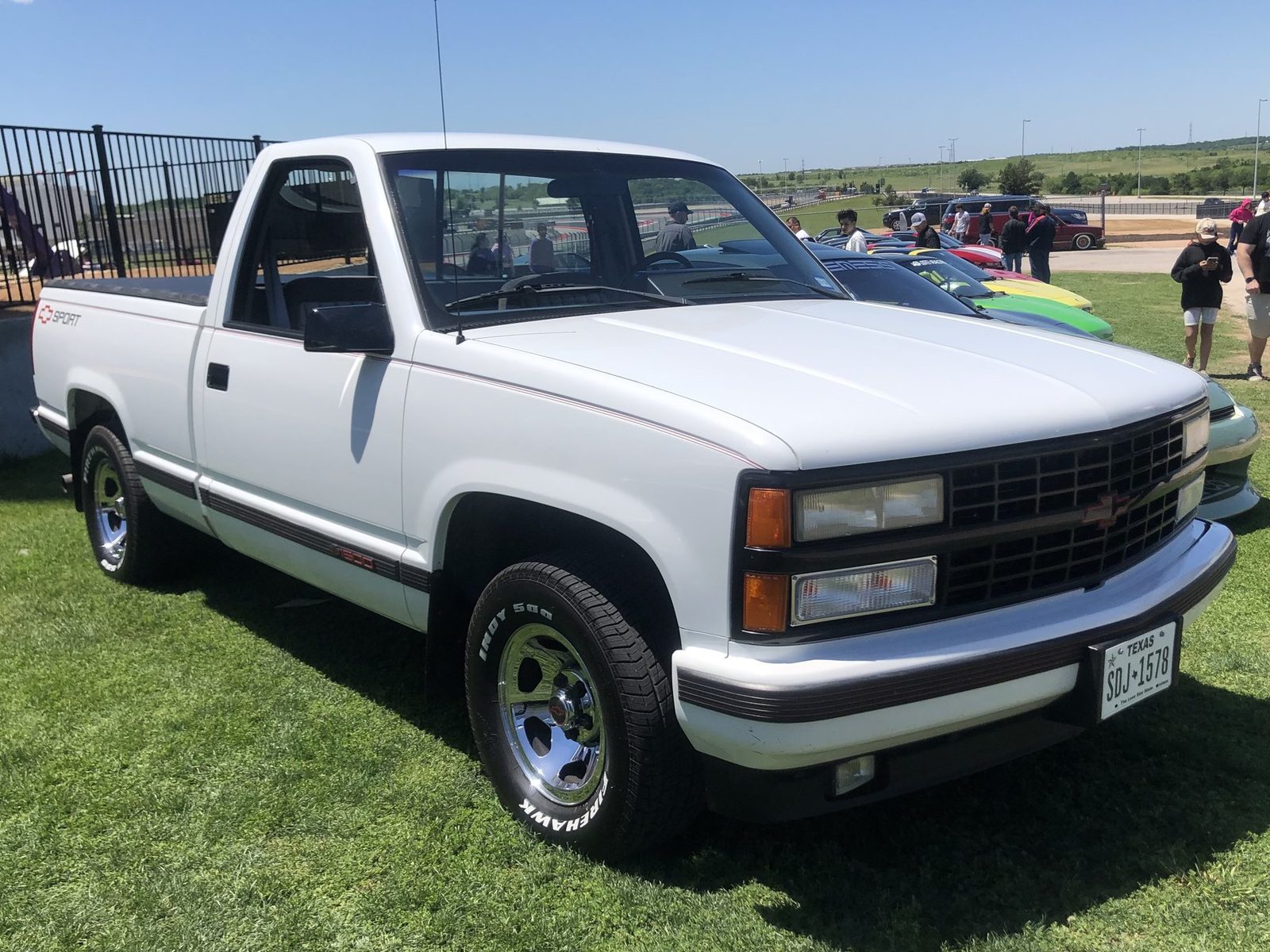
RADwood Brings Its '80s and '90s Car Show Back to Tacoma, This Time Free to Spectators
The traveling nostalgia show that turned Fox-body Mustangs and Radwood-era Japanese coupes into concours material returned to Griot's Garage in Tacoma on July 18, with Hagerty video host Jason Cammisa as the marquee guest.
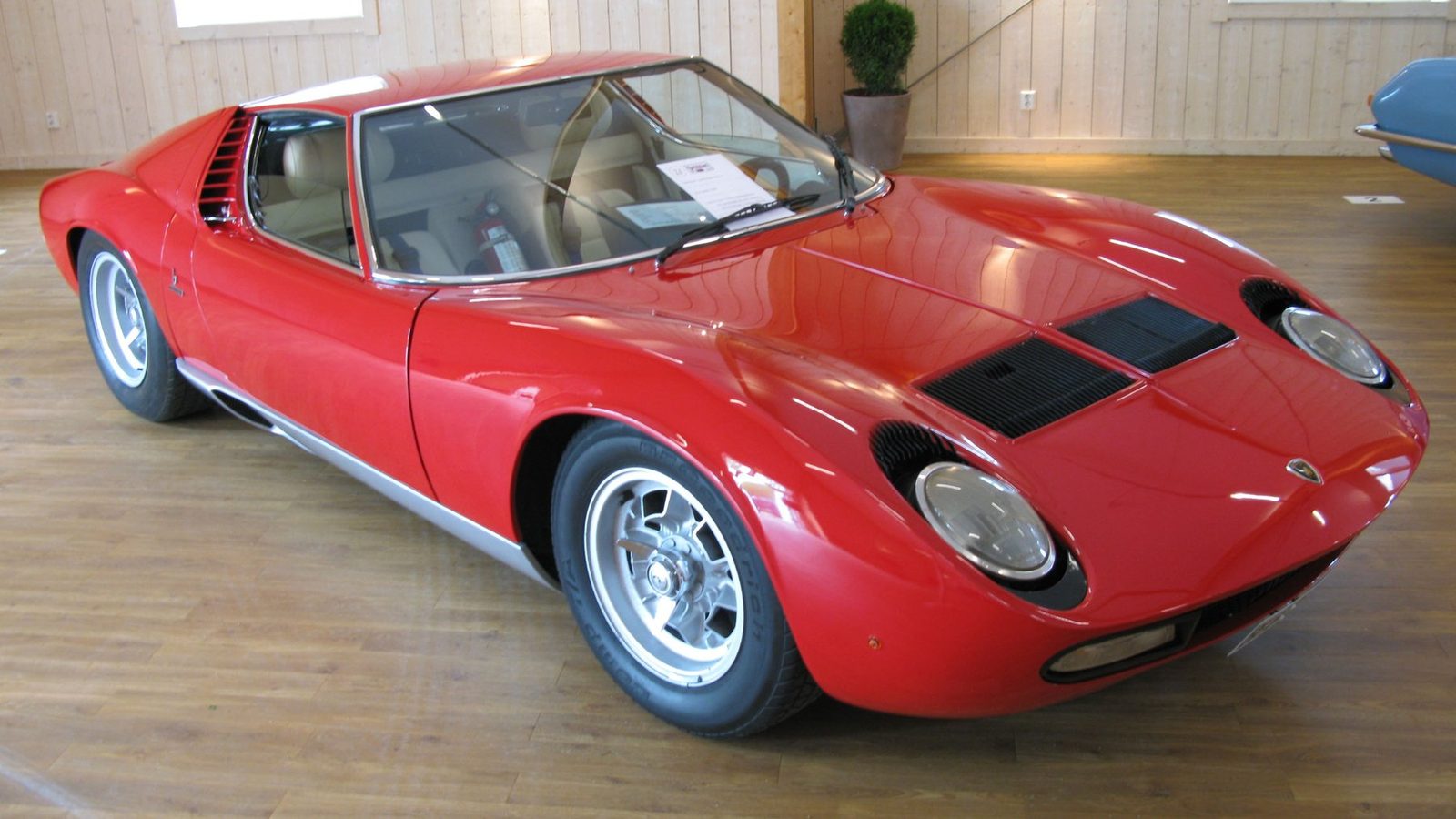
Lamborghini Will Gather Over 40 Miuras on Pebble Beach's 3rd Fairway for the Car's 60th Birthday
For the first time in the Concours d'Elegance's history, a fairway at Pebble Beach Golf Links will be opened to a single-marque tribute, as Lamborghini assembles what it calls the largest gathering of Miuras ever staged.