
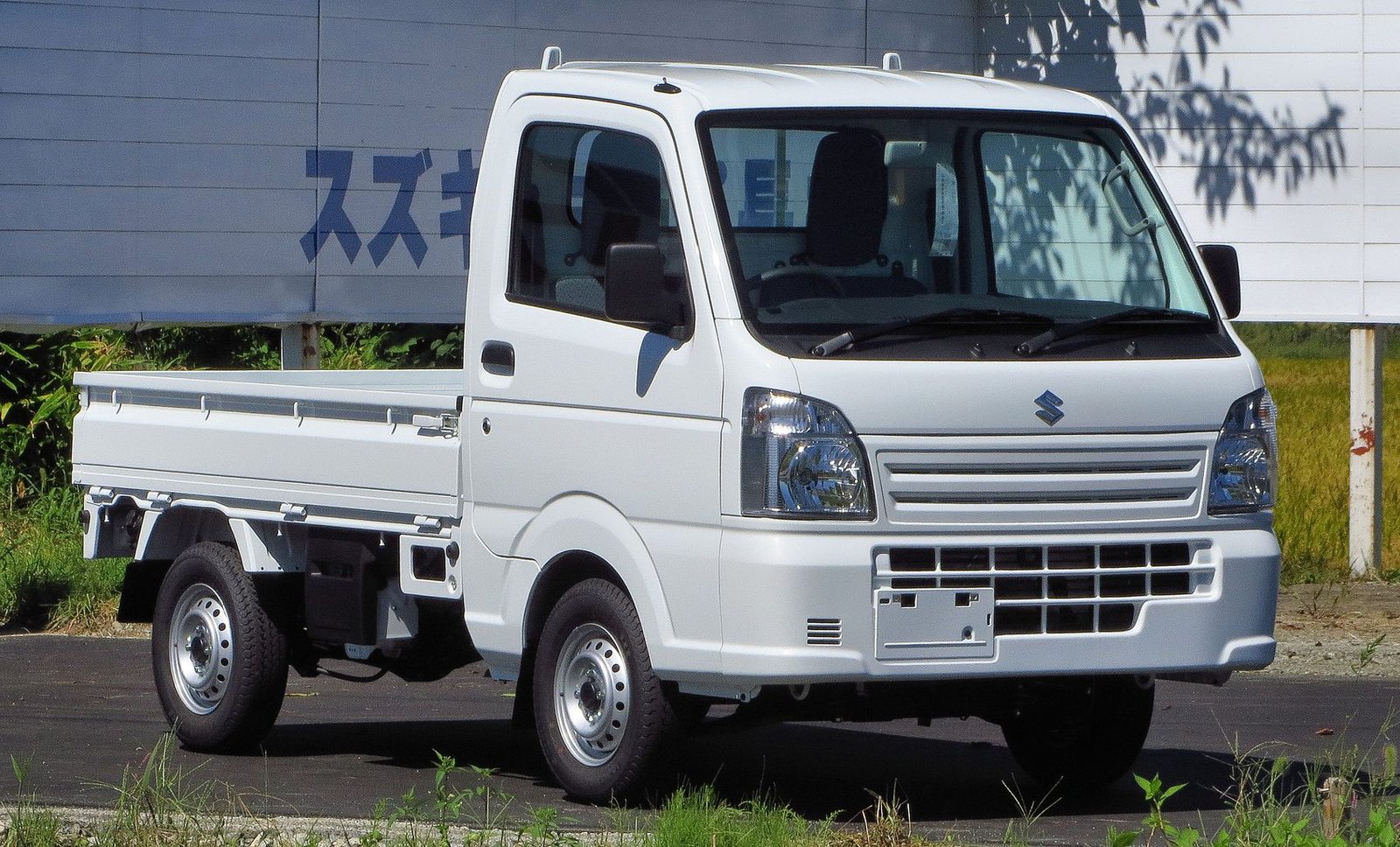
The Kei Truck Wasn't Built to Be Loved — It Was Built to Dodge a Tax Bracket
Japan's tiny, boxy farm-and-delivery trucks exist because of a 1949 regulation capping engine size and dimensions. Seventy-five years later, they're a genuine cultural fixture — and a fast-growing US import.
The kei truck exists because of a regulation, not a design brief. Japan's government created the kei vehicle category in 1949, in the middle of postwar reconstruction, specifically to stimulate car ownership and grow the domestic auto industry at a moment when steel and other materials were scarce and most households couldn't afford a full-size vehicle. The category has been amended repeatedly since, but the current rules — in place since October 1998 — cap a kei vehicle at 3.4 meters long, 1.48 meters wide, under 2.0 meters tall, and under 660cc of engine displacement, with a gentleman's agreement among Japanese automakers additionally capping output around 64 PS.
Every dimension of a kei truck's boxy, upright, unmistakable shape is a direct answer to those numbers — not an aesthetic choice, a packaging solution. Engineers had to fit a full cab, a usable flatbed, and enough ground clearance for farm and job-site use into a footprint smaller than most sedans' trunks, which is exactly why kei trucks like the Suzuki Carry and Honda Acty have stayed nearly vertical-walled and cab-forward for decades — there's no displacement or length budget left over for anything that isn't functional.
The tax structure behind the category is the other half of the story, and it's the half that actually explains why kei trucks stayed relevant for 75 years instead of fading out once postwar scarcity ended. Japan taxes vehicles on a multi-tiered system where larger dimensions and bigger engines mean higher annual taxes, so a kei truck carries a meaningfully lower ongoing tax burden than a comparable full-size pickup — a real, ongoing financial incentive that's kept kei trucks as the default choice for Japanese farms, small delivery operations, and rural municipalities long after any nostalgia value would have worn off on its own.
That practical, unglamorous appeal is exactly what's driving their current export boom. US imports of kei trucks have grown roughly 300% between 2019 and 2024, reaching about 7,500 units a year, pulled in by American buyers who want a genuinely tiny, cheap, mechanically simple utility vehicle for farms, hunting camps, and property maintenance — the same job kei trucks have always done in Japan, just for an audience that never had to live under the tax bracket that created them in the first place.
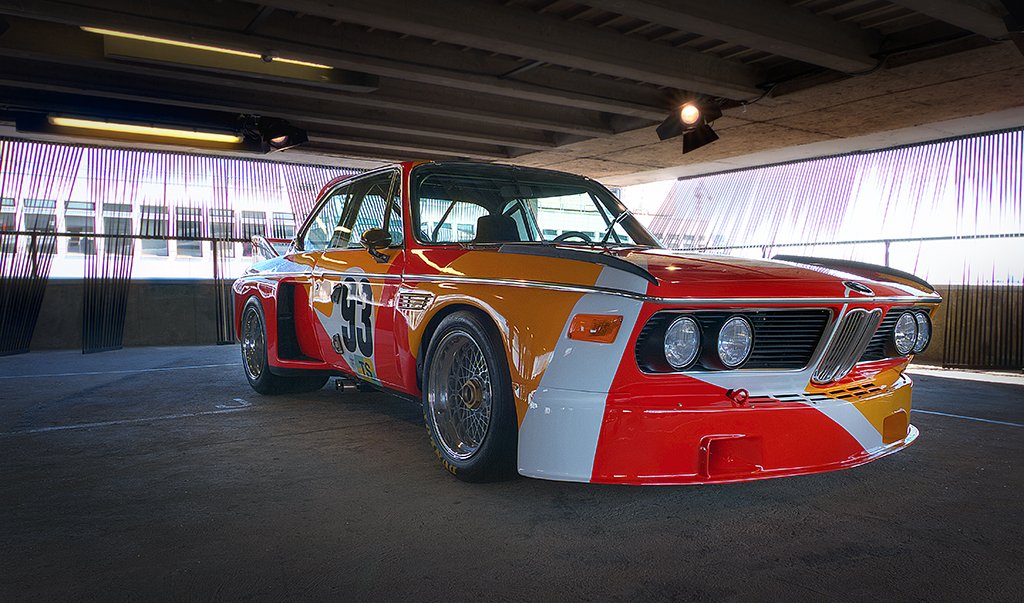
For the First Time, All 20 BMW Art Cars Are Under One Roof in Munich
A free exhibition at BMW Welt brings together five decades of the automaker's Art Car program, from Alexander Calder's 1975 Le Mans racer to Julie Mehretu's 2024 hypercar.
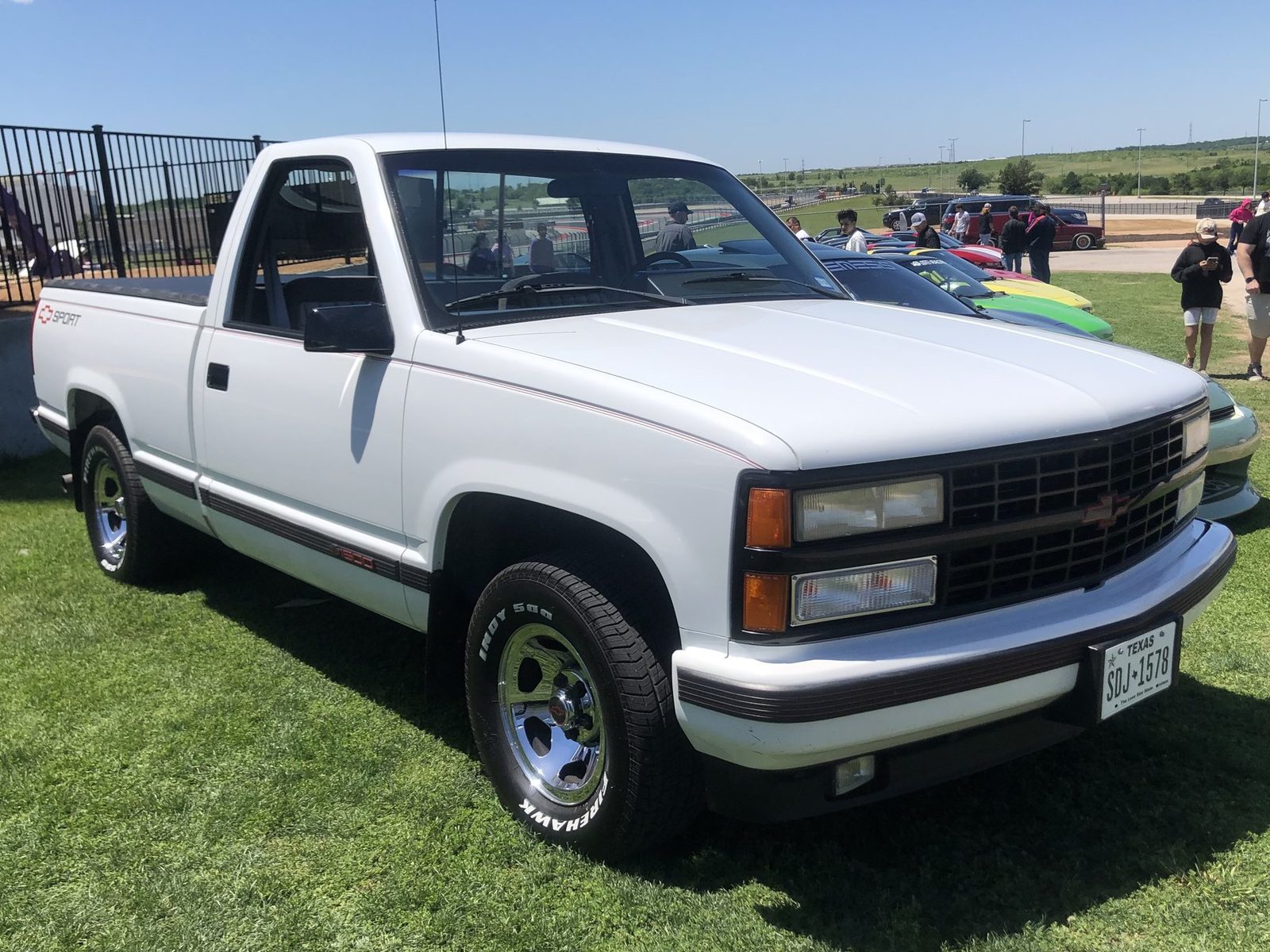
RADwood Brings Its '80s and '90s Car Show Back to Tacoma, This Time Free to Spectators
The traveling nostalgia show that turned Fox-body Mustangs and Radwood-era Japanese coupes into concours material returned to Griot's Garage in Tacoma on July 18, with Hagerty video host Jason Cammisa as the marquee guest.
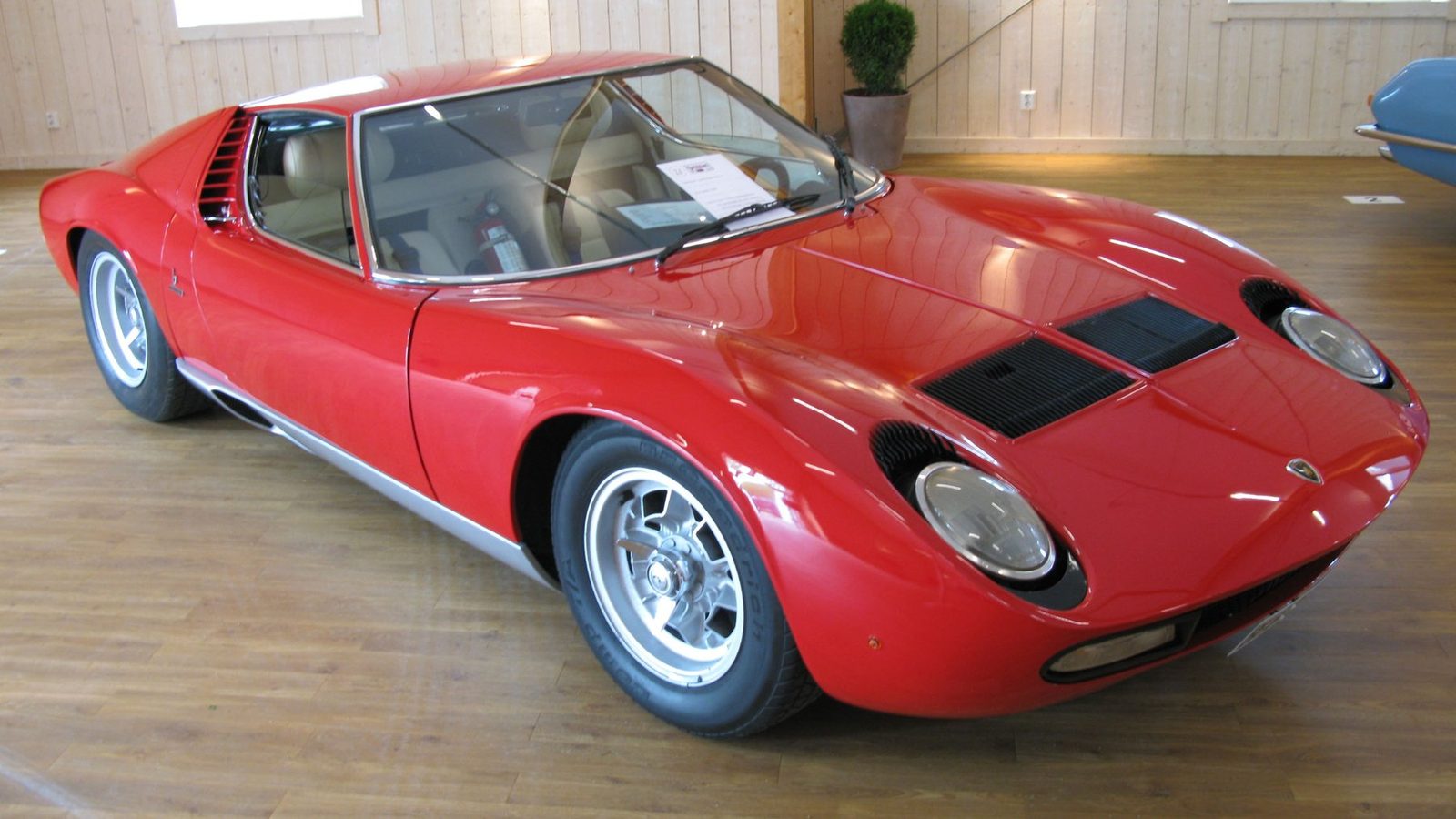
Lamborghini Will Gather Over 40 Miuras on Pebble Beach's 3rd Fairway for the Car's 60th Birthday
For the first time in the Concours d'Elegance's history, a fairway at Pebble Beach Golf Links will be opened to a single-marque tribute, as Lamborghini assembles what it calls the largest gathering of Miuras ever staged.