

Lucid Pushes Its Affordable Crossover to 2027 After a $1 Billion Quarter
The Cosmos was supposed to be the car that got Lucid out of the six-figure niche. A new CEO just moved it to the second half of 2027, and the quarter behind it explains why.
Lucid has moved the launch of the Cosmos, the midsize crossover meant to carry it out of six-figure territory and into something closer to the mainstream, from late 2026 to 2027. CEO Silvio Napoli put the new target at "most likely the second half of '27" on the company's second-quarter earnings call on August 4. The car has only ever been shown publicly as a silhouette.
The quarter it was announced alongside makes the decision easier to read. Lucid reported a net loss of $1.006 billion for Q2 2026, against a $539 million loss in the same quarter a year earlier. Revenue was $405 million, up 56 percent year over year but short of the roughly $416 million Wall Street had modeled. The company delivered 3,953 vehicles globally, a 19 percent increase, and produced 4,774, up 24 percent. Those are real growth numbers on both the build and delivery side; they are simply nowhere near the scale that would close a billion-dollar quarterly gap.
Napoli, who is new in the role and arrived as part of a C-suite restructuring, framed the delay as a deliberate break with how Lucid has launched cars before. "We're not going to make the mistake of the past where products, great cars, were in fact tainted by launching before things were ready," he said. It is a pointed thing for a chief executive to say about his own company's back catalogue, and it is the clearest signal yet that the reset is about sequencing rather than ambition.
Alongside the delay, Lucid identified $1.4 billion in potential cash flow improvements and reiterated that its liquidity runs well into 2027. It declined to update its 2026 guidance. Production of the Cosmos is planned for Lucid's new Saudi Arabian facility, which the company expects to be operational in early 2027, with the ramp targeted for the second half of that year — which is to say the Cosmos timeline and the factory timeline are now the same timeline, and neither has much slack in it.
The strategic problem is straightforward. Lucid's engineering reputation rests on the Air and now the Gravity, both of which are expensive cars sold in small numbers. The Cosmos was the volume answer, and volume is what turns a company with good powertrain technology into a company with a business. Every quarter it slips is a quarter of losses absorbed by a lineup that was never designed to absorb them.
What the delay buys is the thing Napoli seems most concerned about: a launch that doesn't need apologising for. Lucid has enough runway to make that trade, and a new CEO gets exactly one chance to reset expectations before the numbers become his. The cost is that the company now has to hold the line through 2027 on the strength of two low-volume models and a balance sheet propped up by its Saudi backers.
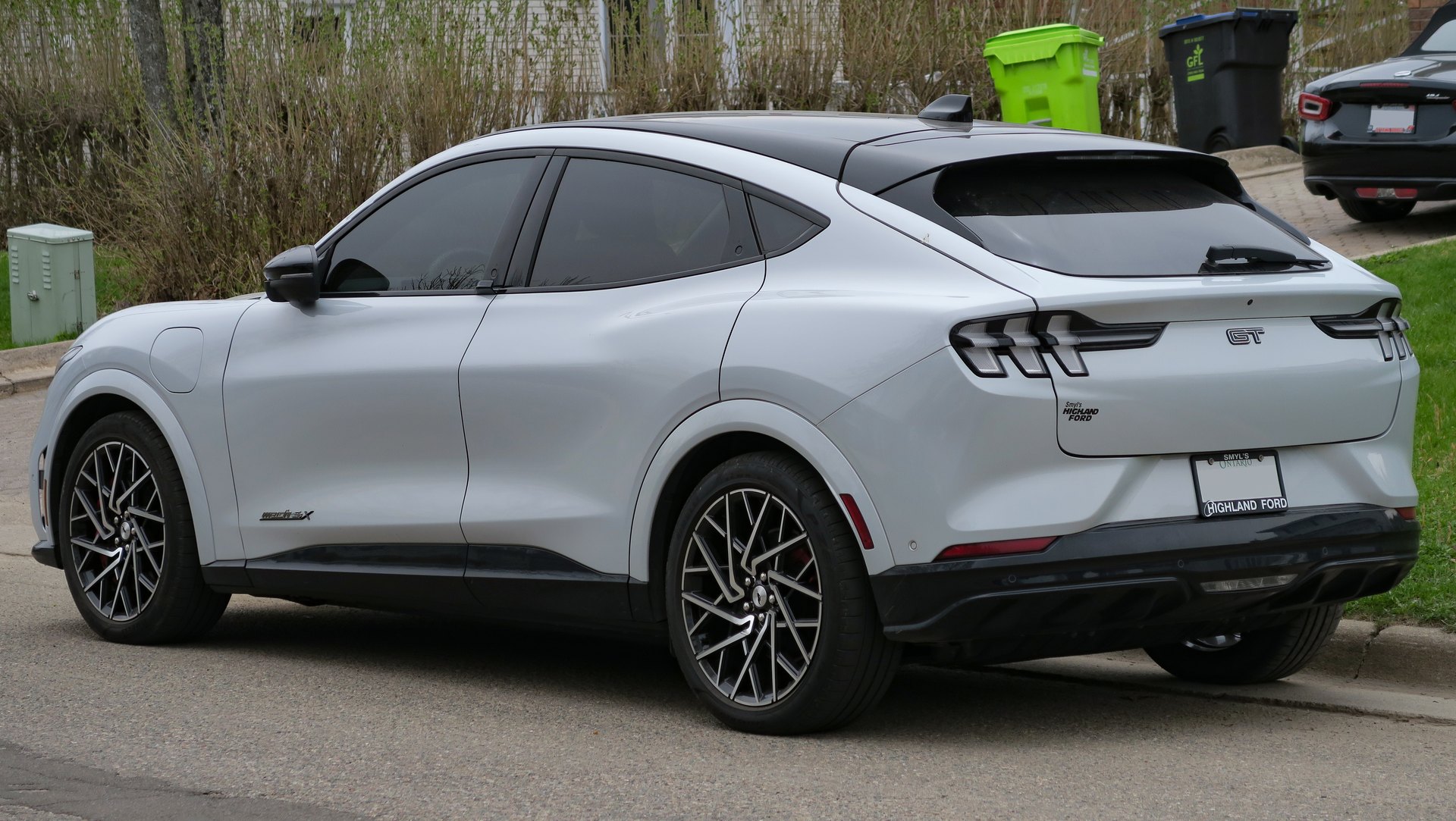
Ford Is Recalling 86,543 Mach-Es Because a Faster Jig Didn't Let the Glue Cure
The rear side quarter window trim on 2023–2025 Mustang Mach-Es can work loose and come off in traffic. Ford traced it to a supplier fixture that cut the installation time — and, with it, the primer's cure time.
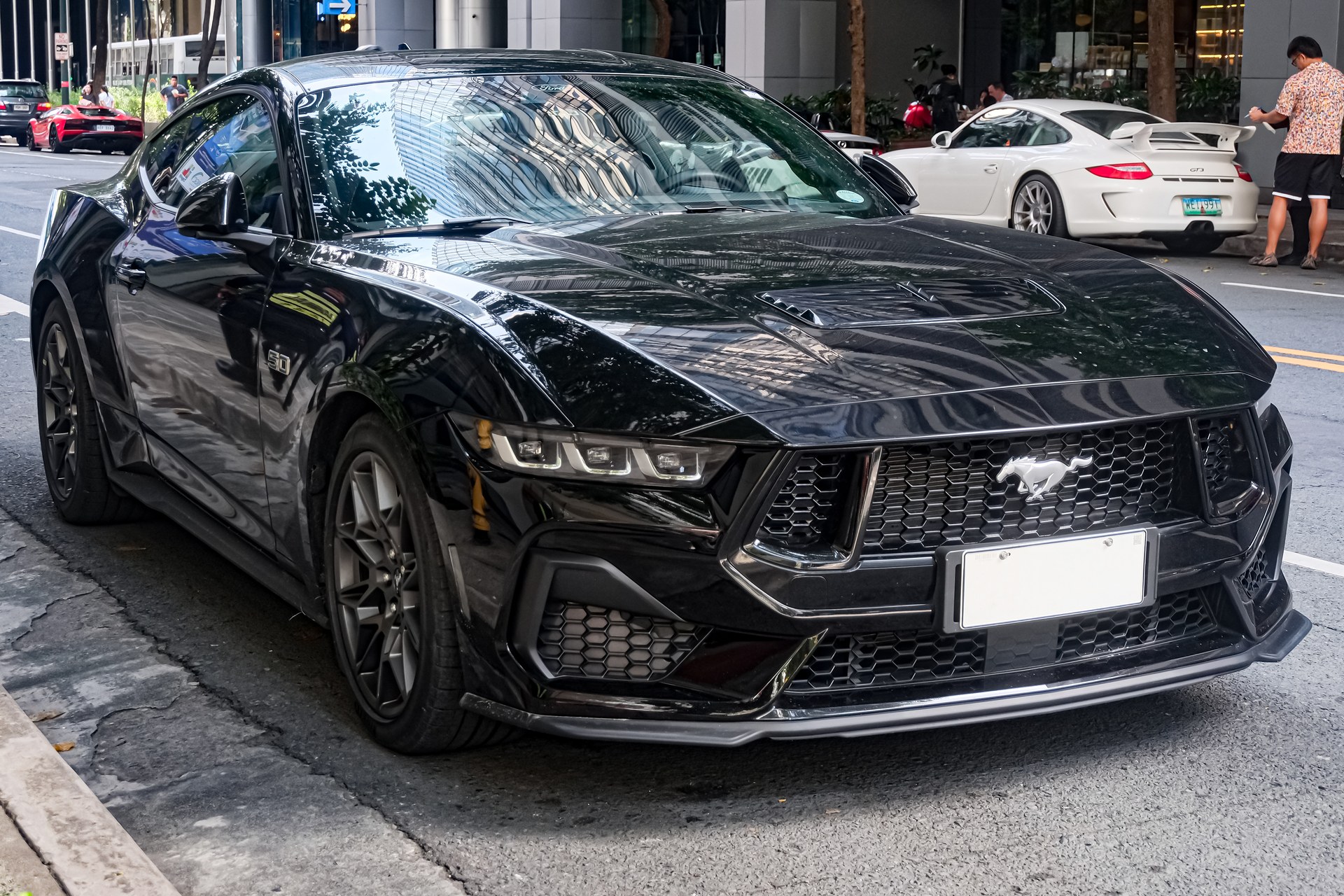
Ford Reportedly Showed Dealers a Four-Door Mustang
At a dealer meeting in Las Vegas, Ford is said to have put an image of a Mustang sedan on the screen — gas-powered, possibly hybrid, aimed at the Charger, and due before the decade is out.
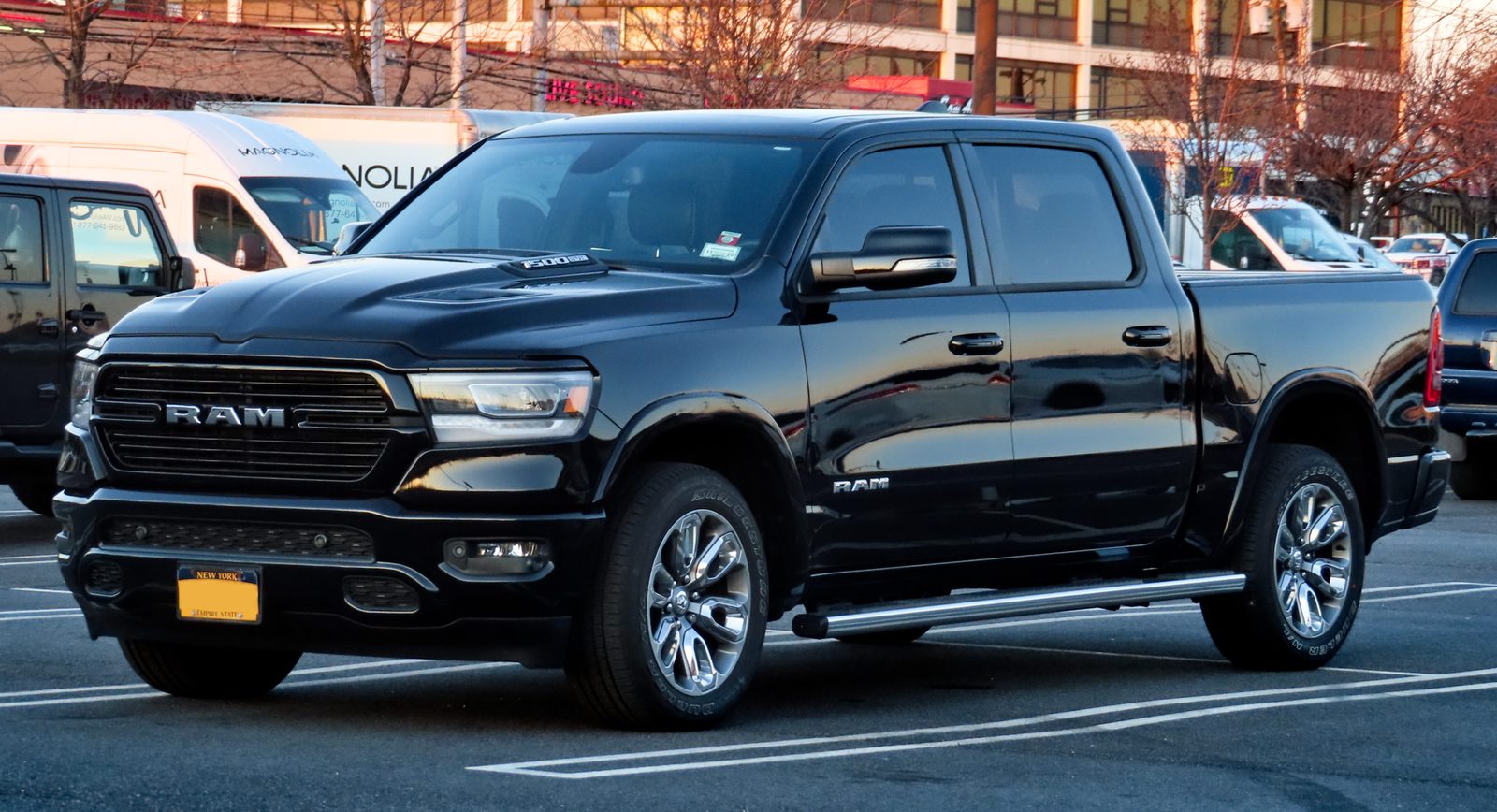
1.27 Million Ram 1500s Recalled Because the Rear Seat Belt Anchors May Never Have Been Attached
Eight model years of Ram's best-selling truck may have second-row buckle anchors that were never properly secured to the body. Until a dealer looks, Stellantis says move rear passengers to the far side.