
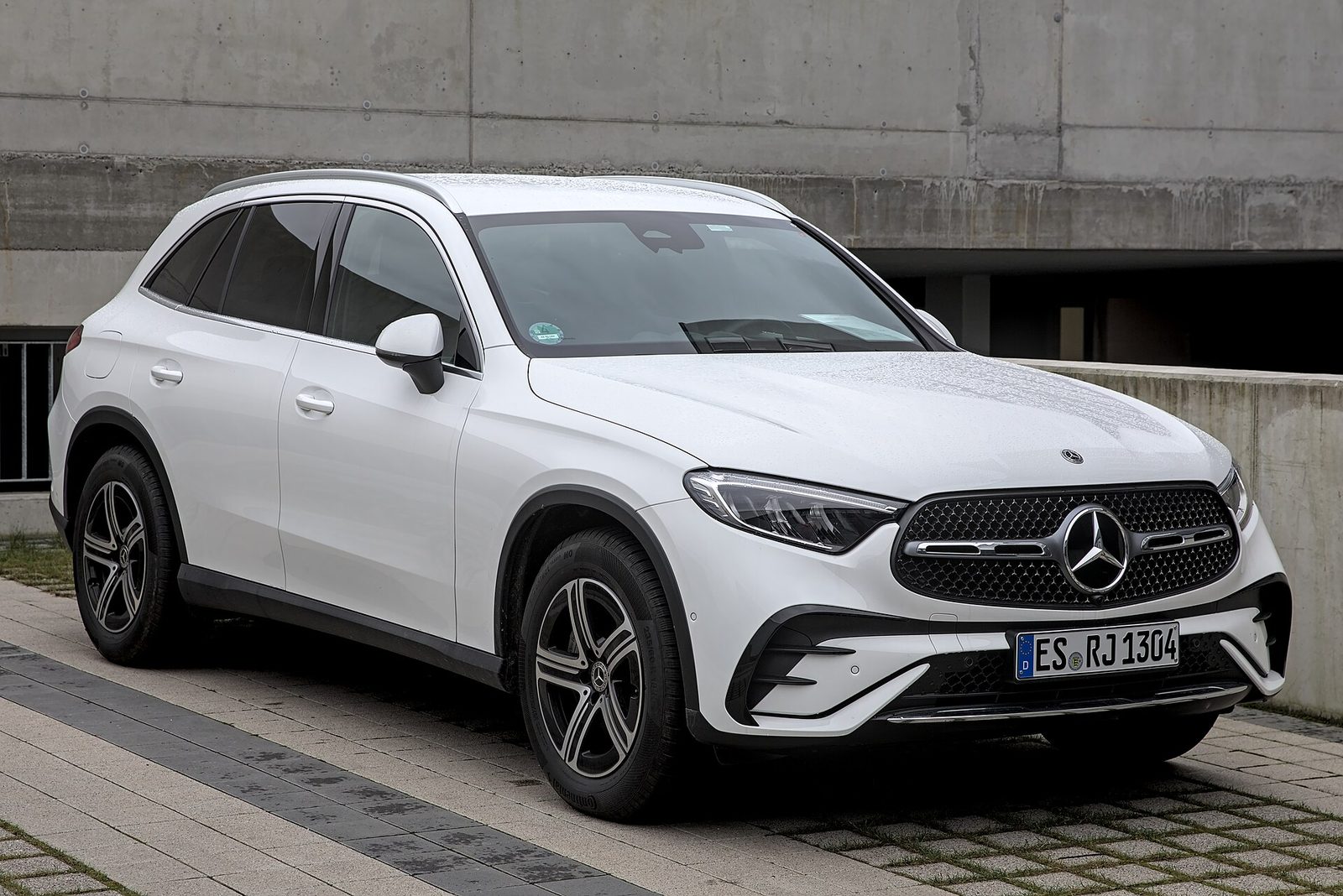
A Corroding Door Switch Is Behind Mercedes' Biggest US Recall of the Year
310,667 vehicles, eight model lines, and a failure that starts nowhere near the brakes: a microswitch in the driver's door that stops the car knowing the door is open.
Mercedes-Benz USA is recalling 310,667 vehicles in the United States over a defect that reads like a chain of small things ending somewhere serious: a microswitch inside the driver's door lock can corrode, the car loses track of whether the driver's door is open, and the electronic parking brake may never engage on its own. The vehicle can then roll away. It is the automaker's largest US recall of 2026, filed with NHTSA under campaign number 26V481.
The mechanism is worth spelling out, because the part at fault has nothing to do with braking. Modern Mercedes models use the driver's-door state as an input: open the door with the vehicle stationary and the car's Auto-Park logic applies the electronic parking brake for you. That logic depends on a microswitch in the door latch reporting the door's position. Under high heat and high humidity, condensation can reach the switch's electrical contact surfaces. If it does, the switch may stop detecting that the door has been opened — and the car, believing the door is still shut, never triggers the automatic parking-brake application.
The affected population is broad rather than deep in any one model, spanning the 2019 through 2026 model years across eight nameplates. Per the recall filing, it covers MY19–22 A-Class, MY20–21 CLA-Class, MY22–23 C-Class, MY24 CLE-Class, MY20–26 GLA-Class and GLB-Class, and MY23–24 GLC-Class vehicles, including AMG variants of those lines.
The remedy is a parts replacement rather than a software patch, which is a fair indicator of how the problem was diagnosed: an authorized Mercedes-Benz dealer replaces the driver's door lock with a revised unit that meets a higher moisture-robustness standard, free of charge. Dealers were notified and affected VINs became searchable through the NHTSA recall lookup on July 31, 2026. Owner notification is phased, with letters due on or before September 18, 2026.
Two practical notes for anyone who owns one. First, the failure is environmental, so it is likeliest to surface in hot, humid climates and may never appear at all in a dry one — but the recall covers the vehicle regardless of where it has lived. Second, a rollaway defect is one of the few where owner behaviour genuinely mitigates it in the meantime: the electronic parking brake can still be applied manually, and doing so before stepping out removes the dependency on the switch entirely.
Owners can check whether a specific car is included by running its VIN through NHTSA's recall lookup, which has carried the campaign since the end of July.
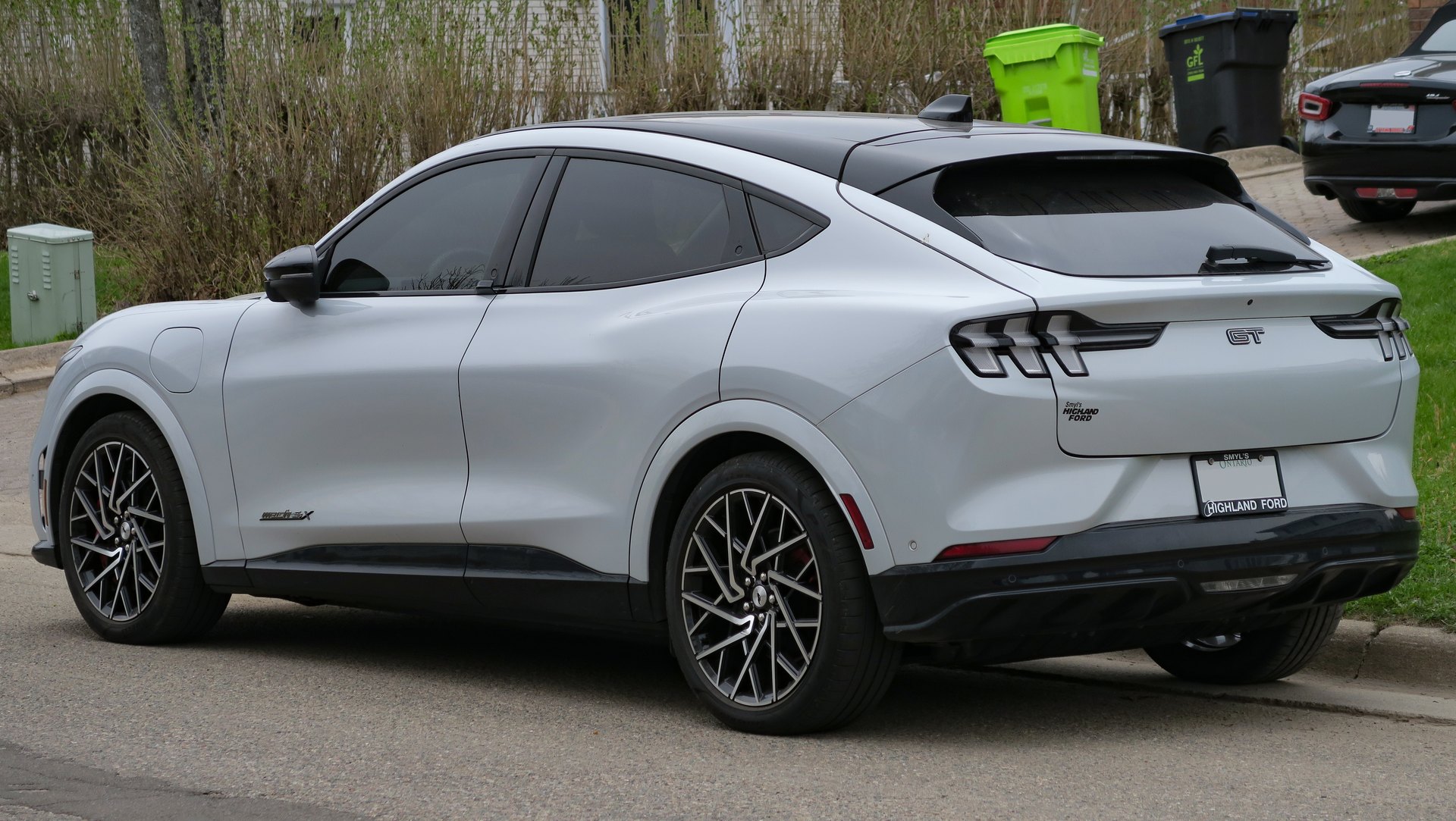
Ford Is Recalling 86,543 Mach-Es Because a Faster Jig Didn't Let the Glue Cure
The rear side quarter window trim on 2023–2025 Mustang Mach-Es can work loose and come off in traffic. Ford traced it to a supplier fixture that cut the installation time — and, with it, the primer's cure time.
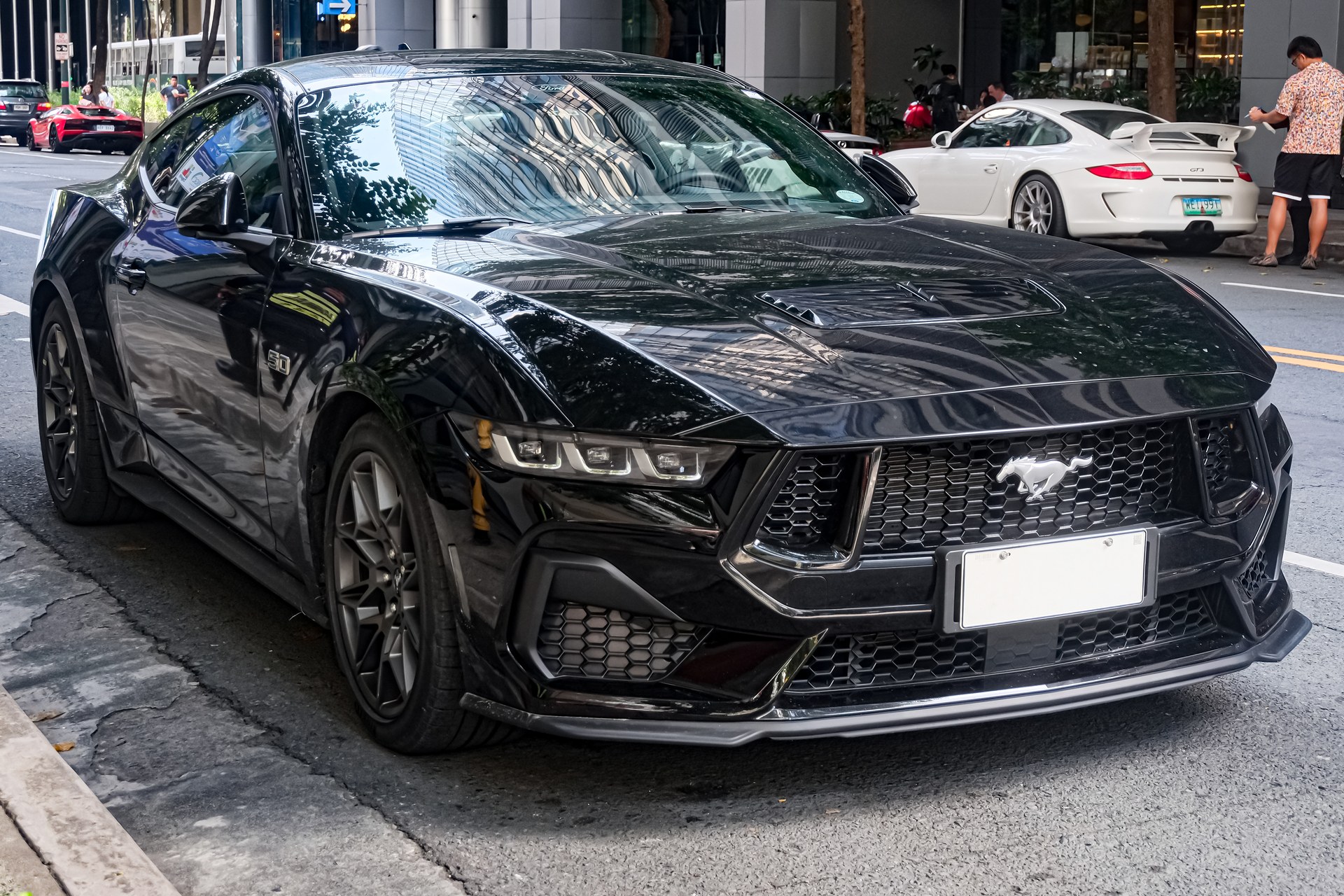
Ford Reportedly Showed Dealers a Four-Door Mustang
At a dealer meeting in Las Vegas, Ford is said to have put an image of a Mustang sedan on the screen — gas-powered, possibly hybrid, aimed at the Charger, and due before the decade is out.
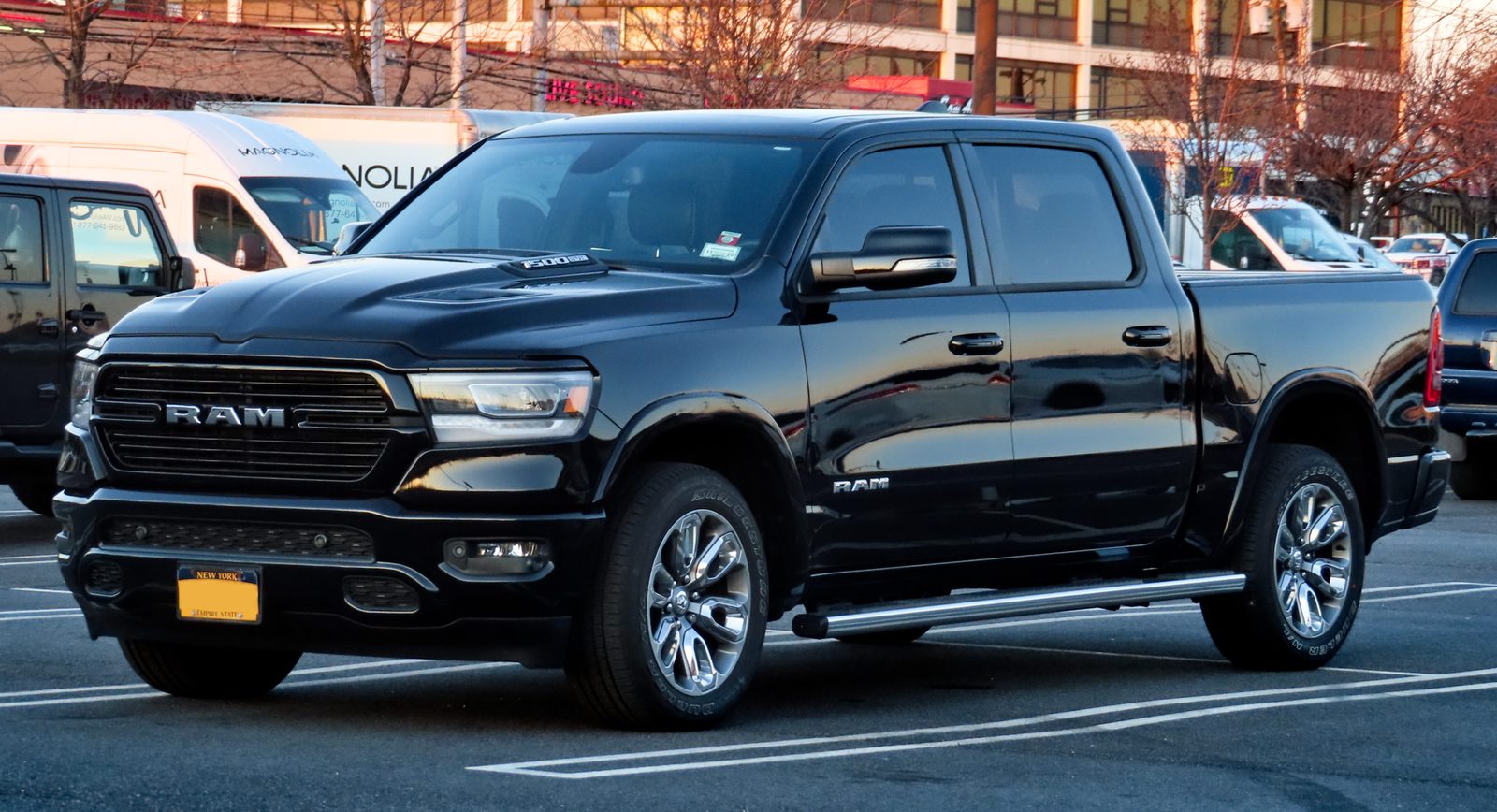
1.27 Million Ram 1500s Recalled Because the Rear Seat Belt Anchors May Never Have Been Attached
Eight model years of Ram's best-selling truck may have second-row buckle anchors that were never properly secured to the body. Until a dealer looks, Stellantis says move rear passengers to the far side.