
The Mountain Road Every Initial D Fan Knows Isn't Fictional — It's Gunma Route 33
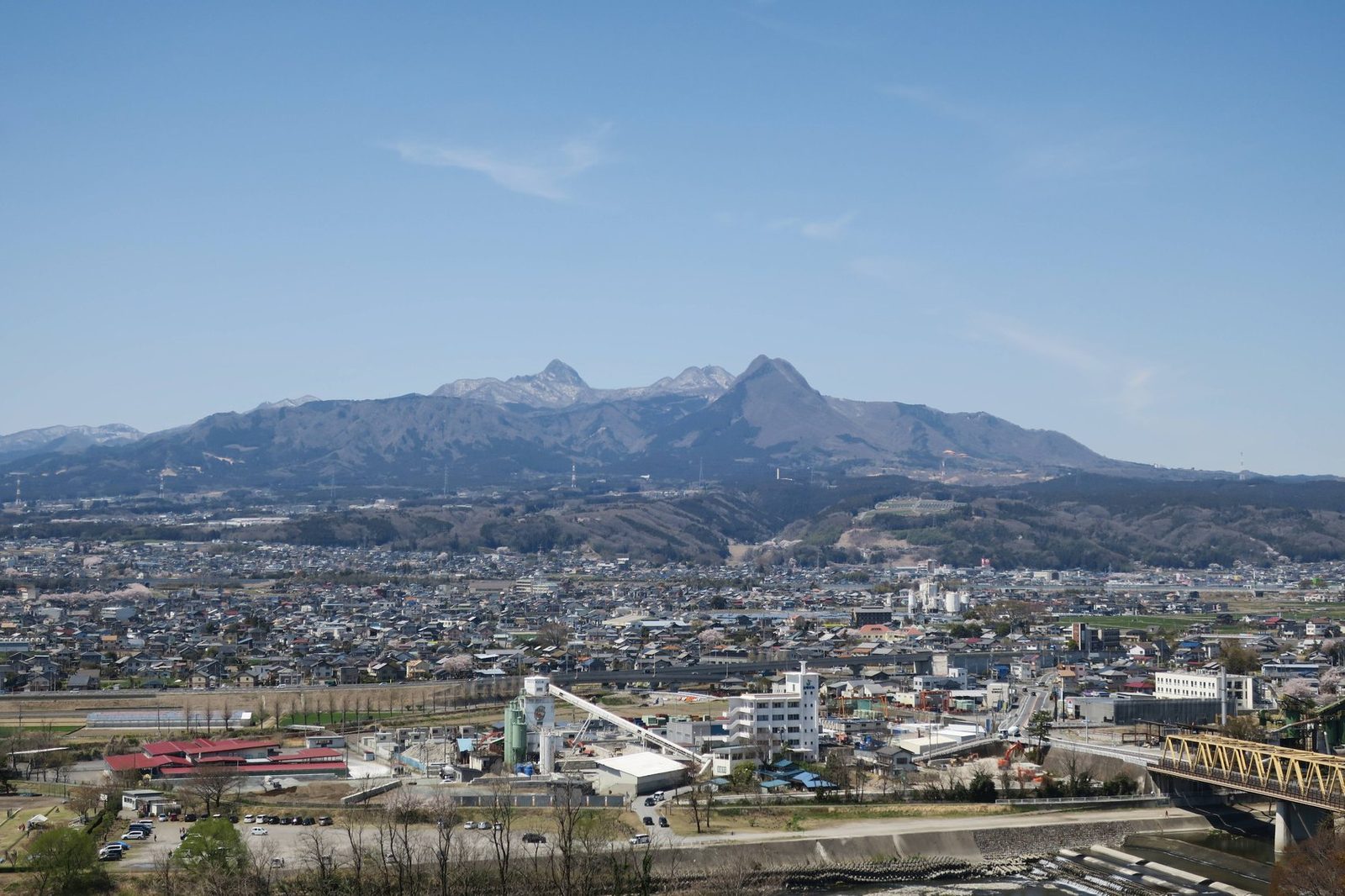
Manga artist Shuichi Shigeno renamed it Mount Akina, but the real mountain is Haruna, 150 kilometers northwest of Tokyo, and its actual hairpins are the ones drivers still go looking for.
Mount Akina doesn't exist. Every fan of Initial D — the manga and anime that turned an AE86 driven by a tofu-shop delivery kid into one of the most influential touring cars in car culture — knows the name, the five consecutive downhill hairpins, the specific rhythm of Takumi Fujiwara's runs. None of it maps to a real place under that name, because Shuichi Shigeno invented Akina as a fictional stand-in. What he didn't invent was the mountain underneath it: Mount Haruna, a real 1,449-meter peak in Gunma Prefecture, about 150 kilometers northwest of Tokyo, and one of the three famous mountains of Jōmō alongside Mount Akagi and Mount Myōgi.
The actual road is just as findable as the mountain. It's officially Gunma Prefectural Route 33, a public, driveable pass that climbs from the lowlands near Ikaho Onsen up to Lake Haruna, the caldera lake sitting near the summit. The five consecutive hairpins that define the anime's version of the Akina downhill are directly modeled on real corners on this exact stretch of road — not a loose inspiration, but a specific, identifiable sequence that fans have been finding and photographing for years.
None of that turns Route 33 into a race track, and that distinction matters more here than almost anywhere else in car culture. It's an active public mountain pass serving real residential and tourist traffic up to Lake Haruna, subject to ordinary Japanese road law like every other route in Gunma. The touge culture that Initial D fictionalized — drivers running mountain passes at night, refining a line corner by corner, treating a public road with the seriousness of a circuit — has always existed in tension with the fact that these are, without exception, real roads other people also need to use.
That tension is exactly why Mount Haruna became touge culture's most famous real-world reference point rather than staying an anonymous prefectural road. Shigeno didn't invent the idea of a mountain pass shaping a driver's whole identity — that's genuinely rooted in decades of real Japanese driving culture, the same culture that produced figures like Keiichi Tsuchiya. He just picked one specific, real mountain to set it on, drew its actual hairpins accurately enough that people could go find them, and turned a regional Gunma road into a pilgrimage site for an entire generation of car enthusiasts who may never have heard of Haruna otherwise.
For the First Time, All 20 BMW Art Cars Are Under One Roof in Munich
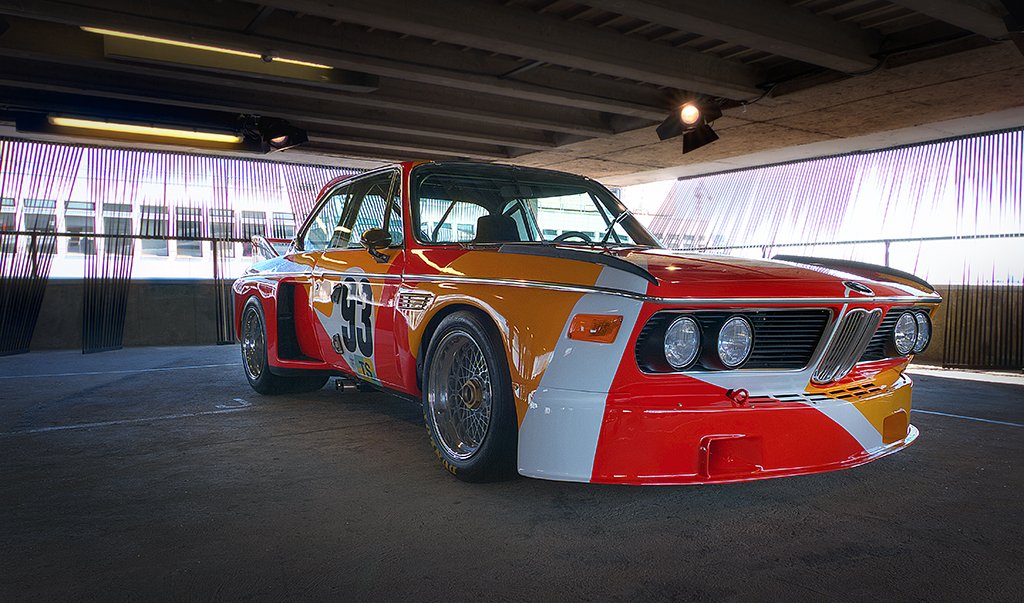
A free exhibition at BMW Welt brings together five decades of the automaker's Art Car program, from Alexander Calder's 1975 Le Mans racer to Julie Mehretu's 2024 hypercar.
RADwood Brings Its '80s and '90s Car Show Back to Tacoma, This Time Free to Spectators
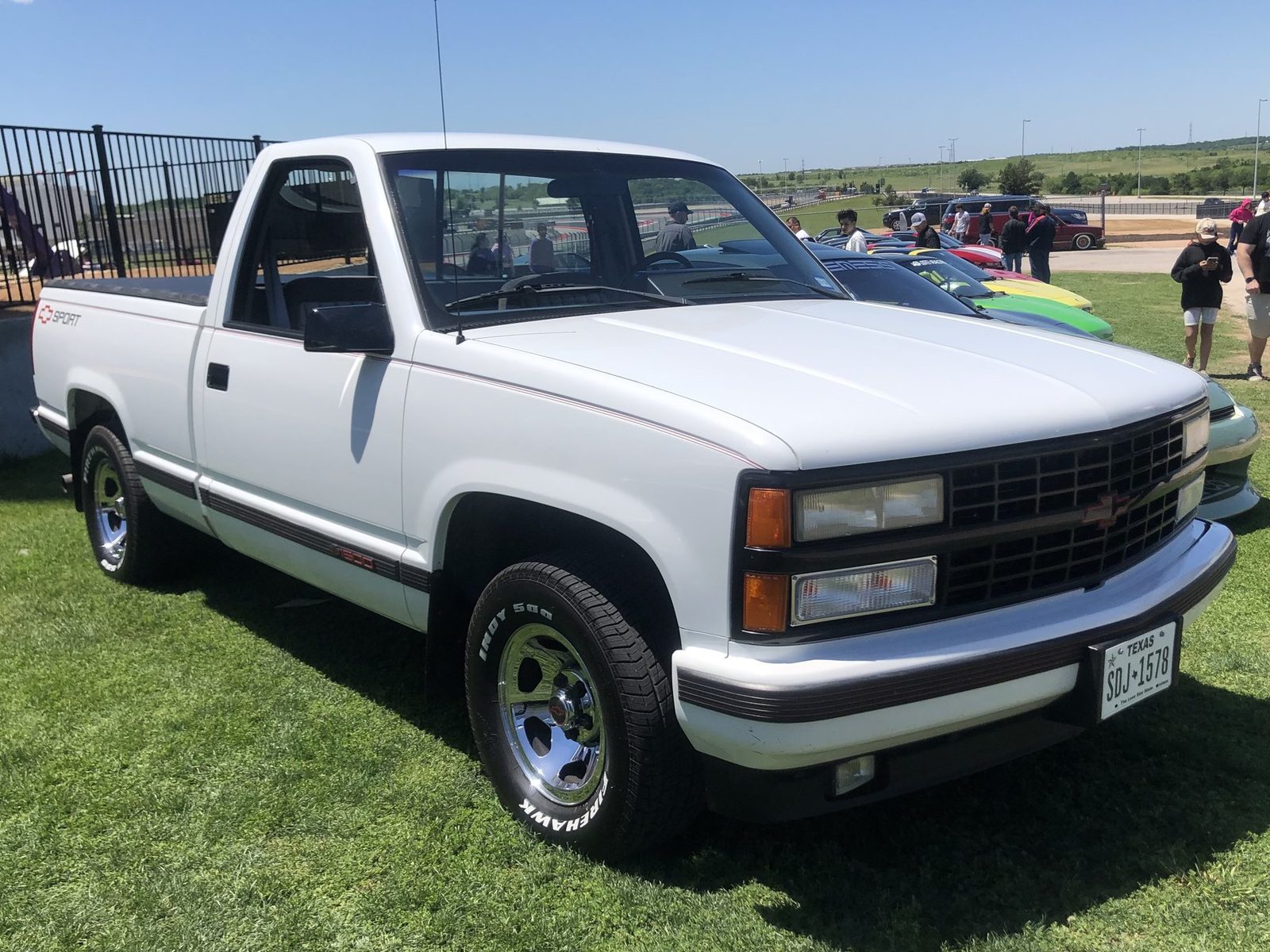
The traveling nostalgia show that turned Fox-body Mustangs and Radwood-era Japanese coupes into concours material returned to Griot's Garage in Tacoma on July 18, with Hagerty video host Jason Cammisa as the marquee guest.
Lamborghini Will Gather Over 40 Miuras on Pebble Beach's 3rd Fairway for the Car's 60th Birthday
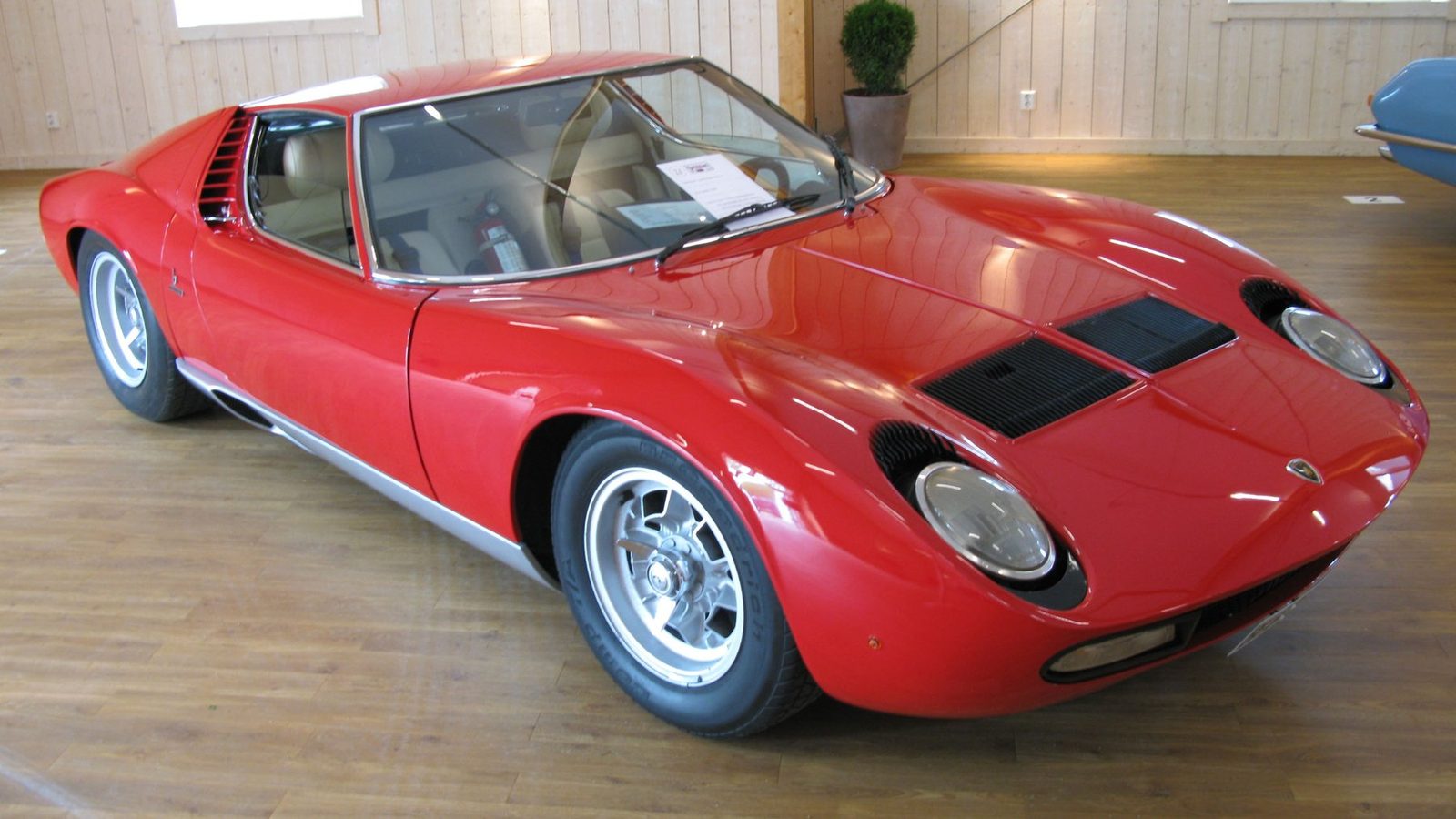
For the first time in the Concours d'Elegance's history, a fairway at Pebble Beach Golf Links will be opened to a single-marque tribute, as Lamborghini assembles what it calls the largest gathering of Miuras ever staged.